Viral DNA Extraction Kits for PCR, qPCR, and Sequencing
Viral DNA extraction kits isolate viral nucleic acids from cell-free samples such as plasma, serum, cerebrospinal fluid, and cell culture supernatant, yielding DNA suitable for PCR, qPCR, and sequencing applications. Available formats include single spin columns for low-throughput workflows and 96-well silica plates for batch processing, with elution buffer or water options depending on the kit.
Academic researchers running viral detection, molecular surveillance, or sequencing workflows can match column-based or plate-based protocols to existing laboratory equipment, and MBP's specialist team can help confirm instrument compatibility before purchase. Request a quote today by contacting customerservice@mbpinc.net.
Viral
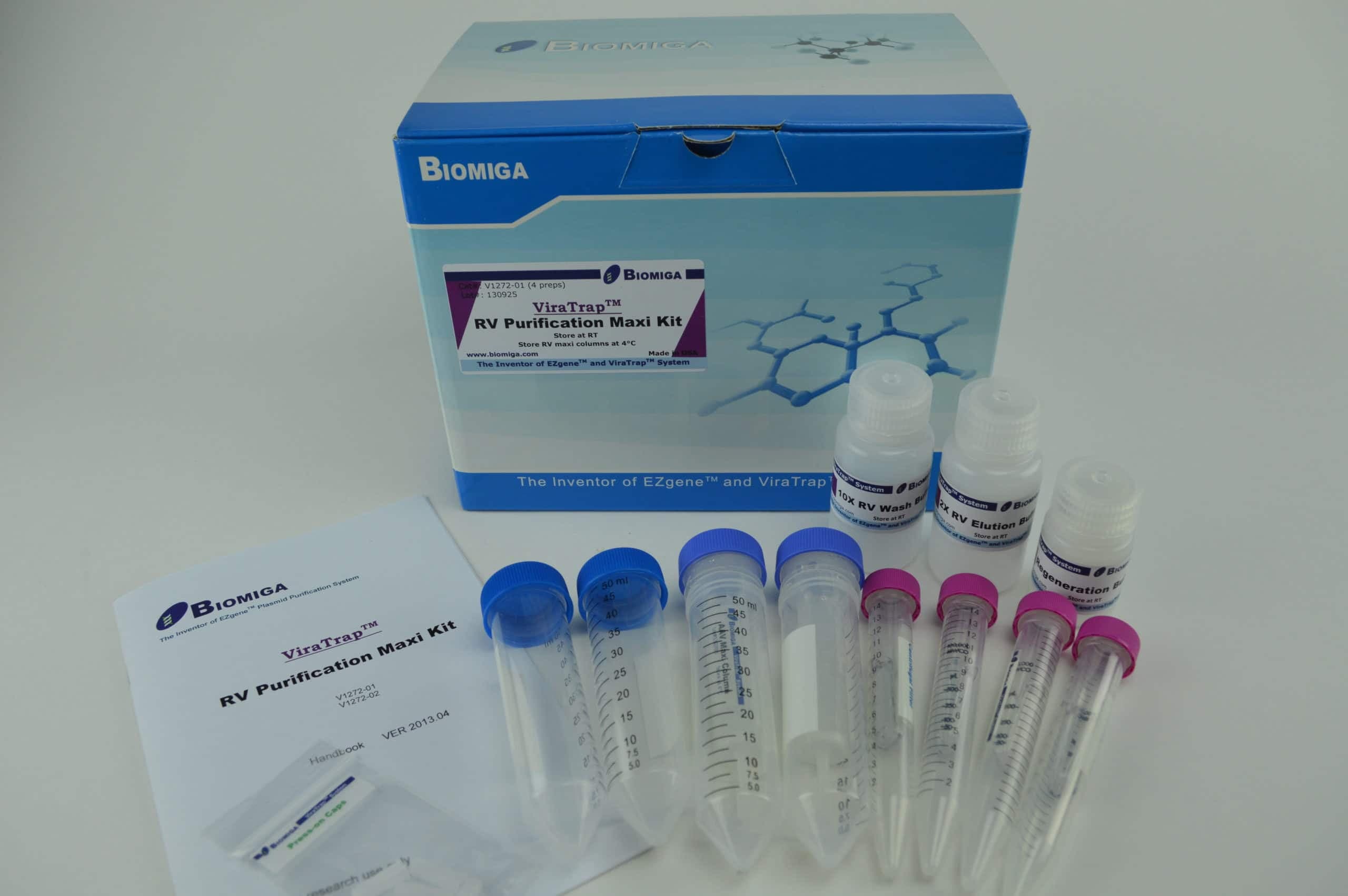
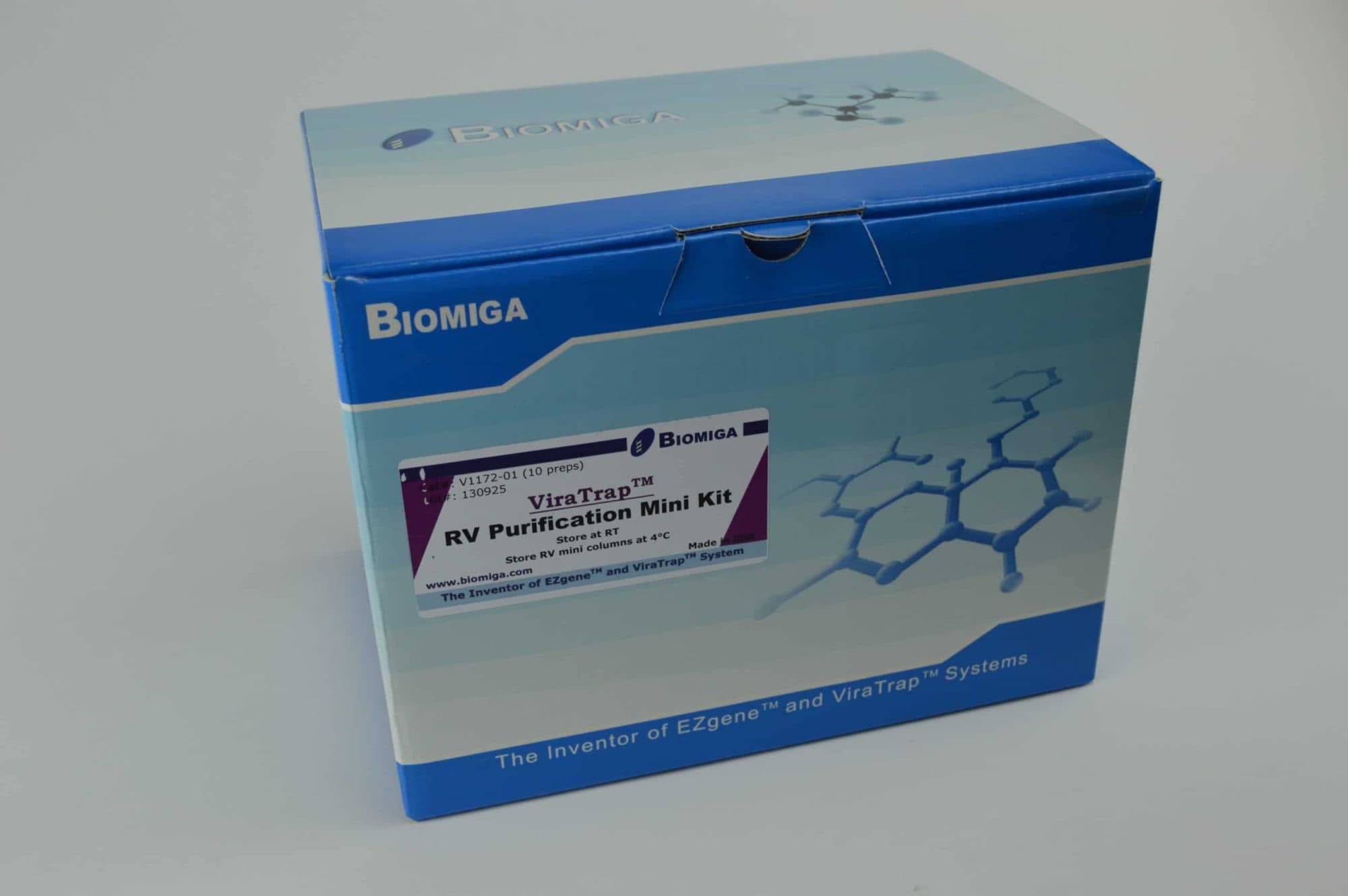
Showing 13 to 14 of 14 results
What Are Viral DNA Extraction Kits?
Viral DNA extraction kits use silica-membrane spin columns or 96-well silica plates to bind, wash, and elute viral DNA from cell-free body fluids and liquid samples, removing proteins, inhibitors, and chaotropic salts that could interfere with downstream enzymatic reactions. These workflows support PCR, qPCR, and sequencing applications used in viral detection, pathogen surveillance, and molecular biology research. Choose a viral DNA extraction kit when you need purified viral DNA from cell-free samples for downstream PCR, qPCR, or sequencing applications, whether processing individual samples or high-throughput batches.
What you will find:
- Spin-Column: for rapid purification and concentration of retrovirus, adenovirus, lentivirus, and AAV particles for enhanced gene delivery, viral vector research, and transduction applications.
- 96-Well Plate: for high-throughput viral nucleic acid screening and purification workflows, multiple samples parallel processing for RNA analysis, large-scale virology studies, and molecular diagnostics
How to Choose a Viral DNA Extraction Kit
Sample Input Volume
Most viral DNA extraction kits are designed for liquid samples such as plasma, serum, cerebrospinal fluid, and swab eluates. Many kits support sample inputs of up to 400 µL per preparation, with the option to reload columns or plate wells when larger sample volumes are required. Confirm that the kit's input range aligns with your typical sample volume.
Throughput Requirements: Spin Column vs. 96-Well Plate
Spin-column kits are well suited to lower sample volumes and manual workflows, while 96-well plate formats support higher-throughput processing and batch extraction. When equivalent purification chemistries are used, recovery is typically comparable between formats, making throughput and workflow efficiency the primary considerations.
Elution Volume and Downstream Applications
Elution volumes commonly range from approximately 35-50 µL, although some kits support lower elution volumes to increase nucleic acid concentration. Researchers planning downstream qPCR may prefer lower elution volumes for improved sensitivity, while sequencing workflows may require specific elution chemistries compatible with library preparation protocols.
Instrument Compatibility
Plate-based extraction kits typically require a centrifuge equipped with a 96-well plate carrier or a compatible vacuum manifold. Before selecting a plate-format workflow, verify that your laboratory equipment meets the manufacturer's recommended operating specifications.
Specifications Context
Binding capacity and elution volume are among the most important performance specifications for viral DNA extraction workflows. Higher binding capacities provide additional recovery potential for low-titer samples, while lower elution volumes can improve nucleic acid concentration for downstream qPCR applications. Many laboratories running both DNA and RNA viral assays utilize dedicated viral DNA and viral RNA extraction workflows to optimize recovery and assay performance for each nucleic acid type. Selection of the appropriate extraction format should be guided by sample type, throughput requirements, instrument availability, and downstream analytical methods.
Contact the MBP team today to discuss your viral DNA extraction requirements and receive expert guidance on selecting the most appropriate kit for your PCR, qPCR, or sequencing workflow.
FAQ