Product Filters

High-Quality Plant Genomic DNA Extraction Using Spin-Column Kits


Plant spin-column genomic DNA extraction kits purify genomic DNA from plant tissues using silica spin-column technology for downstream molecular biology applications. These kits are designed to remove common plant-derived contaminants while producing purified DNA suitable for PCR, sequencing, genotyping, and other DNA analysis workflows.

MBP's specialist team can help identify a suitable plant DNA extraction kit for challenging sample types. Request a quote today by contacting customerservice@mbpinc.net

Spin-column
Per Page:
Sort By:
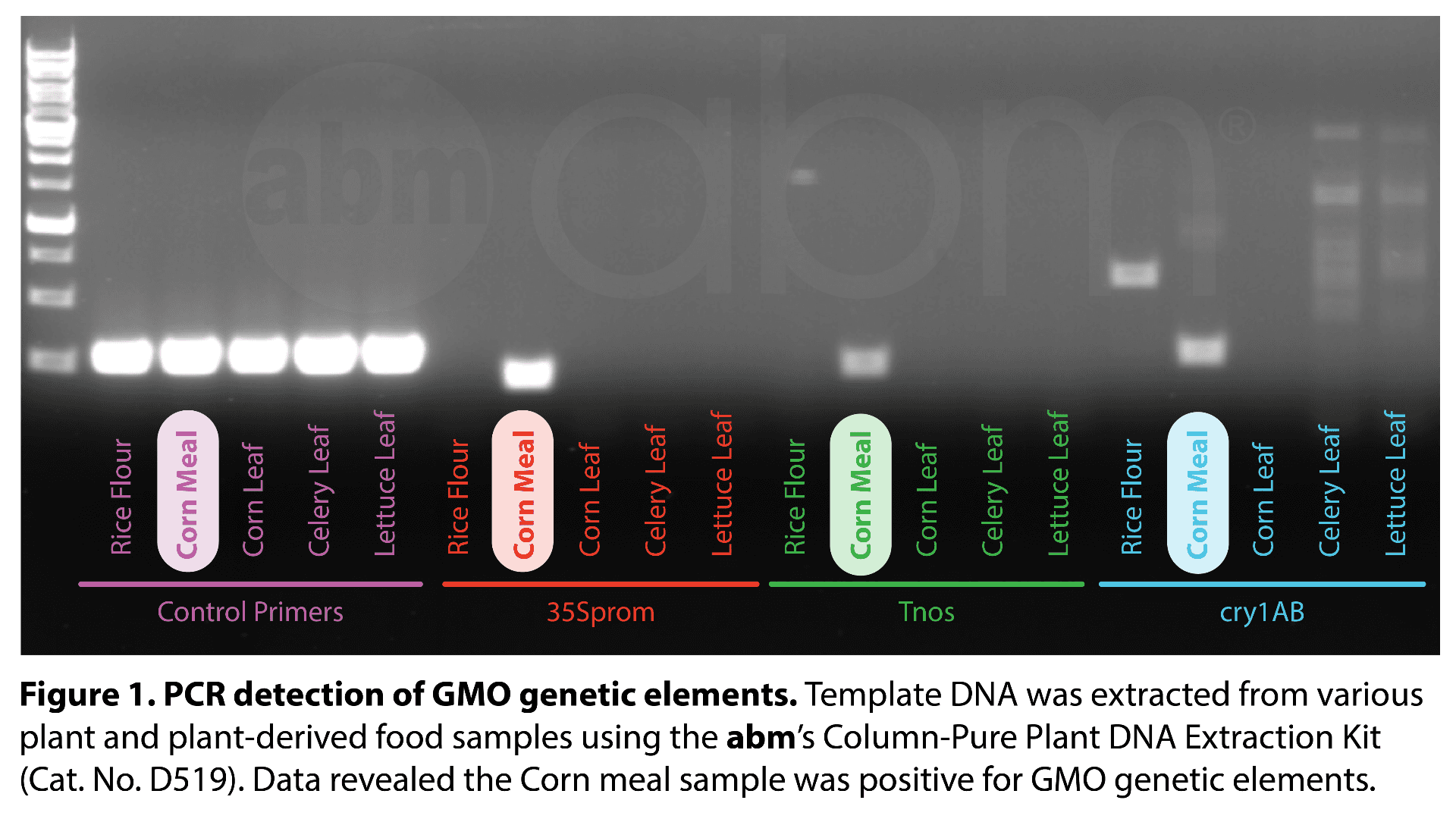
Column-Pure Plant DNA Extraction Kit
List Price:
USD202.42
Online Price:
USD144.58
Your Price:
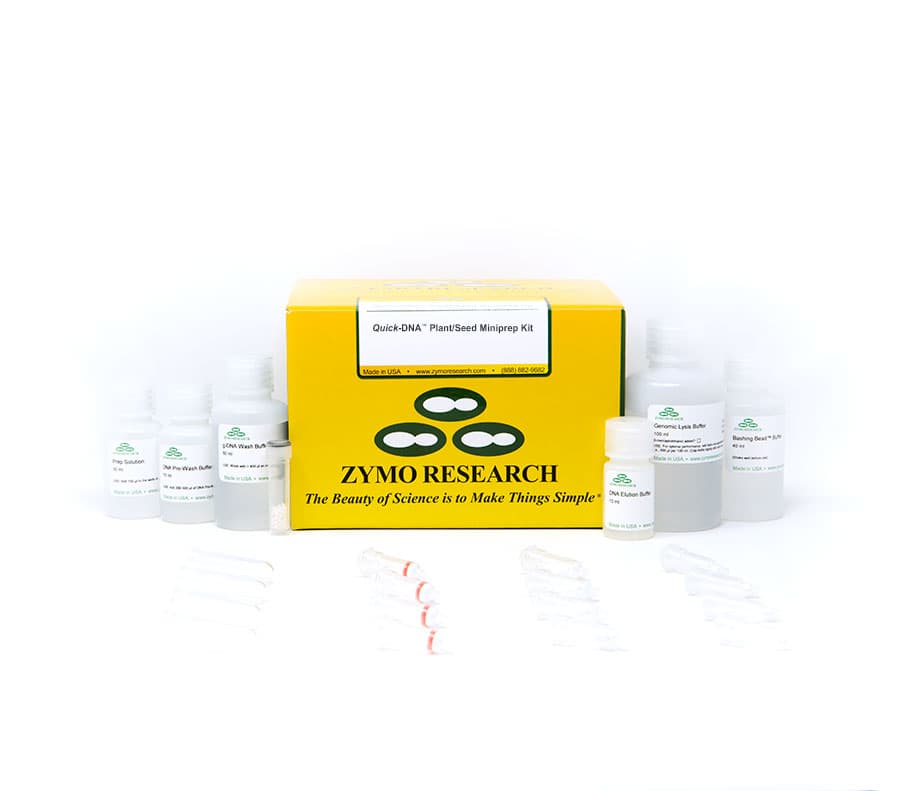
Quick-DNA™ Plant/Seed Miniprep Kit (50 Preps.)
List Price:
USD363.09
Online Price:
USD259.35
Your Price:

Showing 1 to 2 of 2 results

What are plant spin-column genomic DNA kits?


A plant spin-column genomic DNA kit pairs a CTAB- or SDS-based lysis buffer with a single silica-membrane spin column to purify genomic DNA from one plant tissue sample at a time, on a standard microcentrifuge with a swing-out rotor for larger lysate volumes. Related entities include pre-filter homogenization columns, high-salt CTAB buffers, PVP for polyphenol binding, and downstream PCR, restriction digestion, and RAPD marker applications. Choose the spin-column format for individual plant samples or method development on a new species before scaling to a 96-well plate.


What you will find


  • Rapid benchtop processing using silica-membrane spin-column plant DNA kits
  • Plant genomic DNA columns optimized with polysaccharide-clearing properties for p-starchy crop tissues
  • Polyphenol-resistant plant extraction spin-columns with polysaccharide-clearing features
  • Meeting low-volume elution demands using micro-elution plant DNA purification columns


How to choose a plant spin-column genomic DNA kit


Matching lysis chemistry to tissue type

Spin-column kits in this category are typically offered with CTAB-based lysis (for high-polysaccharide or high-polyphenol species) or SDS-based lysis (for lower-metabolite tissue such as young leaves of common model species). Identify your species' secondary metabolite profile before choosing, since the wrong lysis chemistry can result in low yield or DNA that inhibits downstream PCR.

Sample input and pre-filtration

Plant spin-column kits typically process under 100 mg of fresh-weight tissue or under 20 mg of dried tissue per column, often requiring a pre-filtration step through a separate homogenization column to remove debris and precipitated polysaccharides before loading onto the DNA-binding column. Skipping this step is a common cause of column clogging with fibrous tissue.

Centrifuge requirements for larger lysate volumes

Some plant CTAB protocols generate larger lysate volumes than animal blood/tissue protocols and may call for centrifugation at 3,000–5,000 × g using a swing-out rotor for Maxi-format pre-filter columns, in addition to standard microcentrifuge steps for the final DNA-binding column. Confirm your centrifuge has a swing-out rotor option if your protocol specifies Maxi-format pre-filtration.

Scaling to batch processing

If your sample numbers grow beyond what individual columns handle efficiently per run, a 96-well plate version of plant genomic DNA chemistry processes multiple samples per centrifuge run; the spin-column format remains the right starting point for method development and lower-volume work.


Specifications context


The specs that most affect a plant spin-column kit choice are lysis buffer chemistry matched to tissue type, pre-filtration requirements, and the centrifuge rotor options needed for larger lysate volumes in CTAB protocols. A kit processing under 100 mg fresh tissue with appropriate CTAB or SDS chemistry and a pre-filtration step typically yields 1–30 µg of DNA suitable for PCR and restriction analysis. Labs developing protocols for new or recalcitrant species often start with this spin-column format to validate lysis chemistry before moving to plant 96-well plate kits for routine batches. The parent plant genomic DNA extraction kits category and broader genomic DNA extraction kits hub cover related formats, and for animal-sample work, the blood/tissue spin-column kits use comparable column chemistry with a different lysis buffer.


Contact the expert team at MBP Inc. to get high-quality spin-column systems to streamline your plant research.

FAQ
CTAB-based lysis is generally recommended for high-polysaccharide or high-polyphenol plant species, since the high salt concentration in CTAB buffers precipitates polysaccharides while 2-mercaptoethanol or PVP binds polyphenols. SDS-based lysis is often sufficient for lower-metabolite tissue such as young leaves of common model species. Identifying your species' secondary metabolite profile before choosing helps avoid low yield or PCR-inhibiting contaminants in the eluate.
Plant spin-column genomic DNA kits typically process under 100 milligrams of fresh-weight tissue or under 20 milligrams of dried tissue per column. Yields generally range from approximately 1 to 30 micrograms of genomic DNA depending on species and tissue type. Following the kit's specified tissue amount closely improves consistency, since plant cell walls require more thorough homogenization than animal samples at comparable mass.
Column clogging is commonly caused by skipping or shortening the pre-filtration or homogenization step that removes cell debris and precipitated polysaccharides before the lysate reaches the DNA-binding column. Fibrous or high-polysaccharide tissue is especially prone to this issue if the pre-filter step is rushed. Following the kit's specified pre-filtration centrifugation speed and duration, and using a pre-filter spin column where provided, reduces clogging.
Standard plant spin-column DNA-binding steps run on a microcentrifuge similar to animal genomic DNA kits, but some CTAB protocols generate larger lysate volumes and call for a pre-filtration step at 3,000 to 5,000 x g using a swing-out rotor, particularly for Maxi-format pre-filter columns. Confirm your centrifuge has a swing-out rotor available if your protocol specifies Maxi-format pre-filtration. The final DNA-binding spin column step typically uses standard microcentrifuge speeds.
DNA from a plant spin-column genomic DNA kit is generally suitable for PCR, restriction digestion, Southern blotting, and RAPD marker analysis, with purified DNA typically sized up to approximately 40 kilobases. For PCR-based barcoding of genes such as matK and rbcL, removing polyphenols and polysaccharides during extraction is important to avoid PCR inhibition. For NGS library preparation from recalcitrant species, additional cleanup may be needed.
A plant spin-column kit is the right starting point for individual samples or for validating lysis chemistry on a new or recalcitrant species. Once lysis chemistry is confirmed and sample numbers grow toward a full plate, a 96-well plate version of the same chemistry reduces hands-on time per sample but requires a centrifuge with a 96-well rotor. Re-evaluate format choice based on actual weekly sample throughput.
Plant spin-column genomic DNA kits can generally process a range of plant tissue types including leaves and seeds, though seeds may contain different ratios of polysaccharides, oils, and proteins that affect lysis efficiency compared to leaf tissue. Tissue-specific lysis adjustments, such as additional homogenization or extended incubation, may be needed for seed samples. Confirm tissue-type compatibility with the kit's documentation before processing seed samples at scale.
MBP supplies plant spin-column genomic DNA extraction kits with CTAB- and SDS-based lysis chemistry options to academic and research labs across the United States and Canada, with a US office in Houston, Texas. As a registered vendor for institutions including Howard Hughes Medical Institute, Vanderbilt University, and MD Anderson Cancer Center, MBP supports purchase-order and grant-funded ordering for plant molecular biology programs. Contact the specialist team for guidance on lysis chemistry for high-polysaccharide or recalcitrant species.
We provide the highest quality of products and anytime customer service.
Featured Categories
    online payment
    online payment
    fast delivery
    fast delivery
    technical support
    technical support
    24/7 support
    24/7 support
    copy right
    2026 All Right Reserved