Spin-Column Genomic DNA Kits for Blood and Tissue
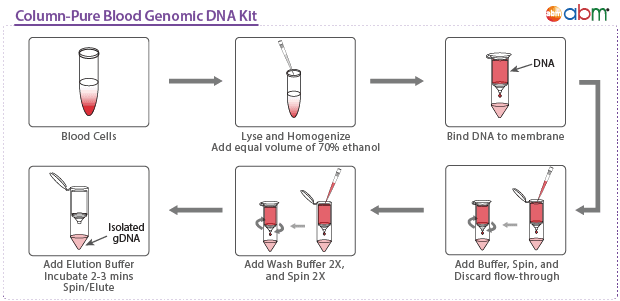
Spin-column genomic DNA kits for blood and tissue use a single silica-membrane column with a proteinase K lysis step to purify genomic DNA from whole blood, buccal cells, cultured cells, yeast, and animal tissue without phenol-chloroform extraction. Most blood and cell samples can be lysed directly without mechanical disruption, while fibrous tissue typically requires an additional homogenization step before loading the column.
Academic researchers running individual-sample or small-batch genotyping and PCR workflows can process samples on a standard microcentrifuge, and MBP's specialist team can help confirm the appropriate pretreatment for tougher tissue types before ordering. Request a quote today by contacting customerservice@mbpinc.net
Spin-column




Showing 1 to 9 of 9 results
What Are Spin-Column Genomic DNA Kits for Blood and Tissue?
A spin-column genomic DNA kit for blood and tissue combines a proteinase K-based direct lysis step with a silica-membrane spin column to purify genomic, mitochondrial, or viral DNA from animal blood, tissue, and cultured cells without phenol, chloroform, or alcohol precipitation. Related entities include direct-lysis protocols, dried blood spot supplementary workflows, TissueLyser mechanical disruption, and downstream PCR, genotyping, and sequencing library preparation. Use spin-column formats for individual or small-batch genomic DNA extraction from blood, cells, or tissue using a standard microcentrifuge.
What you will find:
- Efficient isolation of high-quality genomic DNA from blood, saliva, tissues, and other biological samples using rapid spin-column purification.
- Maximize DNA recovery with optimized lysis and binding chemistry while minimizing inhibitor, protein, and contaminant interference
- Midiprep, microprep, and miniprep formats available to support varied sample input volumes
- User-friendly workflows and streamlined protocols with fast processing times for efficient genomic DNA extraction
How to Choose a Spin-Column Blood/Tissue Genomic DNA Kit
Lysis Approach by Sample Type
Whole blood, buffy coat, buccal cells, and cultured cells generally undergo direct proteinase K lysis without mechanical disruption. In contrast, fibrous or fatty tissues such as muscle, liver, or skin often require mechanical homogenization prior to the lysis step to ensure complete cell disruption.
Anticoagulant and Blood Sample Handling
These kits typically support fresh or frozen blood collected in EDTA, citrate, or heparin. Dried blood spots generally require supplementary protocols and additional equipment beyond standard spin-column workflows.
Column Elution Chemistry
Elution is typically performed using Tris-based buffer or nuclease-free water, with volumes ranging from approximately 50–200 µL depending on kit design and sample type. Water elution may be preferred for EDTA-sensitive downstream applications.
Scaling Beyond a Single Column
For higher throughput workflows, 96-well plate formats using the same silica-membrane chemistry enable simultaneous processing of multiple samples per centrifuge run. Spin-column formats remain best suited for method development and low-to-moderate sample volumes.
Specifications Context:
The most important parameters for spin-column blood/tissue genomic DNA kits are sample-type compatibility and elution buffer composition, as these determine whether additional pretreatment is required and whether the eluate is directly compatible with downstream workflows. A typical 200 µL whole blood input yields low-microgram quantities of genomic DNA in an elution volume of approximately 50–200 µL.
Use MBP's Quick Order tool for bulk pricing or contact the specialist team to confirm pretreatment requirements for challenging tissue types.
FAQ