RNA-Seq Accessories for Metatranscriptomic Library Preparation and Quality Control
RNA-seq accessories covers the supporting consumables and reagents used alongside a core metatranscriptomic library preparation kit: rRNA depletion reagents, magnetic bead-based library cleanup and size selection, and quantification or quality-control tools for confirming library concentration and integrity before sequencing. These accessories address the practical, step-by-step needs of a real metatranscriptomics workflow beyond the core kit chemistry itself. Academic and core laboratories running microbiome RNA-seq studies can benefit from guidance when selecting accessory reagents for RNA enrichment, library cleanup, quantification, and quality assessment.
Explore available RNA-seq accessories or request a quotation by contacting customerservice@mbpinc.net. Our team can help identify the appropriate rRNA depletion, cleanup, size-selection, and quality-control reagents for your metatranscriptomic sequencing workflow.
RNA-seq accessories
Showing 1 to 2 of 2 results
What are RNA-seq accessories?
RNA-seq accessories are the supporting consumables used alongside a core metatranscriptomic library preparation kit, including rRNA depletion reagents that reduce the ribosomal RNA dominating most total RNA extracts, magnetic bead-based reagents for library cleanup and size selection between preparation steps, and quantification or fragment-size quality-control tools used to confirm a library's concentration and integrity before committing it to a sequencing run.
What you will find:
-
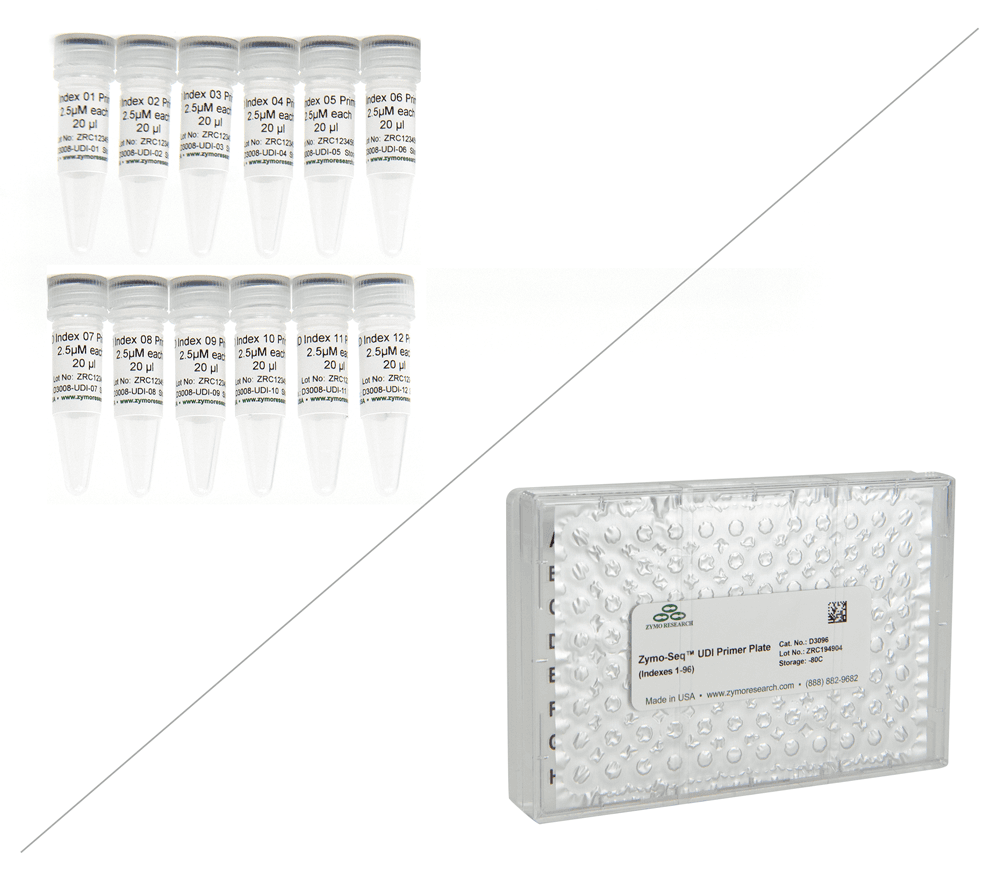
Dual-Indexed UDI Primer Sets: High-purity Unique Dual Index (UDI) primers designed to eliminate index hopping and ensure accurate demultiplexing during high-throughput NGS library preparation.
-
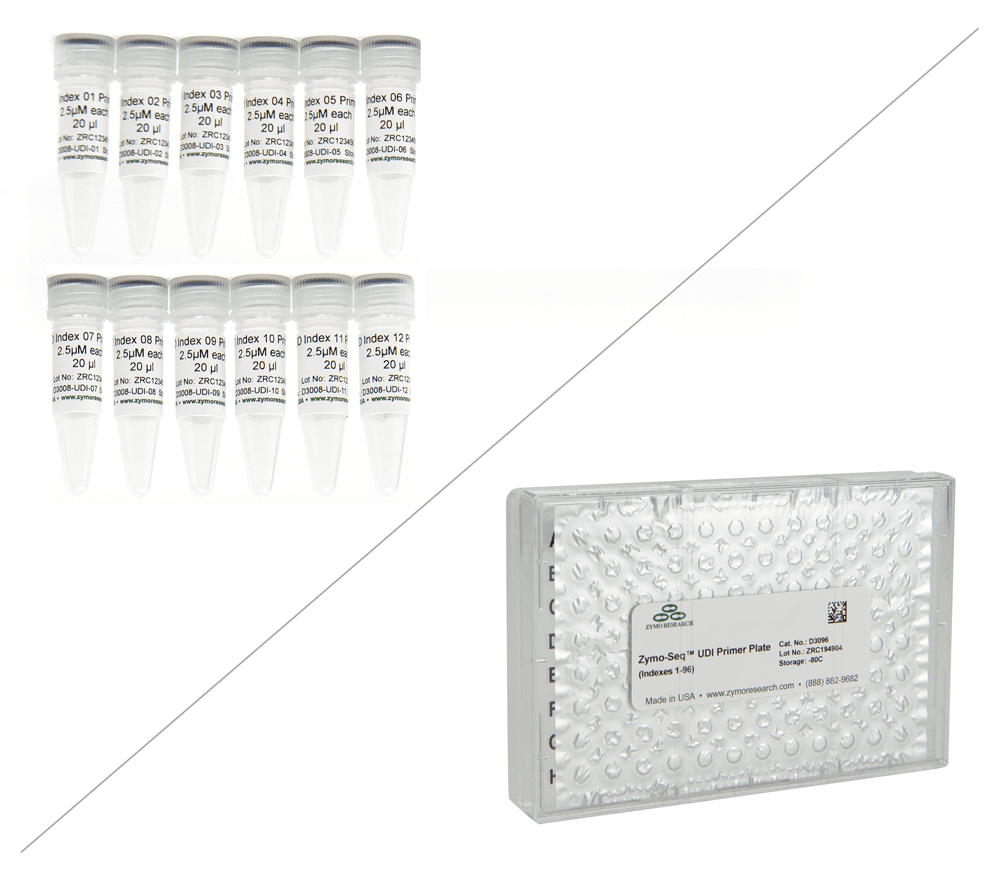
96-Index Primer Plates: Nuclease-free, high-diversity primer configurations optimized for scalable parallel processing and the detection of rare microbial transcripts with maximum precision.
How to choose RNA-seq accessories
Match your rRNA depletion reagent to your sample's species complexity
A depletion reagent validated for human and common bacterial species works well for many host-associated samples, while a depletion kit specifically designed for mixed, complex bacterial populations is needed for more diverse environmental or microbiome community samples.
Use magnetic bead cleanup for size selection between library prep steps
Magnetic bead-based cleanup reagents remove unwanted small fragments and reaction components between enzymatic steps in library preparation, and the bead-to-sample ratio used can be adjusted to select for a specific fragment size range appropriate to your sequencing platform.
Confirm library quantification method matches your downstream platform requirements
A fluorometric or fragment-analysis-based quantification method provides the library concentration data needed to pool multiple samples accurately for multiplexed sequencing, and using a method appropriate to your specific library type avoids over- or under-loading the sequencer.
Check fragment size distribution before sequencing to catch problems early
Running a quality-control check of library fragment size distribution, using an instrument like a Bioanalyzer or similar fragment analyzer, helps catch a library prep problem, such as adapter dimer contamination, before committing the sample to a full sequencing run.
Plan for accessory compatibility with degraded or low-input RNA samples
Some accessories and protocols accommodate degraded RNA with low RNA integrity number (RIN) scores, such as RNA from challenging sample types, though performance may be somewhat reduced compared with high-quality, intact RNA input.
Specifications context
A streamlined rRNA depletion accessory can effectively deplete multiple rRNA species in a single-tube reaction, reducing the hands-on accessory steps needed compared with older multi-step depletion protocols, while still requiring downstream library cleanup and quantification accessories regardless of which depletion method is used. As of 2026, fragment analyzer and similar QC instrumentation remain a standard accessory-stage check before sequencing, helping confirm library quality issues are caught and addressed prior to committing limited sequencing capacity to a problematic sample.
Contact the helpful team at MBP Inc. today to request a quote for your RNA-Seq accessory needs.
FAQ