dNTPs for Epigenetics and Methylation Research Applications
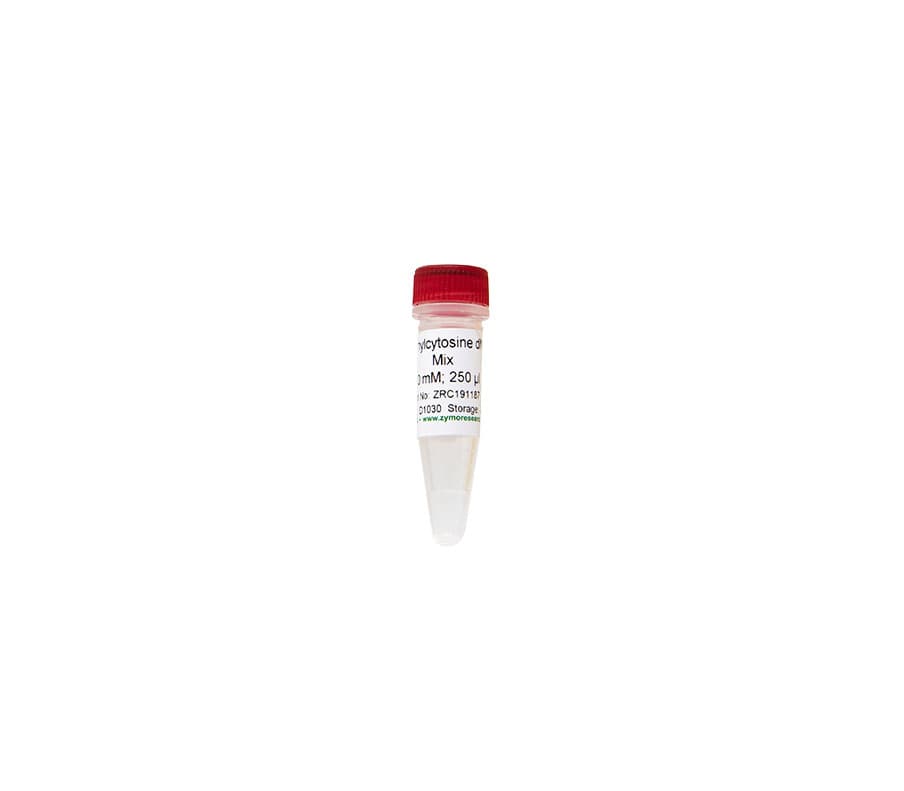
dNTPs (Deoxynucleotide Triphosphates) within Epigenetics covers both standard dNTP sets and modified nucleotide analogs used in epigenetics research workflows, particularly for synthesizing defined positive-control DNA carrying specific modifications. The Methylated subcategory holds methylation-specific analogs such as 5-methyl-dCTP, used to enzymatically generate fully methylated cytosine-substituted DNA through PCR or in vitro synthesis. Academic and core laboratories building methylation controls, studying DNA methyltransferase or TET enzyme activity, or performing methylation-sensitive restriction analyses can benefit from guidance when selecting nucleotide analogs and synthesis strategies.
Explore available dNTPs and modified nucleotides or request a quotation by contacting customerservice@mbpinc.net. Our team can help identify the appropriate nucleotide formulations for methylation controls, enzymatic assays, and epigenetics research workflows.
dNTPs (Deoxynucleotide Triphosphates)


Showing 1 to 6 of 6 results
What are epigenetics dNTPs?
Epigenetics dNTPs includes both standard deoxynucleotide triphosphate sets used across many molecular biology applications and modified nucleotide analogs relevant specifically to epigenetic research, with the most important being 5-methyl-dCTP, a base-modified analog in which the cytosine base carries a methyl group at the 5-carbon position. 5-methyl-dCTP can be incorporated into DNA via PCR or in vitro synthesis in place of standard dCTP, producing a defined, fully methylated cytosine-substituted DNA molecule useful as a positive control for methylation detection assays or as a substrate for studying methylation-related enzyme activity.
What you will find:
- Methylated: dNTP mixes used in methylation-sensitive DNA synthesis workflows. Methylated nucleotide analogs for DNA methylation studies and epigenetics research. Standard individual dNTPs (dATP, dCTP, dGTP, dTTP) for PCR analysis and routine DNA synthesis.
How to choose epigenetics dNTPs
Use 5-methyl-dCTP to build defined, fully methylated control DNA
Substituting 5-methyl-dCTP for standard dCTP in a PCR reaction produces a fully methylated cytosine-substituted amplicon, providing a positive control whose methylation status is defined and known, unlike a positive control derived from genomic DNA with variable, unknown methylation patterns.
Confirm that your methylation detection assay is validated with a defined methylated control
Running a fully methylated positive control through a bisulfite conversion or enzymatic conversion workflow confirms the detection method is correctly interpreting methylated cytosines, helping catch conversion efficiency problems before they affect interpretation of real sample results.
Use methylated dNTP-synthesized DNA to study methylation-sensitive restriction digestion
Some restriction enzymes specifically cleave methylated sequences while others are inhibited by methylation, and a fully methylated DNA produced with 5-methyl-dCTP is a useful substrate for confirming whether a specific enzyme's activity is methylation-sensitive.
Be aware that 5-methyl-dCTP is also believed to be the starting substrate for TET enzyme oxidation
5-methylcytosine is believed to be the substrate for TET family enzymes that produce 5-hydroxymethylcytosine and further oxidation products, making 5-methyl-dCTP-synthesized DNA a potential substrate for in vitro TET enzyme activity studies.
Confirm nucleotide concentration and compatibility with your synthesis conditions
Standard dNTPs and modified analogs like 5-methyl-dCTP are typically supplied as concentrated solutions requiring dilution, and confirming appropriate concentration and buffer compatibility before use ensures consistent, reproducible incorporation into your target DNA.
Specifications context
5-methyl-dCTP is typically supplied as a 10 mM solution and offers the ability to enzymatically make a defined, fully methylated, cytosine-substituted DNA by PCR or in vitro synthesis, a property that makes it a valuable resource for a variety of biochemical and cellular applications in epigenetics research. As of 2026, methylated DNA probes made with 5-methyl-dCTP continue to serve as methylation reference fragments and as pull-down substrates for 5-hydroxymethylcytosine-binding proteins from cellular lysates, extending their use beyond simple positive controls.
Contact the expert team at Molecular Biology Products Inc. (MBP) to find high-integrity dNTPs tailor-made for your research applications.
FAQ