Methylated dNTPs for DNA Methylation Controls and Enzyme Assays
Methylated dNTPs covers 5-methyl-dCTP and related methylated nucleotide analogs: base-modified deoxynucleotides in which the cytosine carries a 5-carbon methyl group, the same modification present in genomic 5-methylcytosine. Substituting 5-methyl-dCTP for standard dCTP in a PCR reaction enzymatically produces a fully methylated, cytosine-substituted DNA template, useful as a defined positive control or enzymatic substrate in epigenetics research. Academic and core laboratories synthesizing methylation controls, studying methyltransferase activity, or performing in vitro epigenetic enzyme assays can benefit from guidance when selecting modified nucleotides and experimental workflows.
Explore available methylated dNTPs or request a quotation by contacting customerservice@mbpinc.net. Our team can help identify the appropriate nucleotide analogs for methylation control generation, enzyme characterization, and epigenetics research applications.
Methylated

Showing 1 to 2 of 2 results
What are methylated dNTPs?
Methylated dNTPs are base-modified deoxynucleotide analogs, the most important being 5-methyl-dCTP (2'-deoxy-5-methylcytidine 5'-triphosphate), in which the cytosine base carries a methyl group at the carbon-5 position. This is the same position methylated in naturally occurring genomic 5-methylcytosine, the primary DNA methylation mark studied in epigenetics research. Substituting 5-methyl-dCTP for standard dCTP in a PCR reaction or in vitro synthesis produces a defined, fully cytosine-methylated DNA template from a known sequence.
What you will find:
-
5-Methyl dCTP (10 mM) (100 µl): for high-purity enzymatic incorporation into methylated DNA strands.
-
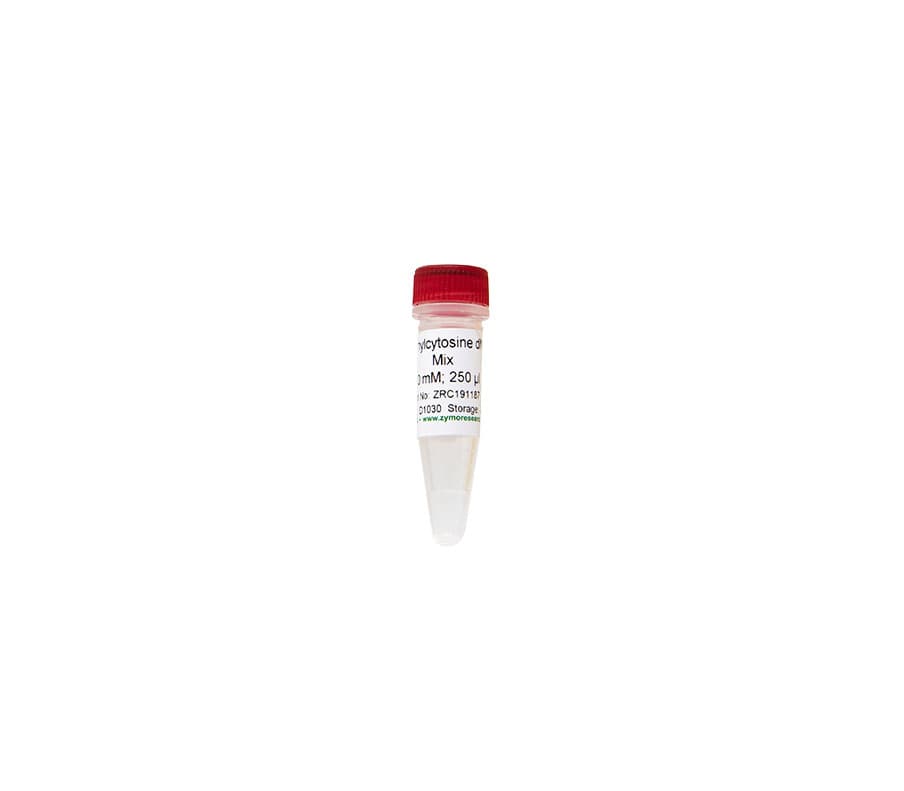
5-Methylcytosine dNTP Mix (10 mM) (250 µl): pre-validated nucleotide blends for controlled epigenetic assay workflows.
How to use methylated dNTPs
Substitute 5-methyl-dCTP for dCTP in PCR to synthesize defined methylated DNA
A PCR reaction using 5-methyl-dCTP in place of standard dCTP produces a fully methylated amplicon in which every cytosine carries the 5-methyl modification, providing a positive control with a known and consistent methylation status distinct from the partial, variable methylation of a genomic DNA control.
Use methylated DNA as a positive control for bisulfite or enzymatic conversion workflows
Running 5-methyl-dCTP-synthesized fully methylated DNA through your bisulfite or enzymatic conversion protocol confirms the method correctly preserves methylated cytosines while converting unmethylated ones, catching conversion efficiency problems at the control stage before they affect interpretation of real samples.
Test methylation-sensitive restriction enzymes using 5-methyl-dCTP-produced substrates
Some restriction enzymes cut methylated sequences while others are inhibited by methylation at their recognition site, and a PCR-synthesized, fully methylated substrate of known sequence provides a clean, defined test of whether a specific enzyme is methylation-sensitive or methylation-dependent.
Use as an in vitro substrate for TET enzyme oxidation studies
Since 5-methylcytosine is the starting substrate for TET family enzyme oxidation into 5-hydroxymethylcytosine and further products, fully methylated DNA synthesized with 5-methyl-dCTP provides a defined, homogeneous substrate for in vitro TET enzyme activity assays.
Store methylated dNTPs appropriately to maintain activity
Methylated dNTP analogs are generally stored at -20°C, similar to standard dNTPs, with short-term exposure to ambient temperature acceptable but prolonged room-temperature storage avoided to prevent hydrolysis of the phosphate groups.
Specifications context
5-methyl-dCTP is typically supplied as a 10 mM solution at pH 7.0 and can be diluted using sterile distilled water or TE buffer, and it can be used in PCR, RT-PCR, and other DNA synthesis applications at the same concentration as standard dCTP in a reaction mix, with 5-methylated DNA probes made this way serving as methylation reference fragments or as pull-down substrates for 5-hydroxymethylcytosine-binding proteins. As of 2026, 5-methyl-dCTP-synthesized control DNA remains a standard tool in epigenetics research labs specifically because it provides a modification-defined substrate without relying on the variable or partially characterized methylation patterns of genomic positive controls.
Contact the expert team at MBP and get high-quality methylated (dNTPs) for your lab.
FAQ