Chemicals for Research, Biochemical Applications, and Laboratory Workflows
Chemicals brings together the general-purpose and biochemically specific chemical reagents used across research applications: biochemical reagents including vitamins, buffer solutions, amino acids, and other biologically relevant compounds, alongside broader laboratory chemical supplies. As a top-level branch parallel to Cell Biology, Protein Analysis, Epigenetics, and Electrophoresis, this section organizes general chemical supplies separately from application-specific reagent categories. Academic and core laboratories sourcing research chemicals can benefit from guidance when selecting appropriate purity grades, formulations, and applications for their experimental workflows.
Looking for a specific research chemical or biochemical reagent? Contact customerservice@mbpinc.net for a quotation and expert assistance in selecting the right product for your laboratory application.
Chemicals
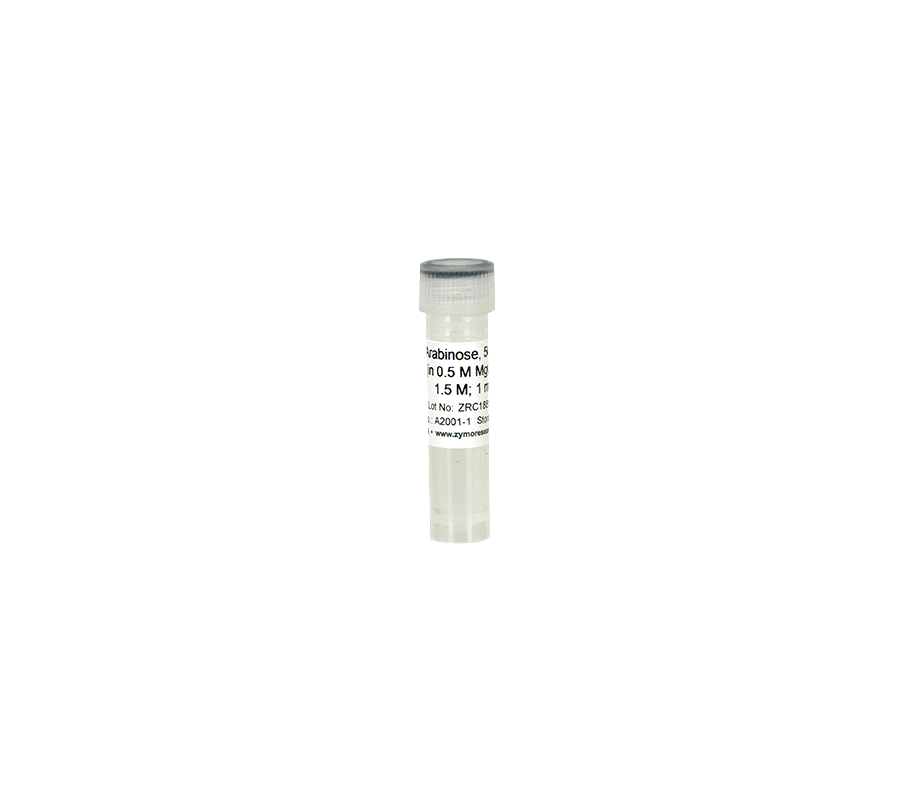



Showing 1 to 12 of 17 results
What is Chemicals as a reagent category?
Chemicals covers the broad range of chemical and biochemical reagents used across molecular biology, cell biology, biochemistry, and general laboratory work: biochemically relevant compounds like vitamins, buffer salts, amino acids, and enzyme substrates; general laboratory chemicals including solvents, acids, bases, and inorganic salts; and research-grade specialty chemicals for specific applications. Unlike application-specific categories such as Epigenetics or Electrophoresis, which organize reagents by research workflow, Chemicals organizes by the nature of the material itself.
What you'll Discover:
-
Biochemical Reagents: High-quality metabolic inducers such as IPTG (G116), L-Arabinose (A2001-ZYM), and Cumate (CH065), along with essential buffers and enzyme stabilizers like TRIS (CH059), DTT (G025), and PMSF (G034).
-
Inorganic Reagents & Compounds: Ultra-pure essential chemical substances like Sodium Azide (CH052) designed for accurate laboratory buffer enhancement and sample conservation methodologies.
-
Detergents & Surfactants: Enhanced cell lysis and denaturing agents featuring 20% SDS (CH100) and concentrated 10X Tris-Glycine-SDS Buffer (CH125) for protein electrophoresis setup.
How to navigate Chemicals
Start with Biochemical Reagents for biologically relevant compounds
Biochemical Reagents covers the subset of the catalog most relevant to molecular and cell biology workflows: vitamins and cofactors, buffer salts and ready-to-use buffer solutions, amino acids, and other compounds with specific roles in biological systems.
Check purity grade requirements before ordering a research chemical
Research-grade chemicals vary in purity from technical grade to ACS-certified, HPLC-grade, and molecular biology grade, with the appropriate grade depending on how the chemical is used; cell culture and enzymatic applications generally require higher purity than non-biological analytical or general lab use.
Confirm whether your chemical needs are better served by a specialty category
Some research chemicals belong more naturally in application-specific sections of the catalog, such as chromatin immunoprecipitation buffers in Epigenetics or gel running buffers in Electrophoresis, while general-purpose chemicals and biochemical reagents not tied to a single workflow type belong in this Chemicals branch.
Consider bulk ordering for high-consumption research chemicals
Common research chemicals like buffer salts, solvents, and vitamins are used in large quantities by active research labs, and bulk pricing can represent meaningful savings on frequently replenished reagents.
Look for certificates of analysis when accuracy matters for your application
Quantitative applications, including analytical standards, enzyme kinetics studies, and defined cell culture supplementation, require chemicals with documented lot-specific purity and concentration, typically confirmed by certificate of analysis provided with each lot.
Specifications context
Research-grade purity designations for laboratory chemicals follow widely adopted convention systems including ACS grade (meets American Chemical Society purity specifications), HPLC grade (verified purity for chromatographic applications), and molecular biology grade (certified free from nuclease, protease, and other activities that would interfere with molecular biology applications). As of 2026, pre-made, ready-to-use solutions for common biochemical reagents like PBS, HEPES buffer, and Tris-HCl continue to see growing adoption over powder or concentrated formats in labs prioritizing convenience and reproducibility over reagent cost per use.
Reach out to the friendly team at MBP now to get a quote for your particular research needs.
FAQ