Protein Over-Expression Vectors and Systems for Research
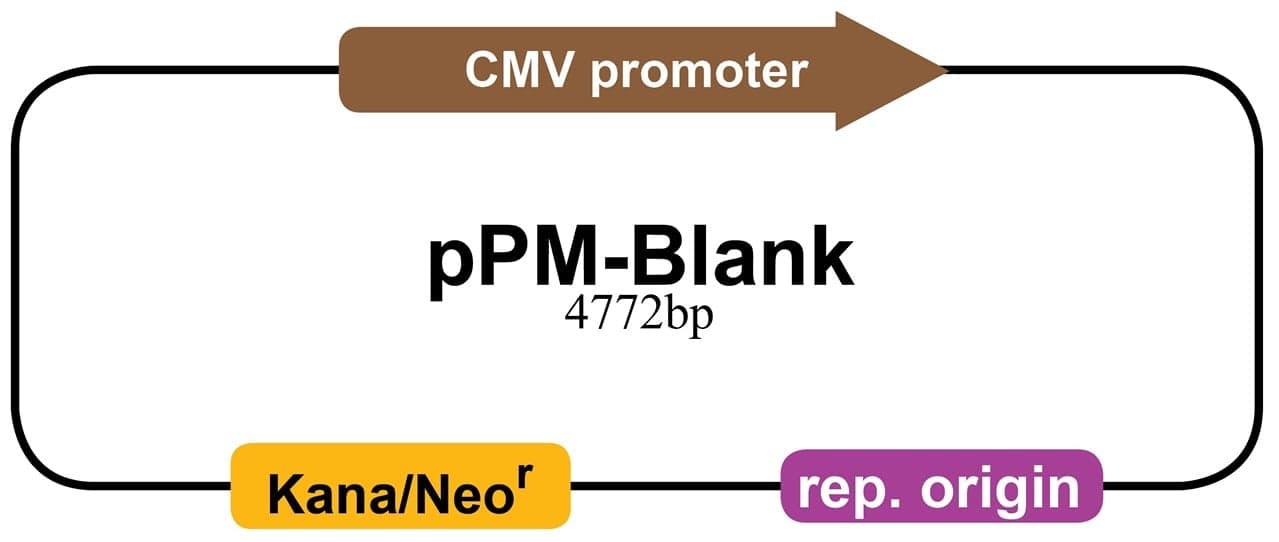
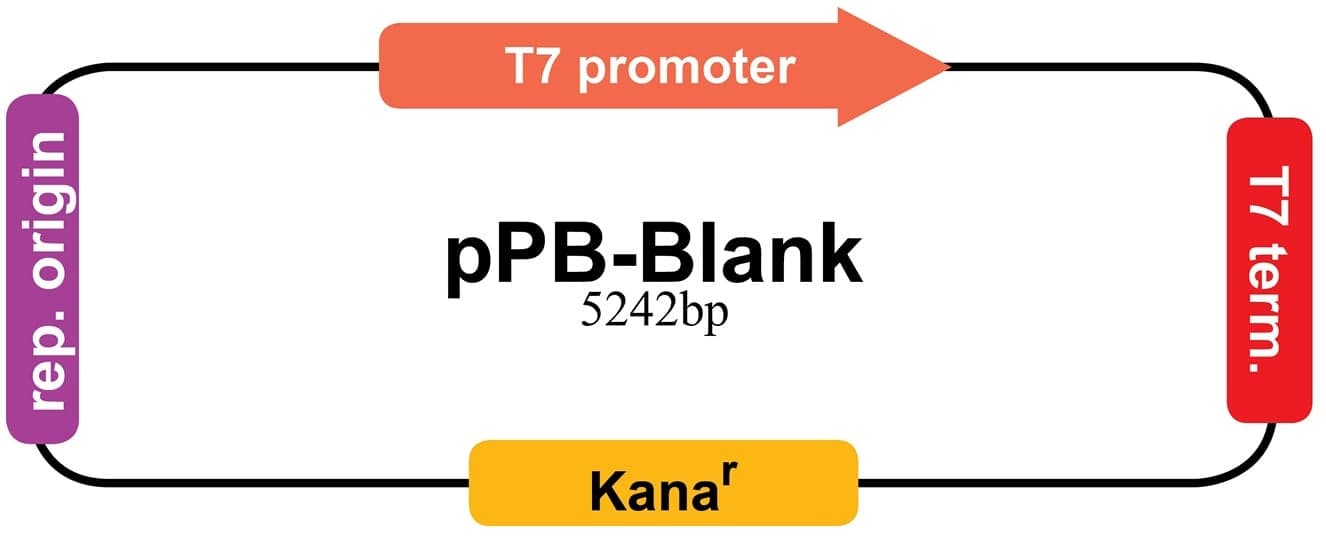
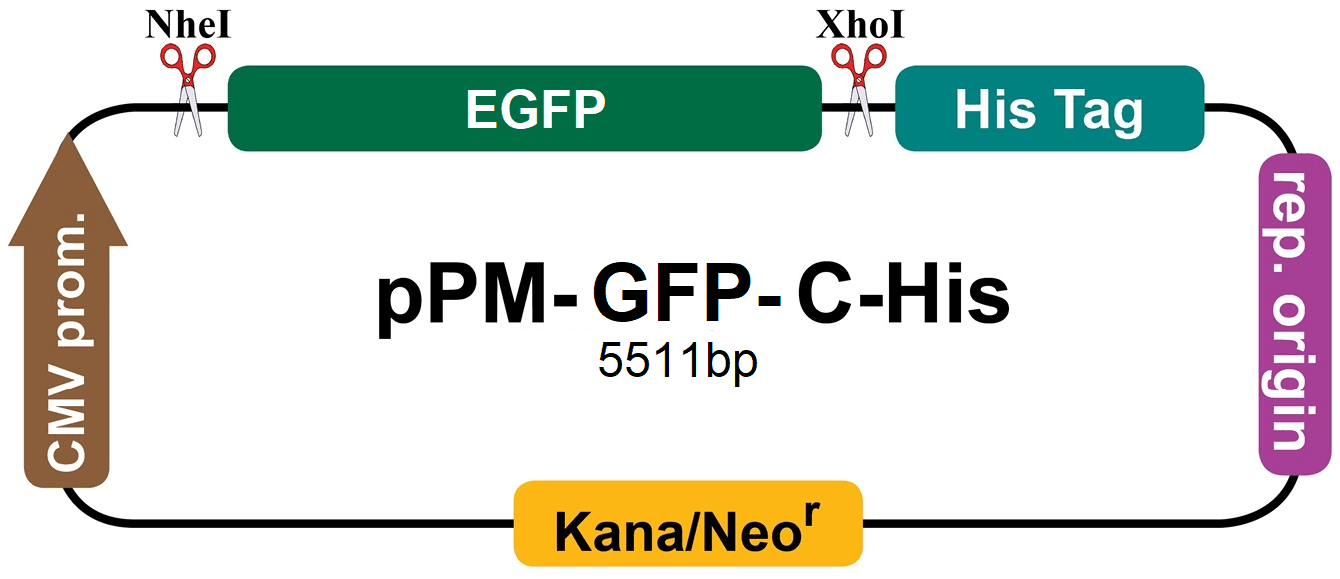
MBP Inc. supplies protein expression control vectors for recombinant protein production and gene expression research. Available formats include blank-control and GFP-control vectors that support cloning, expression optimization, transfection controls, reporter studies, and vector development workflows in molecular biology laboratories.
Featuring products from established suppliers, including ABM, these protein expression tools support research applications in bacterial and mammalian expression systems across the USA, Canada, and worldwide. Contact customerservice@mbpinc.net to request a quote today!
Over-Expression Vectors
Showing 1 to 3 of 3 results
What Are Protein Over-Expression Vectors?
Protein over-expression systems allow researchers to produce a specific protein at levels far above its endogenous concentration — for biochemical characterisation, structural studies, antibody production, functional assays, or drug screening. The choice of expression system fundamentally determines protein yield, quality, and the presence of biologically relevant post-translational modifications.
What you will find:
-
Controls/Reporters: including blank-control protein vectors for targeted expression and transfection. GFP-control protein vectors for real-time visualization and tracking of gene expression
How to Choose a Protein Over-Expression Vector
Bacterial vs. Mammalian
The pET system is one of the most widely used platforms for high-level bacterial protein expression. T7 promoter-driven expression in BL21(DE3) strains can achieve very high recombinant protein yields under optimized conditions. For proteins requiring PTMs, mammalian systems (HEK293, CHO) are required.
Transient vs. Stable Mammalian Approach
Transient HEK293 expression takes 3–5 days with moderate yield and full human PTMs, suited for rapid feasibility and structural studies. Stable HEK293 or CHO pools take 2–8 weeks but provide high yield for extended supply or scale-up.
Tag and Purification Strategy
His-tags offer the simplest IMAC purification. GST and MBP tags improve solubility of poorly soluble proteins. FLAG/DDK tags enable co-immunoprecipitation with high-affinity antibodies. TEV cleavage sites allow tag removal where tag interference with function is a concern.
ORF Availability
Through selected supplier partners, including ABM, extensive collections of human, mouse, and rat ORFs are available in multiple protein expression vector formats, including tagged and untagged configurations.
Yield Optimisation Factors
Codon optimisation for the target host, N-terminal signal peptide inclusion for secreted proteins, solubility-enhancing fusion tags for aggregation-prone proteins, and induction conditions (temperature, IPTG concentration, induction time) all influence recombinant protein yield.
Specifications Context
E. coli lacks the machinery for eukaryotic PTMs — including N-linked glycosylation, complex disulfide bond formation, and mammalian-specific phosphorylation — so proteins requiring these must be expressed in mammalian, insect, or yeast systems; some mammalian proteins also form insoluble inclusion bodies in E. coli, addressable with solubility tags (MBP, GST) or chaperone co-expression. PiggyBac transposon systems are widely used for stable cell line generation and can support efficient long-term transgene expression in mammalian cells. Gateway-compatible pDEST vectors allow direct transfer of ORFs into multiple expression systems — bacterial, mammalian, insect — without restriction digestion, enabling parallel expression screening from a single entry clone. Product availability may change over time. Browse MBP for current product information and availability.
Contact the expert team of MBP Inc. to find the perfect protein vector over-expression system for your lab today.
FAQ



