Protein Vector Control and Reporter Constructs for Labs
MBP Inc. supplies control and reporter vectors for protein expression applications, including blank-control vectors for expression construct development and GFP-control vectors for evaluating transfection efficiency and gene expression. Designed to support recombinant protein production, assay optimization, and molecular biology workflows, these tools serve researchers in academic, biotechnology, and pharmaceutical laboratories.
For product availability, technical guidance, or institutional pricing, request a quote by contacting customerservice@mbpinc.net.
Controls/Reporters
Showing 1 to 3 of 3 results
What Are Protein Vector Control & Reporter Constructs?
Successful protein over-expression depends on knowing your starting point. Control and reporter vectors provide the experimental baseline against which the performance of experimental protein expression constructs is measured — confirming transfection efficiency, assessing promoter strength, or validating a new expression system.
What you will find:
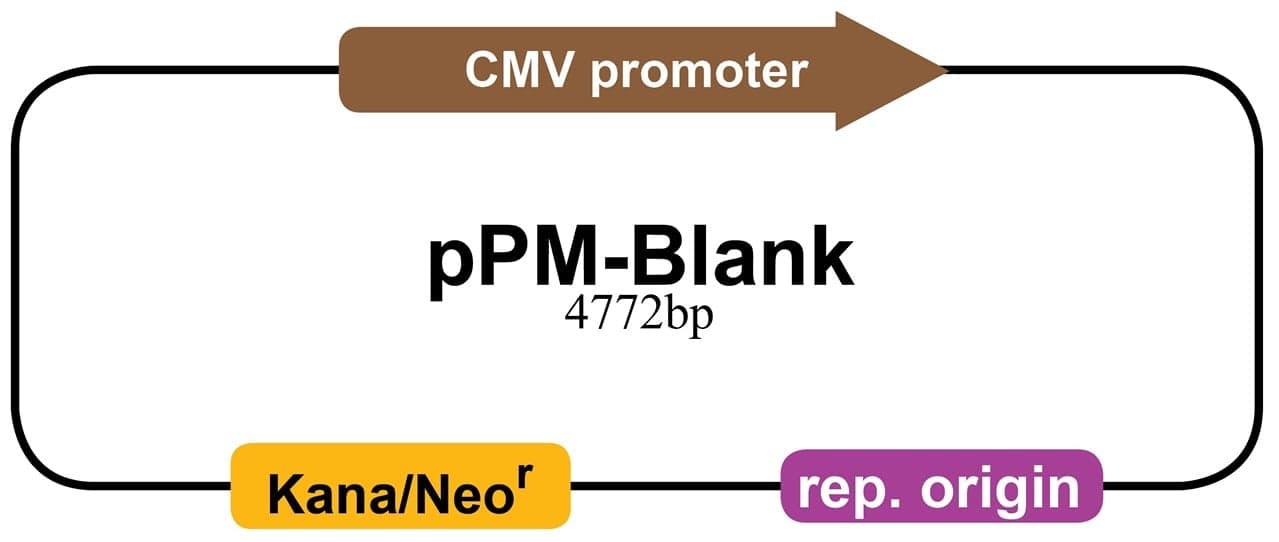
- Blank-Control Protein Vector (PV001): Empty protein expression control vector for use as a baseline control in protein expression experiments.
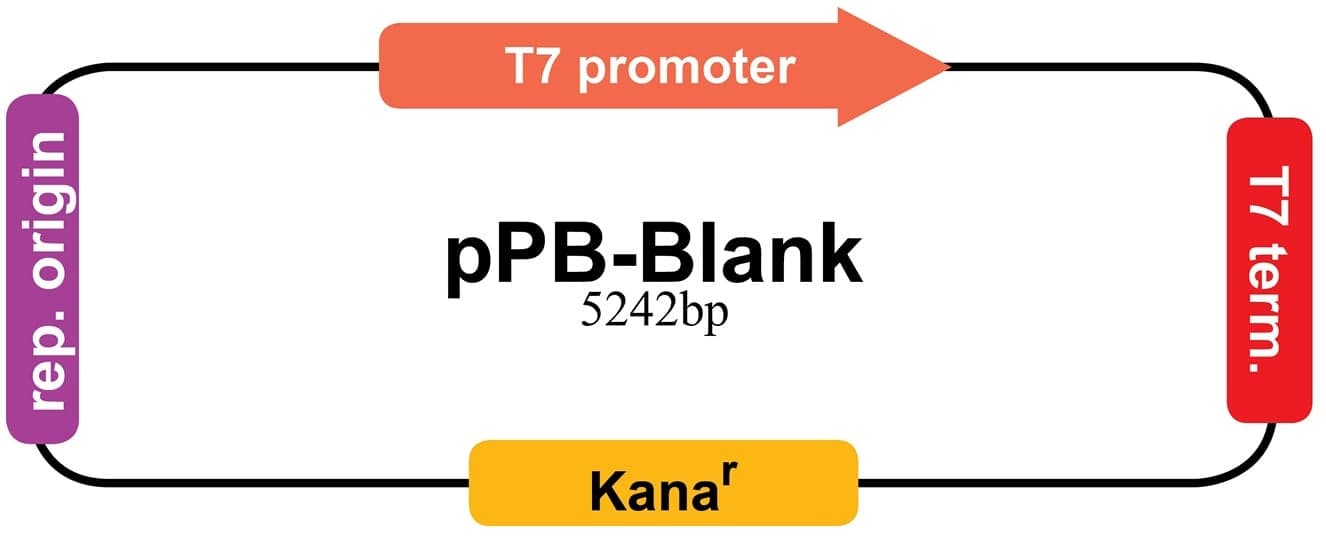
- Blank-Control Protein Vector (PV002): Blank-control expression vector for comparative studies and expression workflow optimisation.
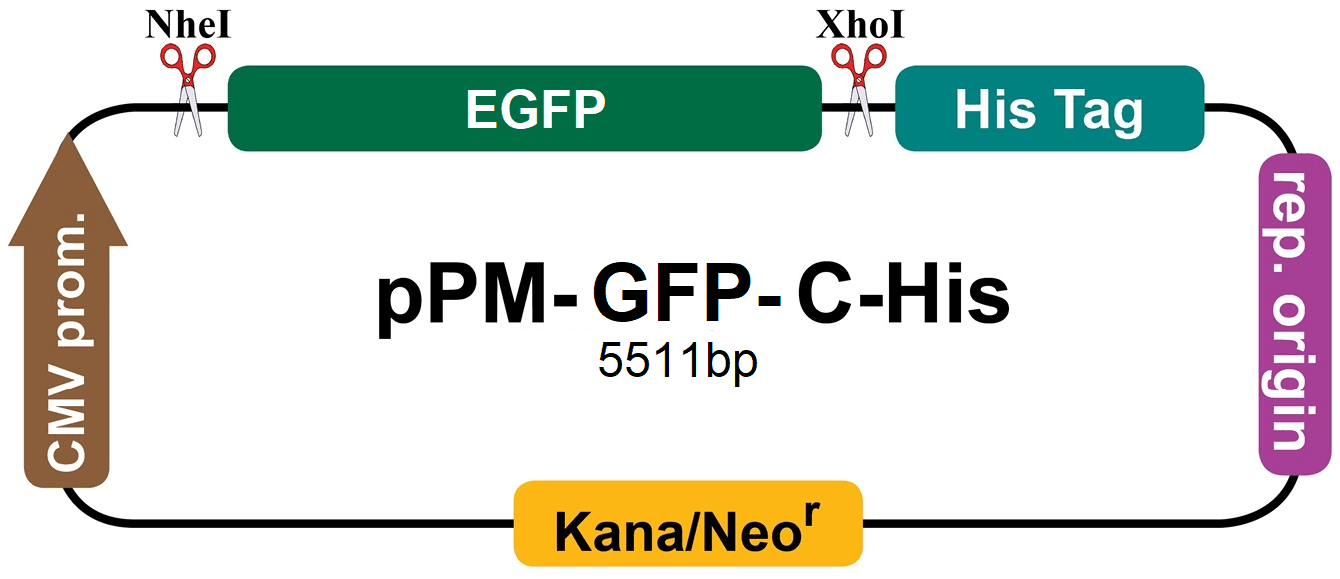
- GFP-Control Protein Vector (PV003): GFP-expressing control vector for monitoring transfection performance and gene expression.
How to Choose Control & Reporter Constructs
Reporter Signal Type
GFP/copGFP (fluorescence) suits transfection efficiency monitoring via FACS or microscopy. Firefly luciferase, Renilla luciferase, and NanoLuc (bioluminescence) suit promoter activity and pathway assays via plate reader. β-galactosidase (LacZ) provides a colorimetric readout.
Empty Vector Matching
An empty vector control uses the same backbone, promoter, and selection marker as the experimental construct, with no gene of interest inserted — establishing the baseline effect of transfection, selection pressure, and promoter activity on cell physiology.
Sensitivity Requirements
NanoLuc (~19 kDa, furimazine substrate) is approximately 150-fold brighter than firefly or Renilla luciferase, useful for low-expression promoter studies and sensitive detection in small cell numbers; its small size also minimises steric interference as a fusion tag.
Dual-Reporter Normalisation
Paired firefly + Renilla luciferase systems allow internal normalisation per well — the Renilla reporter under a constitutive promoter corrects for differences in cell number, transfection efficiency, and lysis variability.
Specifications Context
A matched promoter between reporter and experimental construct ensures the reporter responds to the same transcriptional environment — differences in promoter strength between control and experimental vectors can generate misleading apparent expression differences attributable to the promoter rather than the protein of interest. NanoLuc and firefly luciferase use different substrates (furimazine vs. D-luciferin) and can be measured independently from the same sample, enabling dual-reporter assays even when the Renilla channel is occupied elsewhere. Reporter vectors can be stably integrated by antibiotic selection or lentiviral transduction to generate stable reporter cell lines for monitoring expression systems over time. Promoterless reporter backbone vectors are also available as empty cloning vehicles for inserting custom regulatory sequences. Product availability may vary. Browse the MBP control/reporter catalogue for current product information and availability.
Contact the expert team at MBP today and get high-quality control/reporter vectors for your lab.
FAQ



