Protein Expression Vectors for Recombinant Production
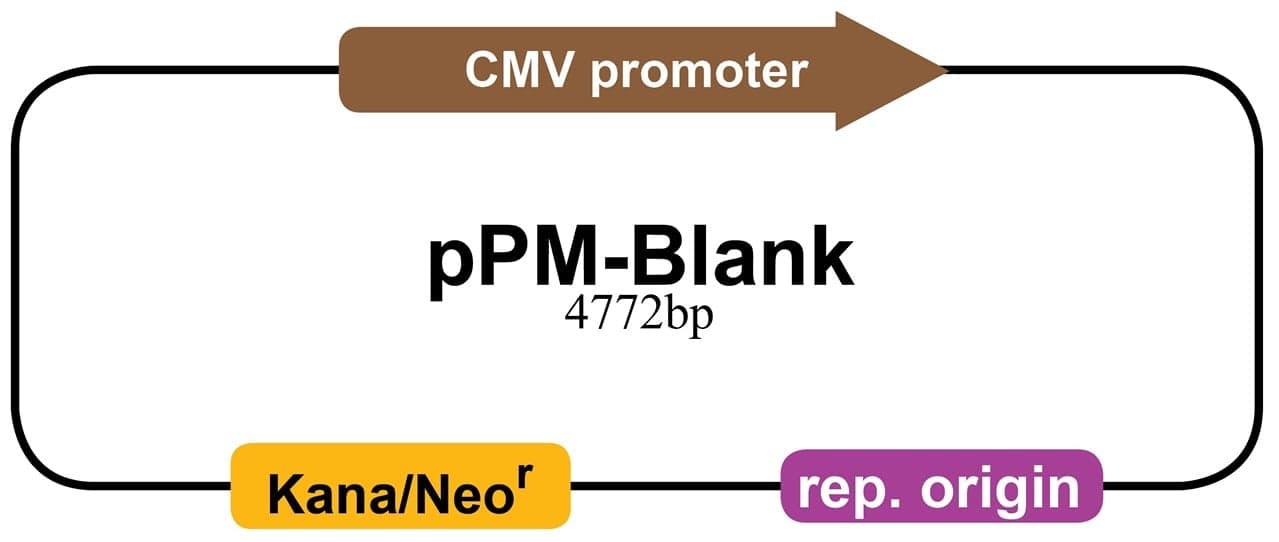
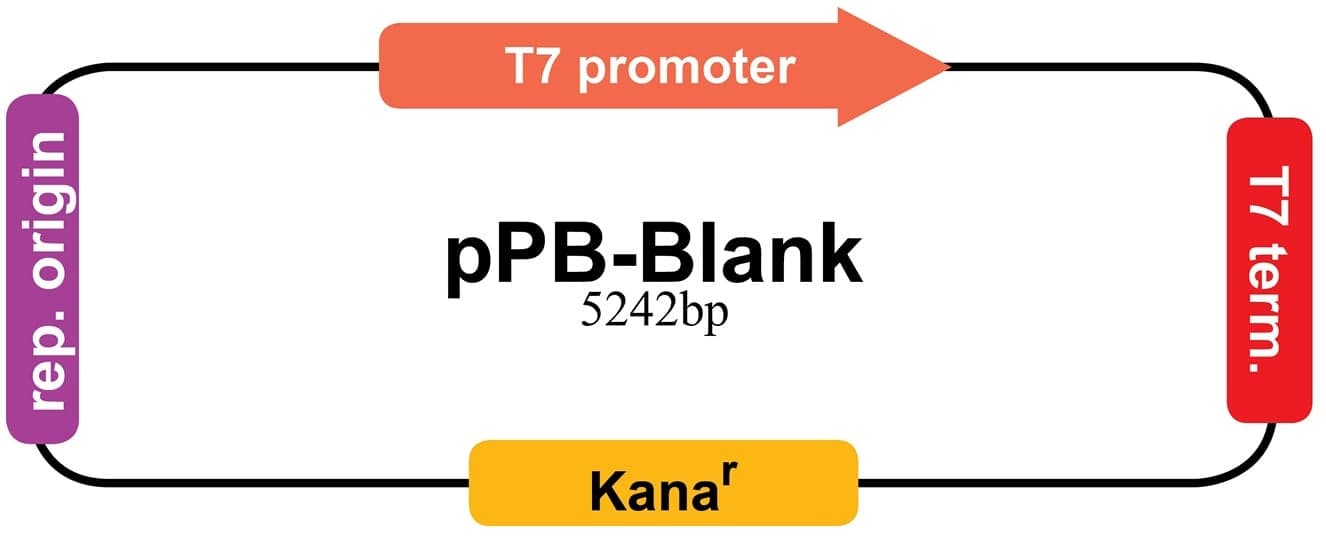
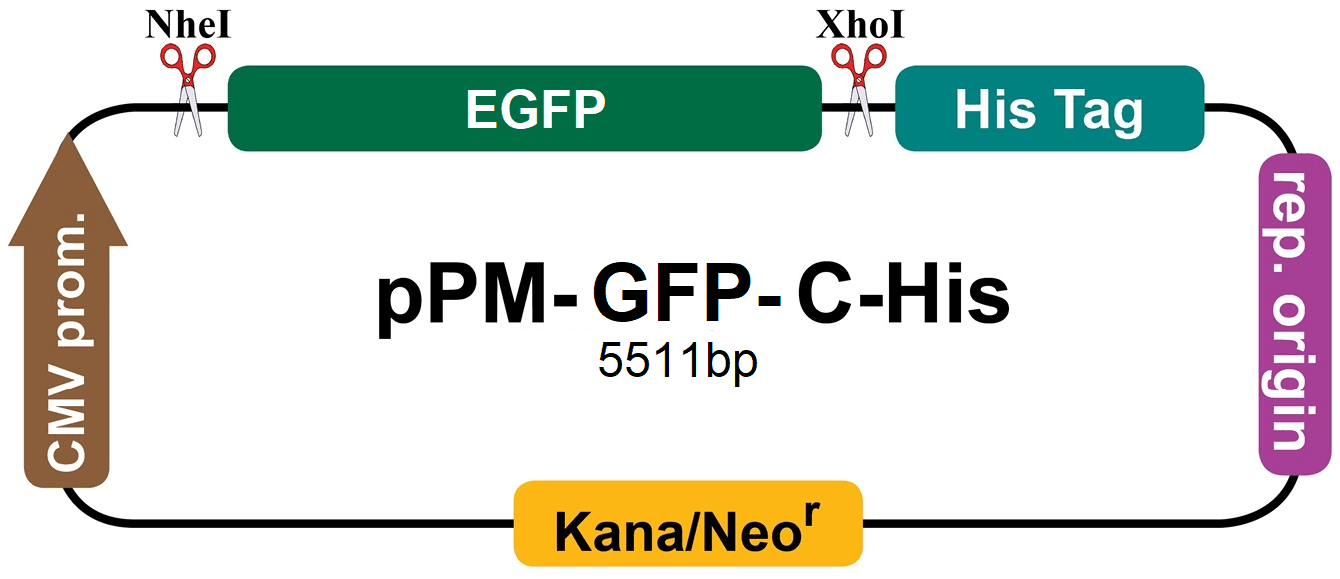
MBP Inc. supplies protein vectors for recombinant protein expression and control-based research applications. Available in blank-control and GFP-control formats, these vectors support construct validation, expression studies, and molecular biology workflows in research laboratories across the USA and Canada.
Whether establishing a new protein expression workflow or evaluating vector performance with appropriate controls, MBP provides reliable tools to support your research objectives. Contact customerservice@mbpinc.net today to request a quote.
Protein Expression/Cell Free Expression Systems
Showing 1 to 3 of 3 results
What Are Protein Expression Vectors?
Recombinant protein production is foundational to biochemistry, structural biology, drug discovery, and antibody development. Selecting the right expression host and vector system determines whether a protein is produced in sufficient yield, with correct folding, and with appropriate post-translational modifications (PTMs) for the intended application. Protein expression outcomes depend on vector design and compatibility. Choose the expression system best suited to your research goals.
What you will find:
Protein over-expression vectors:
- Blank-control protein vectors for baseline controls in protein expression and vector validation studies
- GFP-control protein vectors for monitoring transfection efficiency and reporter expression in cell-based assays
- Control vectors for assay development supporting optimization of protein expression workflows
How to Choose a Protein Expression Vector
Host System
E. coli (pET vectors) deliver fast (24–48h), high-yield expression with no PTMs — suited for simple proteins, antigens, and enzymes. Mammalian (HEK293/CHO) systems take days to weeks but provide full human PTMs for glycoproteins and therapeutic proteins. Insect (baculovirus) systems suit large complexes; yeast (Pichia) suits secreted, high-yield proteins.
Promoter and Induction
The pET system uses the bacteriophage T7 promoter, initiated by IPTG-induced T7 RNA polymerase in BL21(DE3) cells — under full induction, recombinant protein can comprise up to 50% of total cellular protein within hours. Mammalian vectors use constitutive CMV or EF1α promoters.
Affinity Tag Selection
His6 (IMAC purification) is the most widely used due to simplicity and small size. GST and MBP tags improve the solubility of poorly soluble proteins. FLAG/DDK enables co-immunoprecipitation. TEV, thrombin, or factor Xa cleavage sites allow tag removal after purification.
Cloning Compatibility
Gateway cloning (site-specific recombination, attB × attP → attL × attR) transfers ORFs from entry vectors into multiple destination expression vectors without restriction enzymes — useful for parallel expression testing across host systems.
Application Requirements
For structural biology, HEK293-derived GnTI⁻ cells expressing uniform, minimal N-glycans are often preferred. For physiological glycosylation, standard HEK293 or CHO is appropriate. For high-throughput screening prioritising speed, E. coli pET delivers the fastest results.
Specifications Context
HEK293 cells are widely used for transient recombinant protein expression due to their high transfection efficiency, ability to support human-like post-translational modifications, and suitability for the production of secreted and membrane proteins. CHO-derived cell lines are commonly used for stable, large-scale protein production in biopharmaceutical applications. Codon-optimised gene inserts for the target host (E. coli, mammalian, or insect systems) can enhance expression efficiency and protein yield, particularly when expressing heterologous genes across species boundaries. Product availability is based on the MBP catalogue as of mid-2026.
Contact the expert team at MBP and get suitable protein vectors for your lab today.
FAQ



