Lentivirus Products: Vectors, Particles, and Expression Kits
MBP Inc. supplies a full range of lentivirus products — ORF expression vectors and particles, shRNA knockdown constructs, packaging plasmid sets, and inducible expression systems — for stable gene delivery into dividing and non-dividing mammalian cells.
Sourced from trusted partners, including ABM (Applied Biological Materials), our lentiviral catalogue serves academic and biotech research labs across the USA and Canada. Request a quote today by contacting customerservice@mbpinc.net
Lentiviral Expression Systems
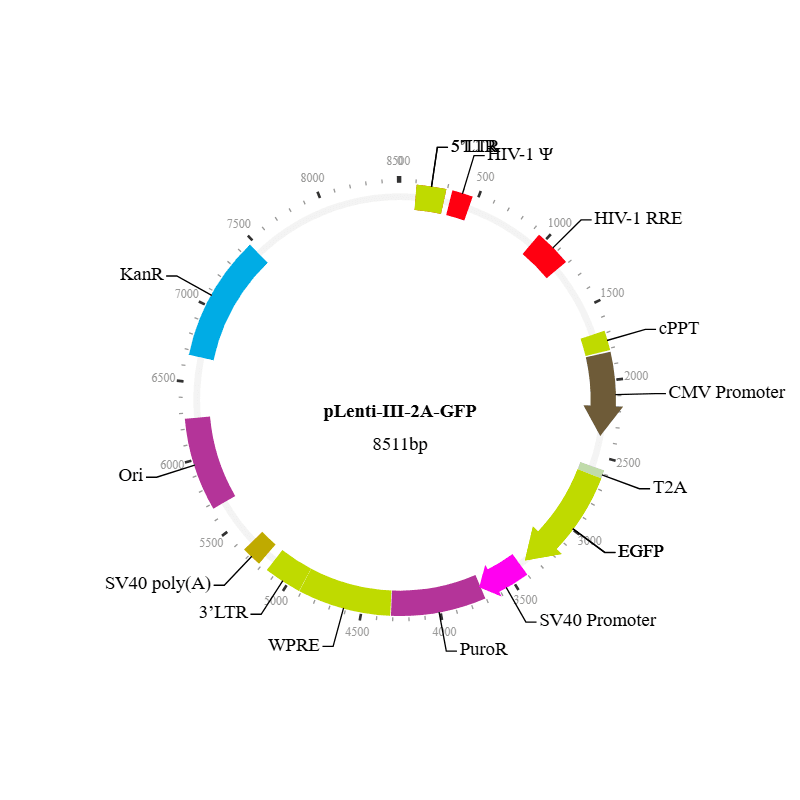
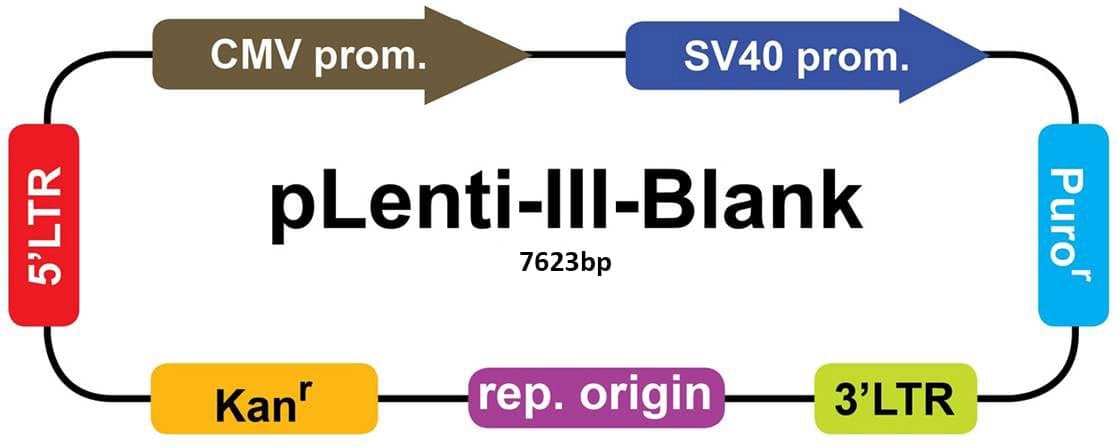

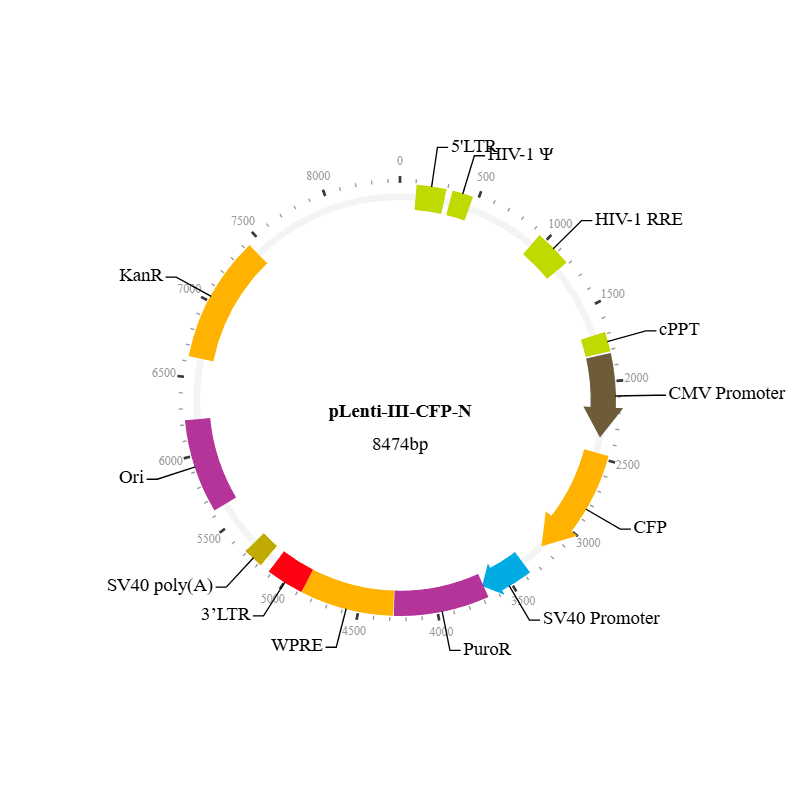
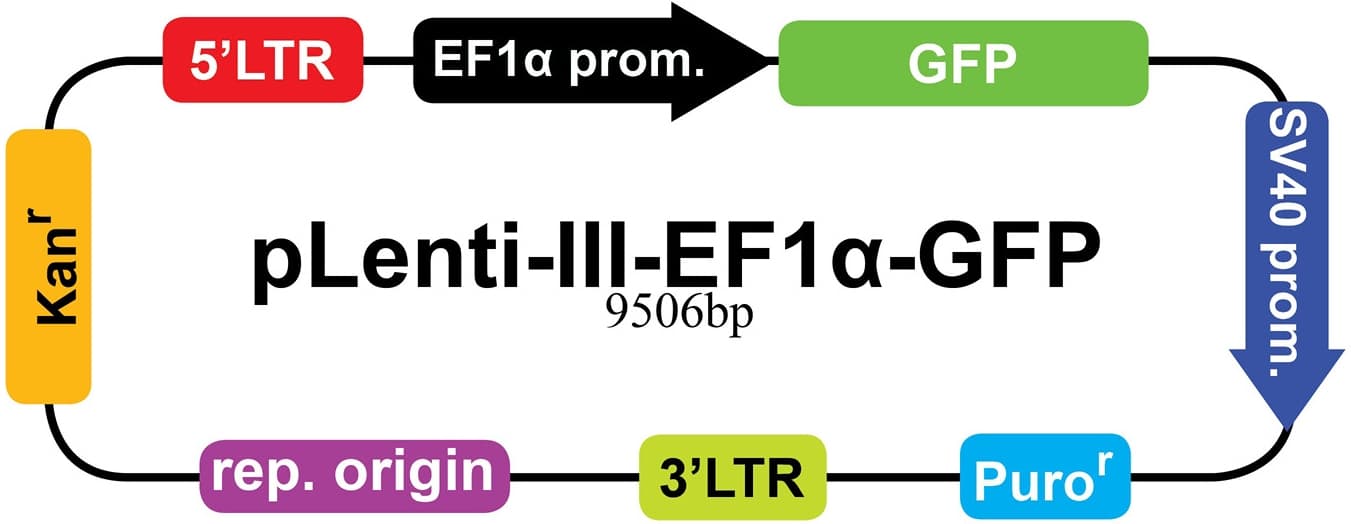
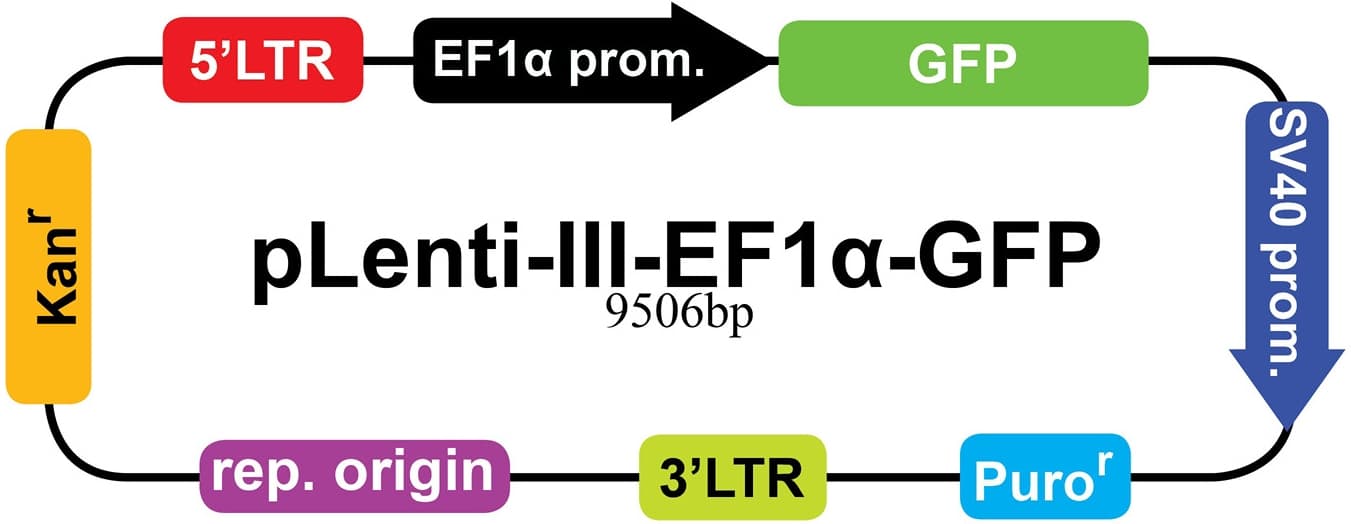
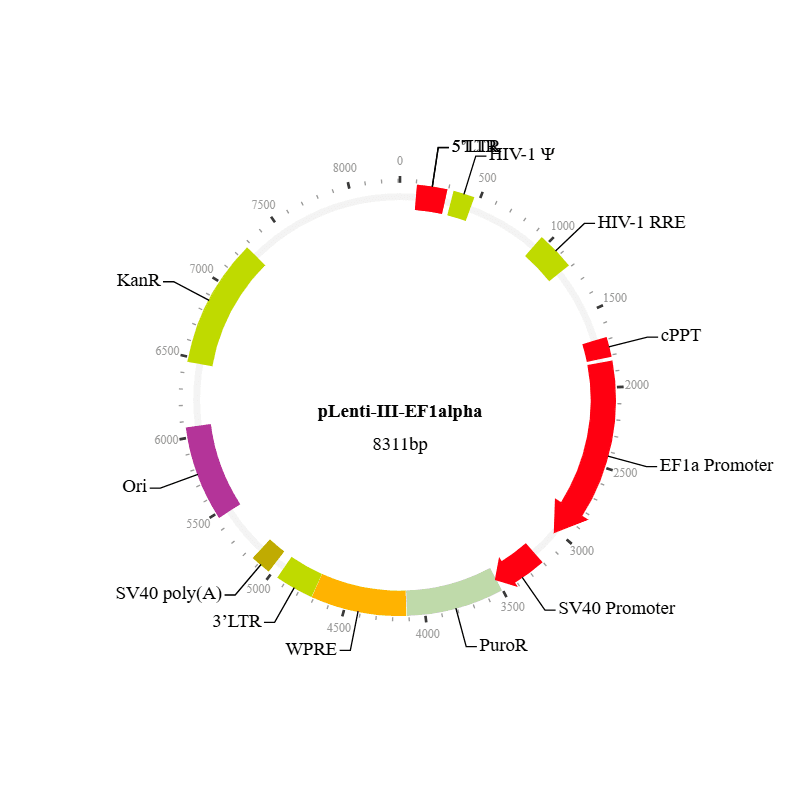
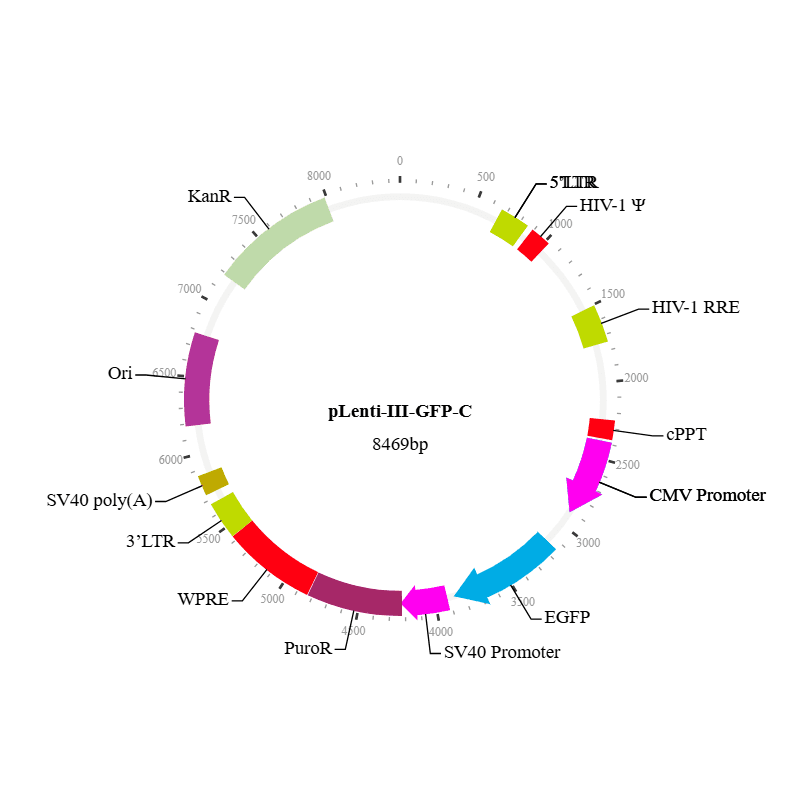
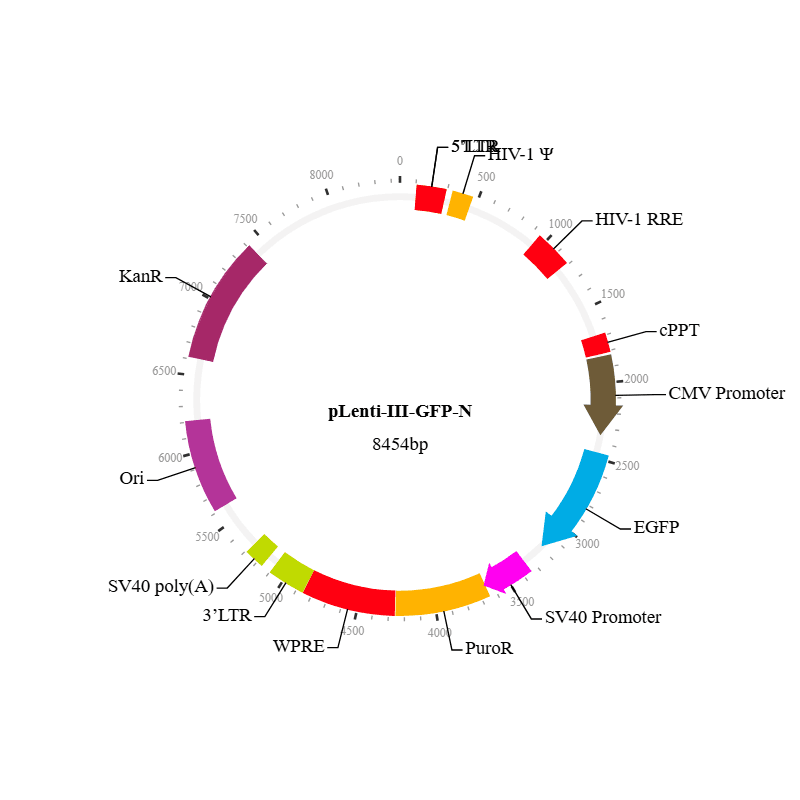
Showing 61 to 72 of 152 results
What Are Lentivirus Products?
Lentiviral vectors introduce genes permanently into mammalian cells. Derived from HIV-1 and extensively modified for safety and performance, modern lentiviral systems transduce a uniquely broad cell range — including post-mitotic neurons, hepatocytes, primary immune cells, and stem cells — making them indispensable for research requiring stable, heritable gene expression. Lentiviral systems support stable gene delivery and long-term expression. Choose the vector format best suited to your experimental design.
What you will find:
- Over-Expression Systems: for functional studies and long-term gene expression, including miRNA/siRNA control constructs, Cre-inducible (DIO) expression vectors, control/reporter systems, and CRISPR controls.
- Cloning Vectors: for recombinant gene expression and construction, including promoterless systems, fluorescent reporters, tagged expression vectors, and luciferase reporters.
- Purification and Packaging Kits: include 2nd and 3rd-generation packaging systems, titering kits, transduction enhancers, and purification systems for enhanced viral production and workflow support.
How to Choose Lentivirus Products
Product Type
ORF over-expression constructs deliver a gene-of-interest in a lentiviral backbone, available as a plasmid or pre-packaged virus. shRNA knockdown particles silence target genes. Packaging plasmid sets supply helper functions for in-house virus production. Empty vector controls carry only the selection marker.
Plasmid vs. Pre-Packaged Particles
Lentiviral plasmid DNA is used to produce viral particles in-house via packaging cell transfection. Pre-packaged lentiviral particles are ready-to-use viral stocks added directly to target cells, saving the 48–72-hour virus production step.
MOI Optimisation
For most mammalian cell lines, MOIs of 0.5–10 are typical; for neurons and other refractory cell types, MOIs of 50–100 are common. A kill curve with the selection antibiotic should be run before beginning transduction experiments.
Tag Format
ABM's lentiviral ORF collection covers 35,000+ human, mouse, and rat ORFs in tagged (DDK/FLAG, GFP, RFP) and untagged formats, with validated 4-construct shRNA sets per target gene.
Biosafety Requirements
All lentiviral work requires institutional biosafety committee (IBC) approval before commencing. Third-generation packaging systems are designed for BSL-2 containment, though specific requirements vary by institution.
Specifications Context
A lentiviral vector is first assembled as a plasmid in E. coli; for virus production, the transfer plasmid is co-transfected into packaging cells (typically HEK293T) with helper plasmids encoding viral structural and envelope proteins. Viral particles are harvested from supernatant and used to transduce target cells at an optimised MOI. At MOIs below 1, most transduced cells receive a single integration event, enabling stable clonal expansion. Stable lentiviral transduction underpins longitudinal phenotypic assays, multi-passage drug sensitivity screens, and reporter cell line generation for high-content imaging. Because integration is permanent, validating transduced clones early -- before committing to long-term experiments -- helps avoid downstream surprises from silenced or partially integrated constructs. Product availability reflects MBP's catalogue as of mid-2026.
Contact the expert team of MBP and get downstream-ready lentivirus systems for your lab today.
FAQ



