Lentiviral Cloning Vectors and Transfer Plasmids for Labs
MBP Inc. supplies a comprehensive portfolio of lentiviral cloning vectors from ABM for gene expression, reporter-based studies, miRNA research, and custom construct development. Featuring a range of promoter configurations, fluorescent and luminescent reporters, epitope-tagged formats, multicistronic designs, and selectable marker options, these vectors provide flexible solutions for lentivirus-based molecular biology and cell engineering workflows.
Available to research laboratories across the USA and Canada, MBP's lentiviral cloning vector portfolio supports efficient construct design and downstream viral vector development. Contact customerservice@mbpinc.net to request a quote today!
Cloning Vectors

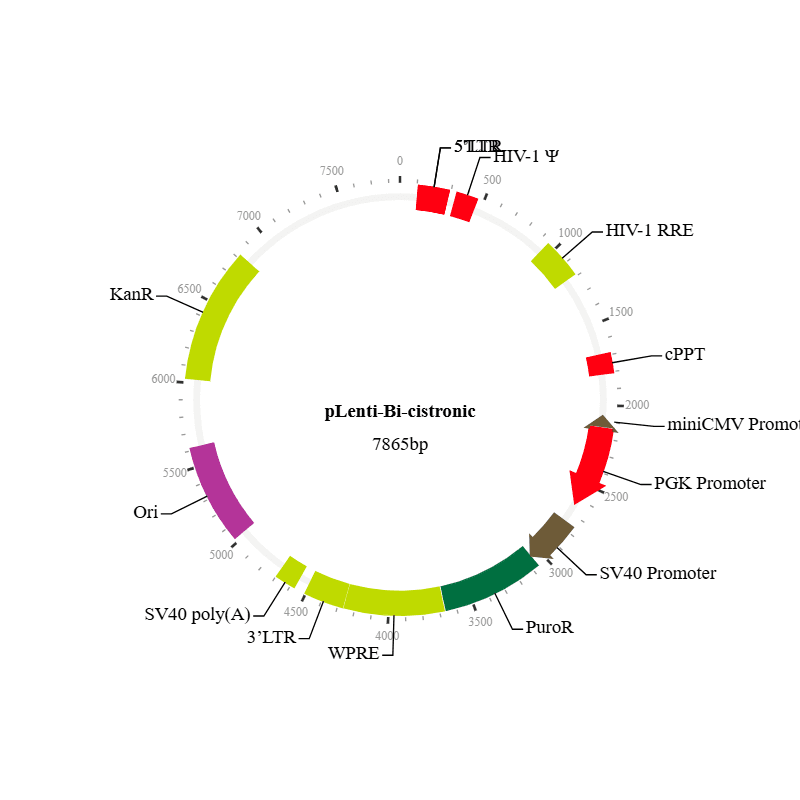
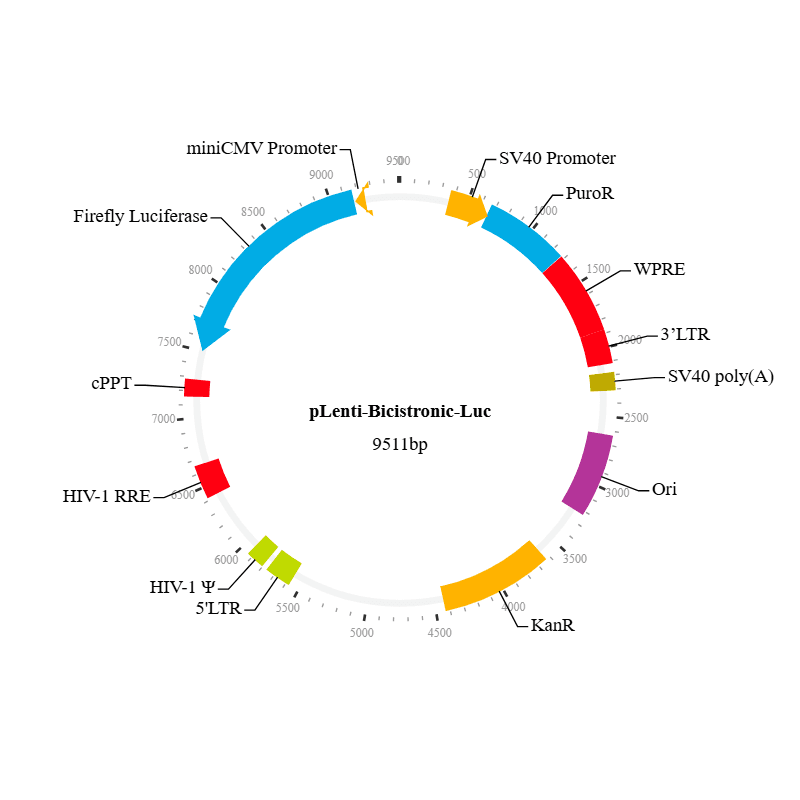

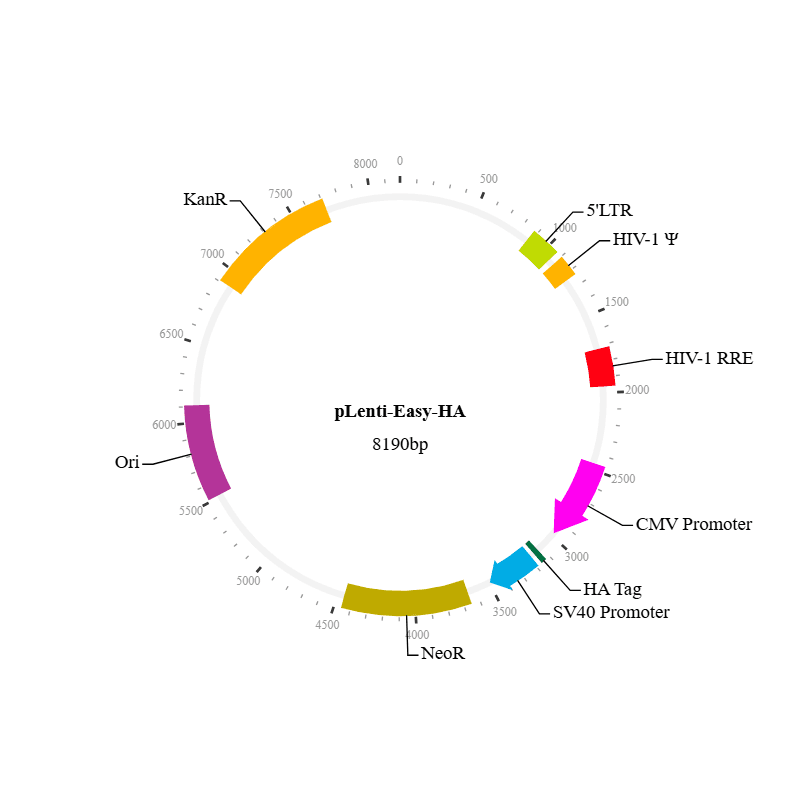
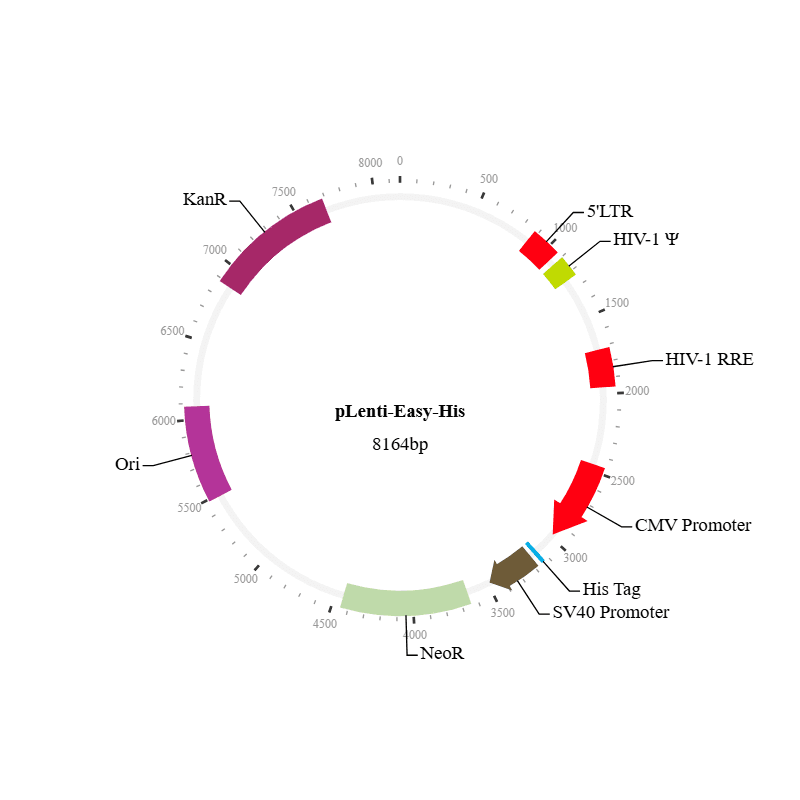
Showing 1 to 12 of 29 results
What Are Lentiviral Cloning Vectors?
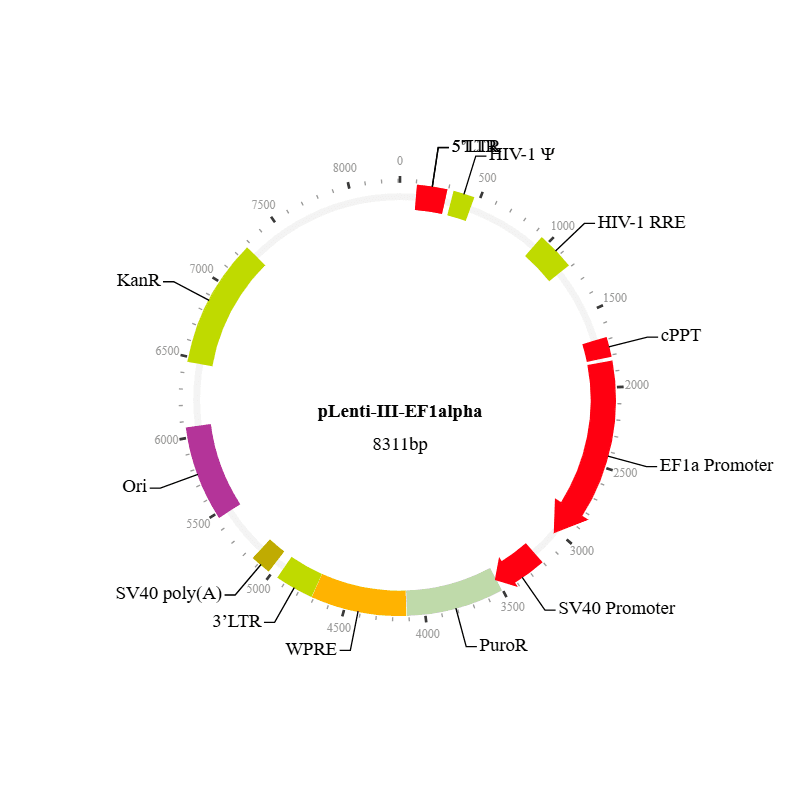
The transfer plasmid is the heart of every lentiviral construct — it defines the transgene cargo, promoter driving expression, selection marker, and structural LTR elements that enable stable genomic integration. Selecting the right cloning vector backbone is the first and most consequential decision in any lentiviral project.
What you will find:
- Expression vectors featuring CMV, EF1α, PGK, and UbC promoter configurations for transgene expression studies
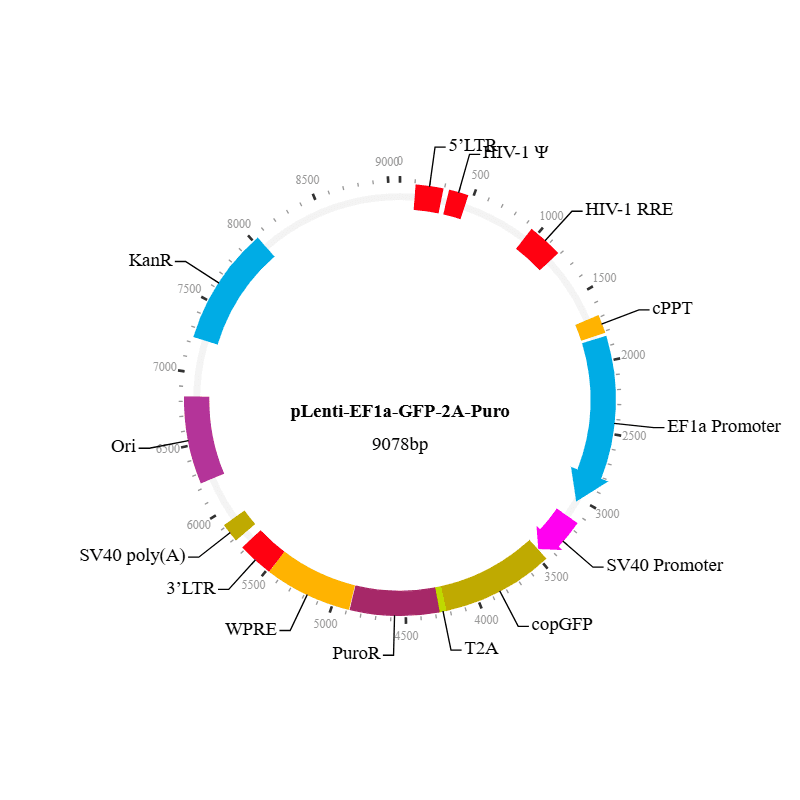
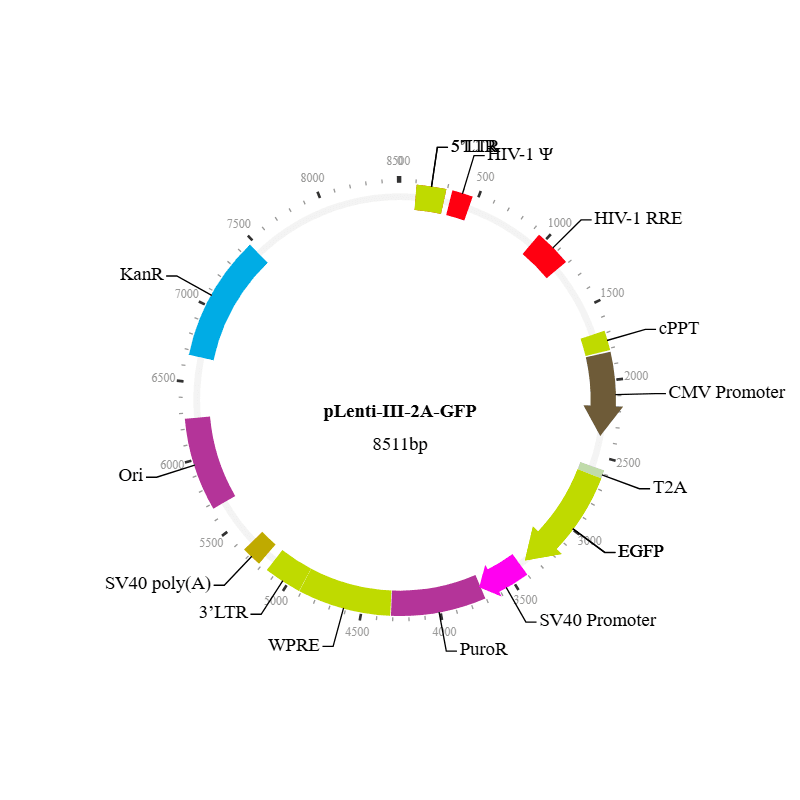
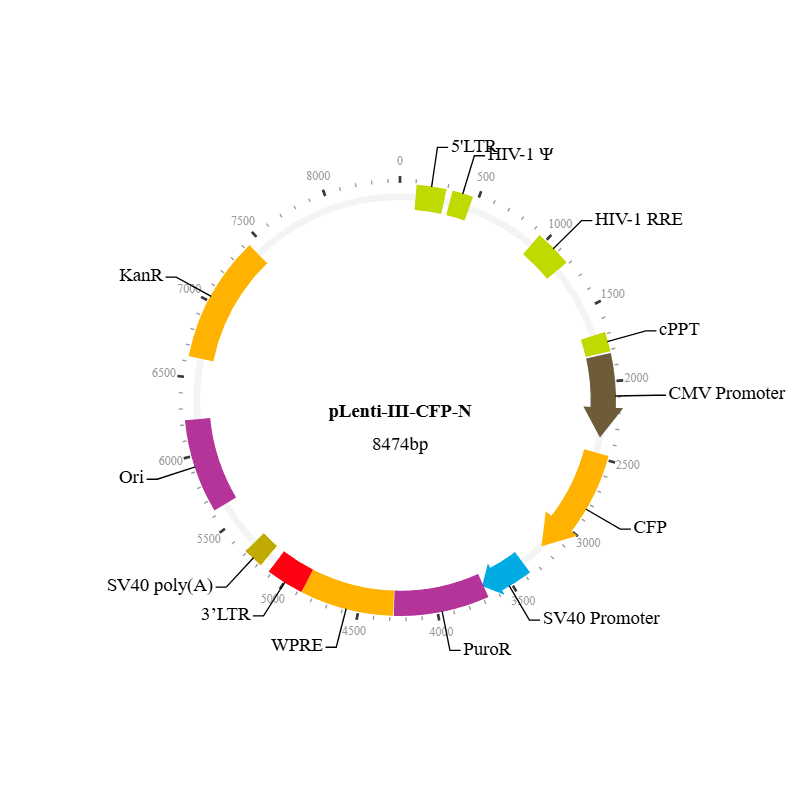
- Fluorescent reporter vectors incorporating GFP, RFP, and CFP for cell tracking and visualization
- Promoterless vectors for promoter characterization and regulatory element analysis
- HA-tag and His-tag expression vectors for protein detection and purification workflows
- Bicistronic and tricistronic vector systems for multi-gene expression applications
- miRNA- and siRNA-compatible cloning vectors for RNA interference studies
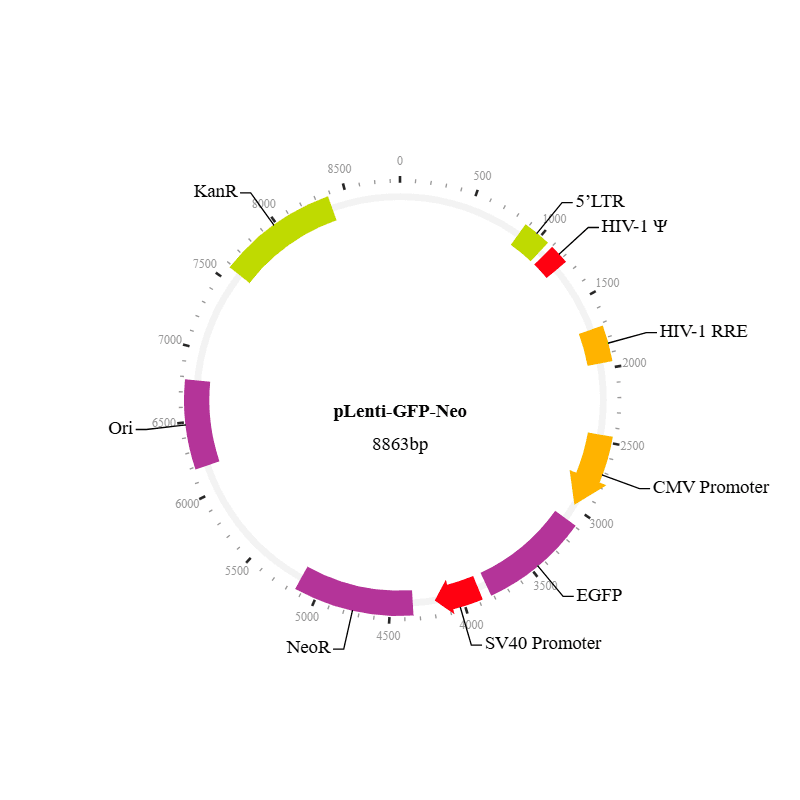
- Functional vectors including selectable-marker and HSVtk-based constructs for specialized research applications
How to Choose a Lentiviral Cloning Vector
Vector Design
Expression vectors, reporter vectors, promoterless systems, tagged constructs, and multicistronic backbones are designed for different experimental objectives. Vector selection should be guided by the intended application, transgene design, and downstream analysis requirements.
Promoter Selection
Promoters influence the strength and pattern of transgene expression. Available vector configurations include CMV, EF1α, PGK, and UbC promoters, as well as promoterless backbones for studies focused on promoter activity and regulatory elements.
Reporter Requirements
Fluorescent reporters such as GFP, RFP, and CFP enable visualization of transduced cells, monitoring of expression, and assessment of transduction efficiency. Reporter selection should align with the imaging platform and experimental workflow.
Expression Configuration
Single-gene, bicistronic, and tricistronic vector designs provide different levels of flexibility for co-expression studies. Multi-cassette systems can simplify experiments requiring coordinated expression of multiple genes or reporter elements.
Insert Size Considerations
Lentiviral vectors can accommodate relatively large expression cassettes compared with several other viral delivery systems. However, larger inserts may reduce viral production efficiency and should be evaluated during vector design and validation.
Specifications Context
Modern research lentiviral vectors are commonly designed with self-inactivating (SIN) long terminal repeats (LTRs), an important biosafety feature that reduces promoter activity within the integrated viral LTR following transduction. Many lentiviral vector systems also incorporate regulatory elements that support efficient transgene expression and vector performance. Vector architecture, promoter selection, reporter configuration, and insert size can all influence downstream cloning, viral production, and expression outcomes. Product availability reflects MBP's catalogue as of mid-2026.
The search for reliable lentiviral cloning vectors is over. Contact the expert team at MBP and find the perfect match today.
FAQ



