AAV Adeno-Associated Virus Vectors and Reagents for Labs
MBP Inc. supplies adeno-associated virus (AAV) vectors and related research tools, including serotype-diverse AAV constructs (AAV1–AAV11), CRISPR AAV systems, scrambled and blank control viruses, reporter vectors such as GFP- and luciferase-based constructs, and AAV packaging mix reagents for gene delivery research across the USA and Canada.
All products are intended for research use only and are selected to support reproducible AAV-based experimental design across a range of molecular and cellular applications. For product selection guidance or compatibility questions, contact customerservice@mbpinc.net to request a quote.
AAV Expression Systems
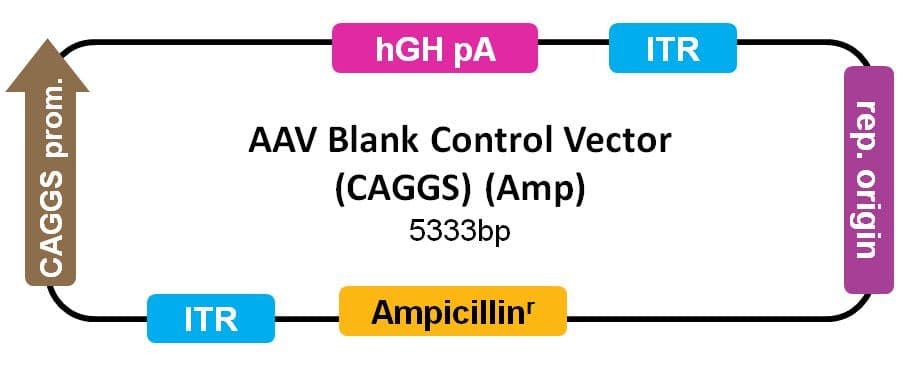
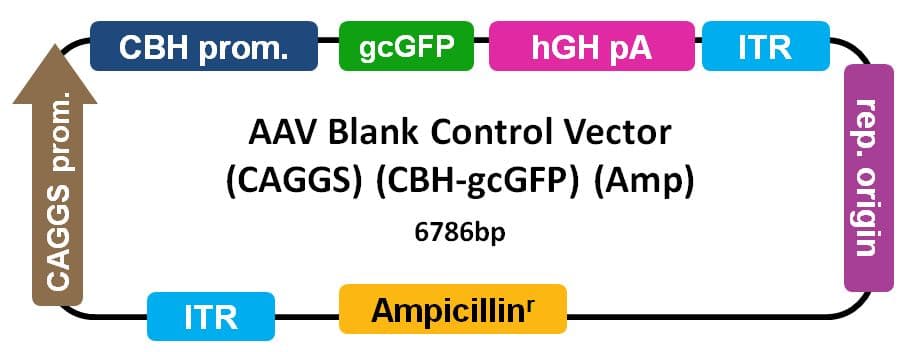
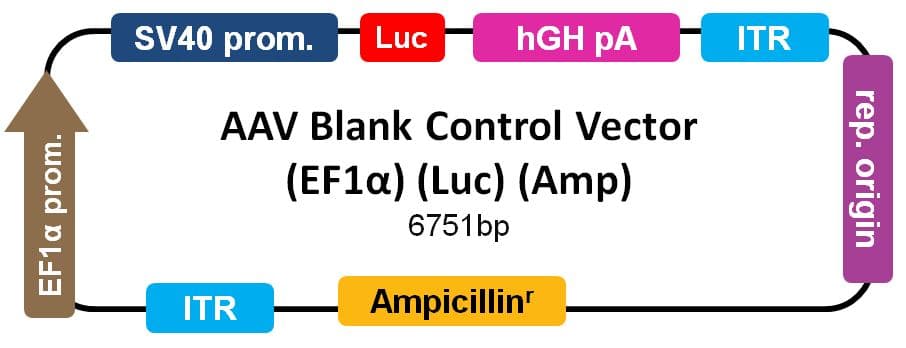
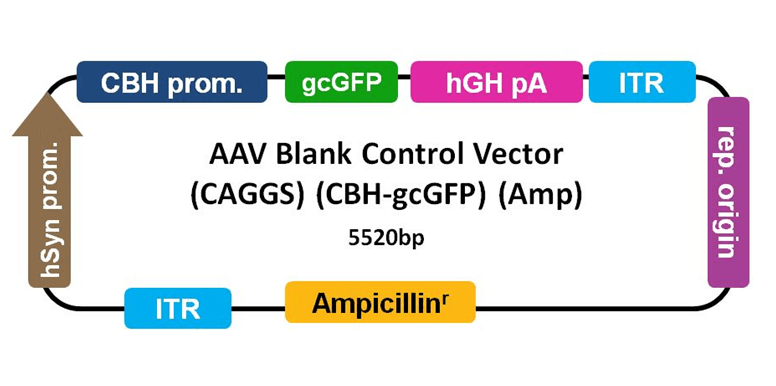
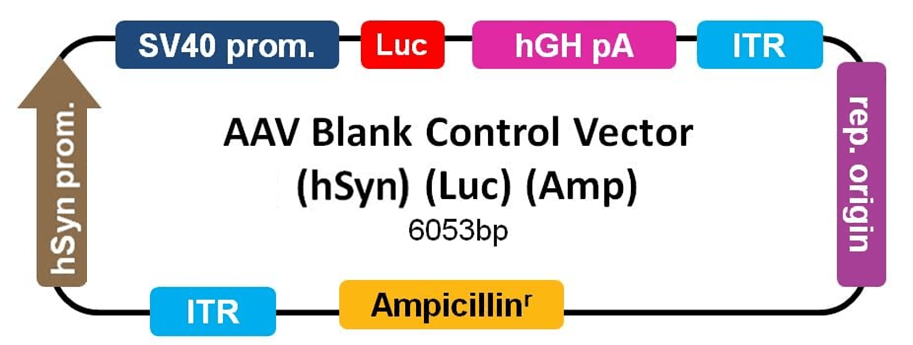
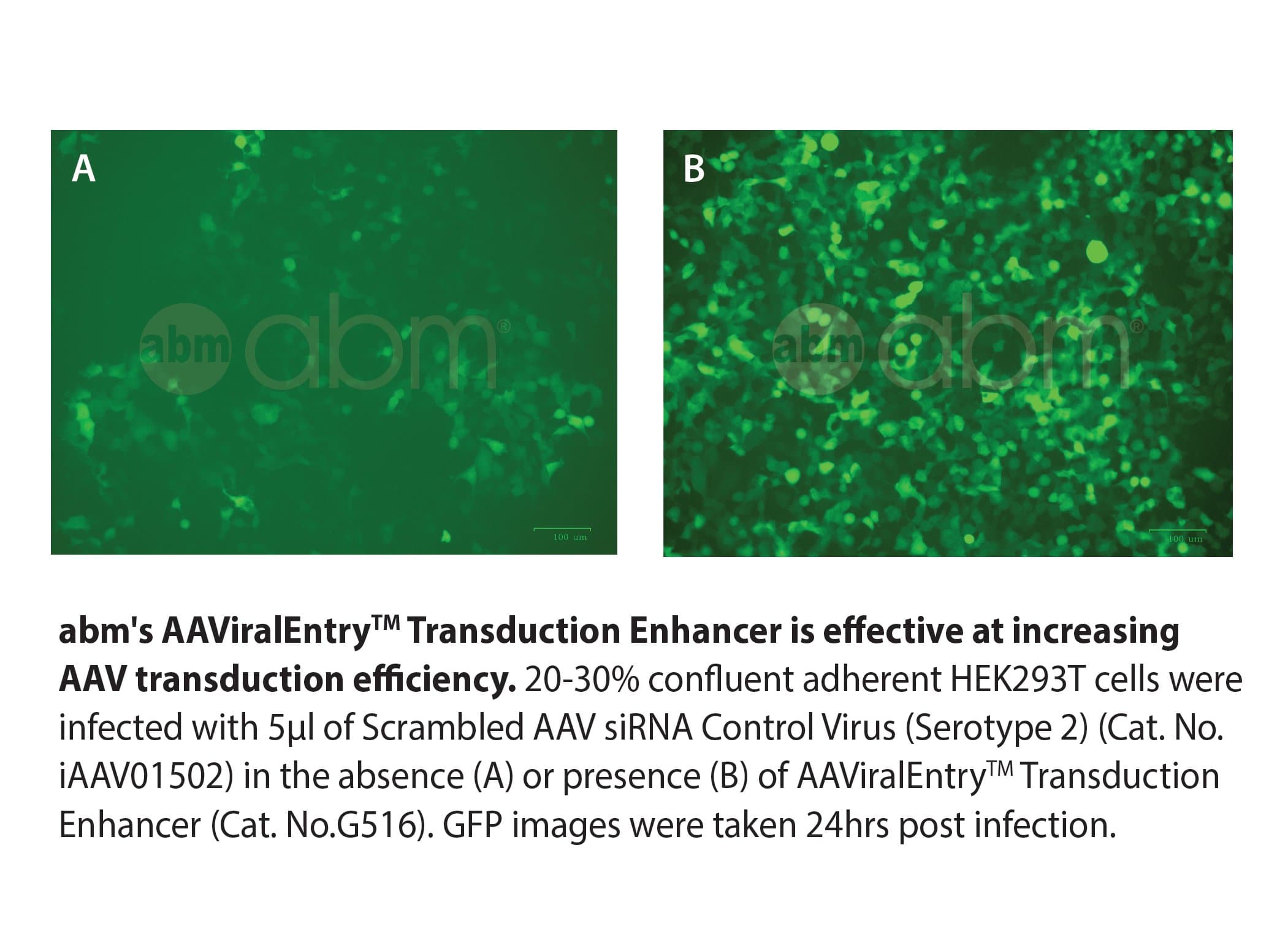
Showing 49 to 60 of 125 results
What Are AAV Vectors?
Adeno-associated virus (AAV) has emerged as the dominant vector for in vivo gene delivery in both pre-clinical research and clinical gene therapy. A non-enveloped, single-stranded DNA parvovirus with a 4.7 kb genome, AAV is non-pathogenic in humans, transduces a broad range of cell types, and provides long-lasting transgene expression with minimal immunogenicity.
What you will find:
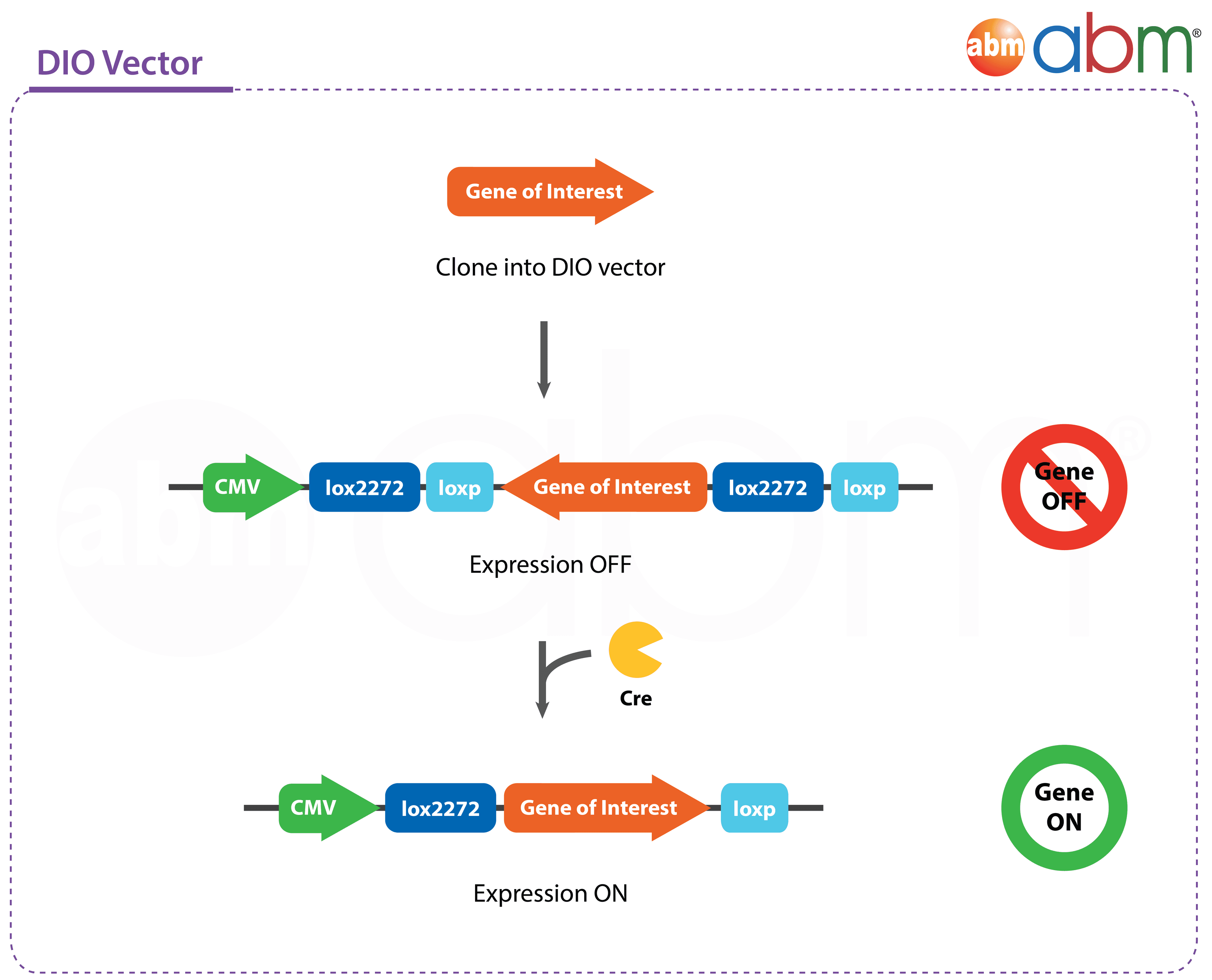
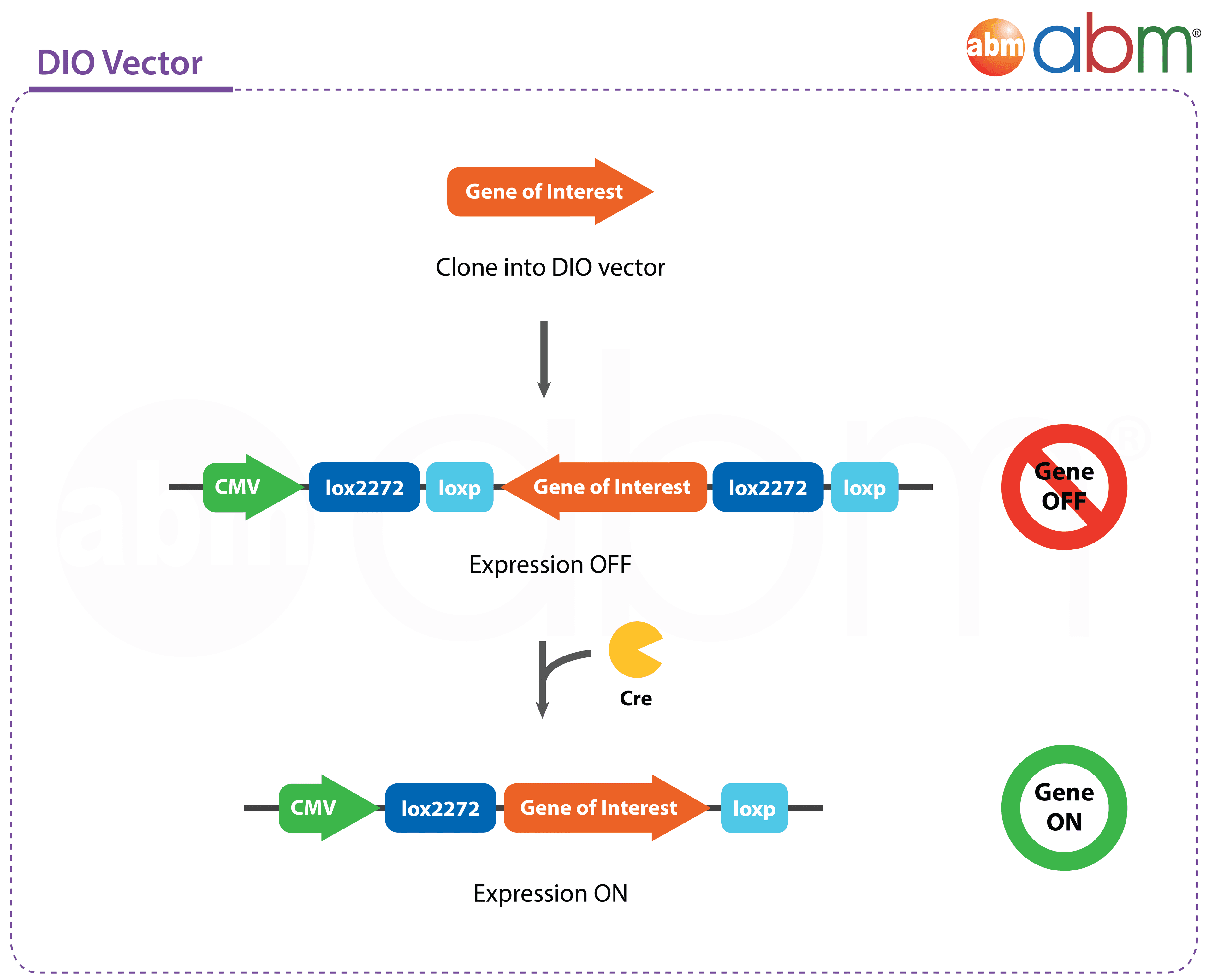
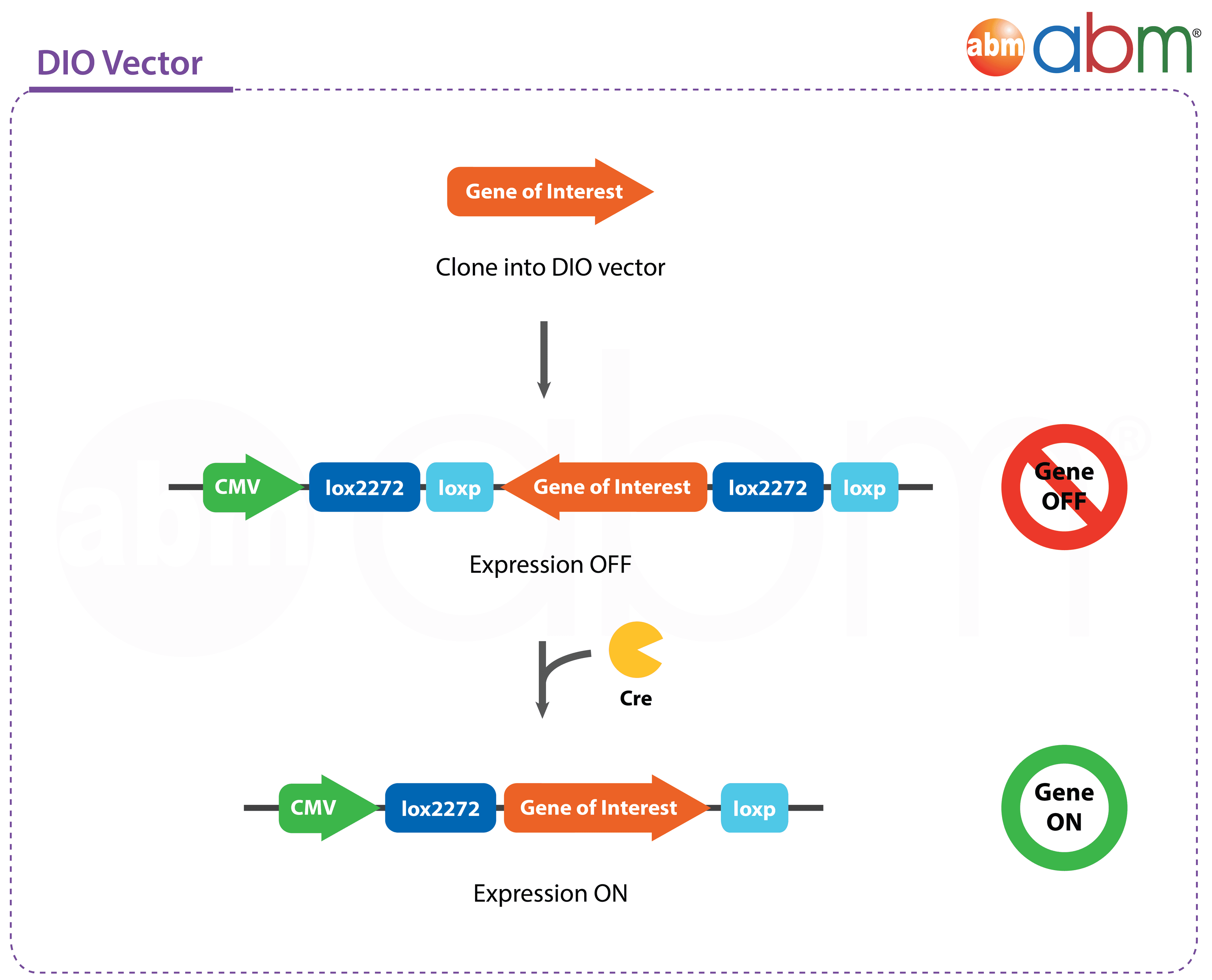
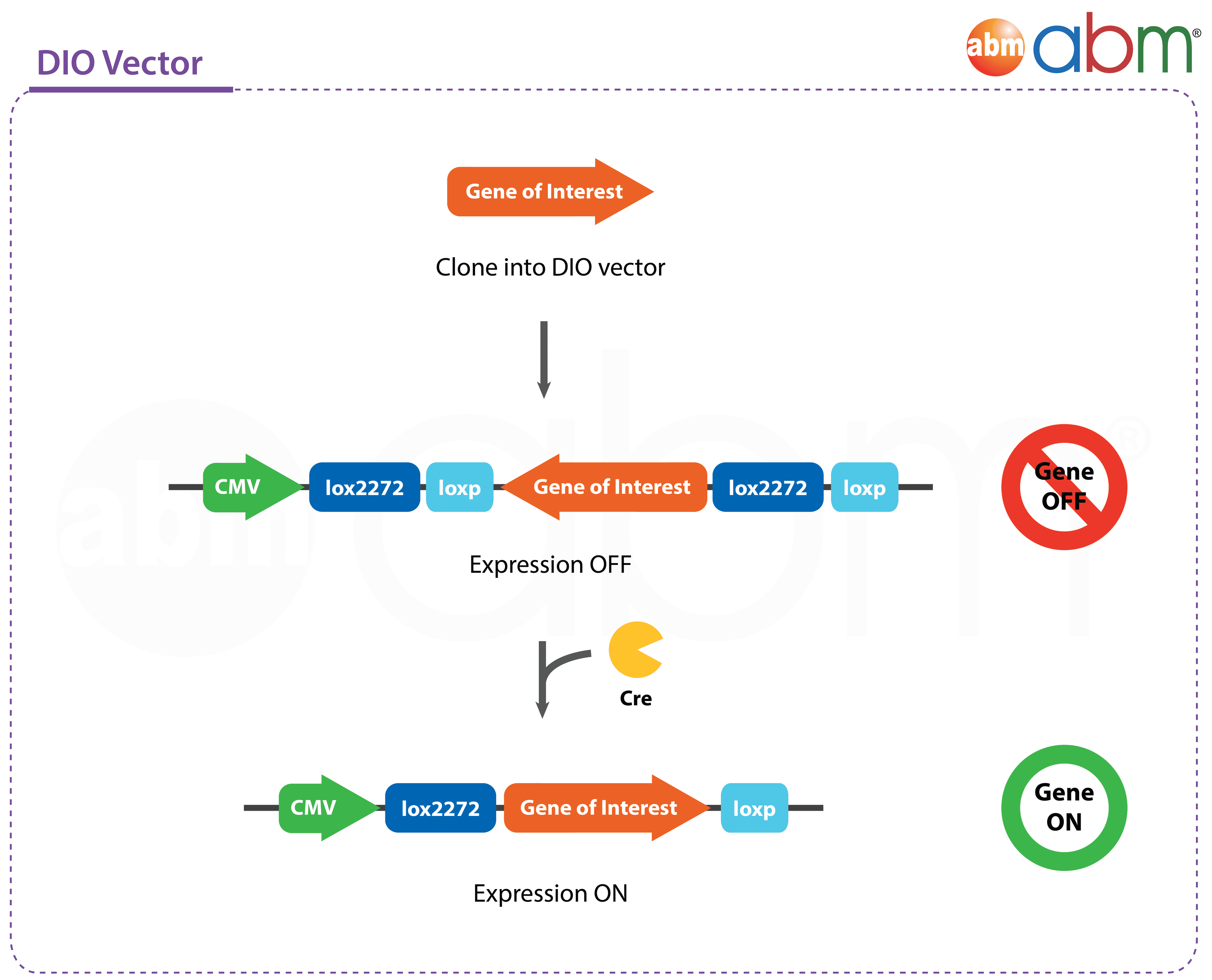
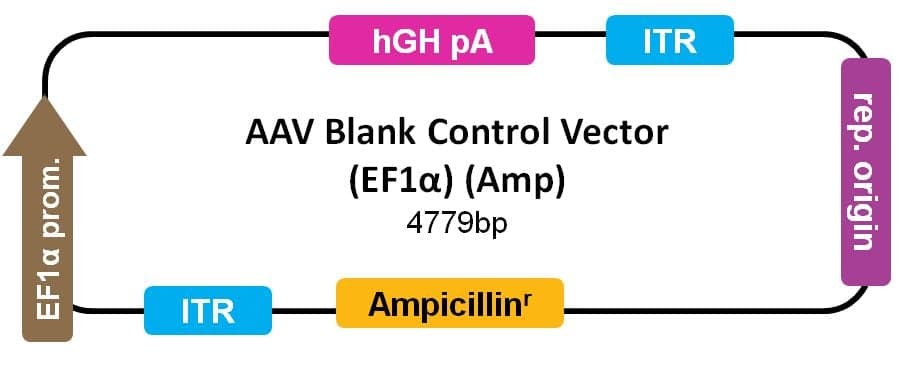
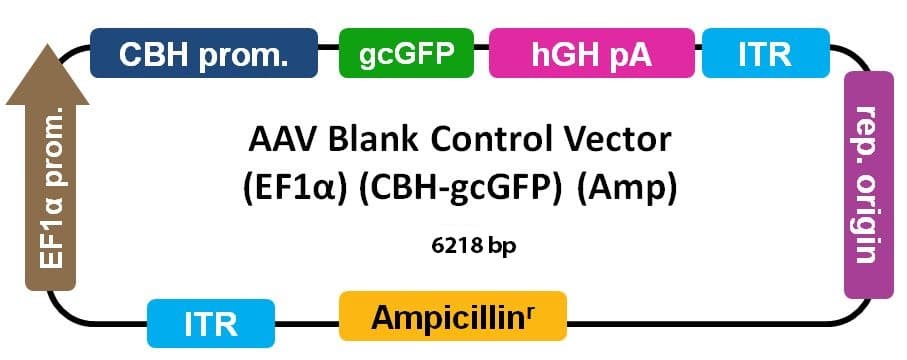
- Over-Expression AAV Vectors: Control and reporter vectors, Cre-inducible (DIO) expression systems, control vectors of miRNA, siRNA, and CRISPR/Cas9 for gene expression control, validation, and pathway analysis.
- Purification & Packaging Kits: for diverse serotypes (1–6), high-titer serotype kits, serotype-specific packaging, transduction enhancers for enhanced delivery efficiency and consistent production of viral vectors.
How to Choose an AAV Vector System
Serotype Selection
Different AAV serotypes provide distinct tissue tropisms — common choices include serotypes optimised for liver (AAV8), CNS (AAV9), retina (AAV2, AAV5), and muscle (AAV1, AAV6). Selecting the right serotype for your target tissue is the most consequential decision in an AAV project.
Packaging Capacity
The ~4.7 kb AAV genome limits the size of transgene cassettes — this is a key constraint for over-expression constructs and especially for CRISPR/Cas9 cargo, which may require compact Cas9 orthologues or split-vector strategies.
Purification Method
Iodixanol gradient purification systems and precipitation-filtration kits eliminate the need for ultracentrifugation, making research-grade rAAV production accessible without specialised equipment.
Helper-Free Packaging
Helper-free triple-transfection packaging plasmid sets produce recombinant AAV particles without requiring co-infection with a replication-competent helper adenovirus, simplifying production and improving BSL-2 safety.
Application: In Vitro vs. In Vivo
AAV is widely used in pre-clinical in vivo gene editing and gene therapy studies, as well as in vitro for non-dividing or hard-to-transfect cell types such as primary neurons.
Specifications Context
Helper-free AAV production is commonly performed using a triple-plasmid transfection system consisting of a transgene plasmid flanked by AAV ITRs, a rep/cap plasmid providing serotype-specific Rep and capsid proteins (VP1–VP3), and a helper plasmid supplying adenoviral functions in trans. MBP supplies AAV research tools, including serotype-diverse AAV constructs (1–11), CRISPR AAV systems, scrambled and blank control viruses, reporter vectors, and AAV packaging mix reagents that support AAV-based gene delivery workflows in research applications. Product availability reflects MBP's catalogue as of mid-2026.
Contact the expert team of MBP today and book reliable AAV vectors for your lab.
FAQ



