Product Filters

AAV Adeno-Associated Virus Vectors and Reagents for Labs


MBP Inc. supplies adeno-associated virus (AAV) vectors and related research tools, including serotype-diverse AAV constructs (AAV1–AAV11), CRISPR AAV systems, scrambled and blank control viruses, reporter vectors such as GFP- and luciferase-based constructs, and AAV packaging mix reagents for gene delivery research across the USA and Canada.

All products are intended for research use only and are selected to support reproducible AAV-based experimental design across a range of molecular and cellular applications. For product selection guidance or compatibility questions, contact customerservice@mbpinc.net to request a quote.

AAV Expression Systems
Per Page:
Sort By:
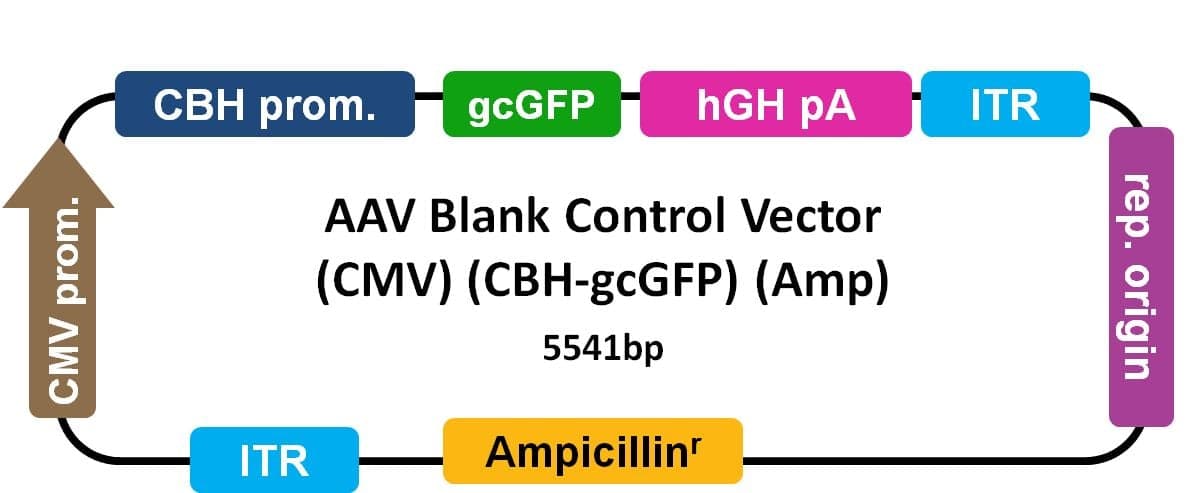
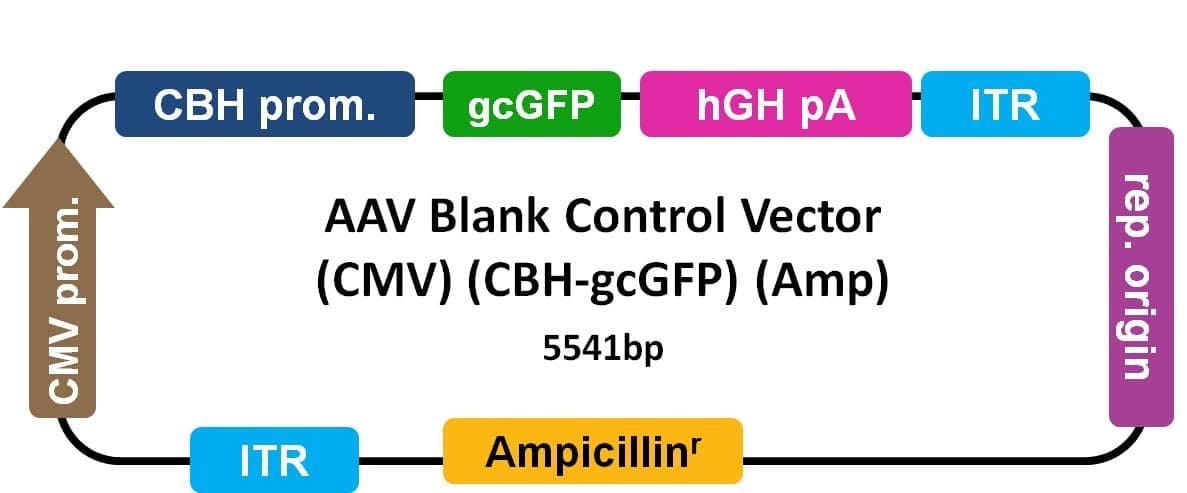
AAV Blank Control virus (CMV) (CBH-gcGFP) (Amp)(Serotype 8)
List Price:
USD318.38
Online Price:
USD227.42
Your Price:
AAV Blank Control virus (CMV) (CBH-gcGFP) (Amp)(Serotype 9)
List Price:
USD318.38
Online Price:
USD227.42
Your Price:
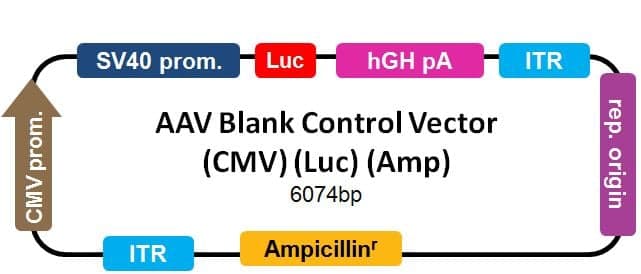
AAV Blank Control virus (CMV) (Luc) (Amp) (Serotype 2)
List Price:
USD318.38
Online Price:
USD227.42
Your Price:
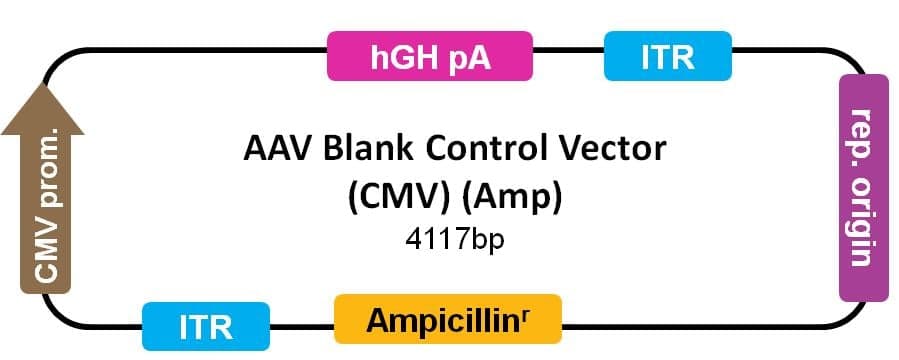
AAV Blank Control Virus (CMV) (Serotype 10)
List Price:
USD318.38
Online Price:
USD227.42
Your Price:
AAV Blank Control Virus (CMV) (SV40-Luc) (Serotype 2)
List Price:
USD318.38
Online Price:
USD227.42
Your Price:
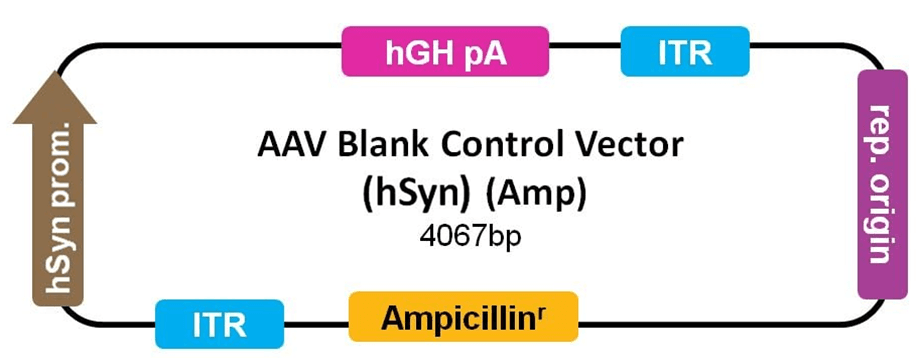
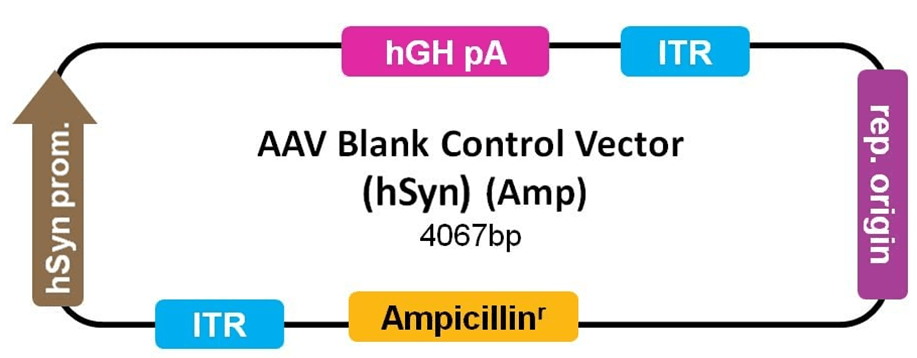
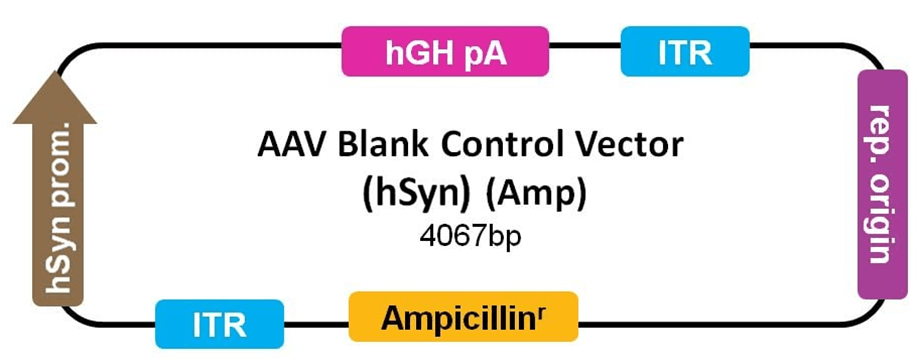
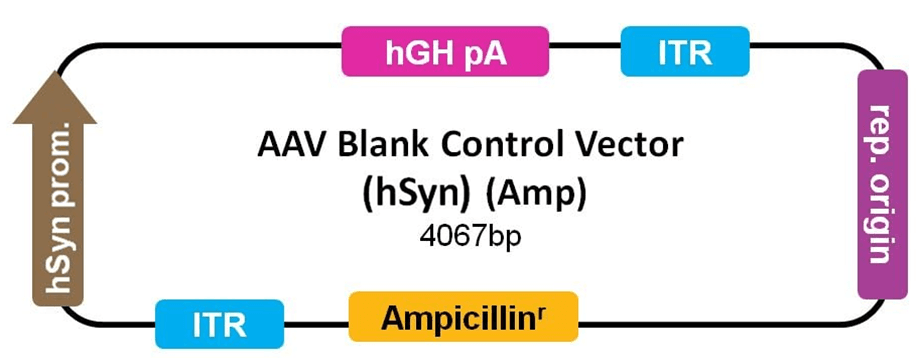
AAV Blank Control Virus (hSync) (Amp) (Serotype 1)
List Price:
USD318.38
Online Price:
USD227.42
Your Price:
AAV Blank Control Virus (hSync) (Amp) (Serotype 10)
List Price:
USD318.38
Online Price:
USD227.42
Your Price:
AAV Blank Control Virus (hSync) (Amp) (Serotype 11)
List Price:
USD318.38
Online Price:
USD227.42
Your Price:
AAV Blank Control Virus (hSync) (Amp) (Serotype 2)
List Price:
USD318.38
Online Price:
USD227.42
Your Price:
AAV Blank Control Virus (hSync) (Amp) (Serotype 3)
List Price:
USD318.38
Online Price:
USD227.42
Your Price:
AAV Blank Control Virus (hSync) (Amp) (Serotype 4)
List Price:
USD318.38
Online Price:
USD227.42
Your Price:
AAV Blank Control Virus (hSync) (Amp) (Serotype 5)
List Price:
USD318.38
Online Price:
USD227.42
Your Price:

Showing 25 to 36 of 125 results

What Are AAV Vectors?


Adeno-associated virus (AAV) has emerged as the dominant vector for in vivo gene delivery in both pre-clinical research and clinical gene therapy. A non-enveloped, single-stranded DNA parvovirus with a 4.7 kb genome, AAV is non-pathogenic in humans, transduces a broad range of cell types, and provides long-lasting transgene expression with minimal immunogenicity.


What you will find:


  •   Over-Expression AAV Vectors:  Control and reporter vectors, Cre-inducible (DIO) expression systems, control vectors of miRNA, siRNA, and CRISPR/Cas9 for gene expression control, validation, and pathway analysis.
  •   Purification & Packaging Kits: for diverse serotypes (1–6), high-titer serotype kits, serotype-specific packaging, transduction enhancers for enhanced delivery efficiency and consistent production of viral vectors.


How to Choose an AAV Vector System


Serotype Selection
Different AAV serotypes provide distinct tissue tropisms — common choices include serotypes optimised for liver (AAV8), CNS (AAV9), retina (AAV2, AAV5), and muscle (AAV1, AAV6). Selecting the right serotype for your target tissue is the most consequential decision in an AAV project.

Packaging Capacity
The ~4.7 kb AAV genome limits the size of transgene cassettes — this is a key constraint for over-expression constructs and especially for CRISPR/Cas9 cargo, which may require compact Cas9 orthologues or split-vector strategies.

Purification Method
Iodixanol gradient purification systems and precipitation-filtration kits eliminate the need for ultracentrifugation, making research-grade rAAV production accessible without specialised equipment.

Helper-Free Packaging
Helper-free triple-transfection packaging plasmid sets produce recombinant AAV particles without requiring co-infection with a replication-competent helper adenovirus, simplifying production and improving BSL-2 safety.

Application: In Vitro vs. In Vivo
AAV is widely used in pre-clinical in vivo gene editing and gene therapy studies, as well as in vitro for non-dividing or hard-to-transfect cell types such as primary neurons.


Specifications Context


Helper-free AAV production is commonly performed using a triple-plasmid transfection system consisting of a transgene plasmid flanked by AAV ITRs, a rep/cap plasmid providing serotype-specific Rep and capsid proteins (VP1–VP3), and a helper plasmid supplying adenoviral functions in trans. MBP supplies AAV research tools, including serotype-diverse AAV constructs (1–11), CRISPR AAV systems, scrambled and blank control viruses, reporter vectors, and AAV packaging mix reagents that support AAV-based gene delivery workflows in research applications. Product availability reflects MBP's catalogue as of mid-2026.


Contact the expert team of MBP today and book reliable AAV vectors for your lab.

FAQ

Adeno-associated virus (AAV) is a small, non-pathogenic, single-stranded DNA parvovirus that delivers transgenes to a wide range of cell types with minimal immunogenicity. Transgenes persist as episomal concatemers in non-dividing cells, providing long-term expression without chromosomal integration or insertional mutagenesis risk. Multiple FDA-approved AAV gene therapies -- including Luxturna and Zolgensma -- validate its safety and efficacy.
MBP supplies components for multiple AAV serotypes including AAV1 (muscle, CNS), AAV2 (retina, CNS), AAV5 (CNS, lung), AAV6 (muscle, heart), AAV8 (liver), AAV9 (CNS, crosses blood-brain barrier), and AAVrh10 (CNS, liver). Serotype selection determines which tissues are most efficiently transduced after in vivo delivery.
Recombinant AAV is typically produced by triple transfection of HEK293 cells with three plasmids: a transgene plasmid flanked by AAV2 ITRs, a rep/cap plasmid for the desired serotype, and an adenoviral helper plasmid supplying E2A, E4, and VA RNA helper functions. This helper-free system produces research-grade AAV (>5 x 10^12 viral genomes) in approximately one week.
The AAV genome packaging capacity is approximately 4.7 kb, limiting the transgene expression cassette (promoter + coding sequence + poly-A signal) to this size. Large genes exceeding 4.7 kb require split-vector strategies, compact promoters such as CBA or EF1-alpha short, or smaller Cas9 orthologues such as SaCas9 when delivering CRISPR components.
Wild-type AAV integrates site-specifically into the AAVS1 locus on chromosome 19. However, recombinant AAV (rAAV) -- which lacks the rep gene required for site-specific integration -- persists predominantly as circular episomal concatemers in transduced cells without stable genomic integration, greatly reducing insertional mutagenesis risk compared to lentiviral vectors.
AAV9 is the only naturally occurring AAV serotype with documented ability to cross the blood-brain barrier after intravenous injection, enabling widespread CNS transduction without invasive intracranial surgery. This property underpins the approval of Zolgensma (onasemnogene abeparvovec) for spinal muscular atrophy treatment via single intravenous administration.
Neutralising antibodies (NAbs) against AAV serotypes are prevalent in human populations -- studies show NAbs against AAV2 in up to 70 percent of humans. In cell culture, this is not a concern. For in vivo experiments, pre-immune serology of recipient animals is recommended, and serotype selection should consider the seroprevalence of NAbs in the study population.
A pseudotyped AAV uses the rep/cap genes from one serotype but packages an ITR-flanked transgene normally associated with AAV2. For example, AAV2/8 uses AAV2 ITRs packaged in an AAV8 capsid. This approach allows use of well-validated AAV2 ITR-compatible plasmid systems while leveraging the superior liver tropism of the AAV8 capsid.
We provide the highest quality of products and anytime customer service.
Featured Categories
    online payment
    online payment
    fast delivery
    fast delivery
    technical support
    technical support
    24/7 support
    24/7 support
    copy right
    2026 All Right Reserved