Laboratory Freezers for Sample, Reagent, and Biorepository Storage
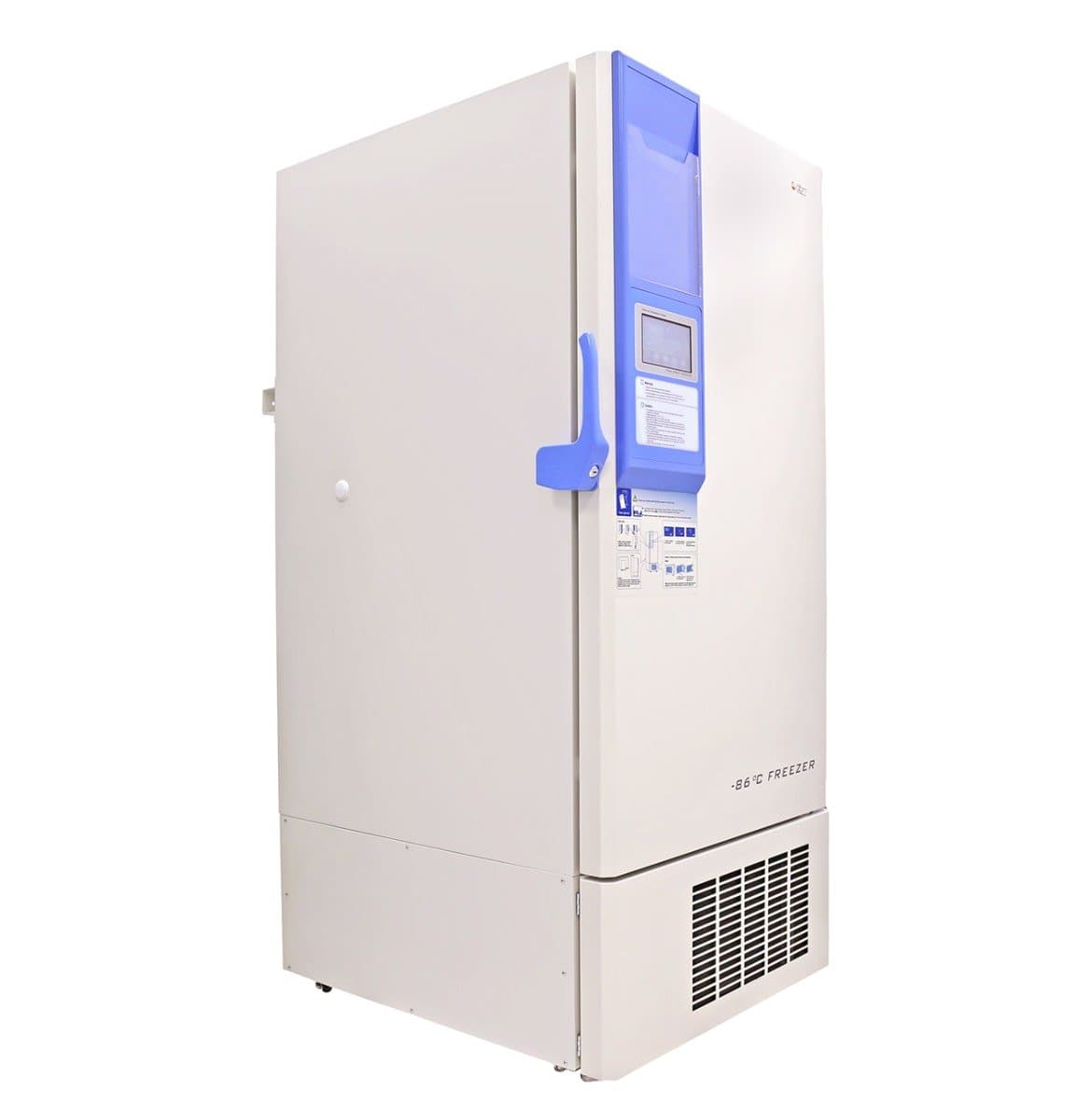
Laboratory freezers are precision cold-storage instruments that maintain defined subzero temperatures for the preservation of biological samples, nucleic acids, enzymes, antibodies, cell lines, vaccines, and pharmaceutical preparations - including low-temperature models at -40 degrees C for more labile biologicals, and ultra-low temperature (ULT) freezers at -40 to -86 degrees C using cascade two-stage compressor systems for long-term biorepository storage of cells, tissues, and highly temperature-sensitive compounds.
MBP supplies laboratory freezers for research, clinical, and institutional labs across the United States, Canada, and internationally, with US order processing in Houston, Texas. Request a quote by contacting customerservice@mbpinc.net.
Freezers
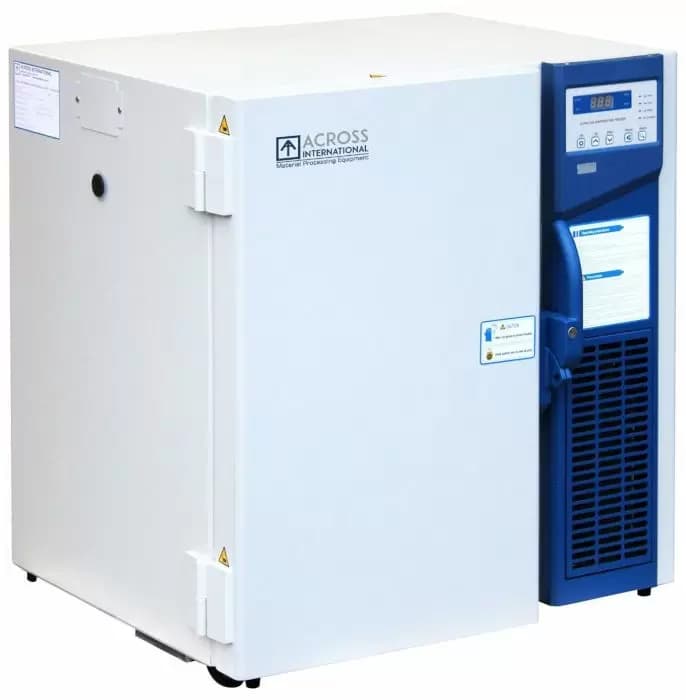
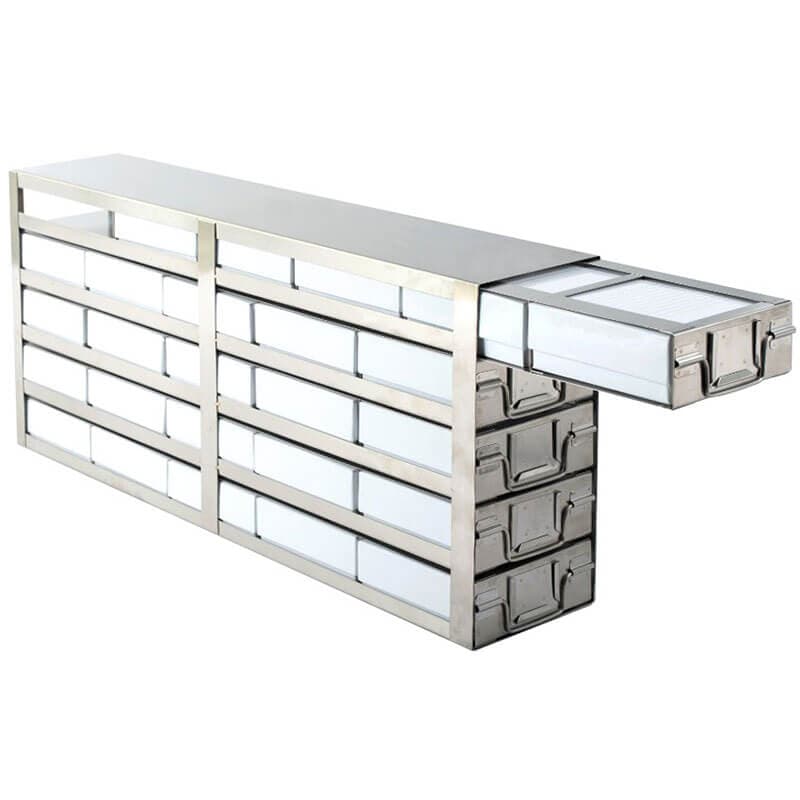
Showing 1 to 10 of 10 results
What Are Laboratory Freezers?
Laboratory freezers are engineered cold-storage instruments that hold samples at defined subzero temperatures with the precision, uniformity, and reliability that biological and pharmaceutical research requires. Standard laboratory freezers (-10 to -25 degrees C) serve DNA, RNA, PCR enzymes, primary and secondary antibodies, and chemical reagents that are stable at -20 degrees C for weeks to months. Low-temperature models (-30 to -40 degrees C) provide better stability for lipid-containing formulations, some viral stocks, and antibody conjugates that degrade at -20 degrees C over extended storage. Ultra-low temperature (ULT) freezers (-40 to -86 degrees C) use a two-stage cascade compressor refrigeration system: a high-stage HFC compressor cooling to -45 to -50 degrees C, then a low-stage hydrocarbon or HFC compressor achieving -80 to -86 degrees C. ULT freezers are the standard for cell line banking, primary cell storage, tissue biorepositories, long-term RNA archiving, and samples with irreplaceable value. Select laboratory freezer temperature based on the minimum storage stability requirement of the most labile material in the freezer, not the most stable.
What You Will Find:
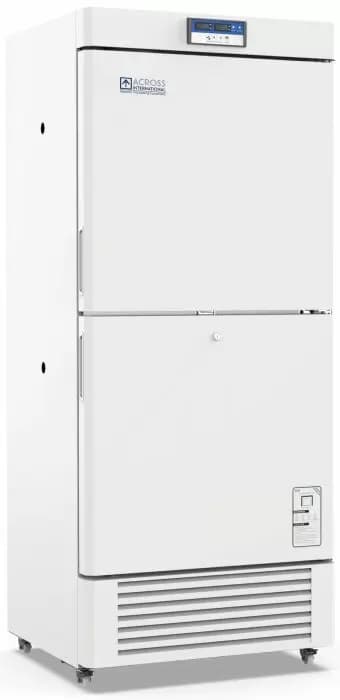
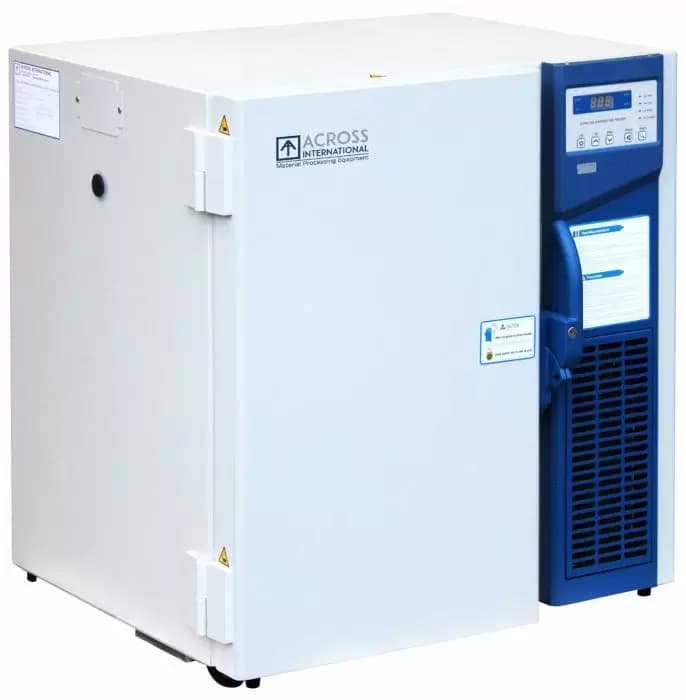
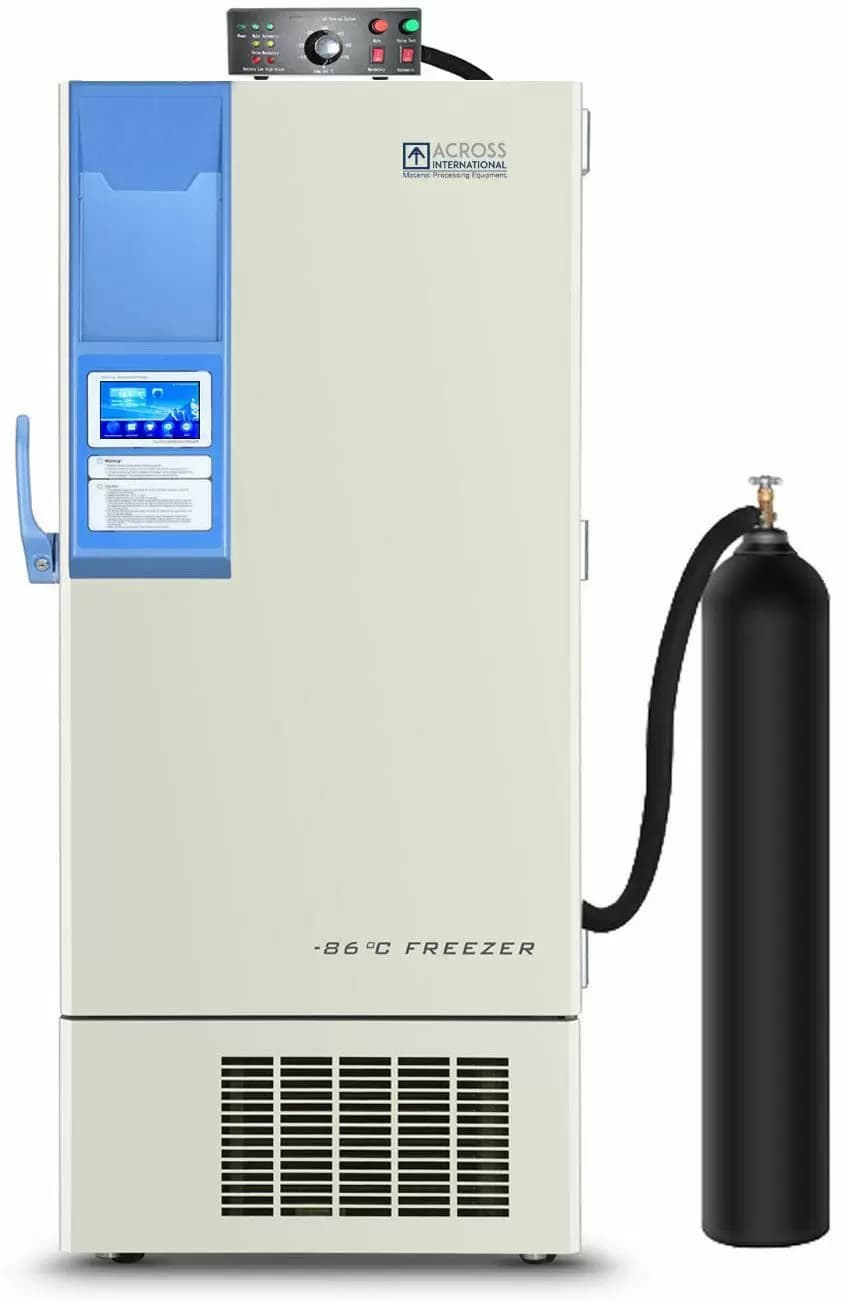
- Laboratory freezers: Ultra-low temperature (-86°C) freezers, -40°C medical freezers, and stackable models designed for long-term storage of biological samples, reagents, and research materials.
- Freezer accessories: Storage boxes, stainless steel storage drawers, CO2 backup systems, and other components that improve sample organization and freezer reliability.
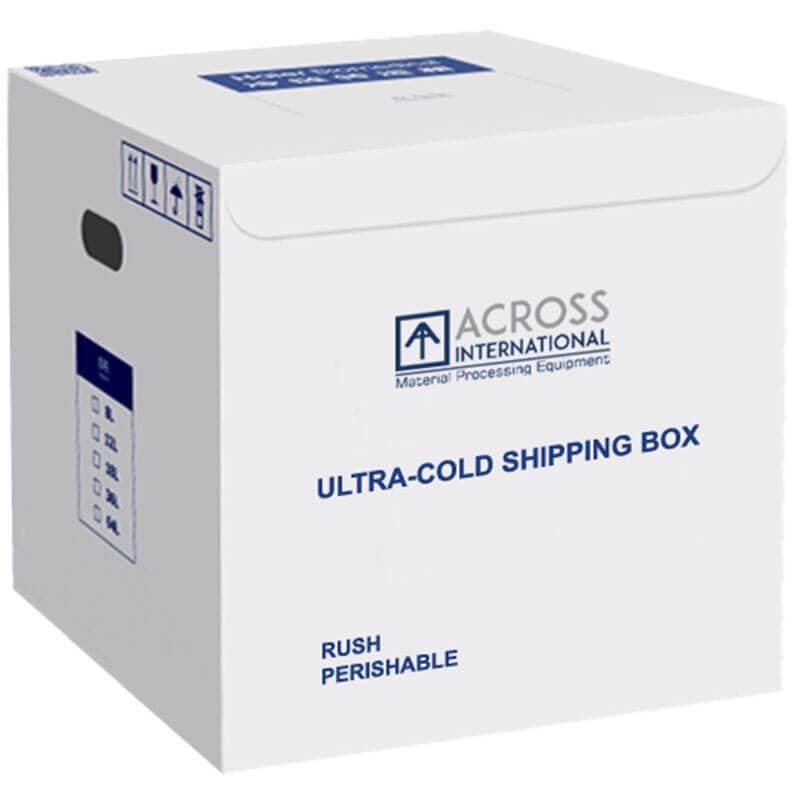
- Cold-chain transport solutions: Vacuum-insulated shipping cubes designed to help maintain low temperatures during sample transportation.
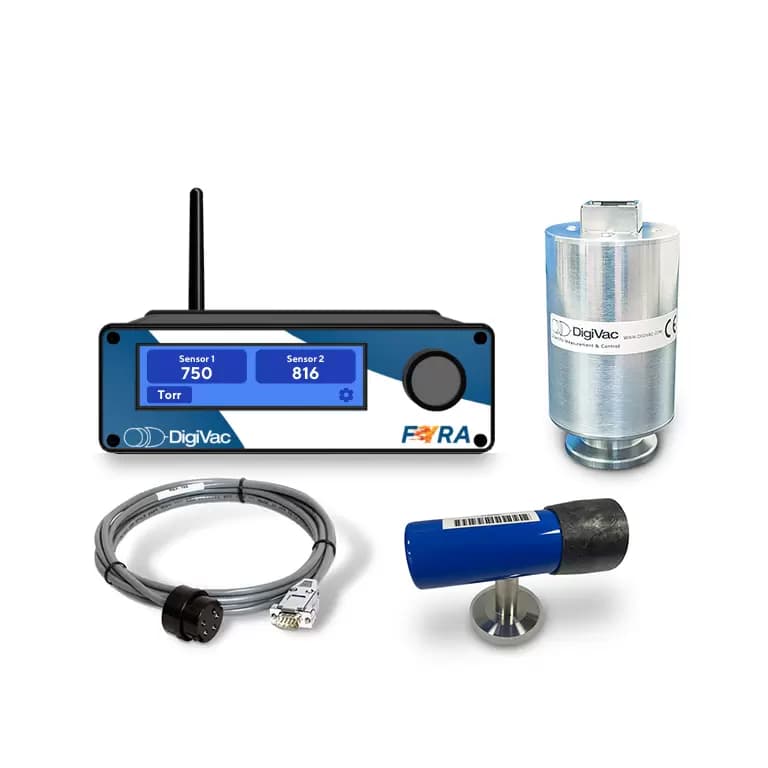
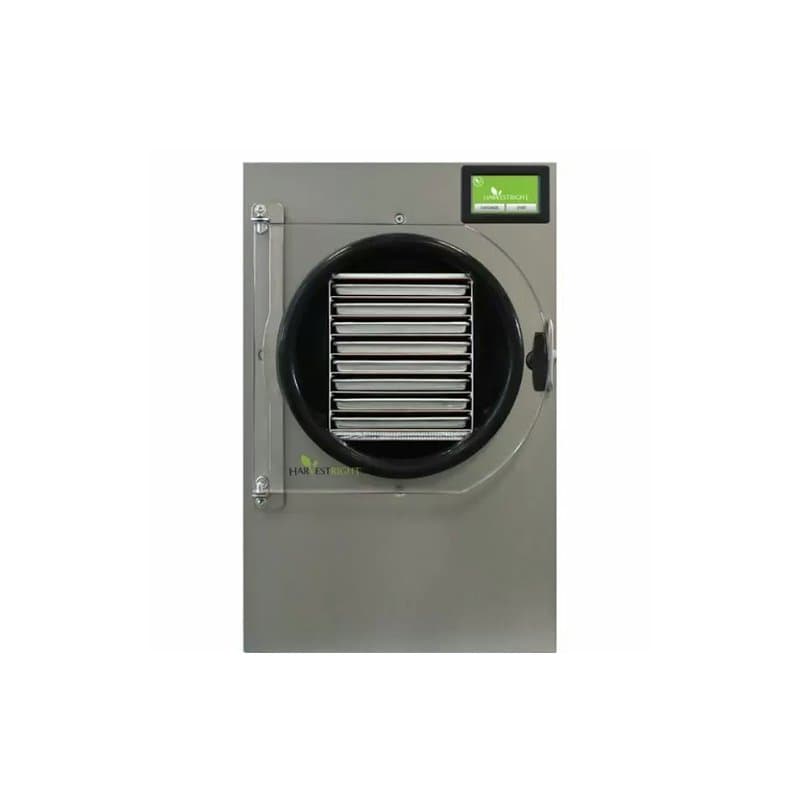
- Freeze-drying equipment: Pharmaceutical freeze dryers and vacuum gauges for monitoring primary drying in lyophilization workflows.
- Sample preservation solutions: Equipment and accessories that support secure storage, transport, and processing of temperature-sensitive laboratory materials.
How to Choose a Laboratory Freezer
Setpoint temperature
-20 degrees C is appropriate for routine nucleic acid stocks (DNA, plasmid), PCR master mixes, enzymes with glycerol storage buffer, antibodies in glycerol, and chemical reagents stable at -20 degrees C. -40 degrees C extends stability for antibody-drug conjugates, lipid nanoparticles, and some viral vectors. -80 degrees C is required for cell lines (viable storage for 5+ years), primary patient-derived cells, long-term RNA banking (RIN preservation for more than 12 months), viral stocks requiring consistent infectivity, and compounds that crystallize or degrade at -20 degrees C.
Upright vs. chest format
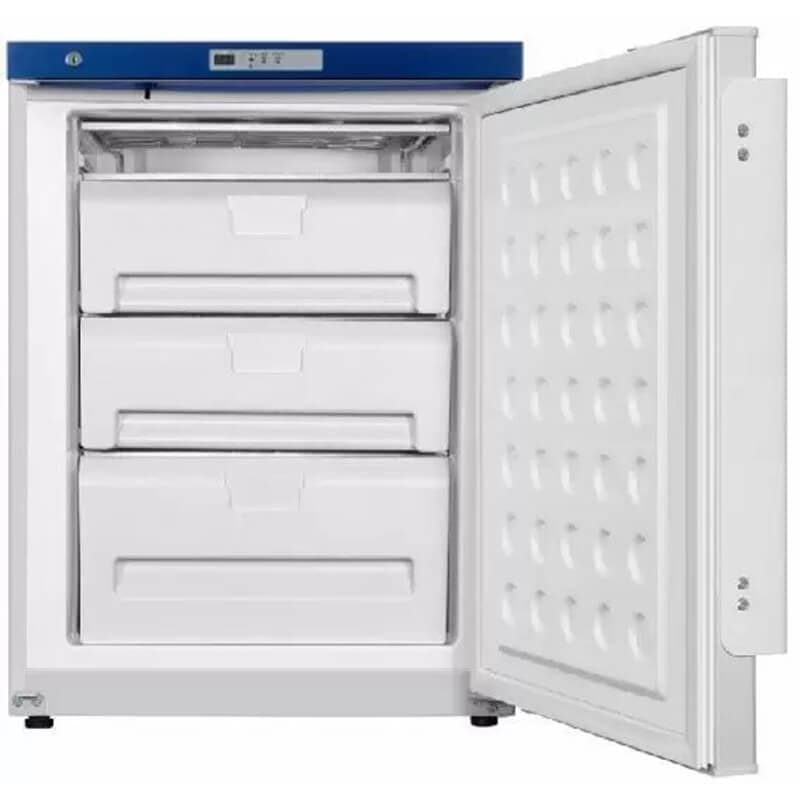
Upright freezers access contents through a front door with shelves and are standard in most labs due to their small footprint and easy sample access. They experience larger temperature fluctuations when the door is opened (cold air spills out from the front). Chest freezers open from the top, retaining cold air better during access and providing more stable temperatures for the contents, making them preferred for seldom-accessed long-term storage and large sample collections. PHCbi and Thermo Fisher chest ULT models store 576-672 standard 2-inch boxes in large-capacity configurations.
Cascade refrigeration system
ULT freezers use a cascade two-stage compressor refrigeration system to reach -80 degrees C. The high-stage compressor uses HFC refrigerant (R-404A or R-290/R-170 mix) to precool the evaporator to -45 to -50 degrees C; the low-stage compressor then uses a secondary refrigerant (often R-508B or hydrocarbon blend) to extract heat from the cabinet against the precooled evaporator, reaching -80 to -86 degrees C. Two-compressor cascade systems are more reliable than single-compressor designs at these temperatures; a high-stage compressor failure raises cabinet temperature slowly while the low stage continues operating, providing a warning before critical sample temperature is reached.
Insulation quality
Cabinet insulation thickness determines the rate at which the internal temperature rises during a power failure or door-open event. Standard ULT freezers use polyurethane foam insulation (20-25 cm thick walls). Premium ULT models add vacuum-insulated panels (VIPs) to the door and selected walls, reducing energy consumption and slowing temperature rise during power loss. In the event of compressor failure, a typical -80 degrees C ULT cabinet temperature rises approximately 1 degree C per minute with the door closed and no backup system.
Backup systems
For high-value sample collections, ULT freezers can be paired with CO2 or liquid nitrogen (LN2) backup injection systems that activate when cabinet temperature exceeds a preset high-alarm threshold, injecting cryogen to maintain temperature for several hours while compressor issues are addressed. External monitoring and cloud-based alert systems using NIST-traceable probes with 24/7 SMS and email alarm notification are standard best practices for freezers containing irreplaceable biological material.
Specifications Context
ULT freezer capacity is specified in cubic feet or liters (internal volume) and in terms of the number of standard 2-inch (5 cm) sample storage boxes the unit can hold in standard racks; a large-capacity upright ULT holds 576-672 standard 2-inch boxes at -86 degrees C. Energy consumption of a -86 degrees C ULT freezer is typically 10-20 kWh per day; new models with hydrocarbon refrigerants and variable-speed compressors use 6-10 kWh per day at -80 degrees C setpoint. Temperature recovery after a 30-second door open event takes 3-10 minutes for research-grade ULT units, compared to 30+ minutes for consumer chest freezers. All new ULT freezer models from major manufacturers use HFC or hydrocarbon refrigerants with zero ozone depletion potential (ODP = 0), replacing CFC and HCFC refrigerants phased out under the Montreal Protocol and Kigali Amendment.
To discuss product availability or get selection guidance, contact the MBP team.
FAQ