Laboratory Freezer Accessories for Sample Organization and Monitoring
Freezer accessories are the organizational, storage, backup, and transport components that maximize sample capacity, protect sample integrity, and support efficient cold-storage management in laboratory freezers, including ultra-low temperature (ULT) systems.
MBP supplies freezer storage boxes, stainless steel storage drawers, CO₂ backup systems for ultra-low temperature freezers, and VIP insulated shipping cubes for research, clinical, and institutional laboratories across the United States, Canada, and internationally, with US order processing in Houston, Texas. Request a quote for laboratory freezer accessories for sample storage, emergency backup, and cold-chain transport by contacting customerservice@mbpinc.net.
Freezer Accessories
Showing 1 to 5 of 5 results
What Are Laboratory Freezer Accessories?
Laboratory freezer accessories fall into four functional groups: organizational hardware that maximizes storage density and sample accessibility; temperature monitoring and alarming systems that protect sample integrity and support compliance; backup protection systems that guard against temperature excursions during power failures; and containment and labeling consumables that prevent sample misidentification and physical damage. Effective freezer accessory selection increases the number of samples stored per unit volume, reduces the time the freezer door is held open during access (directly protecting sample stability), and provides the electronic audit trail required by regulatory frameworks, including CAP, CLIA, GxP, and FDA 21 CFR Part 11. Match accessories to the freezer temperature, sample tube format, and regulatory compliance framework applicable to your laboratory.
What You Will Find:
-
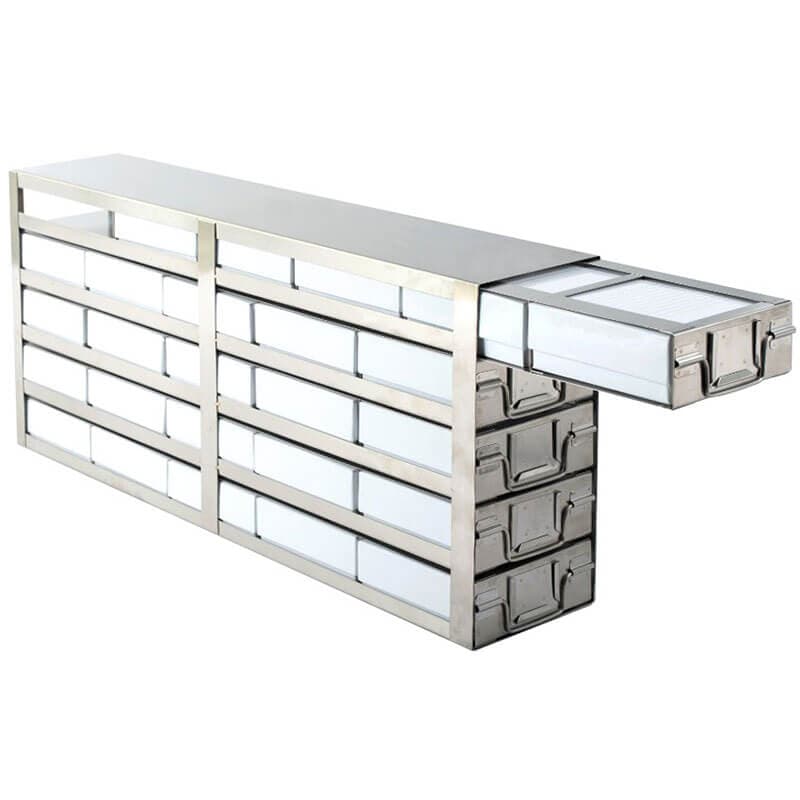
Storage Boxes & SST Drawers: High-quality stainless steel drawer sets and storage boxes specifically designed to maximize space and organization within upright and stackable ULT freezers.
-
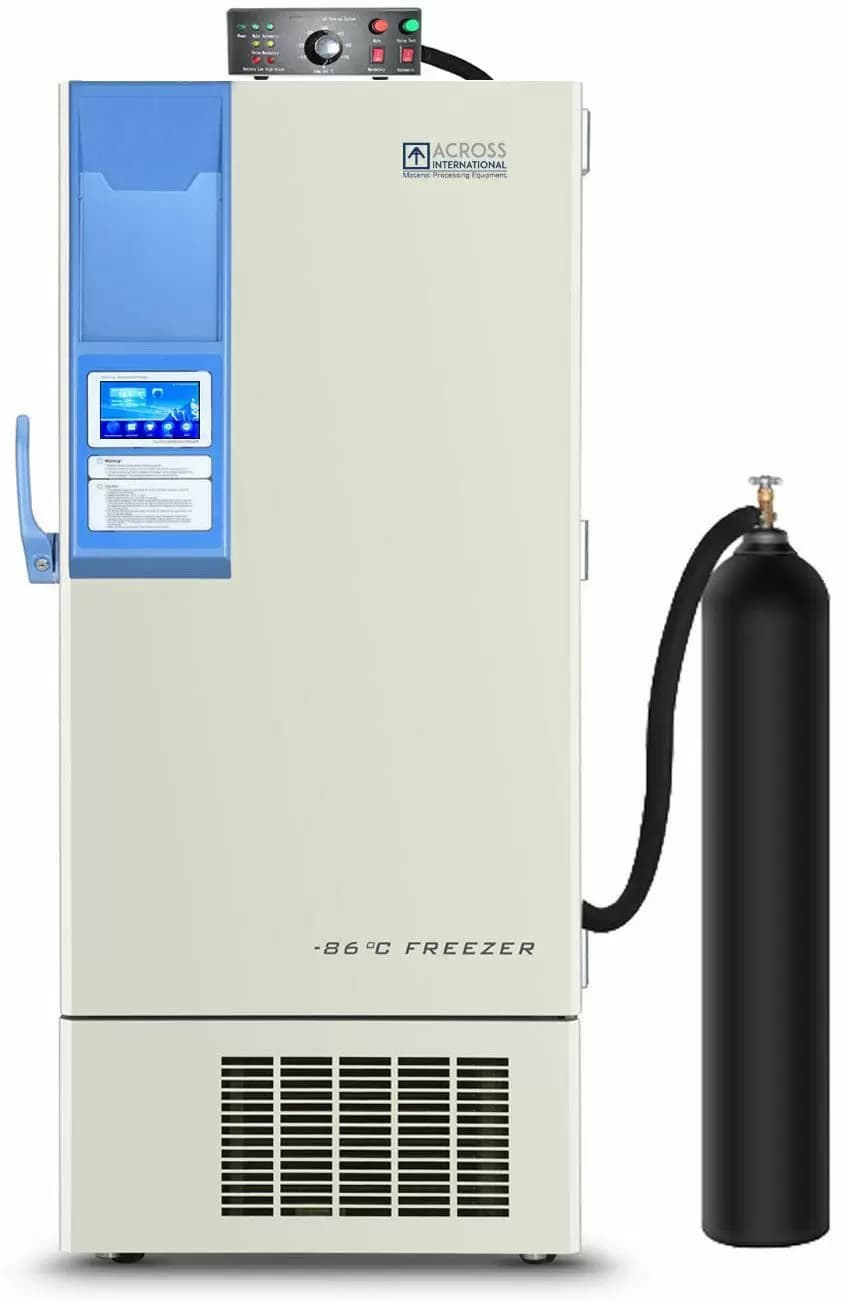
CO2 Backup Systems: Critical emergency backup solutions for ultra-low freezers that safeguard your inventory against sample loss during power outages or mechanical failures.
-
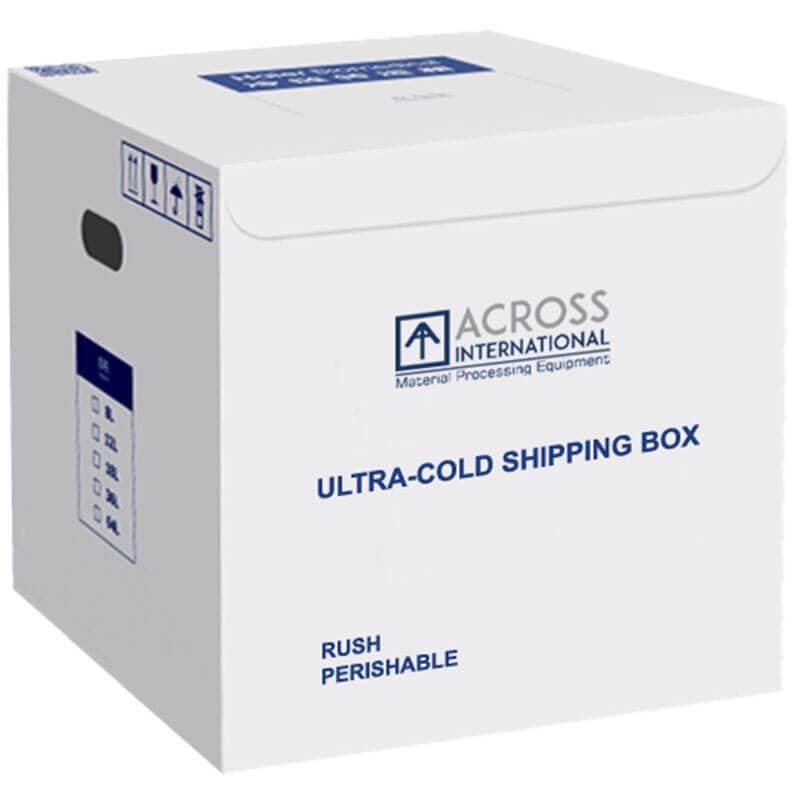
Insulated Shipping Cubes: Advanced VIP insulated containers engineered for the secure and temperature-stable transport of high-value biological materials.
-
Specialized Inventory Tools: Custom-fit shelving and racking solutions that ensure unrestricted airflow and easy access to your most important specimens.
How to Choose Freezer Accessories
Freezer racks and storage boxes
Standardized upright freezer racks hold stacked sample storage boxes in fixed positions within the cabinet, enabling systematic sample organization and reducing search time during access. Standard 2-inch (5 cm) sample boxes are the most common format and fit racks in most upright and chest ULT freezers; 3-inch (7.5 cm) boxes store fewer boxes per rack but hold more tubes per box. Rack configurations include fixed upright racks (anchored to cabinet floor or wire shelf), side-access sliding drawer racks (pulled out horizontally for access without removing the whole rack), and adjustable racks for non-standard box sizes. Confirm rack dimensions against the freezer cabinet's internal width, depth, and shelf spacing before ordering.
Sample storage boxes and dividers
Cryogenic sample storage boxes (cryoboxes) are fabricated from cardboard (economy, single-use), high-density polyethylene (HDPE, reusable), polypropylene (PP, autoclavable), or stainless steel (autoclavable, chemically resistant) and hold 9x9 (81 positions), 10x10 (100 positions), or 8x8 (64 positions) tubes per box. Insert dividers (indexed alphanumerically) to create individual tube compartments to prevent tube movement, mixing, and label abrasion during access. For 1.5 mL microcentrifuge tubes, 81-position 9x9 dividers in a 2-inch box are standard; for 15 mL conical tubes, dedicated large-tube racks are required.
Temperature monitoring and data logging
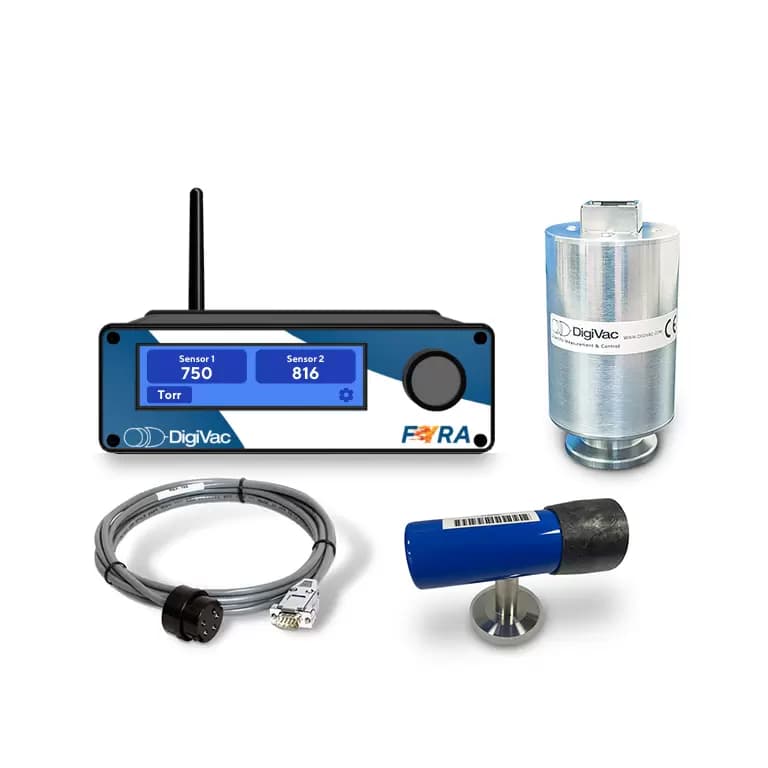
Continuous temperature monitoring systems for ULT freezers include: standalone digital thermometers with external min/max recording probes inserted through door gasket access ports; USB data loggers that record temperature at programmable intervals (1-60 minutes) with NIST-traceable calibration certificates; Wi-Fi-connected wireless sensors with 24/7 real-time cloud monitoring, configurable high/low alarm thresholds, and email/SMS notification (rated to -100 degrees C for ULT applications); and integrated freezer-connected monitoring systems that read data directly from factory-installed cabinet sensors via a dedicated data port. Annual calibration of monitoring probes against NIST-traceable standards is required for CAP, CLIA, and GxP compliance.
Backup protection systems
CO2 backup injection systems activate when cabinet temperature rises above a preset high-alarm threshold (typically 10 degrees C above the normal setpoint), injecting CO2 from an external cylinder through a solenoid-controlled valve into the freezer cabinet, maintaining temperature for 4-12 hours. LN2 (liquid nitrogen) backup injection systems provide similar protection at deeper temperatures and with longer holdover time, but require access to an LN2 supply. Both systems require connection to an external gas supply, installation of solenoid valves, and periodic cylinder replacement or LN2 refill scheduling.
Cryo labels and identification
Cryogenic-rated labels are required for sample tubes stored in ULT and cryogenic conditions; standard adhesive labels lose adhesion at -80 degrees C and fall off during access in cold rooms, causing catastrophic sample misidentification. Cryogenic labels are printed on polyester or polypropylene film with acrylic or cryogenic-grade adhesive rated to -196 degrees C (liquid nitrogen temperatures). Laser-printable cryolabels, wrap-around tube labels, and flag labels are available for 0.5 mL, 1.5 mL, 2 mL, 15 mL, and 50 mL tubes. Barcode-compatible cryolabels enable integration with laboratory information management systems (LIMS).
Specifications Context
Standard 2-inch (5.4 cm) sample boxes fit universal rack systems across most major ULT freezer brands (Thermo Fisher TSX, PHCbi MDF-DU, Esco Lexicon); 3-inch (7.6 cm) boxes require racks specifically designed for that format. Wi-Fi temperature monitoring sensors for ULT applications should be rated for a measurement range of at least -100 degrees C to 0 degrees C; sensors not rated for ULT temperatures lose calibration accuracy below -60 degrees C. NIST-traceable temperature calibration for monitoring probes is required at least annually under CAP and CLIA accreditation, using traceable reference standards with uncertainty documentation. Cloud-based temperature monitoring systems with 21 CFR Part 11-compliant audit trails and automated compliance reporting have become standard in GxP-regulated laboratory environments, replacing manual temperature logbooks and standalone chart recorders.
Enhance your laboratory storage setup today—explore our freezer accessories and reach out to the MBP team for a quote.
FAQ