Product Filters

Laboratory Refrigerators and Freezers for Cold Storage


Laboratory chillers and heaters are temperature-control instruments used to cool or heat circulating fluids, vessels, and laboratory equipment for reactors, condensers, analytical instruments, and process temperature control. Product types include recirculating chillers, heated and refrigerated circulators, immersion coolers, heating mantles, induction heaters, and dynamic temperature control systems.

MBP supplies laboratory refrigeration equipment for research labs across the United States, Canada, and internationally, with US order processing in Houston, Texas. Request a quote by contacting customerservice@mbpinc.net.

Refrigerators & Freezers
Per Page:
Sort By:
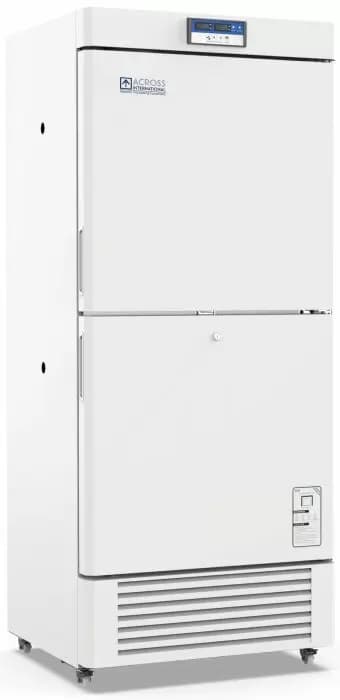
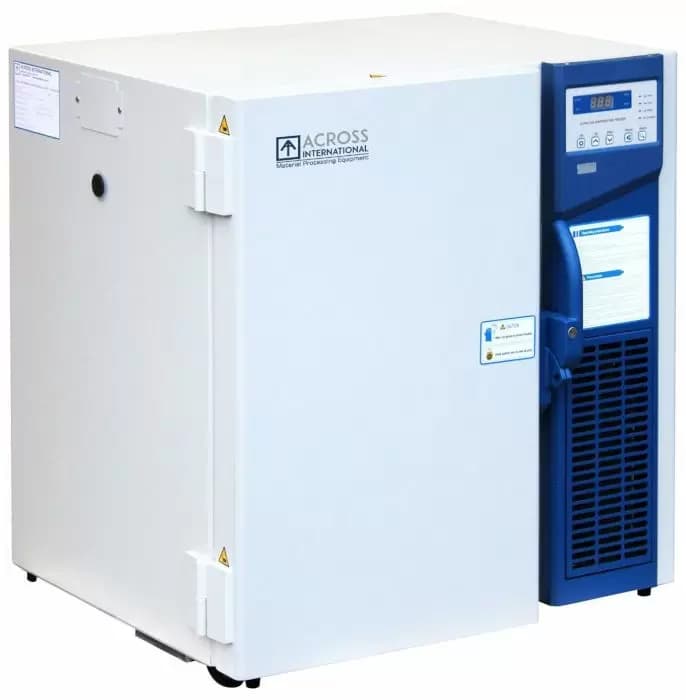
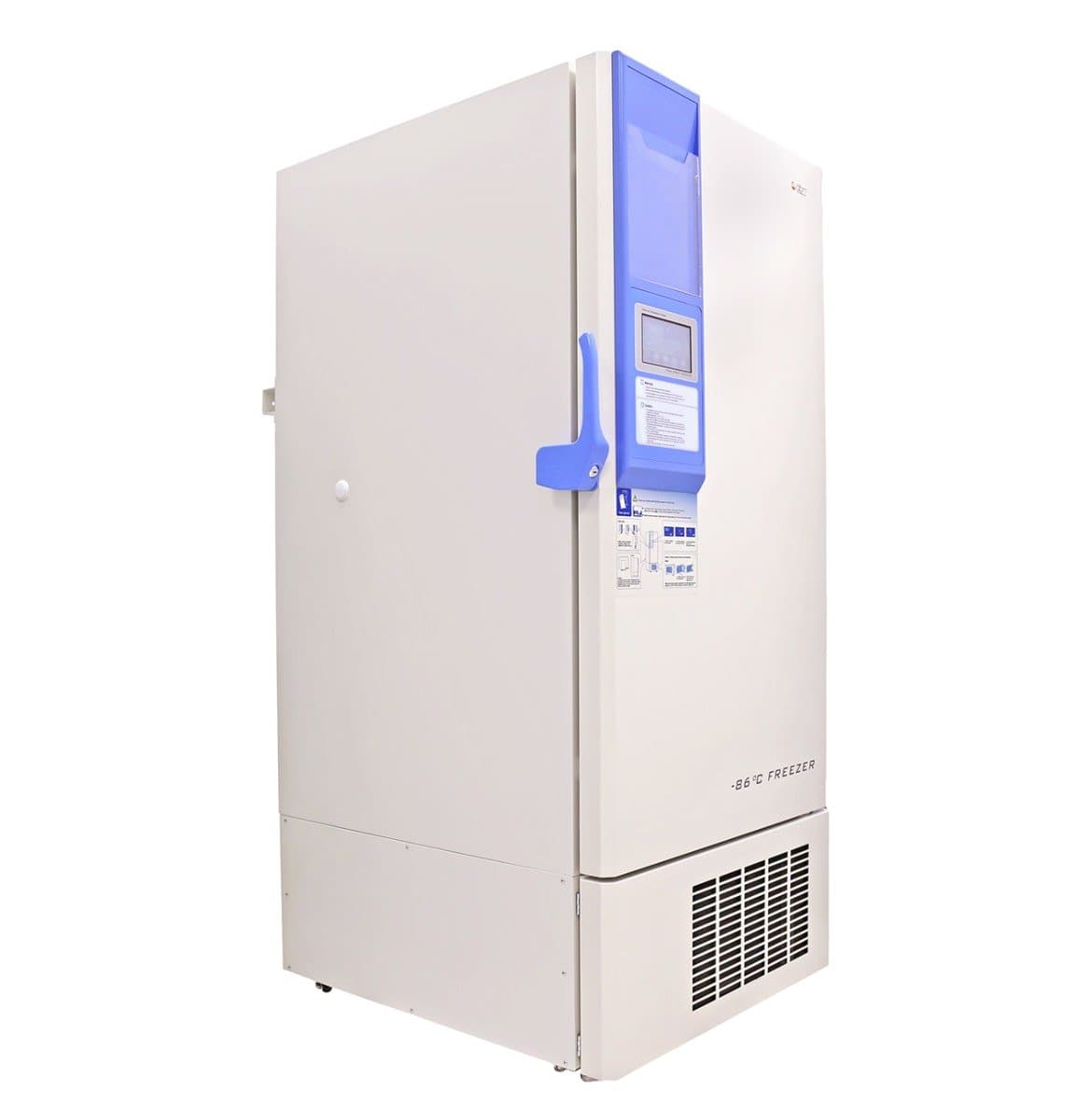
-86C Ultra Low Temperature (ULT) Lab Freezer, 220V
List Price:
USD13,589.41
Online Price:
USD9,706.72
Your Price:
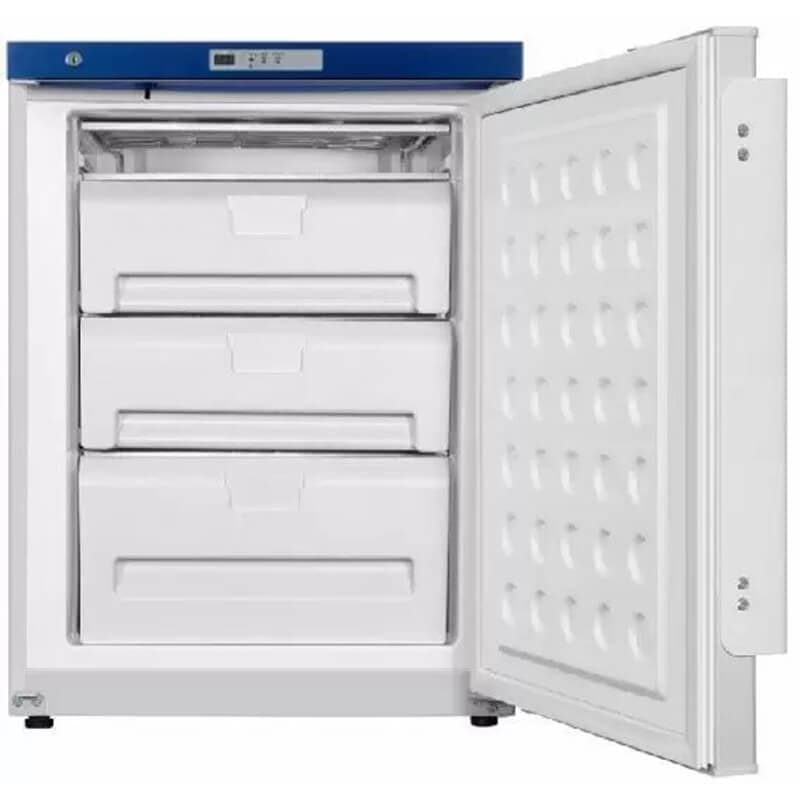
Ai DeepFreeze -40°C Upright Medical Freezer
List Price:
USD6,636.70 - USD13,286.70
Online Price:
USD4,740.50 - USD9,490.50
Your Price:
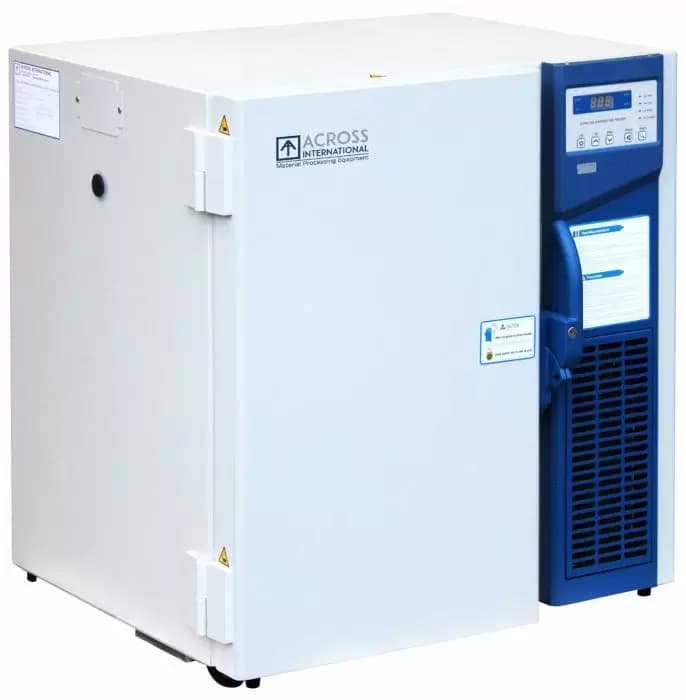
Ai RapidChill -86°C Stackable Ultra low Freezer
List Price:
USD6,973.19 - USD22,596.70
Online Price:
USD4,980.85 - USD16,140.50
Your Price:
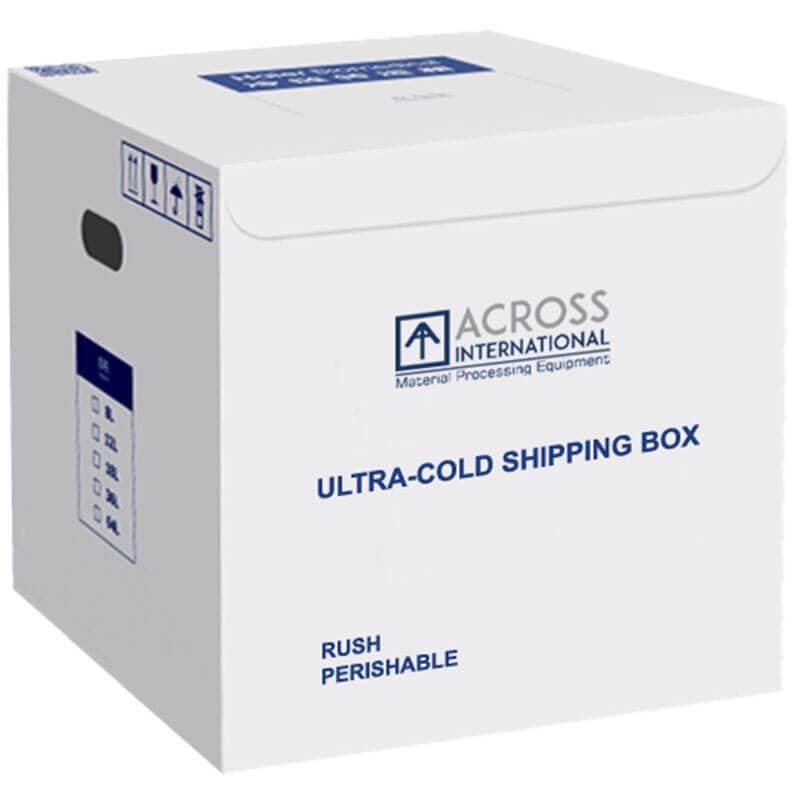
Ai VIP Insulated Shipping Cube
List Price:
USD808.14 - USD965.38
Online Price:
USD577.24 - USD689.56
Your Price:
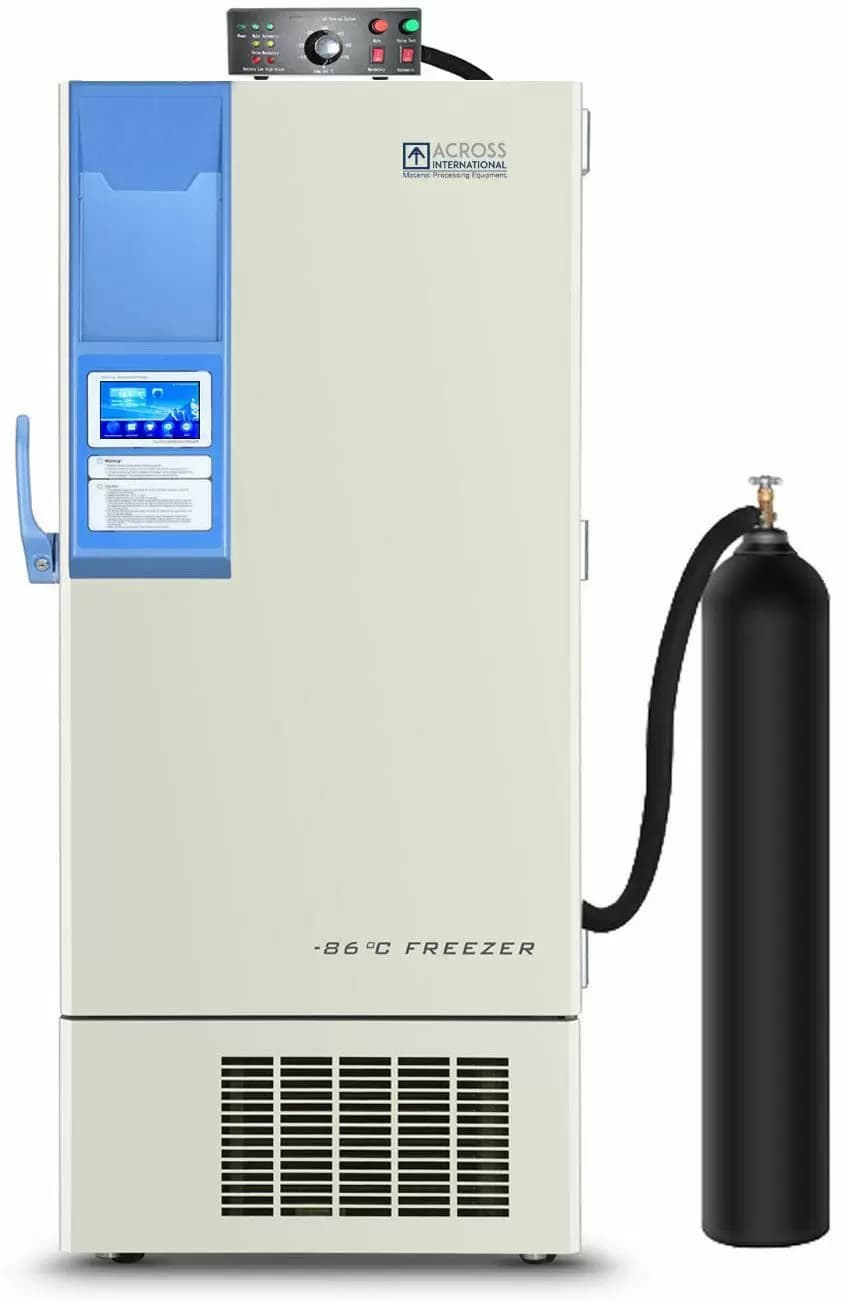
CO2 Backup System for Ai -86C ULT Ultra-Low Freezers
List Price:
USD3,325.00
Online Price:
USD2,375.00
Your Price:
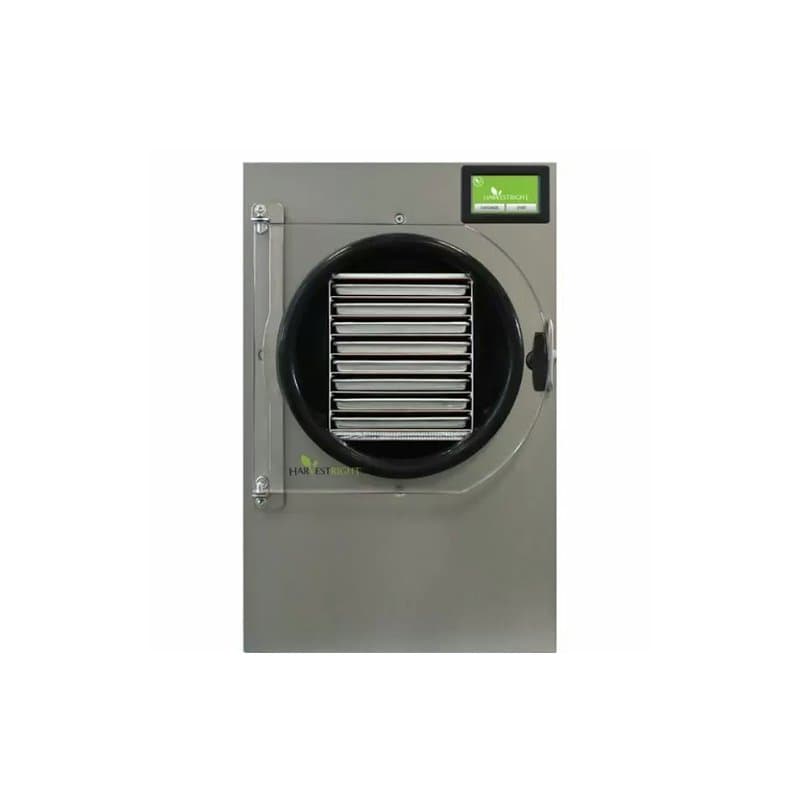
Harvest Right PHARMACEUTICAL Freeze Dryer w/ 7.2 cfm Pump
List Price:
USD4,382.35 - USD5,446.35
Online Price:
USD3,130.25 - USD3,890.25
Your Price:
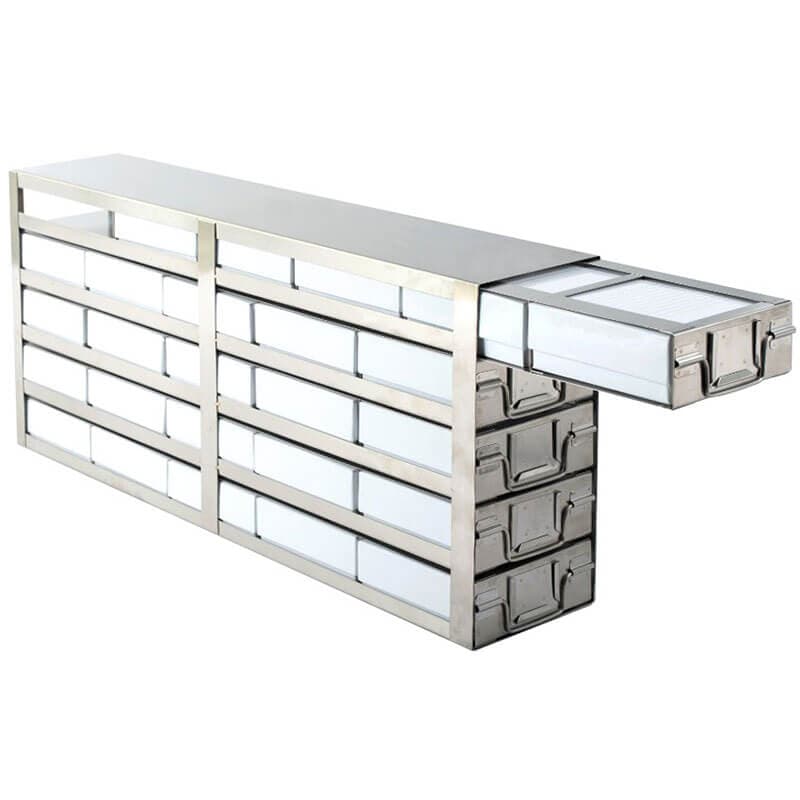
SST Storage Drawers for Ai  RapidChill -86°C Stackable Ultra low Freezer
List Price:
USD665.00 - USD3,325.00
Online Price:
USD475.00 - USD2,375.00
Your Price:
Storage Boxes for Ai Glacier -86°C Ultra-Low Upright Freezer
List Price:
USD798.00 - USD5,320.00
Online Price:
USD570.00 - USD3,800.00
Your Price:
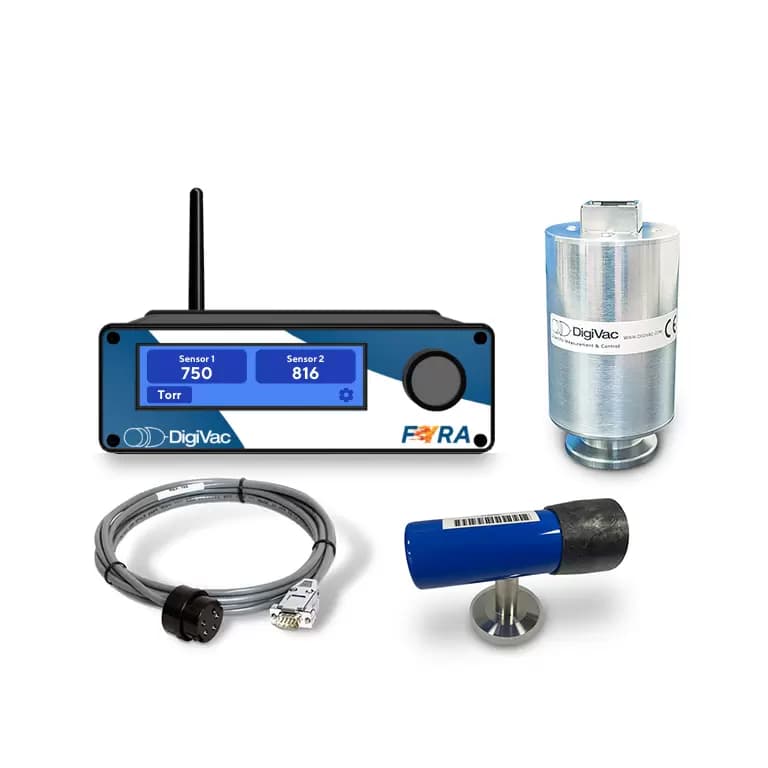
FYRA Vacuum Gauge For End Of Primary Drying Detection UL/CSA/CE Certified
List Price:
USD5,853.88
Online Price:
USD4,181.34
Your Price:
Ai EasyChill -25°C to -30°C Freezers series
List Price:
USD3,045.70 - USD9,296.70
Online Price:
USD2,175.50 - USD6,640.50
Your Price:

Showing 1 to 10 of 10 results

What Are Laboratory Refrigerators and Freezers?


Laboratory refrigerators and freezers differ from domestic appliances by providing more precise temperature control, improved temperature uniformity, and faster recovery after door openings. Laboratory-grade units use high-performance refrigeration systems, forced-air circulation, and microprocessor-controlled temperature regulation to maintain stable storage conditions for sensitive materials. Laboratory refrigerators typically maintain 2–8 °C for enzymes, reagents, vaccines, and other temperature-sensitive samples, while laboratory freezers provide frozen storage at approximately −20 °C. Ultra-low temperature (ULT) freezers operating to −86 °C are used for long-term storage of cell lines, tissues, nucleic acids, and other temperature-sensitive biological materials. Select the appropriate storage temperature and equipment based on sample requirements and applicable regulatory standards.


What You Will Find:


Freezers


  • Ultra-low temperature (ULT) freezers with high-performance engineered for optimal thermal stability and prolonged sample integrity.
  • Sophisticated digital controllers featuring real-time tracking and sound alerts to ensure your inventory is secure around the clock.
  • Upright and chest arrangements that save space while optimizing storage capacity without cluttering your work area.
  • Robust insulation and industrial-grade door seals to preserve internal temperatures throughout hectic lab hours.


How to Choose Laboratory Cold Storage


Temperature category

Laboratory refrigerators (2-8 degrees C) are used for short-term storage of enzymes, antibodies, culture media, vaccines requiring refrigeration, and non-frozen reagents. Standard laboratory freezers (-20 degrees C, manual or auto-defrost) are used for DNA, RNA, PCR enzymes, antibodies, and chemical reagents stable at -20 degrees C. Low-temperature freezers (-40 degrees C) and ultra-low temperature freezers (-80 to -86 degrees C) are required for cell lines, primary cells, patient-derived biological material, long-term nucleic acid repositories, and compounds that degrade in repeated freeze-thaw cycles at -20 degrees C.

Manual defrost vs. auto-defrost

Auto-defrost (no-frost) freezers run a brief heating cycle every 6-24 hours to melt frost on the evaporator coils; this introduces a temperature rise of 3-8 degrees C that thaw-sensitive samples should avoid. Manual-defrost freezers maintain a more stable temperature without defrost cycling but require planned defrost events every 3-6 months with temporary transfer of contents to a backup unit. For samples sensitive to temperature fluctuation (cell lines, frozen RNA, virus stocks), manual-defrost or frost-free units with advanced thermal buffering are preferred.

Explosion-proof and flammable-material storage

Standard laboratory refrigerators and freezers contain internal spark sources (light switches, thermostat contacts, motor brushes) that can ignite flammable vapor-air mixtures. Storing flammable solvents, alcohols, or volatile chemicals in standard laboratory refrigerators is an OSHA and NFPA safety violation. Explosion-proof or flammable-material-safe refrigerators (sometimes called spark-free units) have all spark sources isolated outside the cabinet or in vapor-proof enclosures and are required for storing ethanol, methanol, acetone, and similar chemicals.

Temperature monitoring and alarming

All laboratory cold storage units storing critical samples (vaccines, biological specimens, cell lines) should be equipped with continuous temperature monitoring and alarming. High/low temperature alarms, door-ajar alarms, and power failure alarms with audible and visual indicators are standard on lab-grade units. Remote monitoring via Wi-Fi or USB data loggers with NIST-traceable probes and cloud-based data logging supports CAP, CLIA, and cGxP documentation requirements. Calibration of temperature monitoring systems at least once every 12 months with ISO 17025-traceable standards is commonly required.

Energy efficiency

ENERGY STAR-certified laboratory refrigerators and freezers meet EPA energy consumption benchmarks; ULT freezers at -80 degrees C are the largest energy consumers in many research labs, with a power draw of 10-20 kWh per day per unit. Newer ULT models using hydrocarbon or CO2-based refrigerants, variable-speed compressors, and advanced insulation reduce energy consumption by 30-50% compared to older CFC-based designs.


Specifications Context


Laboratory refrigerators maintain spatial temperature uniformity of plus or minus 1-3 degrees C within the cabinet; standard domestic refrigerators have no uniformity specification and commonly vary by 5-10 degrees C between door shelves and rear compartments. ULT freezers use cascade refrigeration systems with two-stage compressors: a high-stage compressor using HFC refrigerant precooling to -40 to -50 degrees C, followed by a low-stage compressor using HFC or HC (hydrocarbon) refrigerant cooling to -80 degrees C. In the event of compressor failure, ULT cabinet temperature rises approximately 1 degree C per minute with the door closed; CO2 or liquid nitrogen (LN2) backup systems inject cryogen when cabinet temperature rises above a preset alarm threshold, providing hours of protection while repair is arranged.


Browse our complete cooling selection and contact the MBP team for a welcoming quote now.

FAQ

Laboratory refrigerators maintain 2-8 degrees C with a standard setpoint of 4 degrees C, suitable for enzymes, antibodies, vaccines, chromatography samples, and non-frozen culture media. Standard laboratory freezers operate at -10 to -25 degrees C (setpoint -20 degrees C) for DNA, RNA, protein stocks, and chemical reagents. Low-temperature freezers reach -30 to -40 degrees C for more labile biologicals. Ultra-low temperature (ULT) freezers operate at -40 to -86 degrees C for cell lines, tissues, long-term nucleic acid repositories, and samples requiring maximum stability.
Laboratory refrigerators use high-capacity compressors, forced-air circulation, and microprocessor-controlled PID cooling to maintain spatial temperature uniformity of plus or minus 1-3 degrees C and to recover the setpoint within minutes of door opening. Domestic refrigerators have no uniformity specification and can vary by 5-10 degrees C between locations inside the cabinet, with temperature swings of up to 10 degrees C during auto-defrost cycles. Laboratory units also lack internal spark sources that could ignite flammable vapor, though dedicated flammable-storage (explosion-proof) units are still required for organic solvents.
Storing flammable solvents (ethanol, methanol, acetone, diethyl ether, isopropanol) in standard laboratory refrigerators is prohibited under OSHA and NFPA regulations because standard units contain internal spark sources -- thermostat contacts, light switches, and motor brush contacts -- that can ignite flammable vapor-air mixtures. Explosion-proof or flammable-material-safe laboratory refrigerators and freezers, which have all ignition sources isolated in vapor-proof enclosures outside the storage compartment, are required for any storage of volatile flammable chemicals.
Auto-defrost (no-frost) freezers periodically run a brief heating cycle to melt frost from evaporator coils, typically raising the internal temperature by 3-8 degrees C for 15-30 minutes every 6-24 hours. This controlled temperature excursion accelerates degradation of freeze-thaw-sensitive samples such as cell lines, RNA, viral stocks, and protein crystals. Manual-defrost freezers avoid this cycling, maintaining more stable temperatures but requiring planned quarterly defrost events with temporary content transfer. For highly temperature-sensitive samples, manual-defrost or advanced auto-defrost units with heavy thermal buffering are preferred.
Cold storage units holding critical samples -- vaccines, biological specimens, cell lines, pharmaceutical products -- require continuous temperature monitoring with high/low temperature alarms, door-ajar alarms, and power failure alarms. Remote monitoring via Wi-Fi data loggers with NIST-traceable probes and cloud-based data storage supports documentation requirements under CAP, CLIA, cGxP, and FDA regulations. Calibration of temperature monitoring systems at least annually using ISO 17025-traceable standards is commonly required for laboratory compliance programs.
An ultra-low temperature (ULT) freezer maintains -40 to -86 degrees C using a cascade two-stage compressor refrigeration system. ULT storage at -80 degrees C is required for long-term preservation of cell lines and primary cells, patient-derived biological samples for biorepositories, viral stocks, RNA samples for long-term banking, recombinant proteins with limited freeze-thaw stability, and high-value experimental reagents. While -20 degrees C is acceptable for routine DNA and enzyme storage, -80 degrees C provides substantially better long-term stability for labile biologicals over months to years.
Ultra-low temperature freezers at -80 degrees C are among the largest energy consumers in research labs, typically drawing 10-20 kWh per day per unit depending on cabinet size and insulation quality. Older CFC/HFC-based ULT models consume more energy than newer designs using hydrocarbon or CO2-based two-stage refrigerants, variable-speed compressors, and advanced vacuum-insulated panel (VIP) insulation, which reduce consumption by 30-50%. ENERGY STAR-certified laboratory-grade freezers meet EPA energy consumption thresholds based on internal cabinet volume. Raising the setpoint from -80 to -70 degrees C can reduce energy consumption by approximately 20%.
MBP supplies laboratory refrigerators and freezers for research and institutional labs across the United States, Canada, and internationally. MBP is a registered vendor for Howard Hughes Medical Institute, Vanderbilt University, and MD Anderson Cancer Center and accepts institutional purchase orders. Contact MBP for specifications, quotes, and delivery timelines on laboratory cold storage equipment. Submit inquiries via the Quick Order portal at mbpinc.net or directly at customerservice@mbpinc.net.
We provide the highest quality of products and anytime customer service.
Featured Categories
    online payment
    online payment
    fast delivery
    fast delivery
    technical support
    technical support
    24/7 support
    24/7 support
    copy right
    2026 All Right Reserved