Laboratory Ovens for Drying, Sterilization, and Curing
Laboratory ovens are thermally insulated heating chambers that process solid samples, glassware, and materials at elevated temperatures - from ambient plus 10 degrees C to 300 degrees C for standard drying and sterilization - using forced air convection (a fan circulates heated air for rapid, uniform drying) or vacuum (reduced pressure lowers solvent boiling points for gentle drying of heat-sensitive materials at 30-200 degrees C under conditions as low as 133 Pa), and are used for moisture removal, solvent extraction, sample dehydration, dry heat sterilization of glassware, polymer curing, component aging, and pharmaceutical intermediate drying.
MBP supplies forced air convection laboratory ovens for research institutions across the United States, Canada, and internationally, with US order processing in Houston, Texas. Request a quote by contacting customerservice@mbpinc.net.
Laboratory Oven
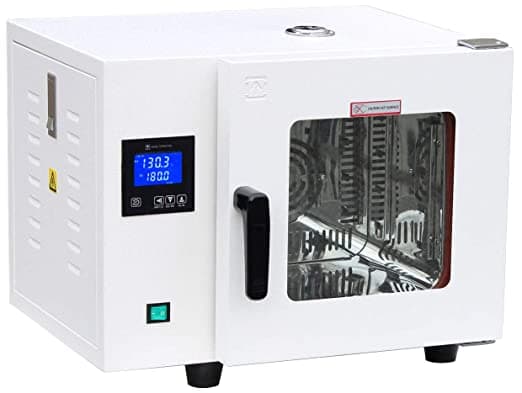
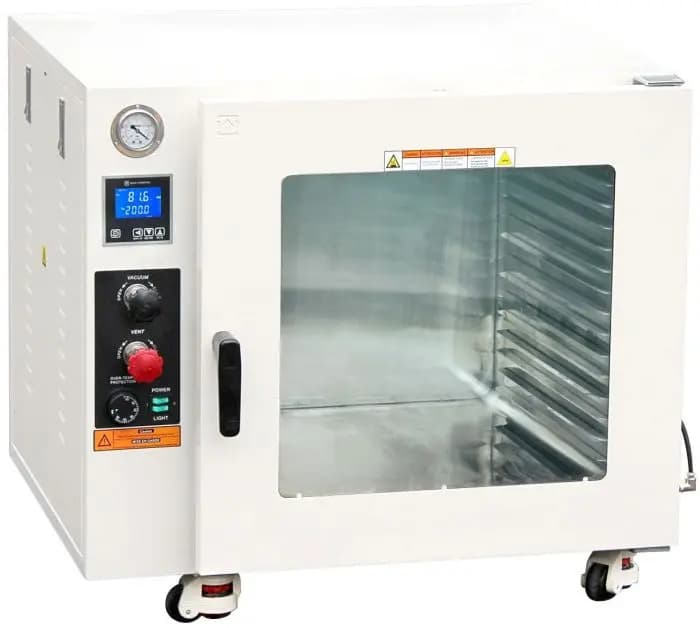
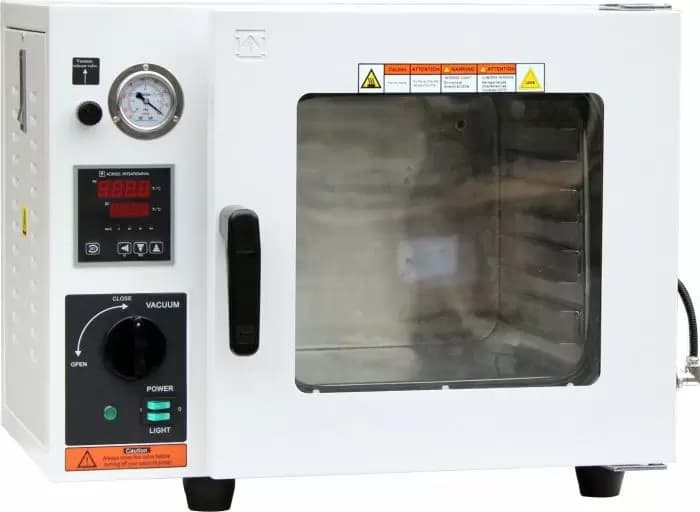
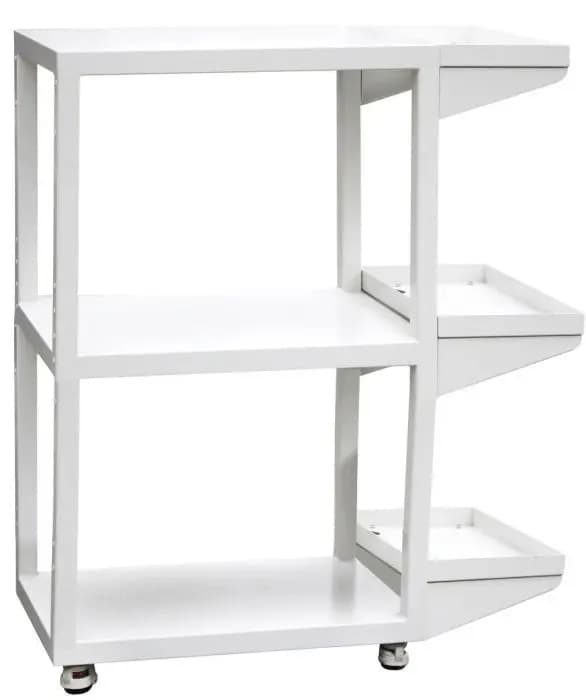
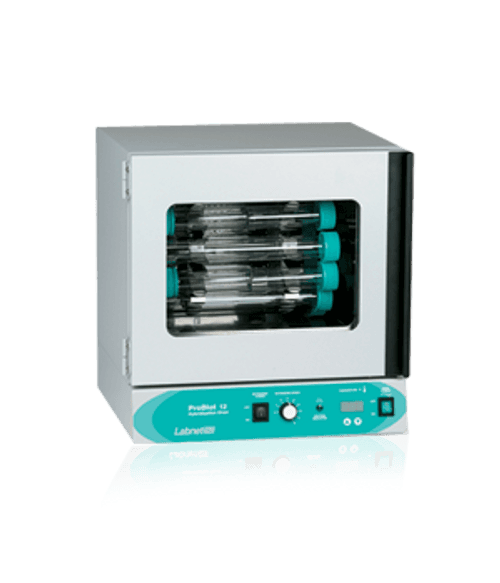
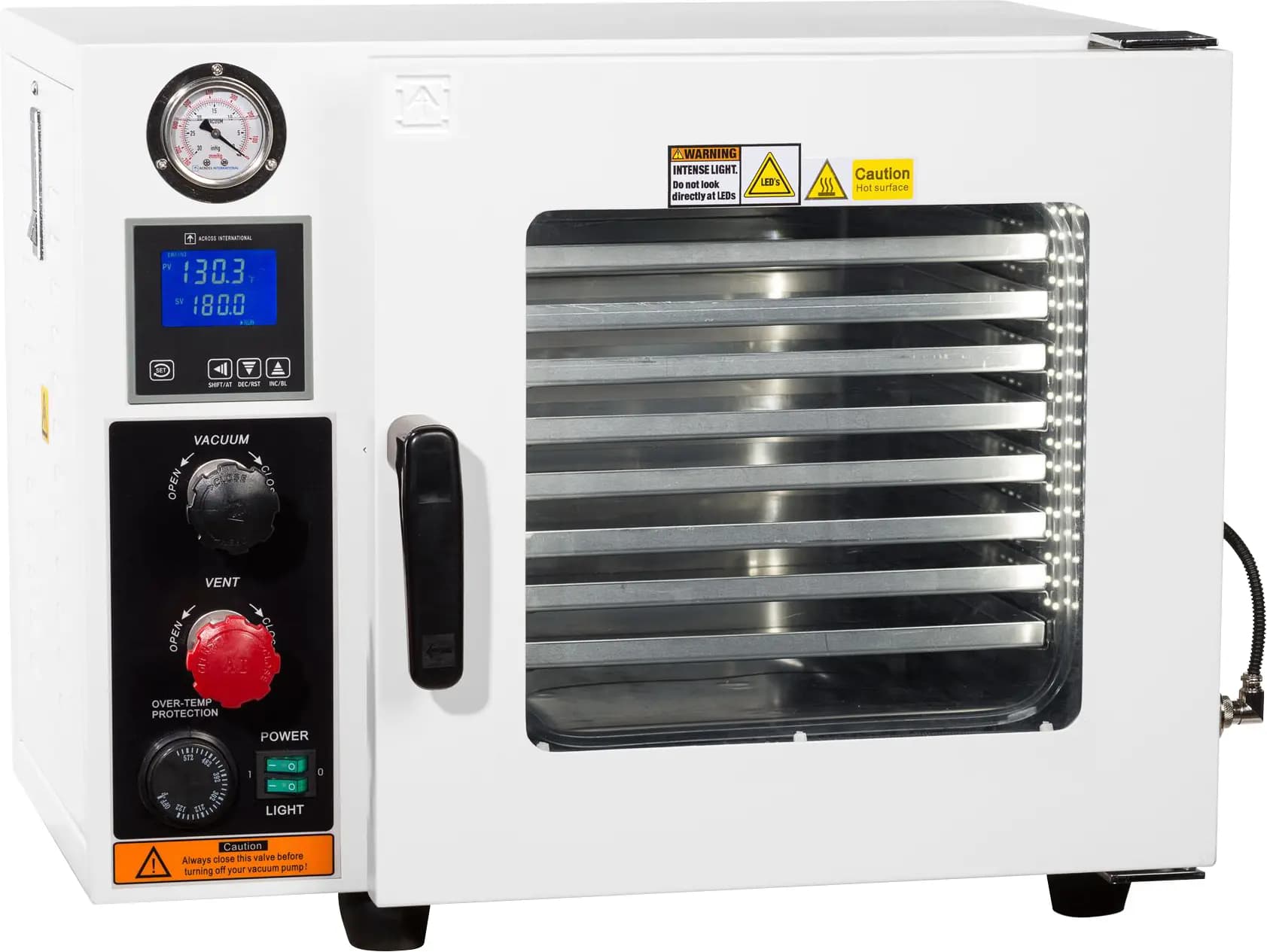
Showing 1 to 6 of 6 results
What Are Laboratory Ovens?
Laboratory ovens are electrically heated, thermally insulated chambers that maintain a defined temperature for drying, heating, curing, sterilizing, or processing solid samples and materials placed on internal shelves. Unlike water baths or dry block heaters that heat liquid samples in tubes, laboratory ovens process bulk materials, glassware, powders, porous materials, and large samples that cannot fit in tube-based incubators. The two principal oven types are forced air convection ovens (using a fan to circulate heated air at 300-500 m3/h for uniform, rapid temperature distribution and moisture removal) and vacuum drying ovens (sealing the chamber and using an external vacuum pump to reduce pressure below 133 Pa, dramatically lowering the boiling point of water and solvents to enable low-temperature drying at 30-60 degrees C for heat-sensitive materials). Choose forced air convection for most drying, sterilization, and curing applications at temperatures above 50 degrees C. Choose vacuum ovens when samples are heat-sensitive, oxygen-sensitive, or require solvent removal at temperatures below 60 degrees C.
What You Will Find:
- High-speed fans ensure rapid temperature recovery and perfect heat uniformity across every shelf.
- Stainless steel interiors provide maximum durability and are easy to keep clean and organized.
- Reduced-pressure environments allow for safe moisture removal at lower temperatures for heat-sensitive materials.
- Digital safety controls protect your samples from oxidation and prevent accidental overheating.
How to Choose a Laboratory Oven
Forced air vs. vacuum
Forced air convection ovens use a fan to distribute heated air uniformly throughout the chamber, providing rapid temperature recovery after door opening and temperature uniformity of plus or minus 1-5 degrees C across the chamber. They are suitable for drying glassware and labware after washing, dehydrating soil or biological specimens for moisture content analysis, dry heat sterilization at 160-180 degrees C, polymer curing, aging tests, and annealing of soft materials. Vacuum drying ovens remove air and moisture from a sealed chamber by vacuum pump, enabling drying at 30-200 degrees C at pressures below 133 Pa. They are required for heat-sensitive pharmaceuticals and APIs, porous materials with moisture trapped in internal cavities, electronic components sensitive to oxidation, and materials processed under oxygen-free conditions.
Temperature range
Standard laboratory ovens cover ambient plus 10 degrees C to 250-300 degrees C for most research and quality control applications. Forced air drying ovens such as the Labtron LFDO-A18 specify RT plus 10 degrees C to 300 degrees C with 225 L capacity. High-temperature ovens reach 350-500 degrees C for ceramics and materials research. Vacuum drying ovens typically cover RT plus 10 degrees C to 200 degrees C; the lower maximum reflects the glass or stainless steel chamber design and silicone door seal constraints. Avoid specifying an oven with a maximum temperature far above the required process temperature: ovens are less stable and less uniform at temperatures well below their ceiling.
Chamber volume and shelf capacity
Oven chamber volume is specified in liters (15 L to 500 L for benchtop models; floor-standing models up to 1,000 L) or cubic feet (0.5 to 18 cu. ft.). Shelf count, shelf dimensions, and maximum load per shelf (kg per shelf) determine actual sample throughput. Standard benchtop laboratory ovens have 2-4 adjustable stainless steel perforated shelves. Vacuum ovens have 2-4 heated shelves in a smaller chamber (typically 0.6-3 cu. ft.) sealed for pressure operations.
Temperature uniformity
Uniformity (variation across the chamber at setpoint) for forced air ovens is typically plus or minus 2-5 degrees C for standard models and plus or minus 0.5-2 degrees C for precision models. Uniformity is improved by forced air circulation but remains poorer than dry block heaters or water baths because the larger chamber volume contains thermal gradients even with fan circulation. Placing samples in the center of the chamber away from walls and heating elements reduces exposure to thermal gradients.
Safety and ventilation
Standard laboratory ovens are not rated for flammable solvent applications and must not be used with volatile organic solvents (ethanol, acetone, diethyl ether): solvent vapors can ignite on the heating elements or fan motor. For flammable solvent work, explosion-proof or flammable-material-safe ovens with ATEX-rated motors and all-inert internal components are required. Over-temperature protection (safety thermostat at a fixed cutoff above the setpoint) and over-current protection are standard safety features on research-grade laboratory ovens.
Specifications Context
Forced air ovens achieve temperature uniformity of plus or minus 2-5 degrees C across the chamber when the fan is in operation; uniformity degrades toward the chamber corners and near the heating elements. Vacuum drying ovens at 0.098 MPa vacuum (133 Pa, near full vacuum for benchtop models) reduce the boiling point of water from 100 degrees C to approximately 40-50 degrees C, enabling thorough drying of heat-sensitive materials at setpoints as low as 40 degrees C without thermal degradation. Dry heat sterilization of glassware in a forced air oven is typically performed at 160-180 degrees C for 2-4 hours, destroying bacterial spores and endotoxin more effectively than autoclave steam sterilization at equivalent temperatures. Forced air laboratory ovens with 4-zone heated air jacket designs, microprocessor PID controls, programmable multi-segment ramp-and-hold profiles, and USB data logging are the standard specification for new research and pharmaceutical laboratory installations.
Ready to upgrade your thermal capacity? Explore our laboratory oven range and reach out to the MBP team for a friendly quote today.
FAQ