Lab Incubators for Cell Culture and Microbiology
Laboratory incubators are temperature-controlled chambers used to grow and maintain bacterial cultures, eukaryotic cell lines, tissue cultures, and other biological specimens under defined environmental conditions. They maintain precise temperature - typically 37 degrees C for mammalian cell culture - and, depending on type, also regulate humidity, CO2 concentration, and O2 levels. Types include standard microbiological incubators (heat-only), CO2 incubators for mammalian cell culture, and refrigerated incubators for samples requiring below-ambient storage.
MBP supplies laboratory incubators with purchase order support for research institutions across the USA and Canada. Request a quote for laboratory incubators for cell culture, microbiology, and controlled-environment research applications by contacting customerservice@mbpinc.net.
Incubators
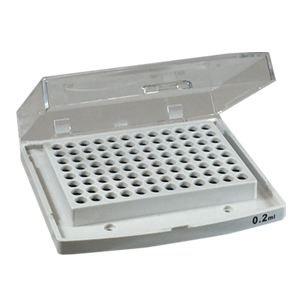
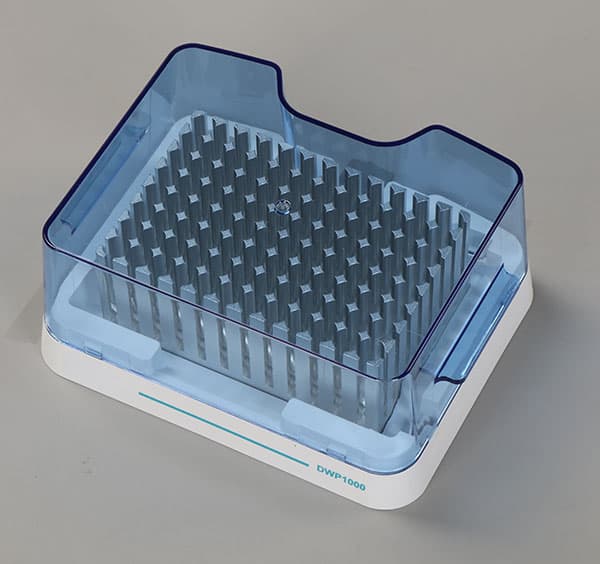
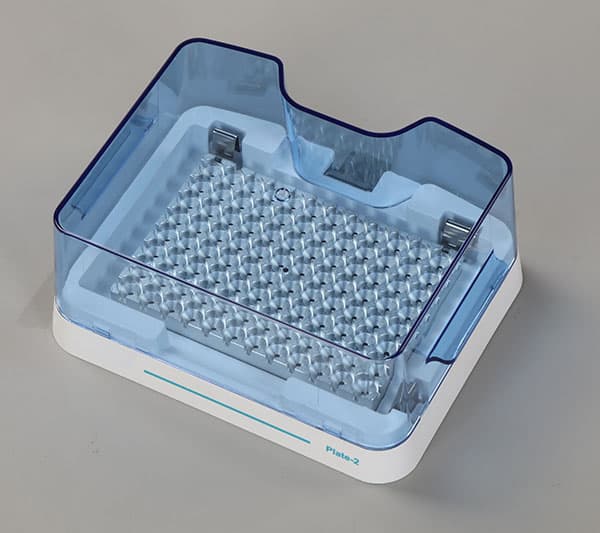
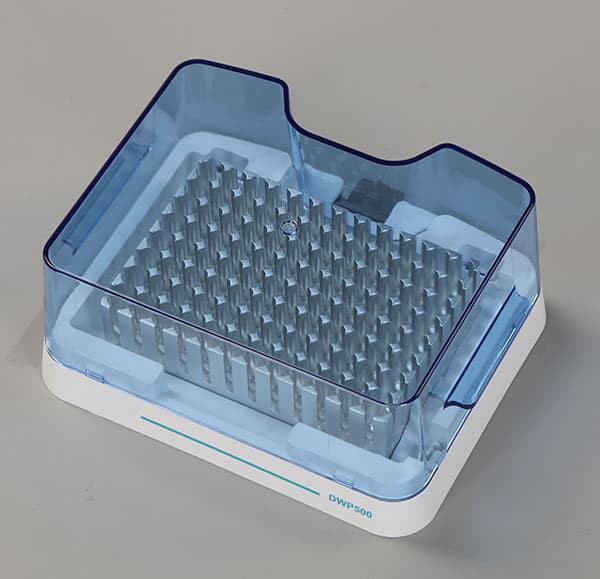
Showing 13 to 24 of 52 results
What Are Laboratory Incubators?
A laboratory incubator is an insulated chamber with a regulated internal environment (at a minimum, a controlled temperature) used to grow microbiological cultures, maintain cell lines, and incubate biological samples for experimental or diagnostic purposes. Standard microbiological incubators are heat-only instruments maintaining temperatures from a few degrees above ambient to 60 degrees C to 65 degrees C (some models higher), using forced-air or gravity convection. CO2 incubators add carbon dioxide regulation (typically 5% CO2) and humidity control to support mammalian and human cell culture. Refrigerated incubators (BOD incubators) cool as well as heat, enabling controlled temperatures below ambient for biochemical oxygen demand testing, pharmaceutical stability studies, insect rearing, and seed germination research. Applications span cell biology, microbiology, molecular biology, virology, cancer research, bacteriology, pharmaceutical stability testing, and agricultural research. Choose a microbiological (heat-only) incubator for bacterial culture; choose a CO2 incubator for mammalian cell culture; choose a refrigerated incubator for BOD testing, stability studies, or protocols requiring below-ambient temperatures.
What You Will Find:
-
Shaking Incubators: combine precise temperature control with steady orbital agitation, making them perfect for liquid cultures and cell growth that requires constant aeration.
-
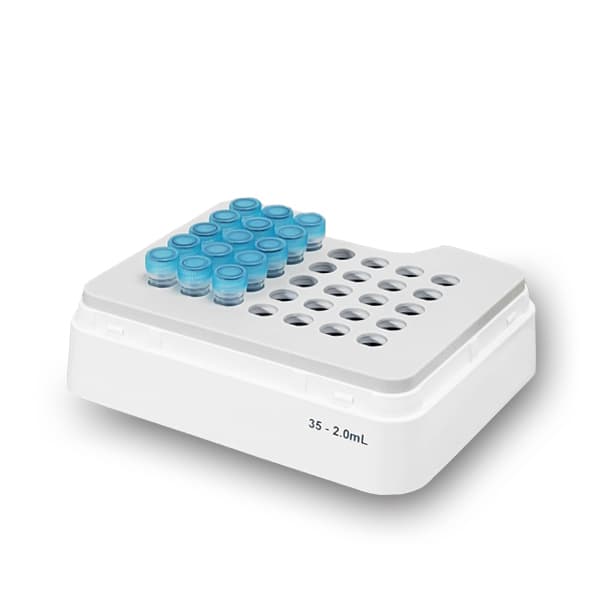
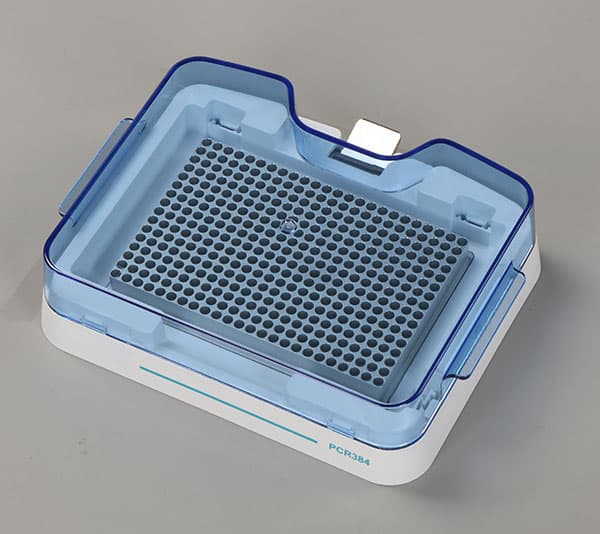
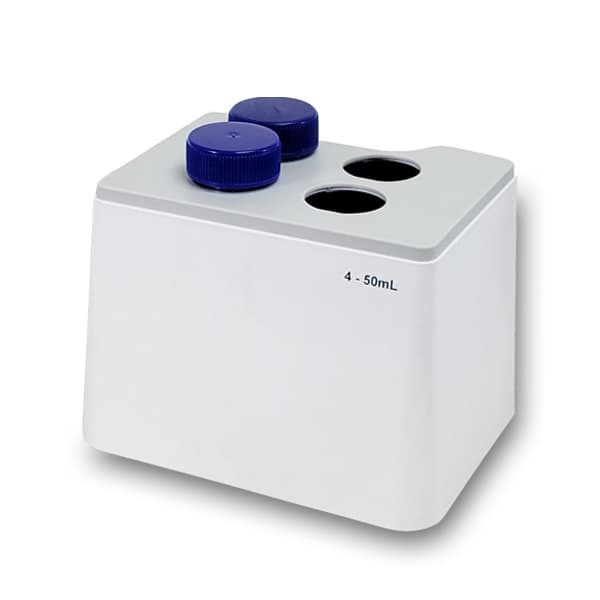
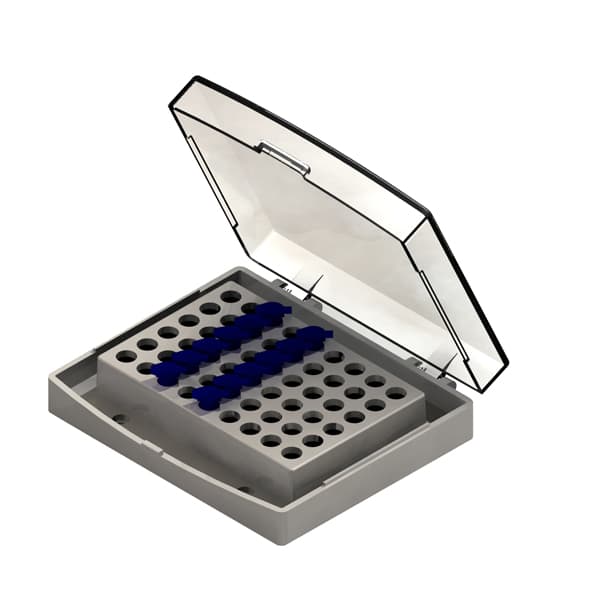
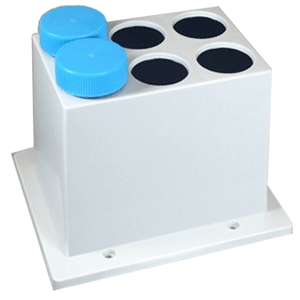
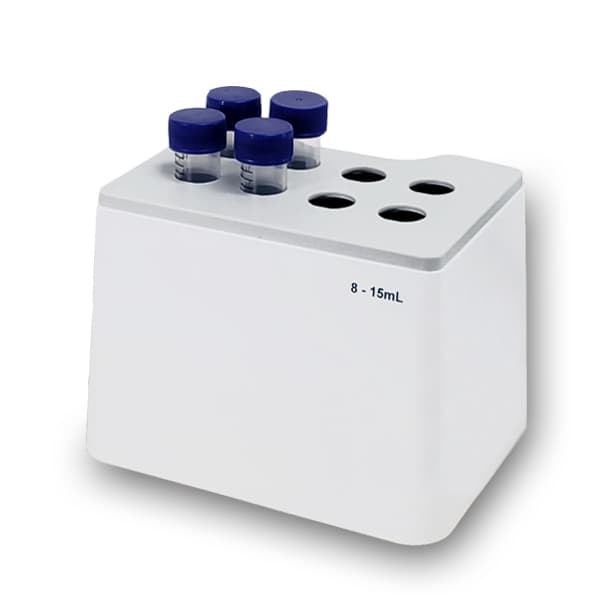
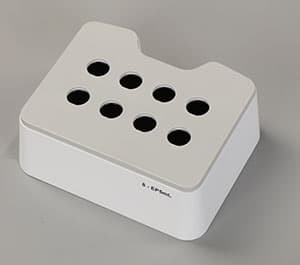
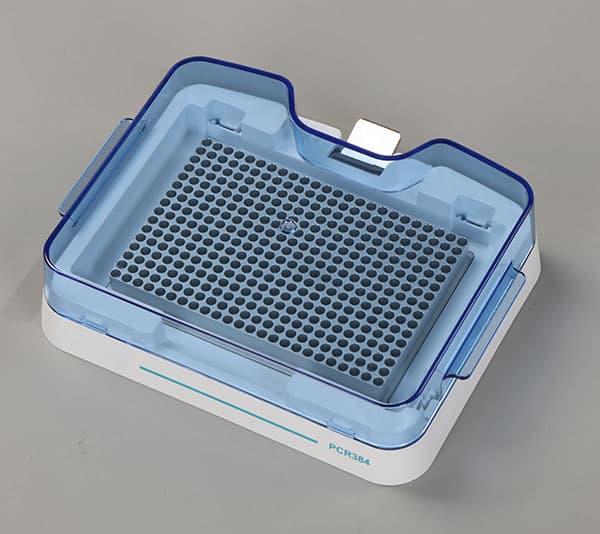
Incubator Accessories: include essential add-ons like specialized platforms, flask clamps, and internal shelving to help you customize your space and maximize sample capacity.
How to Choose a Laboratory Incubator
Incubator type: heat-only vs. CO2 vs. refrigerated
Microbiological incubators (heat-only) are the simplest and lowest-cost option, sufficient for bacterial and yeast culture where atmospheric CO2 and humidity are not controlled parameters. CO2 incubators maintain 5% to 10% CO2 and 90% to 95% humidity, which are required for most mammalian cell culture lines that use bicarbonate-based media. Refrigerated (BOD) incubators heat and cool, covering a range such as 0 degrees C to 70 degrees C, for protocols requiring both sub-ambient and elevated temperature phases in sequence.
Temperature range and stability
Most microbiological incubators cover ambient + 5 degrees C to 65 degrees C; higher-temperature models reach up to 100 degrees C for sterilization validation or drying protocols. Forced-air convection models provide better uniformity across shelves than gravity-convection models, especially in larger chambers. Target stability of plus or minus 0.1 degrees C to plus or minus 0.5 degrees C is typical for research-grade units.
Chamber volume
Chamber volumes range from compact benchtop units (under 30 L) suitable for small sample volumes or overcrowded labs to large-capacity models (200 L to 700 L) for high-throughput culture work. Stackable benchtop models conserve bench space and allow capacity expansion without a single large unit.
CO2 and humidity control (for CO2 incubators)
CO2 incubators use either infrared (IR) sensors or thermal conductivity (TC) sensors to maintain CO2 concentration. IR sensors respond faster to CO2 fluctuations and are more accurate at low concentrations; TC sensors are less expensive but require recalibration after door openings. In-chamber humidity is maintained by a water pan; some models include humidity sensors and active humidity control.
Contamination prevention
Incubator contamination (mold, bacteria) is a significant practical concern. Features that reduce contamination risk include 180 degrees C dry-heat decontamination cycles, copper interiors (antimicrobial), HEPA-filtered air circulation, and stainless steel interior surfaces that are easy to clean. In multi-user facilities, decontamination cycle capability is a key selection criterion.
Specifications Context
Temperature uniformity is rated differently by manufacturers: some specify uniformity at a single point (e.g., centre of chamber) while others specify maximum gradient across all shelf positions. For cell culture and virology work where consistency across samples is critical, confirm uniformity specs cover the full chamber volume. Units intended for IND (investigational new drug) work or GMP manufacturing require IQ/OQ/PQ validation support documentation from the manufacturer. Standard research-grade incubators for academic use do not require GMP certification. Review chamber material (stainless steel vs. galvanized), shelf load capacity, and door seal design for compatibility with your sample containers and access requirements.
Ready to find the ideal environment for your research? Explore our incubator collection and reach out to the MBP team for a friendly quote today.
FAQ