Microcentrifuges for DNA/RNA Extraction, Protein Pelleting, and Spin-Column Kits
Microcentrifuges spin 0.2–2.0 mL microtubes and PCR strips at 10,000–21,000 ×g in a fixed-angle rotor—the required force for nucleic acid kit spin-column steps (10,000–16,000 ×g), ethanol-precipitation DNA/RNA pelleting, and bacterial harvesting. They cannot be replaced by a minicentrifuge (6,000 RPM / 2,000 ×g). MBP is a registered vendor to Howard Hughes Medical Institute, MD Anderson Cancer Center, and Vanderbilt University.
Contact customerservice@mbpinc.net to compare microcentrifuge models and request pricing, availability, or institutional quotes.
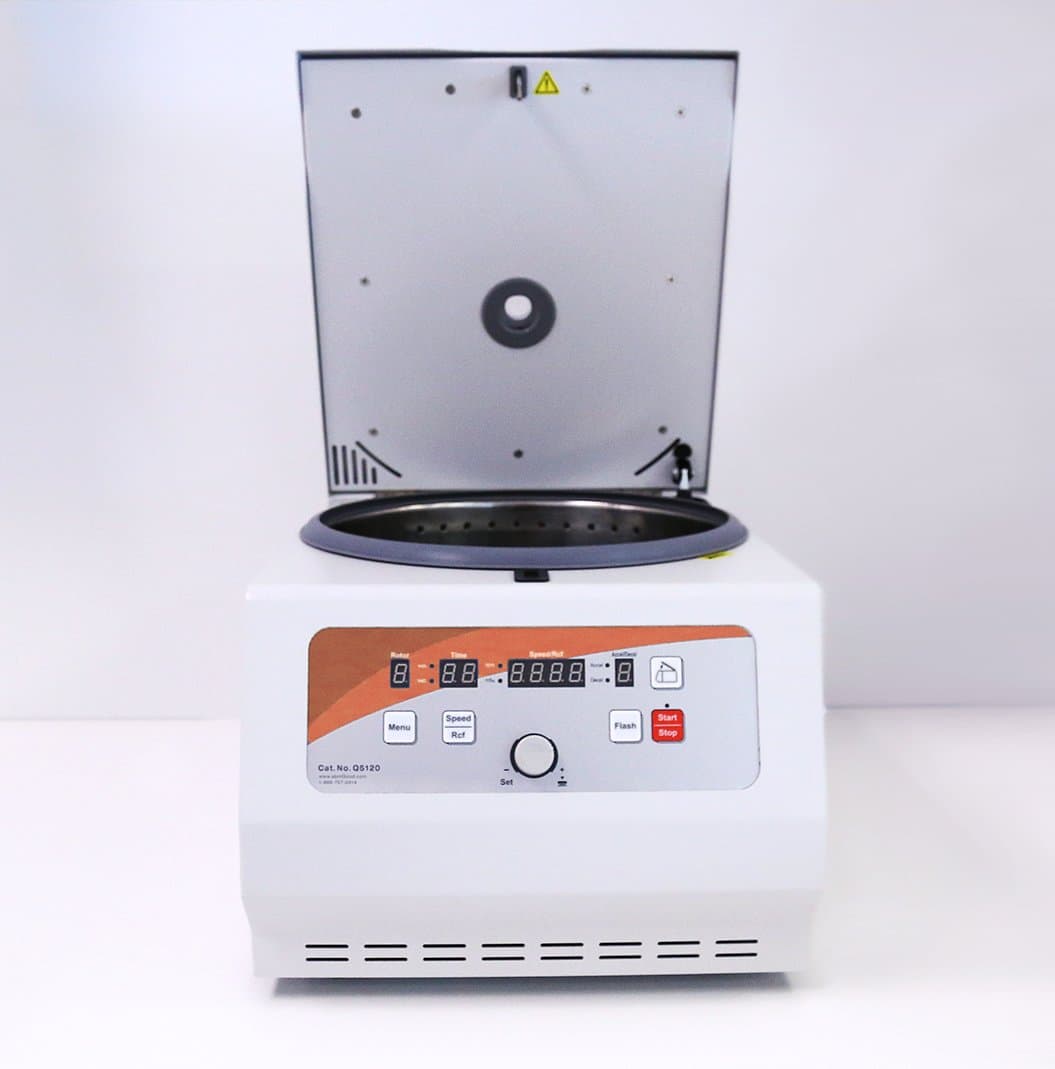
Microcentrifuge

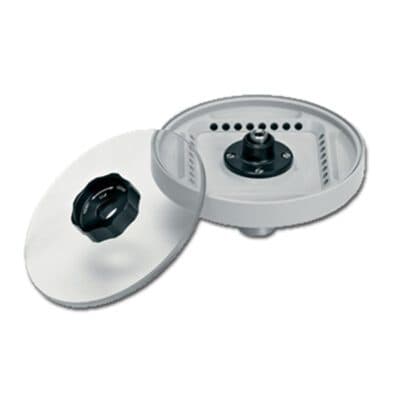
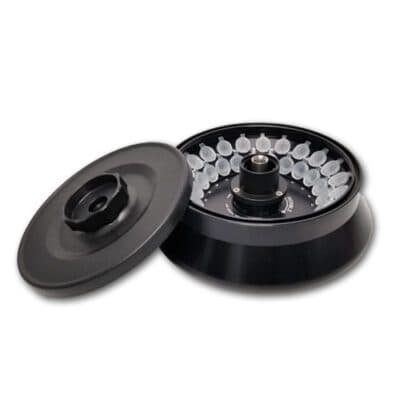
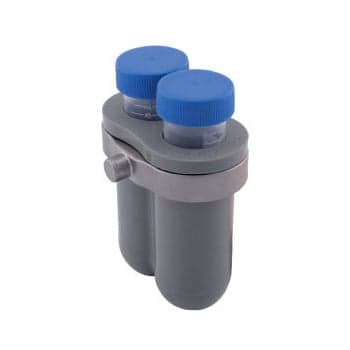
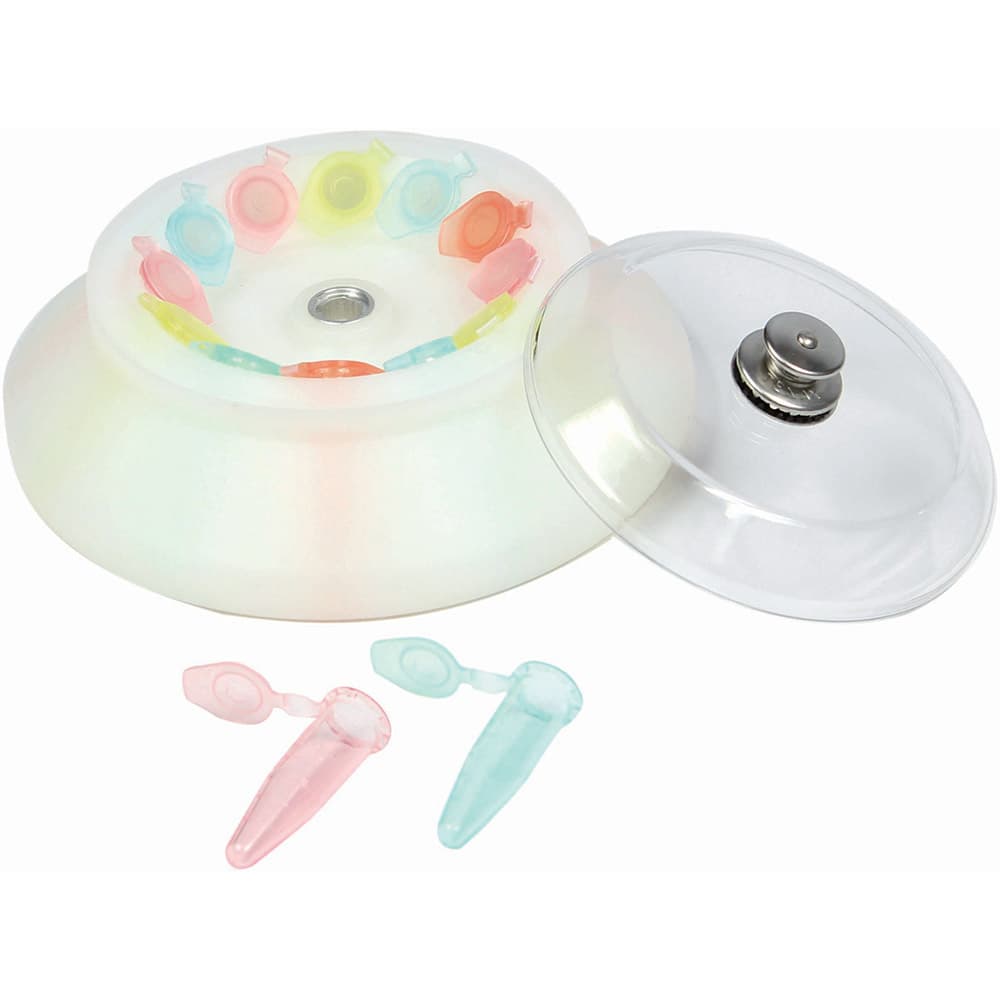



Showing 13 to 24 of 83 results
What Are Microcentrifuges?
Microcentrifuges are compact, high-speed benchtop centrifuges designed specifically for 0.2–2.0 mL microtubes and PCR strips, operating at 10,000–21,000 ×g in a fixed-angle rotor. They are the primary centrifugation instrument in molecular biology, biochemistry, and clinical molecular diagnostics labs: nucleic acid pellet formation after ethanol precipitation, spin-column DNA/RNA extraction and PCR cleanup steps (typically specified at 10,000–16,000 ×g for 30–60 seconds), cell debris clearance from lysates, protein precipitation supernatant recovery, and brief sample clarification before downstream analysis. Standard benchtop microcentrifuges reach 14,000–15,000 RPM (16,000–21,000 ×g), while high-speed models reach up to 21,000 RPM and approximately 31,000 ×g. Refrigerated variants maintain 0–4°C for temperature-sensitive workflows.
What You Will Find:
- High-Speed Microcentrifuges: For faster sample processing
- Refrigerated Microcentrifuges: For temperature-sensitive handling
- Benchtop Microcentrifuge Systems: For routine lab working
- 5D Digital Microcentrifuge: With customizable time and speed options
- Mini Microcentrifuges: Compact units for rapid spin-down tasks
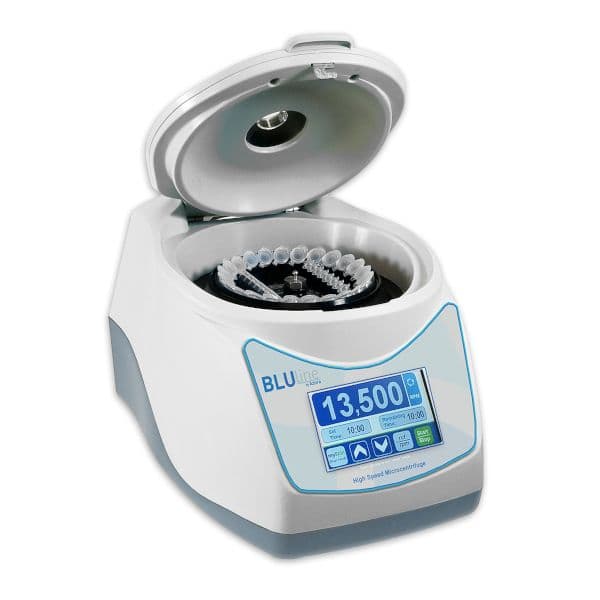
- MC-24 High-Speed Microcentrifuge: Features touch screen control and high speed
- Microplate Centrifuges: Developed for PCR plates and strip formats
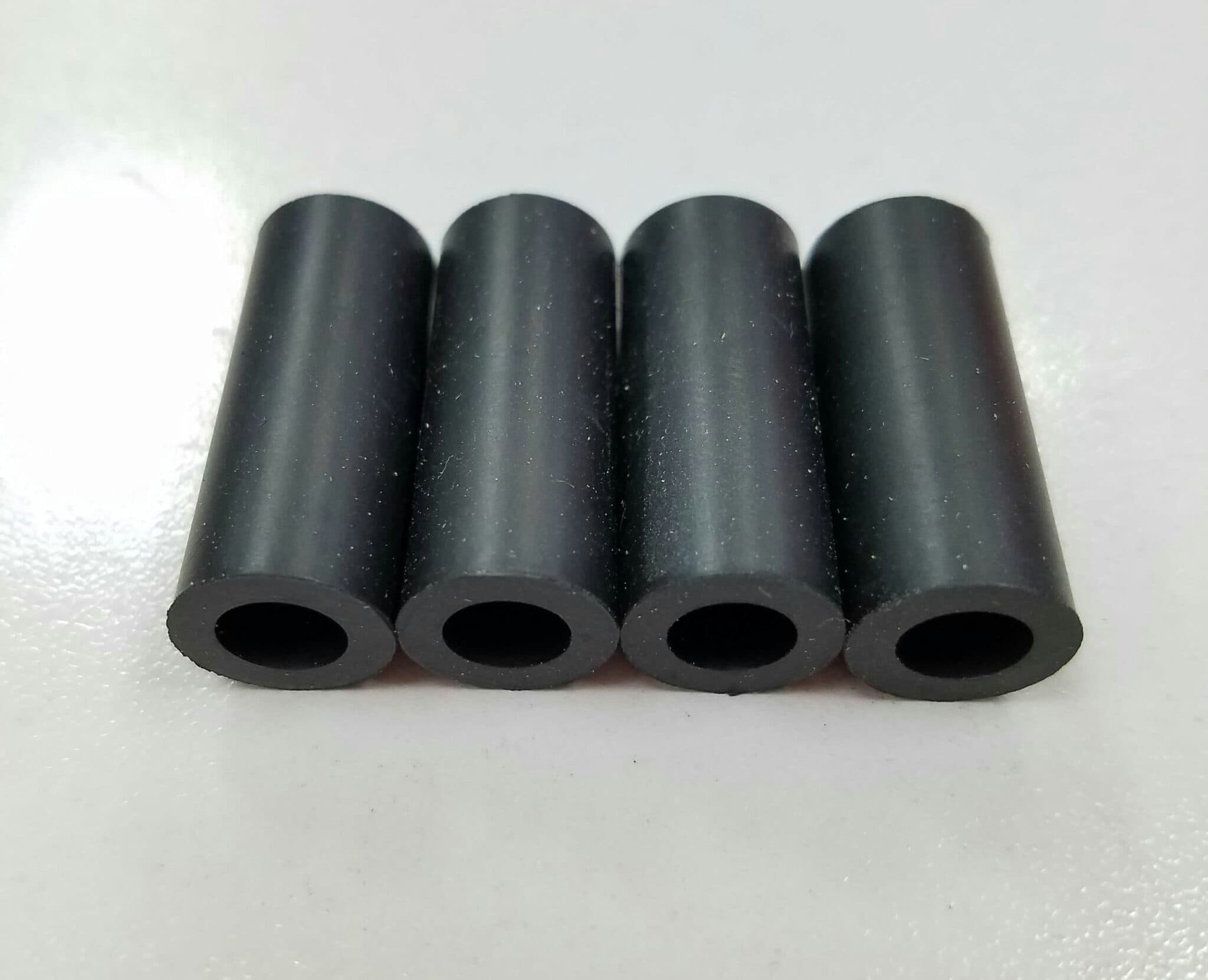
- Microcentrifuge Accessories: For expanded tube flexibility and compatibility
How to Choose a Microcentrifuge
Maximum RCF vs. Protocol Requirements
Most spin-column kit protocols specify 10,000–16,000 ×g. A standard microcentrifuge reaching 14,000–16,000 ×g covers these requirements. If your lab performs alcohol-precipitation DNA/RNA pelleting (12,000–16,000 ×g) or virus concentration steps (20,000+ ×g), choose a model reaching at least 16,000 ×g. High-speed models reaching 21,000–31,000 ×g are available for specialized applications.
Rotor Tube Positions and Capacity
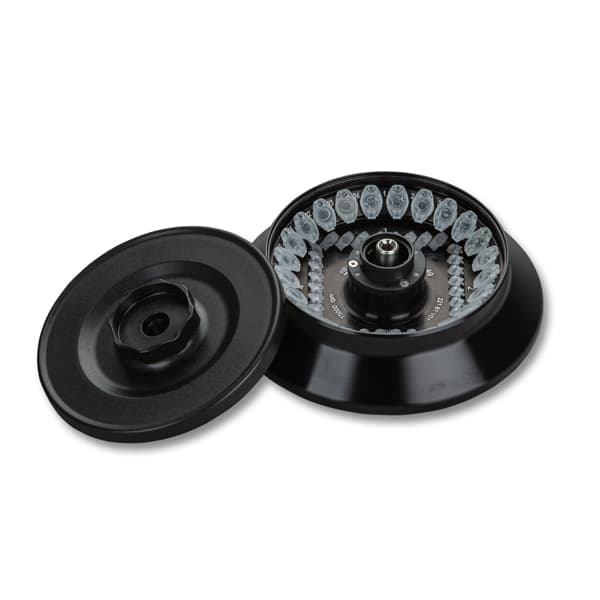
Most microcentrifuge rotors hold 12–24 × 1.5/2.0 mL tubes per run. Laboratories processing larger batches benefit from 24-position rotors, while smaller research groups may find 12-position models sufficient. Confirm that adapters for 0.5 mL and 0.2 mL tubes are available if required by your workflows.
Refrigerated vs. Ambient Temperature
Refrigerated microcentrifuges are recommended for RNA extraction, protein stability studies, cell viability applications, and any protocol requiring 4°C centrifugation. Standard room-temperature models are suitable for routine DNA extraction and PCR cleanup procedures.
Noise Level and Footprint
Modern brushless DC motor microcentrifuges typically operate at ≤52 dB, making them quieter than older brush-motor systems. Most units occupy 200–300 mm of bench width, so confirm that sufficient clearance is available when the lid is fully open.
Safety Features
Essential safety features include lid-lock mechanisms, imbalance detection, and over-speed protection. Laboratories handling infectious materials should verify that aerosol-tight sealed rotor lids are available for the selected model.
Specifications Context
The standard spin-column step in most commercial DNA/RNA extraction kits specifies 10,000–16,000 ×g for 30–60 seconds. Always confirm the rotor's maximum RCF from manufacturer specifications, since RPM values alone do not account for differences in rotor radius.
Microcentrifuge rotors are typically fixed-angle designs positioned at approximately 45°, providing efficient pelleting and short sedimentation paths. Aerosol-tight sealed lids allow safe handling of BSL-2 samples and other applications requiring biocontainment. Modern brushless DC motors offer quieter performance, improved speed accuracy, and longer service intervals than legacy brush-motor systems.
Your search for high-performance microcentrifuges is over. Contact now with the expert team at Molecular Biology Products Inc. and get the right microcentrifuge for your lab today.
FAQ