Ultraviolet Chambers for DNA & Surface Decontamination
Ultraviolet chambers use high-intensity UV-C lamps at 254 nm to decontaminate exposed instrument surfaces, pipettes, and molds in enclosed stainless-steel boxes, eliminating DNA and inactivating bacteria and viruses without heat or chemicals. They are standard equipment in PCR labs, forensics, molecular diagnostics, and clinical sample preparation to prevent carry-over contamination. MBP stocks UV chambers and accessories.
Contact customerservice@mbpinc.net to compare UV chamber models and request pricing or a quote.
Ultraviolet Chamber
Showing 1 to 4 of 4 results
What Are Ultraviolet Chambers?
Laboratory ultraviolet (UV) chambers are enclosed stainless-steel benchtop boxes equipped with high-intensity UV-C lamps operating at 254 nm, used to decontaminate exposed surfaces of instruments, pipettes, molds, and small tools that cannot be autoclaved or chemically disinfected. UV-C irradiation at 254 nm disrupts microbial DNA by forming pyrimidine dimers, preventing replication and rendering exposed microorganisms non-viable. Stainless-steel interior walls reflect UV radiation from all angles, minimizing shadow zones on items placed inside. UV chambers are standard equipment in forensic, PCR, molecular diagnostics, and clinical sample processing labs where DNA carry-over contamination between samples is a critical concern.
What you will find:
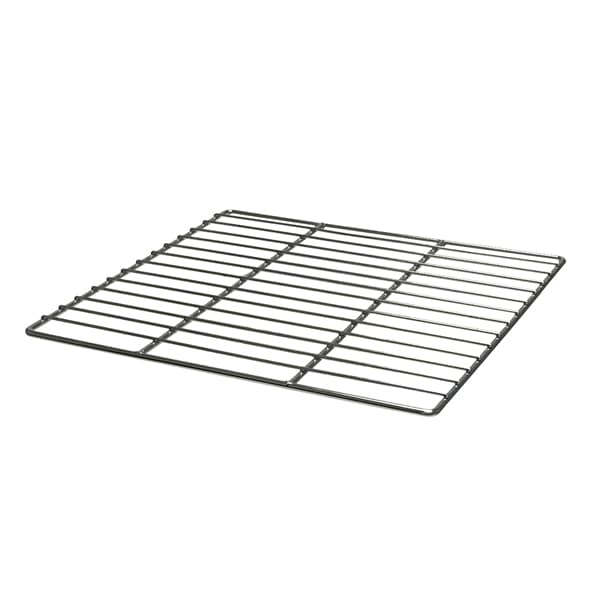
- Stainless steel extra shelves: for expanded sample capacity
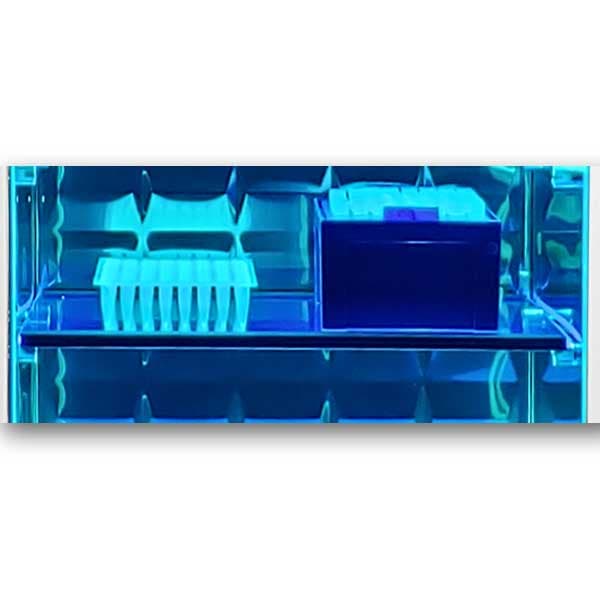
- UV transparent shelves: for optimized UV exposure
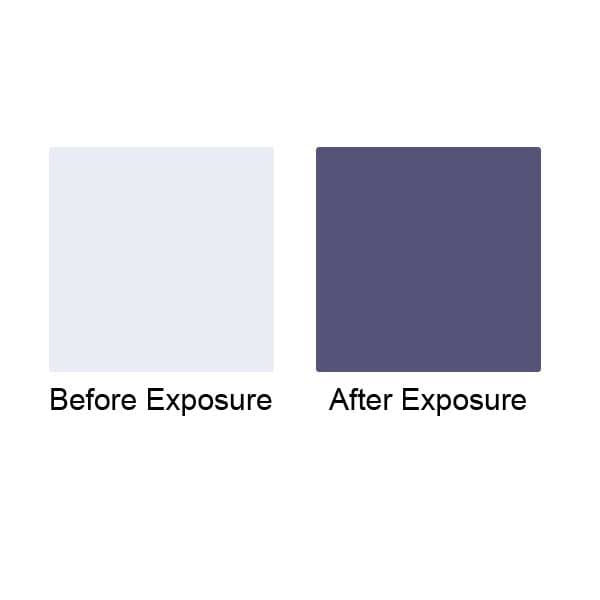
- UVC indicator stickers (pack of 40): for exposure verification
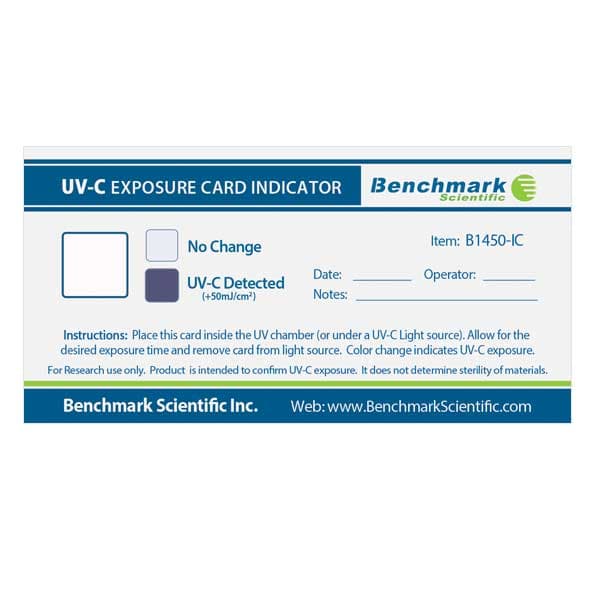
- UVC indicator cards (pack of 25): for validation of sterilization cycles
How to Choose a UV Chamber
Chamber Volume and Work Area
Benchtop UV chambers range from compact units with an internal volume of approximately 15–20 liters (suitable for individual pipettes and small tools) to larger models accommodating full instrument sets or multi-item loads. Air Science UV-Box models, for example, have an internal height of 11.25 inches (286 mm), accommodating most standard lab instruments.
Lamp Configuration and Dose Delivery
UV-C efficacy is a function of lamp intensity (µW/cm²), the number and placement of lamps, and exposure time. Optimally positioned lamp arrays eliminate shadow zones; some models specify D99 dosages—the intensity and duration required for a 2-log (99%) reduction in specific pathogens. For critical applications such as forensic DNA work, request dose data for your target organisms from the manufacturer.
Safety Interlocks
Specify a model with a door interlock preventing lamp activation until the door is fully closed, a UV-absorbing transparent window for safe visual monitoring, and a keyed lock for controlled access. These features are standard on most current laboratory UV chambers.
Timer and Programmability
A built-in timer allowing user-defined exposure cycles (typically 15–30 minutes) is standard. Microprocessor-controlled models with programmable cycle libraries and a color viewscreen allow documentation of each decontamination event for GLP/GMP records.
Accessories
Interior shelves and hanging rods allow items to be positioned for maximum UV exposure on all surfaces. Verify accessory compatibility (shelving dimensions, hanging rod diameter) with your specific model before ordering separately. See the Ultraviolet Chamber Accessories sub-category for available options.
Specifications Context
UV-C wavelength 254 nm is the germicidal peak for DNA disruption; chambers operating outside the 250–265 nm range are less effective against target organisms. Lamp output degrades over time—replace 254 nm UV-C lamps per manufacturer schedule (typically annually) to maintain decontamination efficacy. UV-C light does not penetrate opaque materials, so all surfaces to be decontaminated must have a direct line of sight to the lamps; repositioning items partway through the cycle improves coverage. As of 2026, research published in Infection Control & Hospital Epidemiology confirms UV-C irradiation at 254 nm achieves greater than 99.999% inactivation of coronavirus analogs under defined dose conditions.
Contact now with the helpful team of Molecular Biology Products Inc. (MBP) to equip your lab with the right ultraviolet chamber.
FAQ