Microbead Sterilizers for Flame-Free Instrument Tip Sterilization
Microbead sterilizers heat 1.5–2 mm glass beads to 150–300°C inside a compact benchtop chamber, sterilizing metal instrument tips—forceps, scissors, dissecting needles—in approximately 15 seconds with no flame, gas, or chemicals. They are safe for use inside Class II biosafety cabinets and anaerobic environments. MBP is a registered vendor to Howard Hughes Medical Institute, MD Anderson Cancer Center, and Vanderbilt University.
Contact customerservice@mbpinc.net to compare microbead sterilizer models and request pricing or availability information.
Microbead Sterilizer

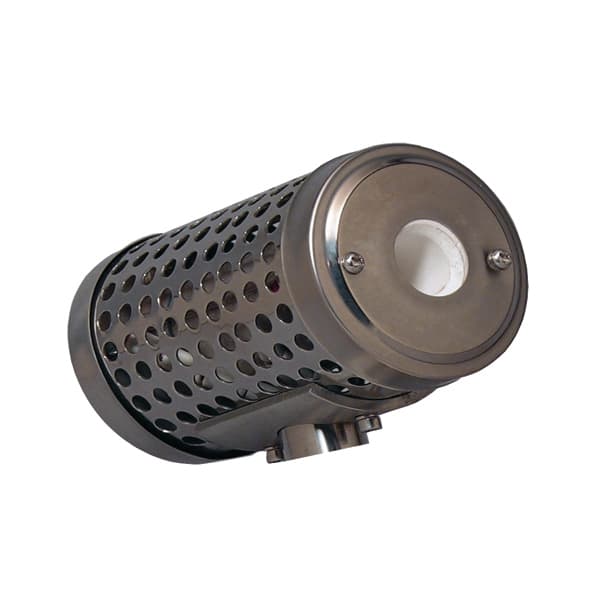
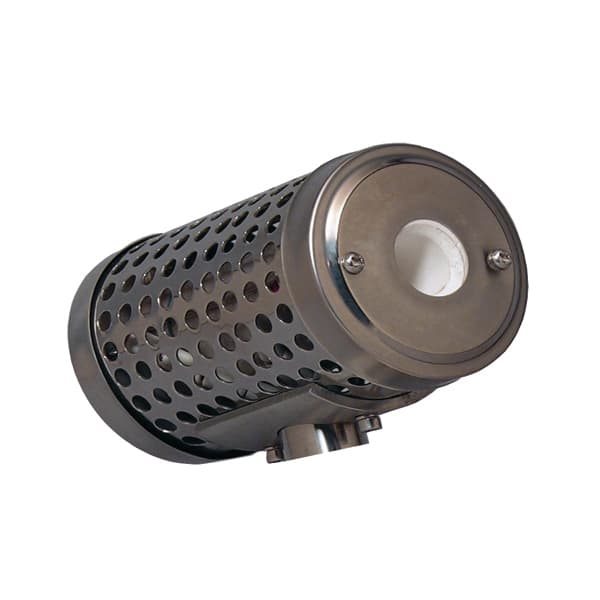
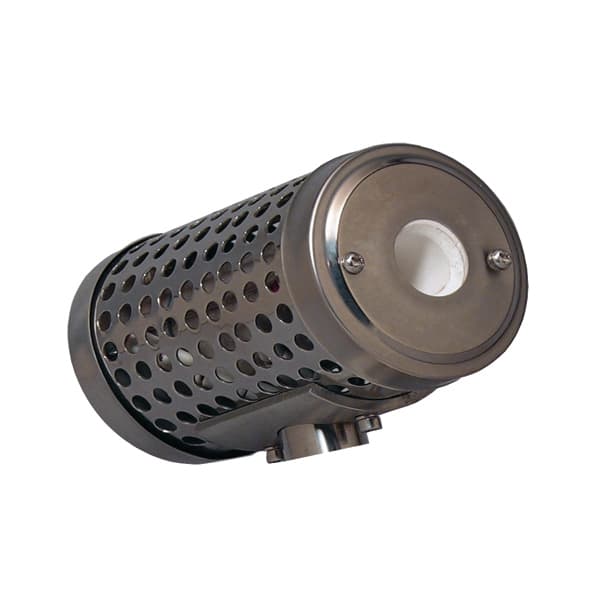
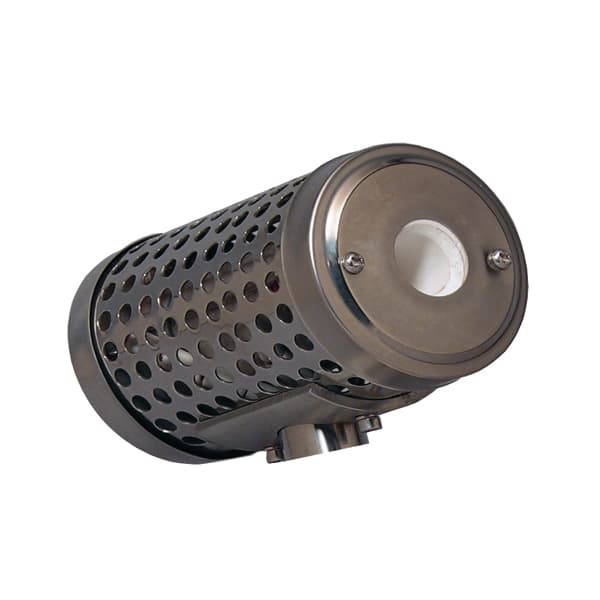
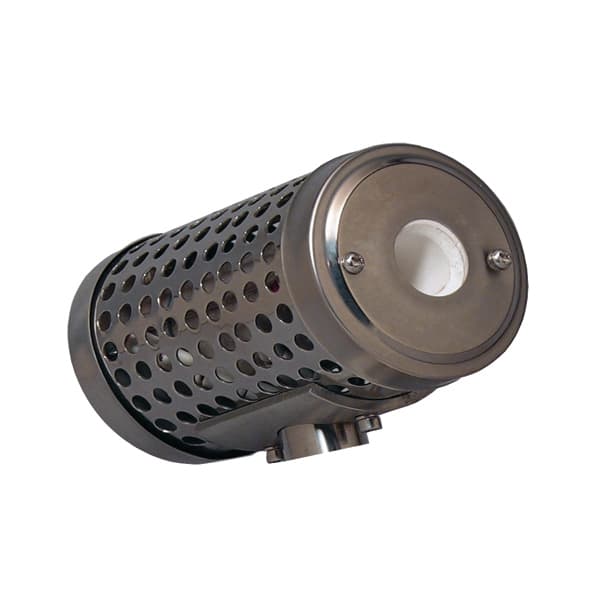
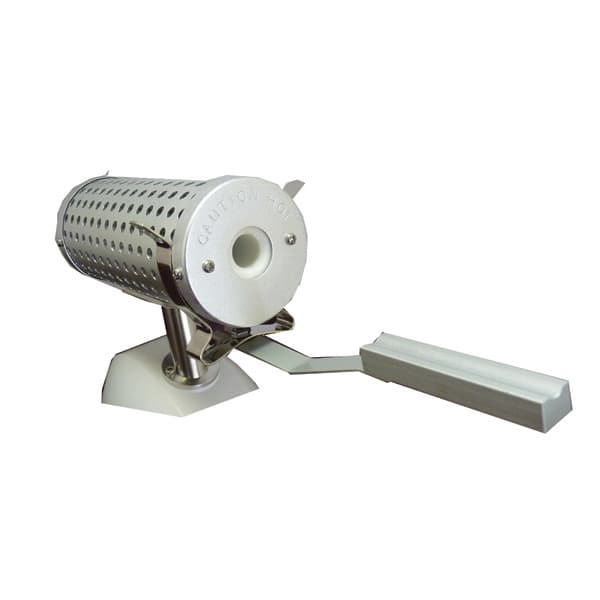
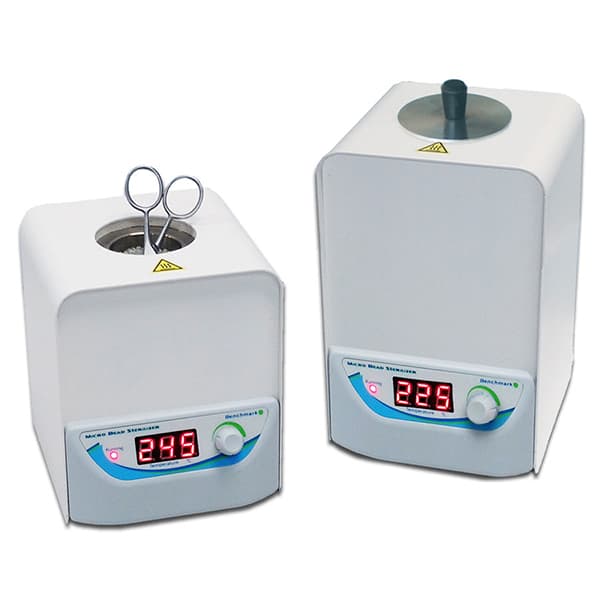
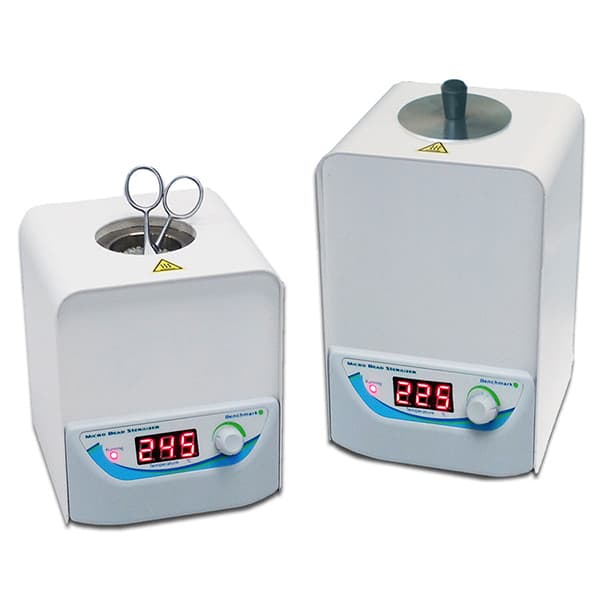
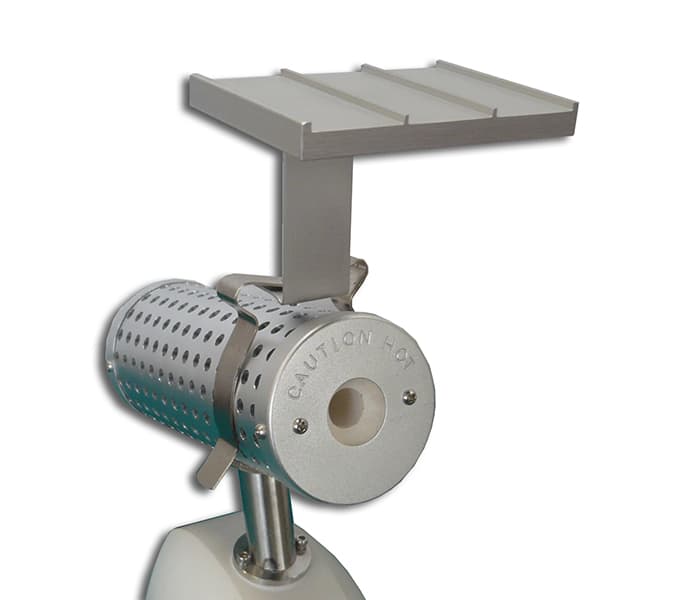
Showing 1 to 11 of 11 results
What Are Microbead Sterilizers?
Microbead sterilizers are compact benchtop instruments that heat 1.5–2 mm glass beads to temperatures between 150°C and 300°C inside an insulated chamber, enabling rapid sterilization of metal instrument tips such as forceps, scissors, dissecting needles, and scalpel handles through conductive heat transfer in approximately 15 seconds per cycle. They provide a flame-free alternative to alcohol-lamp sterilization for repeated instrument decontamination in animal surgery, plant tissue culture, microbiology, and pathology laboratories. Because they operate without gas, open flames, or chemicals, microbead sterilizers are suitable for use inside Class II biosafety cabinets and in anaerobic environments where flames are prohibited.
What you will find:
- Microbead sterilizer series: Benchtop systems designed for rapid and reliable instrument sterilization.
- Microbead sterilizer accessories: Replacement heating elements, refill glass beads, loop holders, and slide dryer attachments to support continuous laboratory operation.
How to Choose a Microbead Sterilizer
Chamber Depth and Aperture Diameter
Two chamber configurations are common: standard-depth units, approximately 8 cm deep, for short forceps tips and dissecting tools, and deep-format models, approximately 15 cm deep, for longer instruments. The aperture diameter determines the maximum instrument width that can be accommodated, so compatibility with commonly used tools should be confirmed before purchase.
Temperature Range and Control
Standard models typically operate at 250°C, which is sufficient for eliminating vegetative bacteria and many spore-forming organisms from instrument tips. Digital models provide precise temperature adjustment and monitoring through electronic controls, making them preferable for applications requiring documented operating conditions. Units capable of reaching 300°C may be selected for specialized high-temperature workflows, although prion deactivation requires dedicated sterilization procedures beyond conventional bead sterilization methods.
Warm-up Time and Duty Cycle
Most microbead sterilizers require a warm-up period of approximately 10–15 minutes to reach operating temperature. Once heated, they can operate continuously throughout the workday, while insulated housings help maintain safe exterior temperatures during prolonged use.
Biosafety Cabinet Compatibility
Flame-free operation makes microbead sterilizers compatible with Class II biosafety cabinets, provided that adequate clearance is maintained according to the cabinet manufacturer's recommendations. Laboratories should verify that the unit's footprint and heat output align with their specific biosafety setup.
Glass Bead Replacement
Glass beads serve as the primary consumable in these systems and should be replaced periodically as they become discolored or accumulate biological residues. Replacement frequency depends on instrument usage patterns, contamination risks, and laboratory protocols.
Specifications Context
Glass-bead sterilization at 250°C can eliminate vegetative bacteria and bacterial spores from instrument tips within approximately 15 seconds of contact, according to established laboratory protocols for microbiology and surgical research applications. Operating temperatures should be verified periodically using calibrated thermometers or thermocouples to ensure consistent performance over time. Microbead sterilizers are intended for research use only (RUO) and are not validated as medical sterilization devices under FDA 510(k) or comparable regulatory frameworks. As of 2026, replacement glass beads and accessory components remain widely available to support long-term operation in research laboratories.
A high-quality microbead sterilizer for your laboratory is just one click away. Contact the expert team at Molecular Biology Products Inc. (MBP) today to find the solution that best matches your workflow requirements.
FAQ