Microbead Sterilizer Accessories: Replacement Beads, Safety Covers & Elements
Microbead sterilizer accessories consist primarily of replacement 1.5–2 mm soda-lime glass beads—the functional sterilization medium that degrades through protein carbonization and bead fracture over repeated high-temperature cycling—along with safety covers and heating elements for serviceable models. Replace beads based on visual contamination criteria, not a fixed calendar schedule. MBP stocks microbead sterilizer accessories for research labs across the United States and Canada.
Contact customerservice@mbpinc.net to find compatible replacement beads and accessories for your microbead sterilizer model.
Microbead Sterilizer Accessories
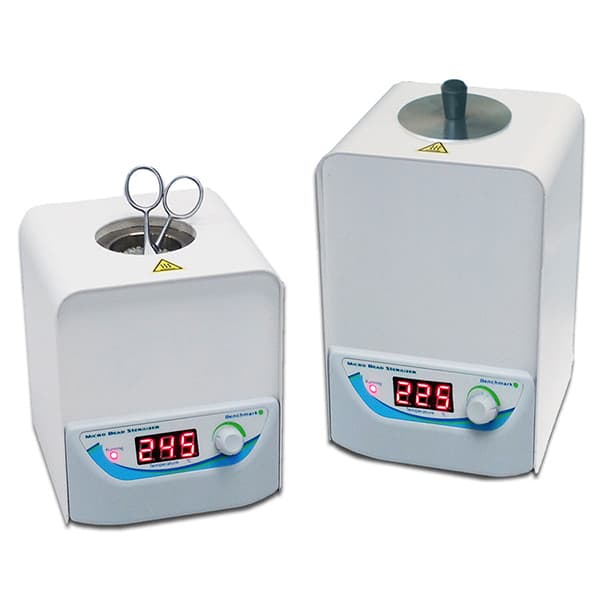
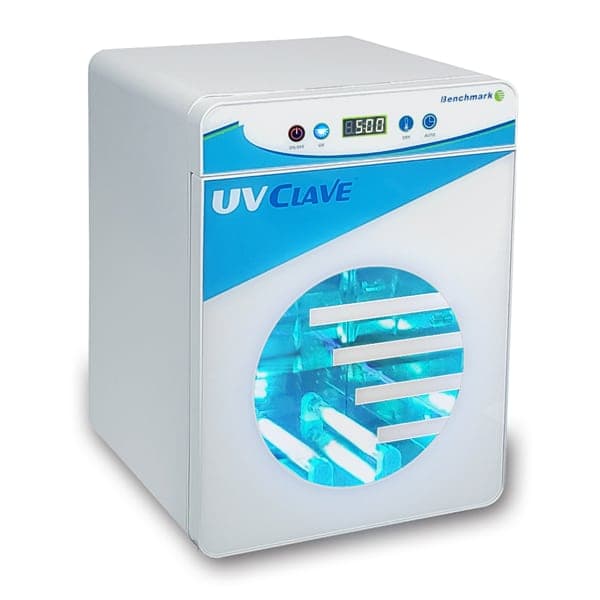
Showing 1 to 2 of 2 results
What Are Microbead Sterilizer Accessories?
Microbead sterilizer accessories are the consumable and serviceable components needed to keep a glass-bead sterilizer operating at validated sterilization performance: replacement 1.5–2 mm soda-lime glass beads (the primary consumable), safety covers that cap the hot chamber opening between cycles, and, for models with serviceable components, replacement heating elements. Unlike instrument or equipment accessories, bead sterilizer accessories are almost entirely consumable-driven—the glass beads are the functional sterilization medium and degrade through protein carbonization and bead fracture over repeated high-temperature cycling.
What you will find:
-
Refill glass beads: For continuous sterilization use
-
Microbead sterilizer refill media: for maintaining optimal heat transfer
-
Loop holder attachments: for secure and easy tool handling
-
Slide dryer attachments: for faster drying of microscope slides
- Heating element assemblies: for sterilizer maintenance and replacement. Avaiblabe in 115V and 230V
How to Choose Microbead Sterilizer Accessories
Replacement Bead Grade and Size
The only correct replacement bead for a laboratory microbead sterilizer is 1.5–2 mm diameter soda-lime glass, laboratory-grade, uncoated, and solid (not hollow). Beads outside this specification—whether too large, too small, coated, or of different glass composition—will not heat uniformly to 250–300°C or may fragment at operating temperature, contaminating the instrument tip and bead chamber.
When to Replace Beads
Replace beads based on visual criteria: visible browning or black carbonization from protein residue; visible bead fracture or chipping; accumulation of biological debris (hair, tissue, agar) that cannot be cleared by heating alone. High-use settings (multiple surgical procedures daily) may require replacement every 1–3 months; lower-volume labs may sustain a set of beads considerably longer. Establish a lab-specific replacement protocol based on actual use frequency and risk tolerance.
Safety Cover Condition
The safety cover prevents accidental contact with hot beads during idle periods and reduces heat loss between instrument insertions. Inspect the cover for fit and integrity; a cracked or deformed cover that no longer seats properly should be replaced before continued operation.
Heating Element (Serviceable Models)
For models where the heating element is separately replaceable, match the element exactly by model number. A mismatched element may not reach or hold the correct operating temperature, compromising sterilization efficacy without any visible indication to the operator.
Specifications Context
Soda-lime glass beads rated for repeated cycling between room temperature and 300°C are the correct consumable for microbead sterilizers. Glass bead sterilizers are research use only (RUO) instruments—not medical device sterilizers—and bead replacement schedules should be defined in laboratory SOPs rather than relied upon from manufacturer validation data. As of 2026, Benchmark Scientific replacement beads (for B1201/B1202 series) remain the most commonly purchased microbead sterilizer accessory in North American research labs; equivalent 1.5–2 mm laboratory glass beads from other suppliers are acceptable provided the size and grade specification match.
Contact now with the helpful team at Molecular Biology Products Inc. (MBP) to find the right accessories for your lab.
FAQ