Product Filters

Orbital Shakers for Cell Culture, Microbial Growth, and Laboratory Incubations


Orbital Shakers covers laboratory circular-orbit mixing platforms for agitating Erlenmeyer flasks, microplates, bottles, and other vessels during cell culture, bacterial and yeast growth, protein expression, hybridization, and biochemical incubations. Available in benchtop, incubated, and refrigerated configurations, orbital shakers provide the combination of agitation speed, orbit diameter, and optional temperature control needed for each application. Accessories including flask clamps and microplate holders allow one instrument to serve multiple vessel formats. Academic and core laboratories can benefit from guidance when selecting shaker configurations based on vessel capacity, temperature requirements, and incubation conditions.

Looking for an orbital shaker for your laboratory? Contact customerservice@mbpinc.net to compare benchtop, incubated, and refrigerated models and receive recommendations tailored to your culture, incubation, or mixing workflow.

Orbital Shakers
Per Page:
Sort By:
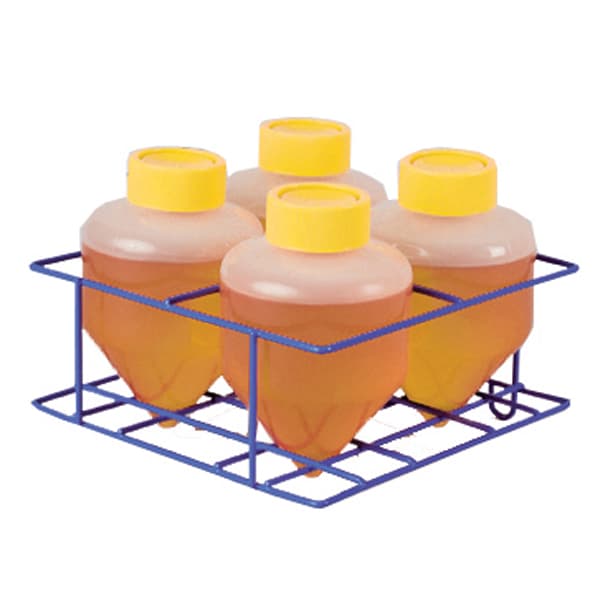
MAGic Clamp™ Tube Rack, 4x500ml or 600ml conical bottles (max. 1)
List Price:
USD308.16
Online Price:
USD220.11
Your Price:
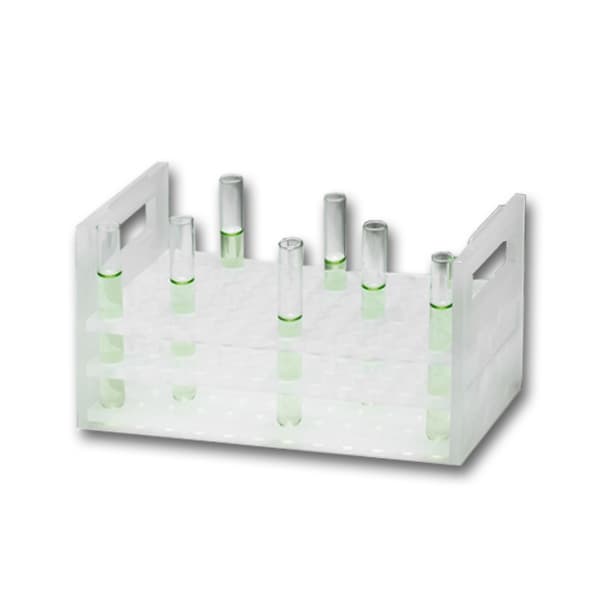
MAGic Clamp™ Tube Rack, 72x14mm culture tubes
List Price:
USD265.69
Online Price:
USD189.78
Your Price:
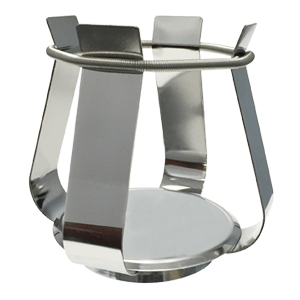
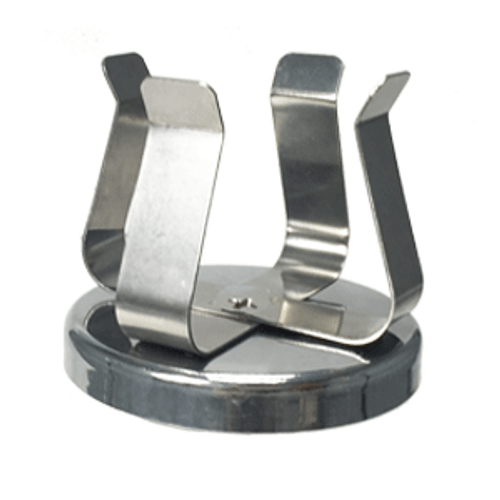
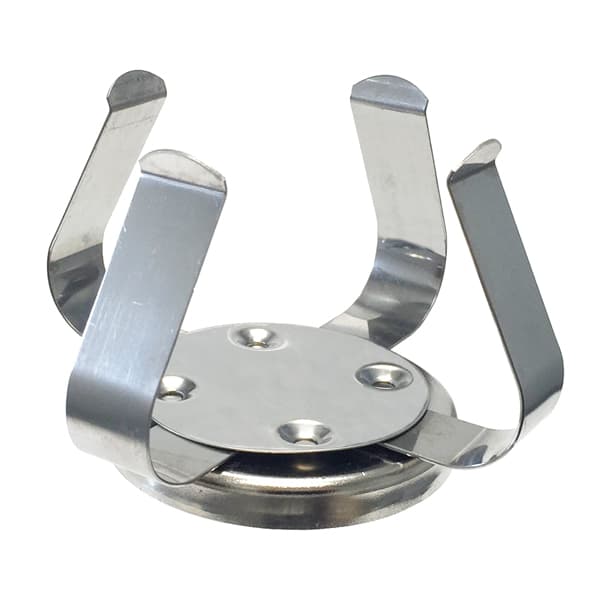
MAGic Clamp™ magnetic clamp, 1000ml Erlenmeyer (max. 5)
List Price:
USD101.41
Online Price:
USD72.44
Your Price:
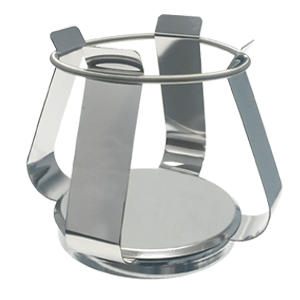
MAGic Clamp™ magnetic clamp, 125ml Erlenmeyer (max. 24)
List Price:
USD82.90
Online Price:
USD59.21
Your Price:
MAGic Clamp™ magnetic clamp, 2000ml Erlenmeyer (max. 5)
List Price:
USD131.03
Online Price:
USD93.59
Your Price:
MAGic Clamp™ magnetic clamp, 250ml Erlenmeyer (max. 14)
List Price:
USD88.78
Online Price:
USD63.41
Your Price:
MAGic Clamp™ magnetic clamp, 25ml Erlenmeyer
List Price:
USD119.77
Online Price:
USD85.55
Your Price:
MAGic Clamp™ magnetic clamp, 500ml Erlenmeyer (max. 9)
List Price:
USD88.78
Online Price:
USD63.41
Your Price:
MAGic Clamp™ magnetic clamp, 50ml Erlenmeyer (max. 30)
List Price:
USD79.83
Online Price:
USD57.02
Your Price:
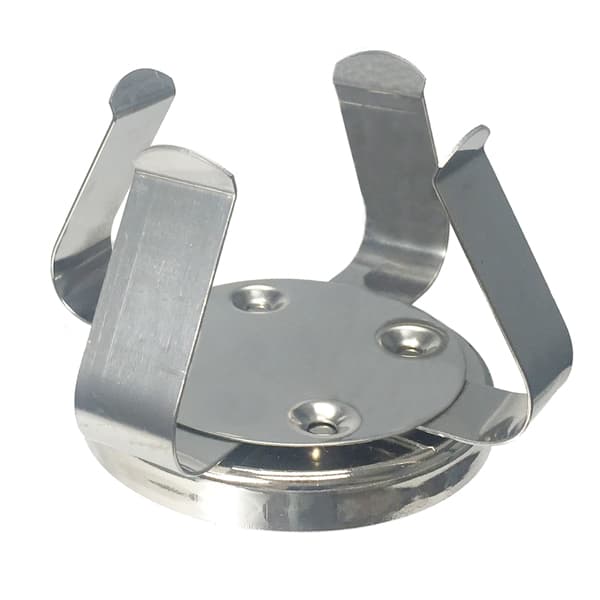
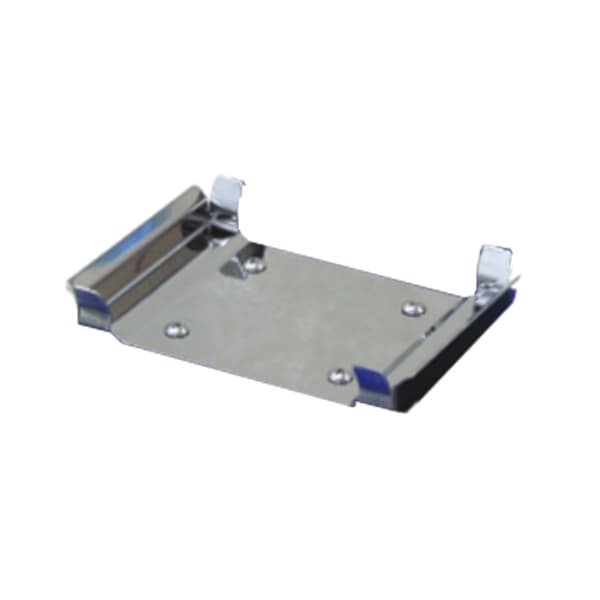
MAGic Clamp™ magnetic clamp, one microplate (max. 6)
List Price:
USD150.51
Online Price:
USD107.51
Your Price:
MAGic Clamp™ tilted holder for 15mL and 50mL tube racks (max 3)
List Price:
USD201.15
Online Price:
USD143.68
Your Price:
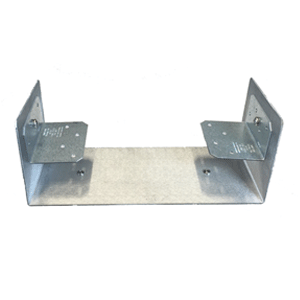
MAGic Clamp™ universal platform (LG) for flasks & tube racks, 14 x 12"
List Price:
USD471.38
Online Price:
USD336.70
Your Price:

Showing 13 to 24 of 39 results

What are orbital shakers?


Orbital shakers are laboratory mixing platforms that move their platform surface in a horizontal circular (orbital) motion at controlled speed, agitating the contents of vessels clamped or placed on the platform by inertial forces as the platform traces a circular path. The circular orbit creates a mixing pattern in flask liquids that promotes oxygen transfer from the headspace into the culture broth, which is the rate-limiting step for aerobic bacterial and yeast cultures grown in shaking flasks. Orbital shaker speed, orbit diameter, and fill volume together determine the mixing intensity and oxygen transfer rate in a culture.


What You Will Find:


  • Orbital Shaker Accessories: A comprehensive range of universal spring platforms, adjustable roller bars for non-standard vessels, stacking decks, and toolless MAGic Clamp™ magnetic holders for flasks and microplates.


How to choose an orbital shaker


Choose an incubated orbital shaker for bacterial, yeast, or mammalian culture

Incubated orbital shakers maintain above-ambient temperature inside an integrated chamber, allowing cultures to grow at their optimum temperature while being agitated. This format is commonly used for microbial culture, protein expression, fermentation screening, and other temperature-controlled applications.

Choose a refrigerated shaker for cold-temperature incubation or hybridization

Refrigerated orbital shakers maintain temperatures below ambient, typically from approximately 4°C to room temperature, making them suitable for enzyme reactions, nucleic acid hybridization, and other temperature-sensitive workflows requiring agitation.

Match orbit diameter to your flask size and culture volume

Orbital shakers are available with different orbit diameters, commonly 1 cm, 2 cm, 3 cm, and 5 cm. Smaller orbits are generally used for smaller flasks and lower volumes, while larger orbits provide increased liquid movement and aeration for larger flasks and higher culture volumes.

Select a speed range appropriate for your application

Different applications require different shaking speeds. Microbial culture often operates at higher speeds to support oxygen transfer, while hybridization, staining, and washing procedures typically require gentler agitation. Selecting a shaker with a broad speed range increases flexibility across applications.

Confirm platform size and maximum load capacity

Platform dimensions determine how many flasks, bottles, or microplates can be processed simultaneously. Maximum load capacity should accommodate the combined weight of vessels and media to ensure stable operation during continuous shaking.


Specifications context


The oxygen transfer rate in a shaking flask depends on shaking speed, orbit diameter, flask geometry, and fill volume. Appropriate combinations of these variables improve mixing efficiency and culture performance. Stackable orbital shakers remain a common solution for laboratories that require multiple simultaneous culture conditions while conserving bench and floor space.

Ready to stabilize your shaking protocols? Explore our digital orbital shakers and dynamic platform accessories, and contact the MBP team for a quote today.

FAQ

E. coli culture is typically run at 200–250 rpm with a 2–5 cm orbit diameter, with larger orbit diameters allowing equivalent mixing at lower rpm and reducing liquid splashing in over-filled flasks. The fill volume should be kept to 10–20% of the flask nominal volume — a 500 mL flask should contain 50–100 mL — to maintain adequate headspace for oxygen transfer without excessive foaming.
The headspace above the liquid in a shaking flask is the oxygen reservoir that dissolves into the culture broth during shaking, and larger headspace means more oxygen available per mixing cycle. Overfilling a flask reduces headspace and limits oxygen transfer, which can become limiting for fast-growing aerobic cultures like E. coli that consume dissolved oxygen rapidly. Keeping fill volume at 10–20% of nominal flask volume maintains adequate oxygen transfer for most standard culture applications.
An incubated orbital shaker integrates heating, control electronics, and the platform into one bench-top instrument, while placing a standard shaker inside an existing incubator requires the shaker to fit the shelf dimensions, have appropriate power connections, and tolerate incubator humidity. The incubated format is more convenient with better temperature uniformity, but is more expensive upfront than using a compact shaker in an existing incubator.
Yes, orbital shakers fitted with a microplate holder or platform insert can agitate microplates at 50–200 rpm for ELISA, cell-based assays, hybridization, and other microplate incubation applications. Microplate holders specifically designed for the shaker platform prevent the plate from sliding at higher speeds and protect the plate lid from lifting. Lower speeds of 50–100 rpm are typical for delicate cell assays, while higher speeds give more intense mixing for ELISA washing.
Orbit diameter is the diameter of the circular path the platform traces during one shaking cycle, and it determines how much momentum is imparted to the liquid in a shaking flask per revolution. A larger orbit diameter produces greater liquid displacement per revolution at the same rpm, providing better mixing and oxygen transfer, particularly important for larger flasks and higher culture volumes where a small orbit would provide insufficient liquid circulation.
Erlenmeyer flasks are secured using spring-clip or rubber-lined clamp holders attached to the shaker platform, sized to match the specific flask volume and diameter — a 250 mL flask requires a different clamp than a 1 L flask. The clamp must allow the flask to be inserted and removed easily between runs while holding it securely at the maximum shaking speed to prevent sliding or tipping. Clips and clamps are typically purchased as separate accessories matched to specific flask sizes.
Shaker speed affects oxygen transfer to E. coli cultures, and oxygen availability influences both growth rate and protein expression levels in aerobic expression systems. Under-oxygenated cultures from too-slow shaking may shift to mixed aerobic-anaerobic metabolism, reducing growth rate and protein production. However, very high speeds can also increase mechanical stress and foam formation, particularly in serum-free media, so the optimal speed balances adequate oxygenation against foam and shear stress.
Yes, MBP offers competitive pricing for benchtop, incubated, refrigerated, and stackable orbital shakers with a range of platform sizes and orbit diameters, with specialist support for matching configuration to your culture or incubation application. Contact MBP's US office in Houston, Texas, for pricing in both USD and CAD.
We provide the highest quality of products and anytime customer service.
Featured Categories
    online payment
    online payment
    fast delivery
    fast delivery
    technical support
    technical support
    24/7 support
    24/7 support
    copy right
    2026 All Right Reserved