Laboratory Disposable Gloves for Chemical, Biological, and Clinical Protection
Laboratory disposable gloves are available in nitrile (3–8 mil, latex-free, AQL ≤ 2.5, ASTM D6319), natural rubber latex (ASTM D3578, tensile strength ≥ 21 MPa), and vinyl formats, all powder-free for bench work, biological sample handling, and chemical protection. Medical-grade exam gloves meet FDA AQL 2.5 requirements; 100 gloves per box, 10 boxes per case. MBP supplies labs across the United States, Canada, and internationally with PO and Quick Order procurement at mbpinc.net.
Need help selecting the right laboratory gloves for your application? Contact customerservice@mbpinc.net for product recommendations, pricing, and procurement support.
Gloves
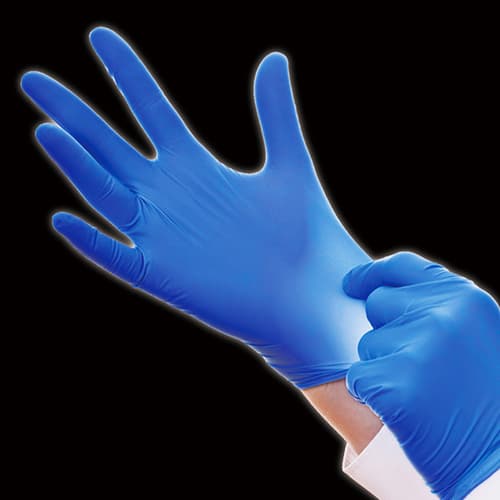
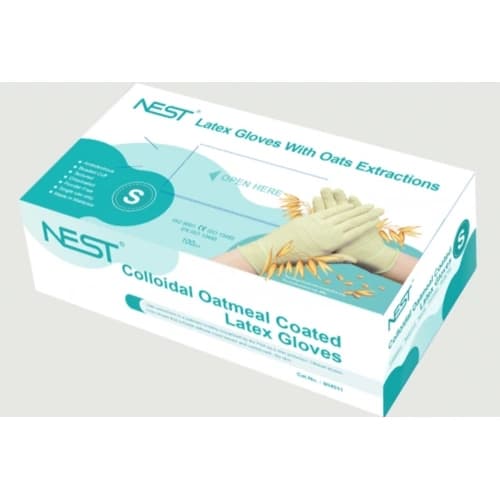
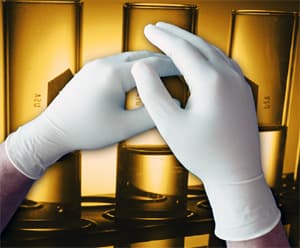
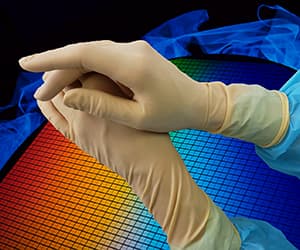
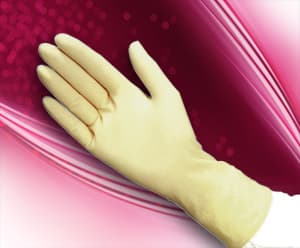




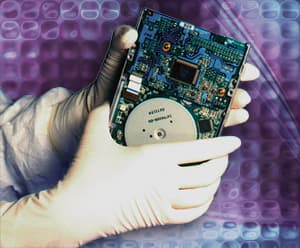
Showing 1 to 12 of 16 results
What are laboratory disposable gloves?
Laboratory disposable gloves are single-use hand protection items worn to create a barrier between the user’s skin and biological samples, chemicals, pharmaceutical materials, and contamination-sensitive surfaces. Nitrile (nitrile butadiene rubber, NBR) is the dominant material in modern labs — it is latex-free, approximately three times more puncture-resistant than natural rubber latex, and chemically resistant to oils, dilute acids and bases, and many common organic solvents. Latex gloves retain higher elasticity and tactile sensitivity and remain preferred in applications where dexterity is more important than latex allergy concerns. Vinyl (PVC) gloves are a low-cost option used only for low-risk, non-hazardous tasks.
What you will find:
-
Nitrile gloves for superior chemical and biological resistance
-
Latex gloves for high flexibility and maximum tactile sensitivity
How to choose laboratory gloves
Material
Nitrile is the standard choice for most laboratories because it is latex-free, chemically resistant, and widely available in medical-grade specifications. It is suitable for molecular biology, clinical diagnostics, pharmaceutical QC, and general chemical handling. Latex gloves provide better elasticity and tactile sensitivity but carry allergy risks. Vinyl gloves are only suitable for non-hazardous tasks such as sample labeling or light cleaning duties.
Thickness
Thin gloves (around 3 mil) are used when high dexterity is required, such as pipetting or delicate cell work. Medium thickness (4–5 mil) is the standard for general laboratory use. Thicker gloves (6–8 mil) are used for handling hazardous chemicals or when higher puncture resistance is needed.
Medical-grade vs industrial-grade
Medical-grade gloves (AQL ≤ 2.5) are tested for tighter defect limits and are required for biological, pharmaceutical, and regulated laboratory workflows. Industrial-grade gloves (AQL 4.0) have higher allowable defect rates and are not suitable for contamination-sensitive or clinical environments.
Powder-free requirement
Only powder-free gloves are used in laboratories because powdered gloves can contaminate cell cultures, PCR reactions, and analytical instruments. Powdered medical gloves are no longer permitted in healthcare settings due to contamination and inhalation risks.
Chemical resistance
Nitrile gloves resist oils, dilute acids, dilute bases, and many solvents, but they do not protect well against strong ketones (like acetone), aromatic solvents (like toluene), or strong oxidizers. Selection should always match the specific chemical exposure and duration of contact.
Specifications context
ASTM D6319 defines requirements for nitrile exam gloves, including tensile strength and elongation standards, while ASTM D3578 covers natural rubber latex gloves. Medical-grade gloves must meet AQL 2.5 standards and often require regulatory clearance depending on the region and intended use. Standard packaging is 1,000 gloves per case (10 boxes of 100), with typical glove lengths around 9–9.5 inches and beaded cuffs for improved durability. As of 2026, powder-free nitrile gloves in the 4–5 mil range remain the most widely used disposable PPE item in research and clinical laboratories.
Get in touch with MBP and equip your lab with gloves built for comfort, control, and confidence. Contact our team today to find your perfect fit and request a quote.
FAQ