PCR Consumables: Tubes, Plates & Tube Racks
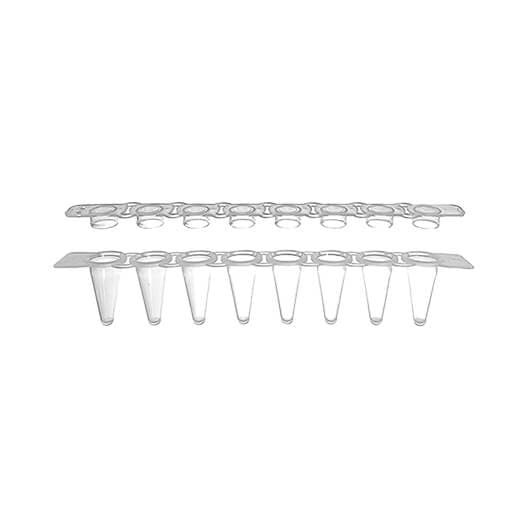
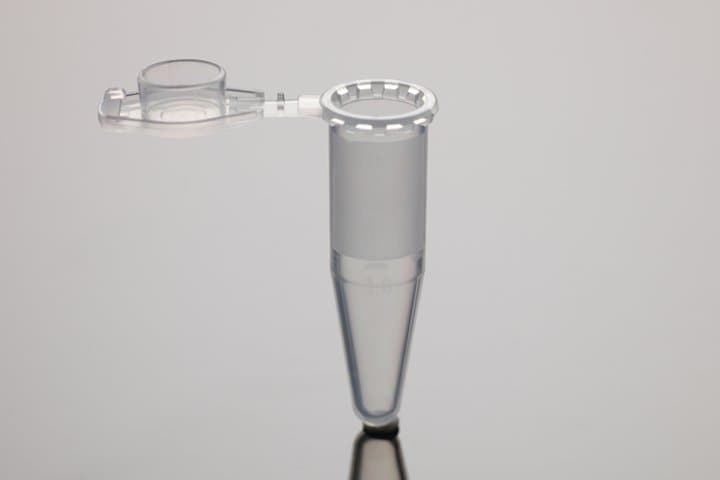
PCR consumables are thin-wall polypropylene vessels — including single tubes, strip tubes, 96-well plates, 384-well plates, and sealing films — used across end-point PCR, qPCR, RT-PCR, and genotyping workflows. Standard 0.2 mL and low-profile 0.1 mL formats accommodate virtually every thermal cycler block.
MBP Inc. stocks PCR consumables for academic, clinical, and biopharma labs throughout the USA and Canada, with Quick Order and PO purchasing available for procurement teams at institutions such as Vanderbilt University and MD Anderson Cancer Center. Request a quote today by contacting customerservice@mbpinc.net
PCR Consumables




Showing 1 to 12 of 32 results
What Are PCR Consumables?
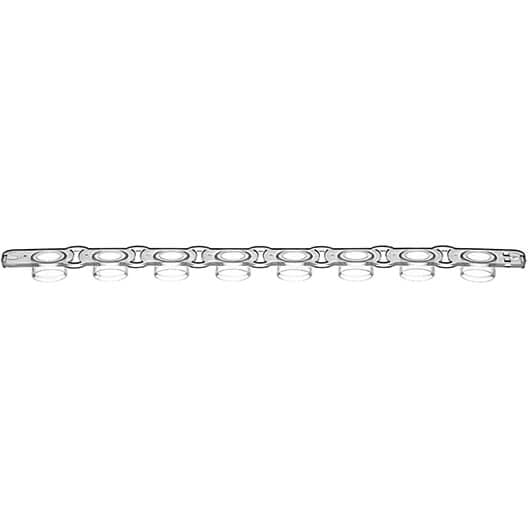
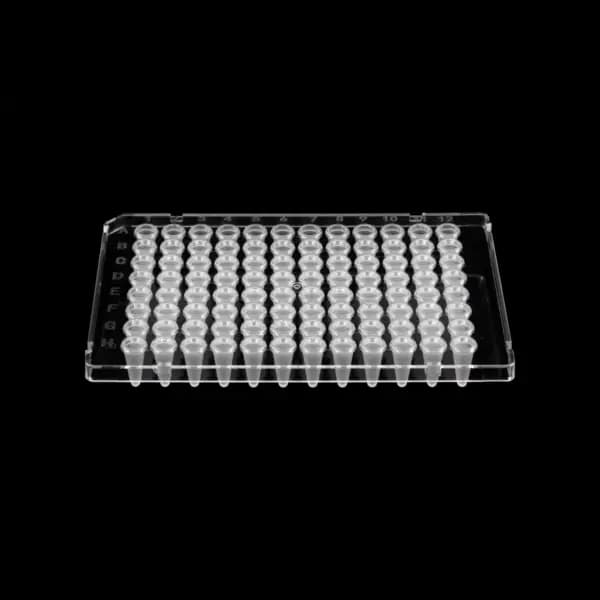
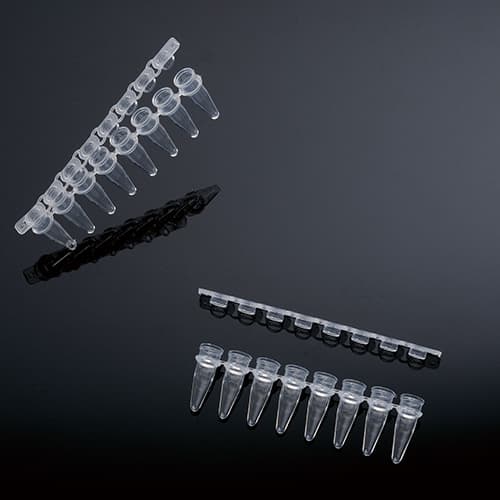
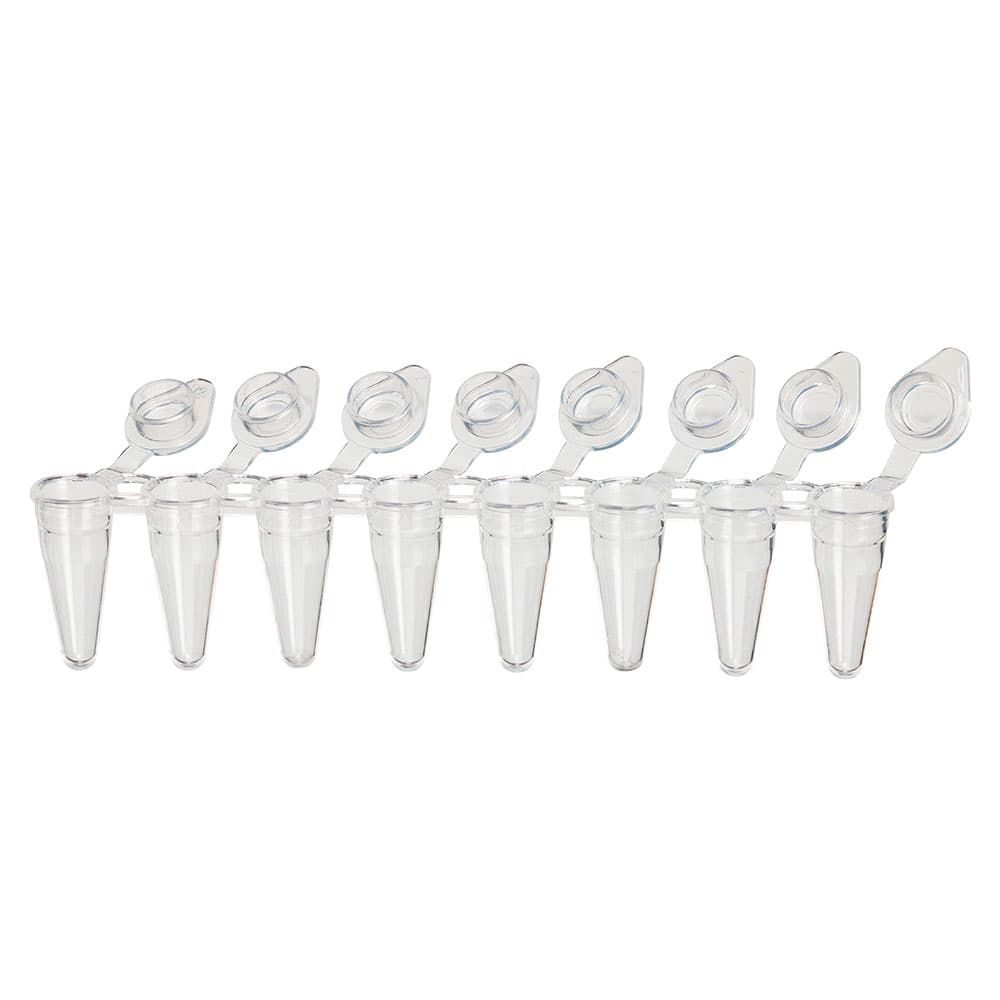
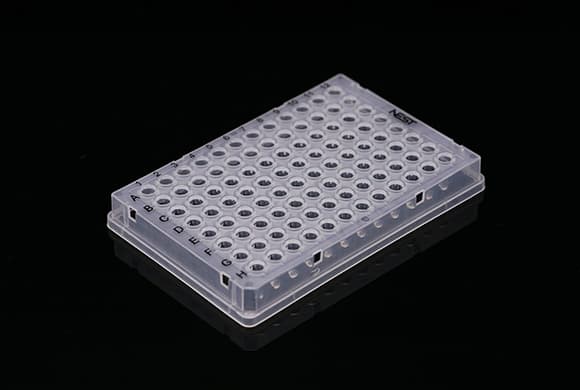
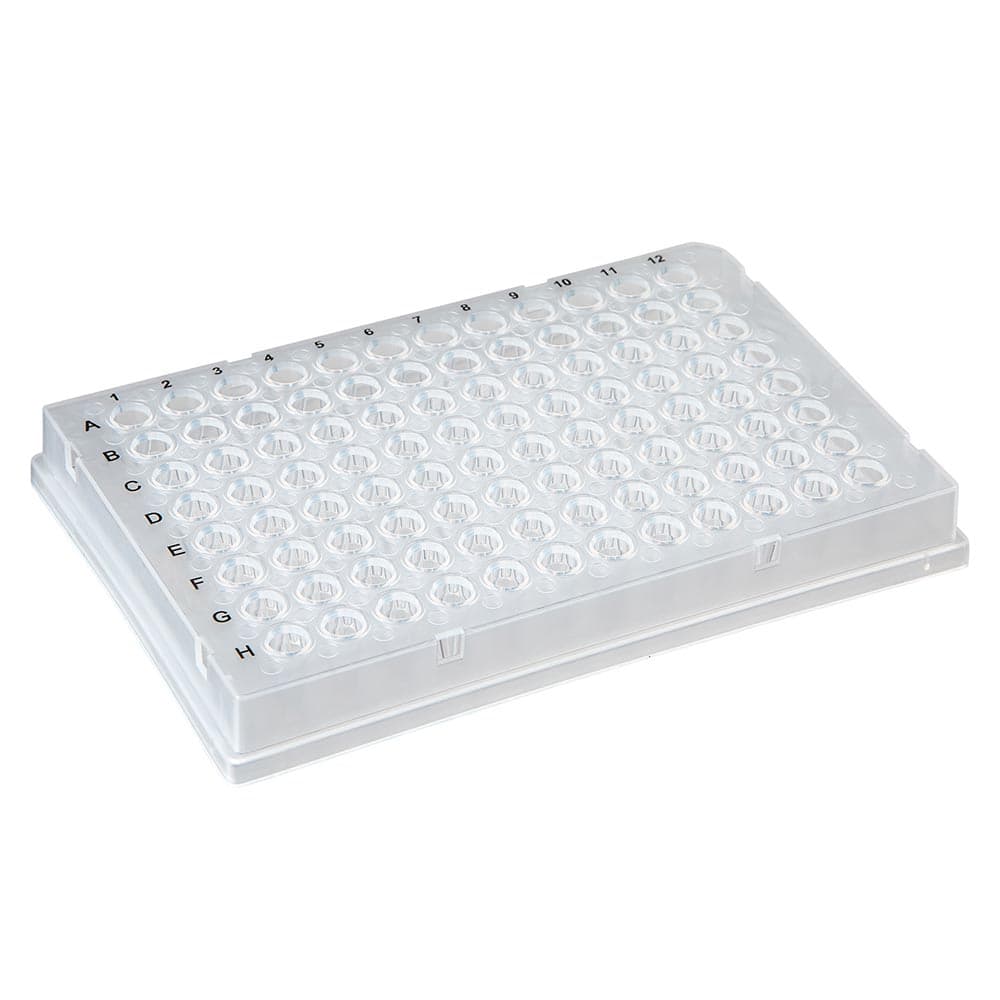
PCR consumables are single-use, thin-wall polypropylene reaction vessels and sealing components designed for the precise temperature cycling required in polymerase chain reaction, quantitative PCR (qPCR), reverse-transcription PCR (RT-PCR), and genotyping. Key formats include 0.2 mL individual tubes, 8-strip and 12-strip tubes, skirted and semi-skirted 96-well plates, 384-well plates, dome caps, flat optically-clear caps, and PCR sealing films. Related consumables include PCR master mixes, dNTPs, and DNA ladders available through MBP's reagents catalog. Match tube format to your cycler block type and choose flat/optically clear caps or films only when running real-time fluorescence detection.
What you will find:
-
PCR Tubes – Fast & Reliable Thermal Cycling
-
PCR Plates – High-Throughput Accuracy for Molecular Applications
-
PCR Tube Racks – Organized Sample Handling for Efficient Workflows
How to Choose PCR Consumables
Tube Volume and Block Profile
Standard 0.2 mL tubes fit conventional (tall-block) thermal cyclers such as Bio-Rad T100, Eppendorf Mastercycler, and Applied Biosystems Veriti. Low-profile 0.1 mL tubes are required for fast-block cyclers (e.g., Applied Biosystems StepOnePlus, Bio-Rad CFX96 Fast) where reaction times are shortened by reduced wall distance to the block.
Cap Transparency for Real-Time PCR
Dome caps are standard for endpoint PCR. Optically clear flat caps are required for real-time/qPCR fluorescence detection through the top of the tube; dome caps scatter light and compromise Ct reproducibility. For plate formats, use optically clear adhesive sealing films or optical plate seals rather than pierceable foil films.
Plate Skirt Format
Fully-skirted plates are rigid and robot-compatible; use them for liquid-handling automation (Hamilton, Tecan, PerkinElmer). Semi-skirted plates work with most multichannel pipettors and many cyclers. Non-skirted (unskirted) plates are best for cyclers with compression lids.
Purity Certification
All PCR consumables should be certified free of DNase, RNase, human DNA, and PCR inhibitors. Labcon PurePlus and Bio-Rad Class 100,000 cleanroom moulding are benchmarks; look for independent lot-level QC documentation.
Instrument Compatibility (Corbett/Rotor-Gene)
Labs running QIAGEN/Corbett Rotor-Gene instruments require 0.1 mL 4-strip tubes — the Corbett style — rather than standard 8-strip tubes.
Specifications Context
Thin-wall PCR tubes are moulded from virgin polypropylene (PP) free of additives; wall thickness is typically 0.25–0.35 mm to maximise thermal conductivity. DNase/RNase-free and PCR inhibitor-free certification is confirmed per lot by independent testing. Plates conforming to ANSI/SBS footprint standards (127.76 × 85.47 mm) are required for standard liquid-handling platforms. As of 2026, compatibility labelling with specific cycler brands (Applied Biosystems QuantStudio, Eppendorf Mastercycler) is increasingly provided by manufacturers and aids procurement decisions.
Request a quote from MBP's expert team today to find the right PCR consumables for your lab.
FAQ