The cell culture flask is a fundamental scientific tool used in modern biotechnology research, providing a controlled environment for growing, studying, and manipulating cells. These systems have a wide range of applications, from day-to-day academic experiments to groundbreaking pharmaceutical developments and vaccine production.
The cell culture technique allows scientists to grow eukaryotic cells and prokaryotic cells outside their natural environment. This supports the growth of isolated cells and enables cloning, making them suitable for large-scale research. Researchers use flasks to study disease mechanisms, understand cellular physiology, and conduct viral studies. According to an NIH study on cell culture, contamination-free equipment, including the flasks, is crucial for successful lab experiments.
Proper flask selection is essential for obtaining reliable results. According to a study examining significant variations across diverse flask brands, differences in flask surface quality influence cell growth, behavior, and reproducibility. This highlights that not all flasks perform equally.
At MBP, we offer premium-quality flasks to meet the evolving needs of researchers who require contamination-free, consistent results. Our culture consumables include treated and non-treated flask options. Each category of flasks has its own use and scientific applications:
Treated Cell Culture Flask
The flask surface is plasma-treated, which allows cell attachment and adhesion. This promotes efficient cell growth and proliferation.
Applications: Cancer research, tissue engineering, virology studies, drug discovery, and toxicity testing.
Non-Treated Cell Culture Flask
These flasks feature hydrophobic surfaces that prevent unwanted cell attachment, making them suitable for media preparation, storage, and suspension cultures.
Applications: Protein production, immune cell studies, and hybridoma production.
From standard T-flasks (T25, T75, and T175) to shake flasks, spinner flasks, and multilayer systems, these essential tools provide sterile conditions necessary for growing adherent and suspension cells, making them essential from early discovery to the development of complex biological processes.
Top 10 Research Applications of Cell Culture Flasks
-
Vaccine Production
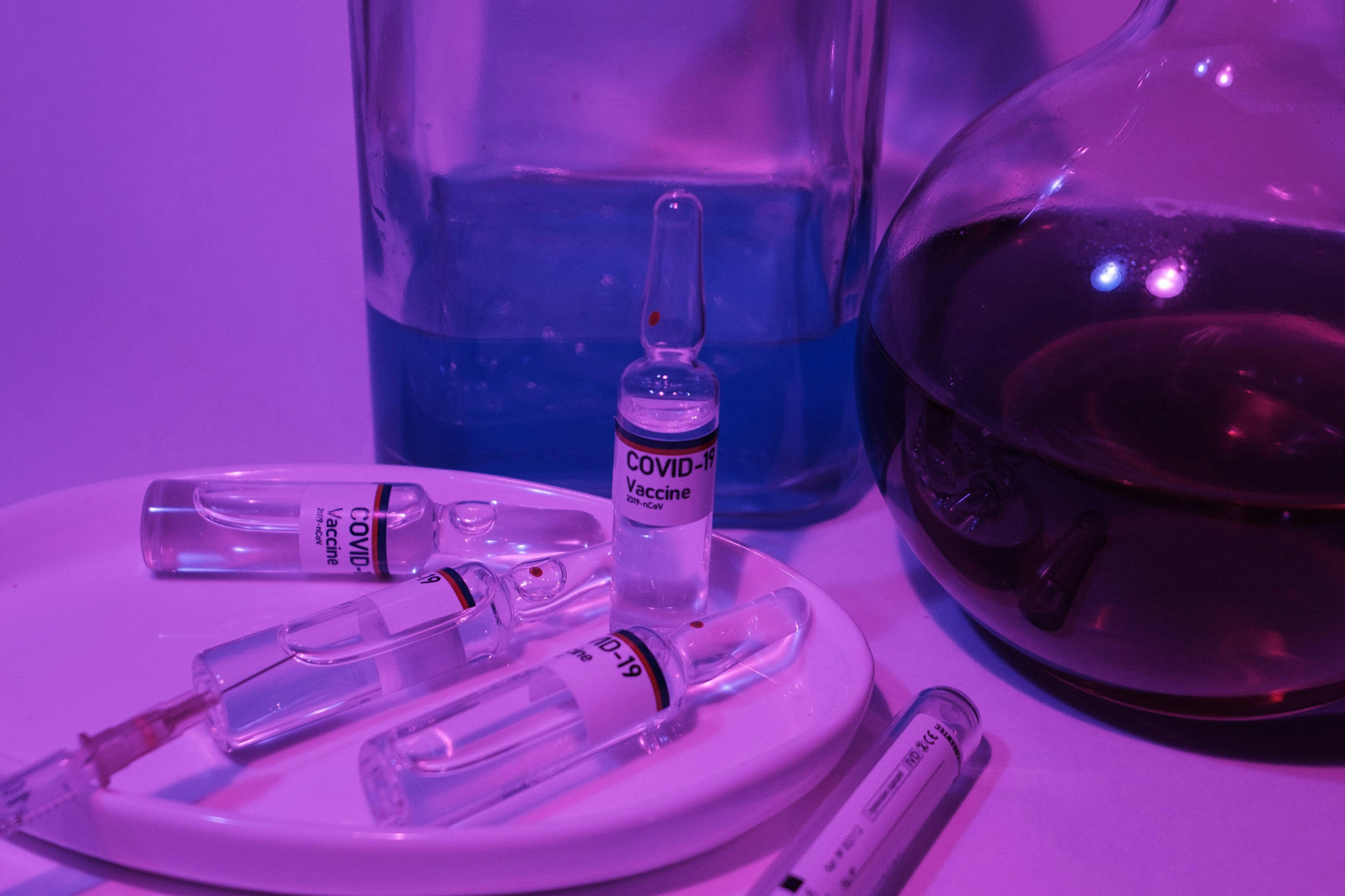
Flasks are used in the early stages of vaccine development to propagate viruses and optimize production conditions. Scientists study viruses in host cells to understand viral infection life cycles, behaviors, and replication.
T-flasks or multilayer flasks are typically used to grow adherent cells. Shake flasks and spinner flasks support scalable viral cultures. These arrangements allow researchers to modify media composition, cell density, and infection parameters before transitioning to bioreactors. Virus amplification is often initiated in multiple tissue culture flasks, reinforcing their role as a standard cell expansion system. -
Cancer Research & Tumor Biology
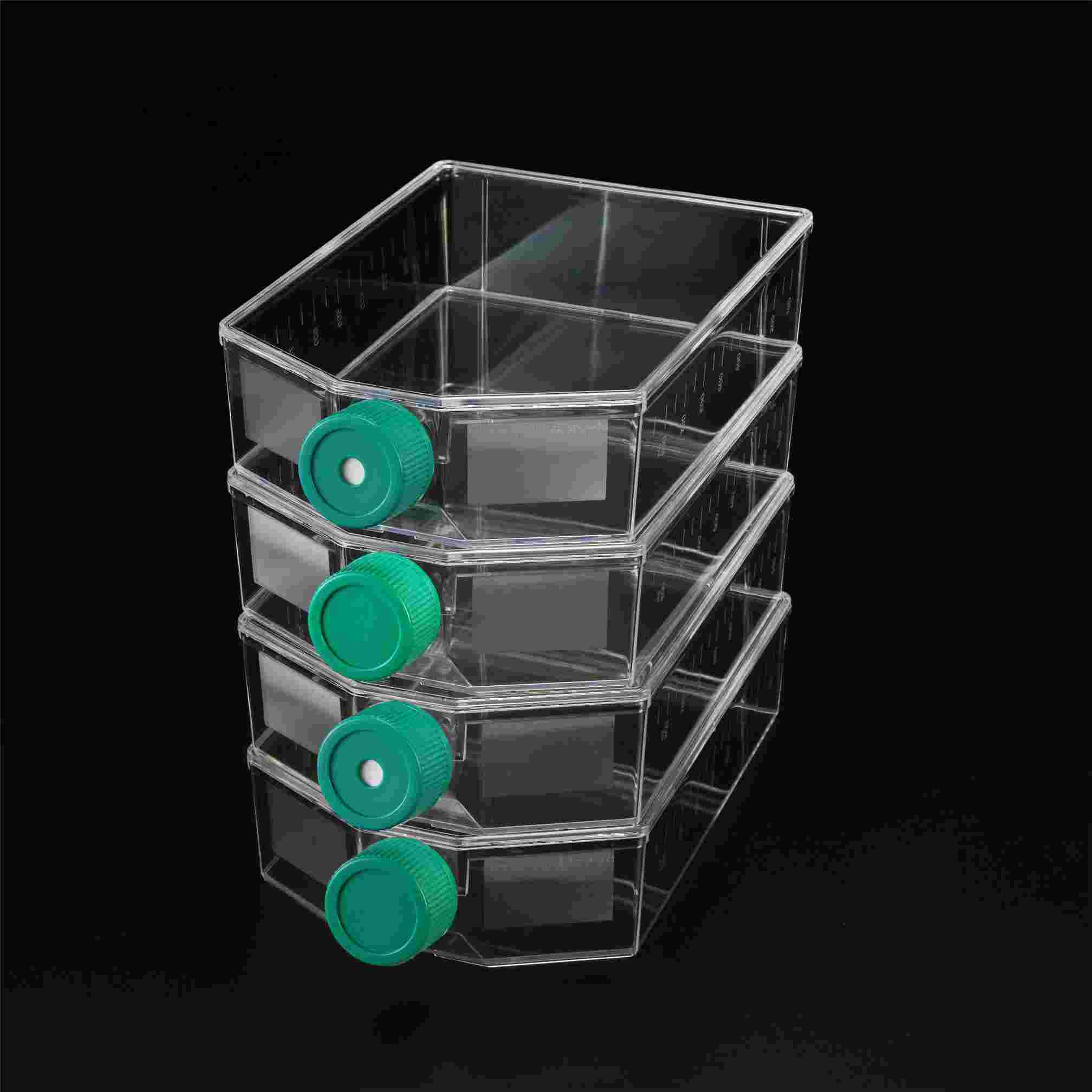
Treated T-flasks and vented flasks are widely used in cancer research labs to culture adherent tumor cell lines such as HeLa cells. Under controlled conditions, these systems support studies on cell proliferation, programmed cell death, metastasis, and drug resistance.
Researchers frequently rely on culture flasks to maintain consistent results in the study of therapeutic responses and molecular pathways. Studies on tumor progression and chemotherapy resistance demonstrate frequent use of flask-grown cancer cells in research.
-
Drug Discovery and Screening

Before drug screening and pharmacological testing, cells are maintained and expanded in the flasks. Researchers commonly use T-flasks and multilayer flasks to ensure the viability and uniformity of cell populations in dose-response studies and cytotoxicity assays.
Shake flasks support the growth of suspension-adapted cells for higher-yield production. Traditional 2D flasks are often used for early-stage drug evaluation before transferring cells to advanced 3D culture models.
-
Stem Cell Expansion and Research
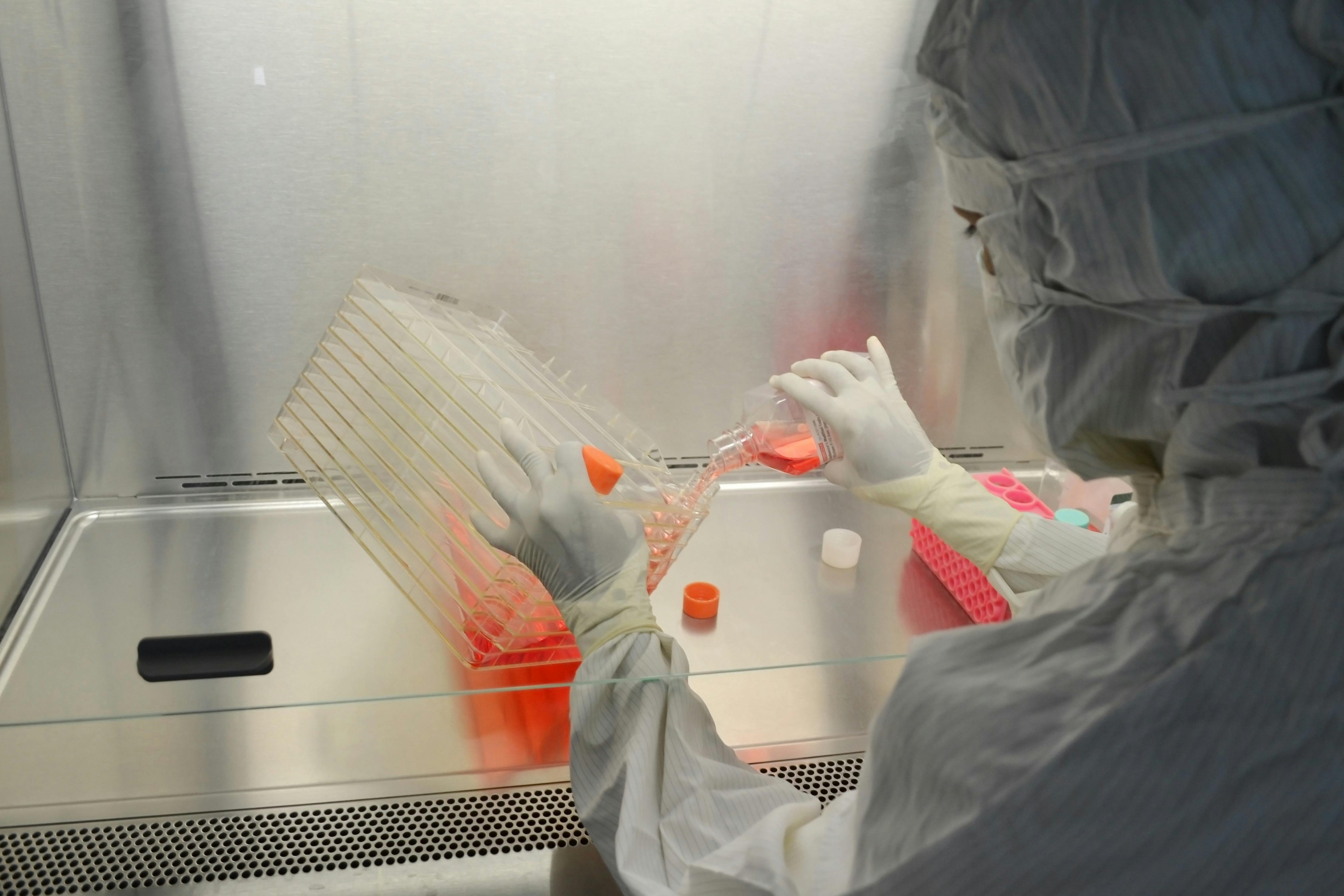
T-flasks and feeder-layer systems are frequently used to expand stem cells before differentiation. Research shows that treated flasks support stem cell attachment and maintain their pluripotency.
Protocols in stem cell research highlight the importance of the flask's controlled environment for preserving cell characteristics and ensuring reliability in downstream applications.
-
Recombinant Protein & Biologics Production
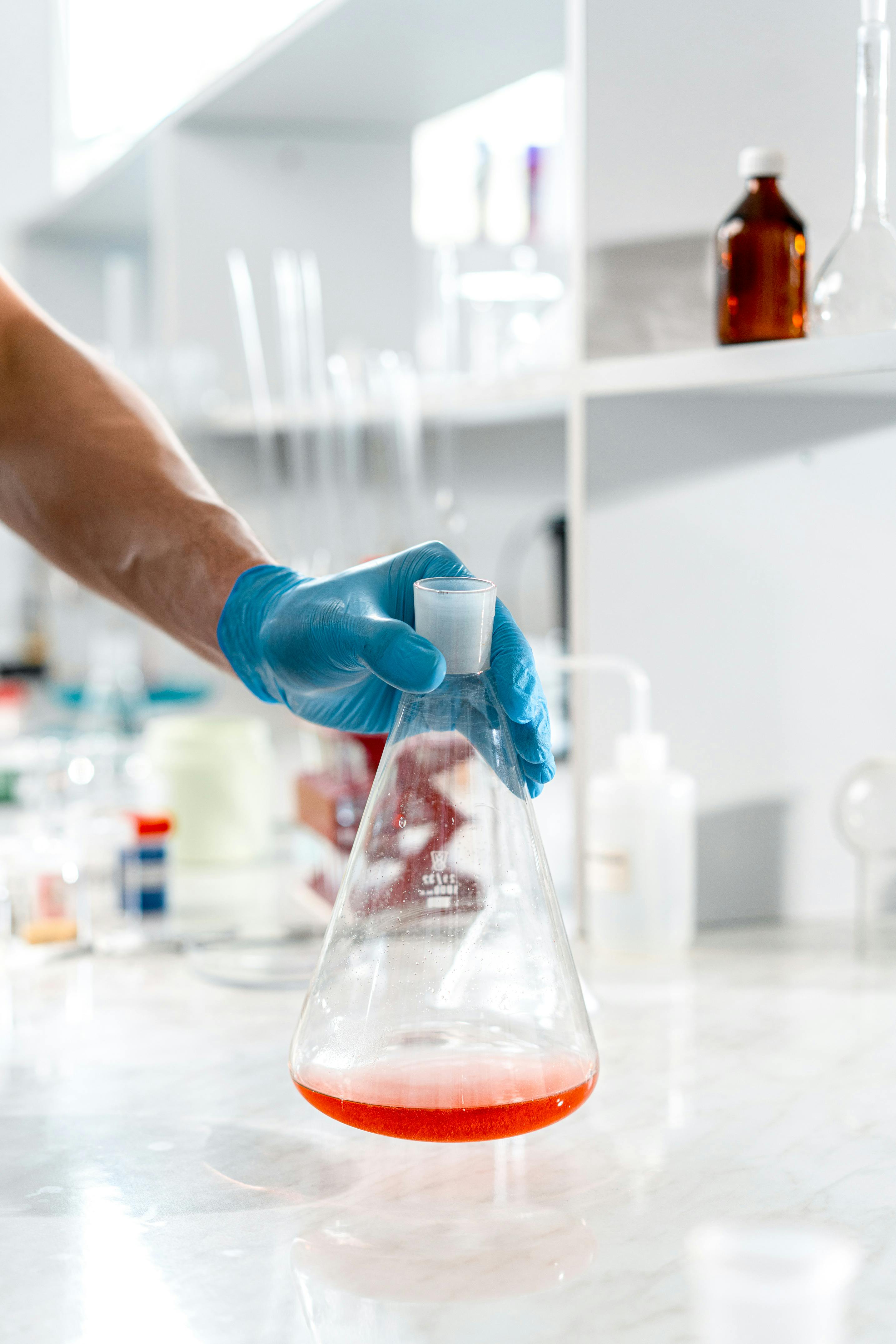
At the research scale, shake flasks and spinner flasks are utilized in recombinant protein production. Engineered cells are cultured in these systems to optimize expression conditions, including oxygen transfer, growth kinetics, and nutrient supply.
To evaluate productivity before scaling up, shake flasks are particularly useful for suspension cultures. Flask-based systems refine production parameters and are essential for screening high-producing clones.
-
Virology & Infectious Disease Studies

Different types of culture flasks, including T-flasks, spinner flasks, and roller bottles, are used in virology to understand infection and replication. Cell culture-based systems are a primary method for in vitro separation of viruses.
Researchers can precisely optimize infection conditions using the flasks. This helps in understanding pathogenesis and performing antiviral testing.
-
Toxicology and Safety Testing
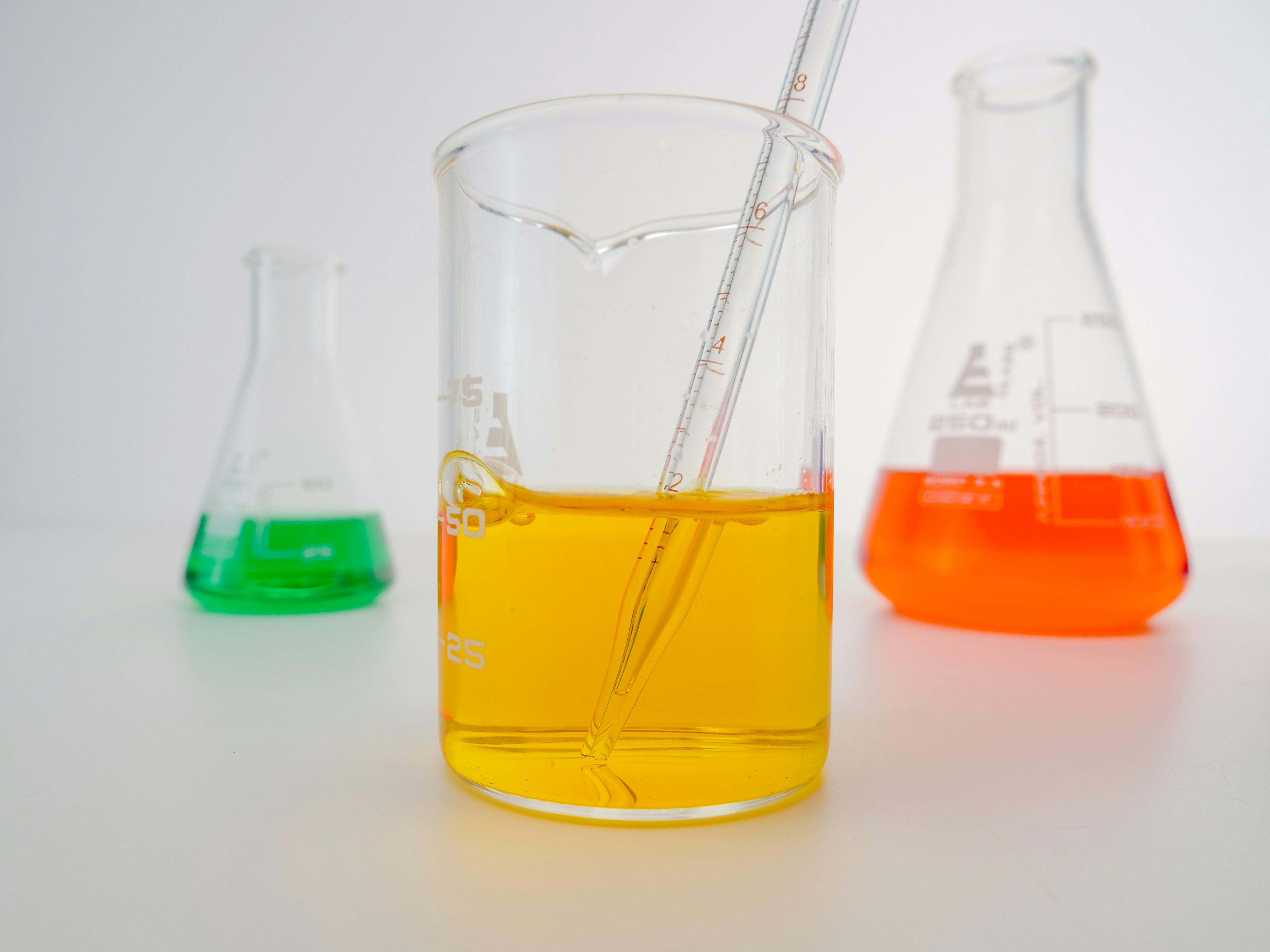
In toxicology, assessment of chemical effects, drugs, and environmental toxins on living cells is conducted within the controlled conditions of culture flasks. Standard T-flasks and multi-well-based systems begin the cell expansion in flasks before exposure trials.
Endpoints like oxidative stress, morphological changes, and cell viability are assessed by researchers using culture vessels. This supports safety and toxicity evaluations on cultured human cells at the early stage of research.
-
Genetic Engineering & Gene Therapy
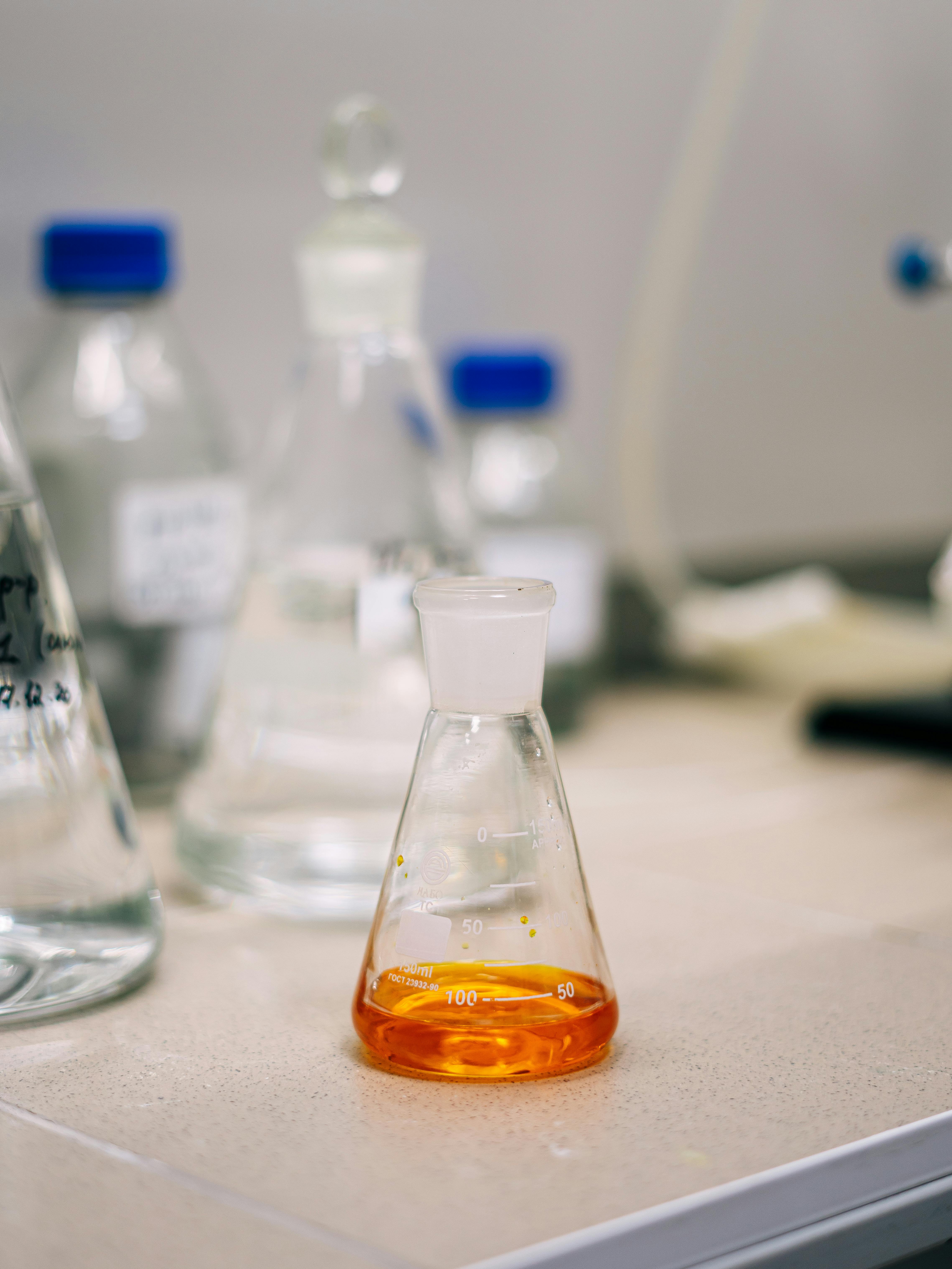
Flasks expand and maintain genetically modified cells for gene editing and therapy. T-flasks are commonly used for transfection experiments, while shake flasks facilitate the development of viral vectors in suspension cultures.
Under controlled parameters, these systems enable researchers to optimize cell viability, gene delivery, and expression. In vitro cultured cells form the foundation of gene therapy procedures.
-
Regenerative Medicine & Tissue Engineering
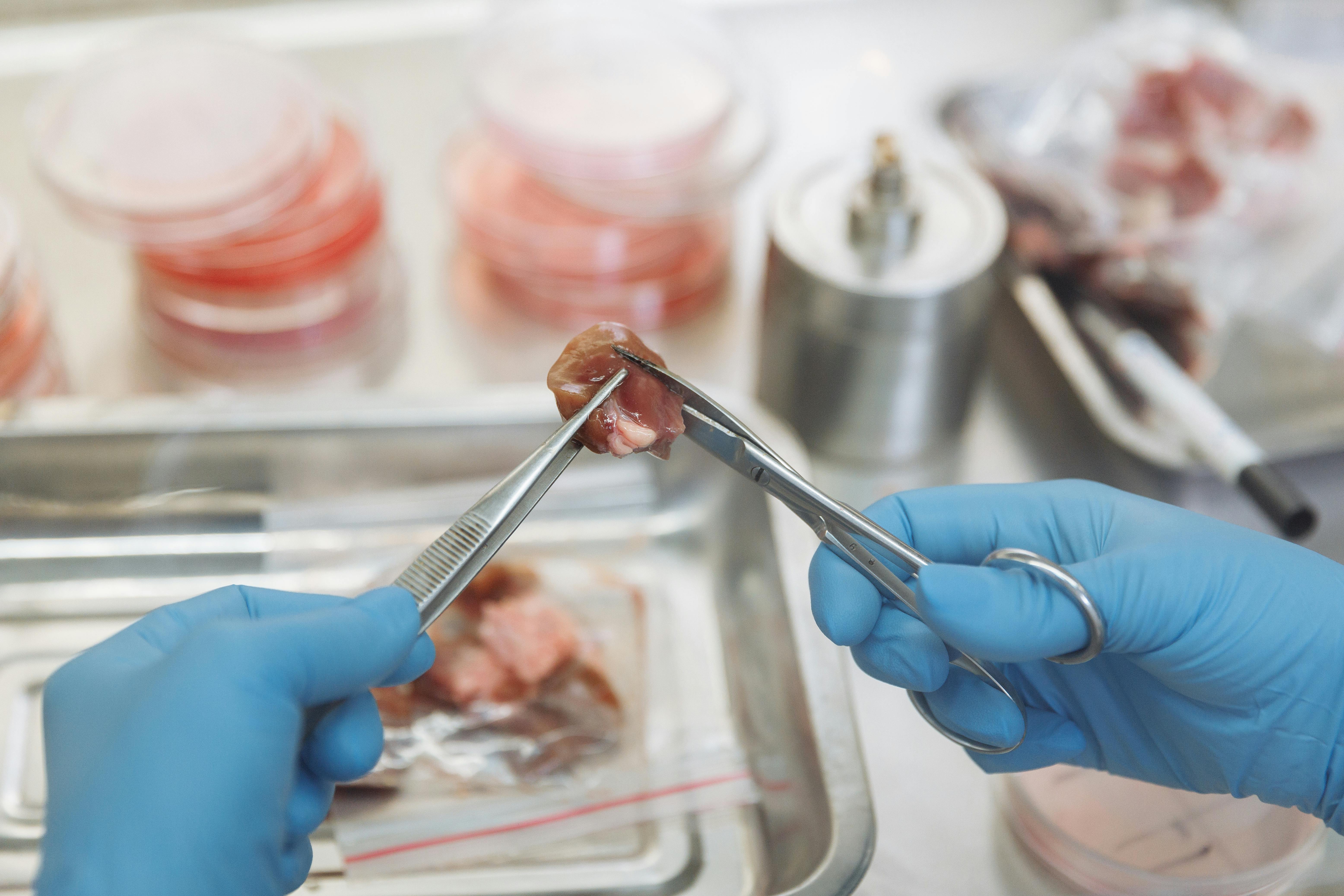
Studies show that cell expansion in flasks is a critical first step in the development of regenerative therapies. Flasks play a key role in expanding primary cells and stem cells before their applications in tissue engineering. Spinner flasks are sometimes used to provide dynamic culture conditions for tissue models.
Researchers generate a sufficient number of cells in T-flasks and multilayer flasks. These cells are later transferred to bioreactors or scaffolds for 3D tissue formation.
-
Microbiology & Intracellular Pathogen Research
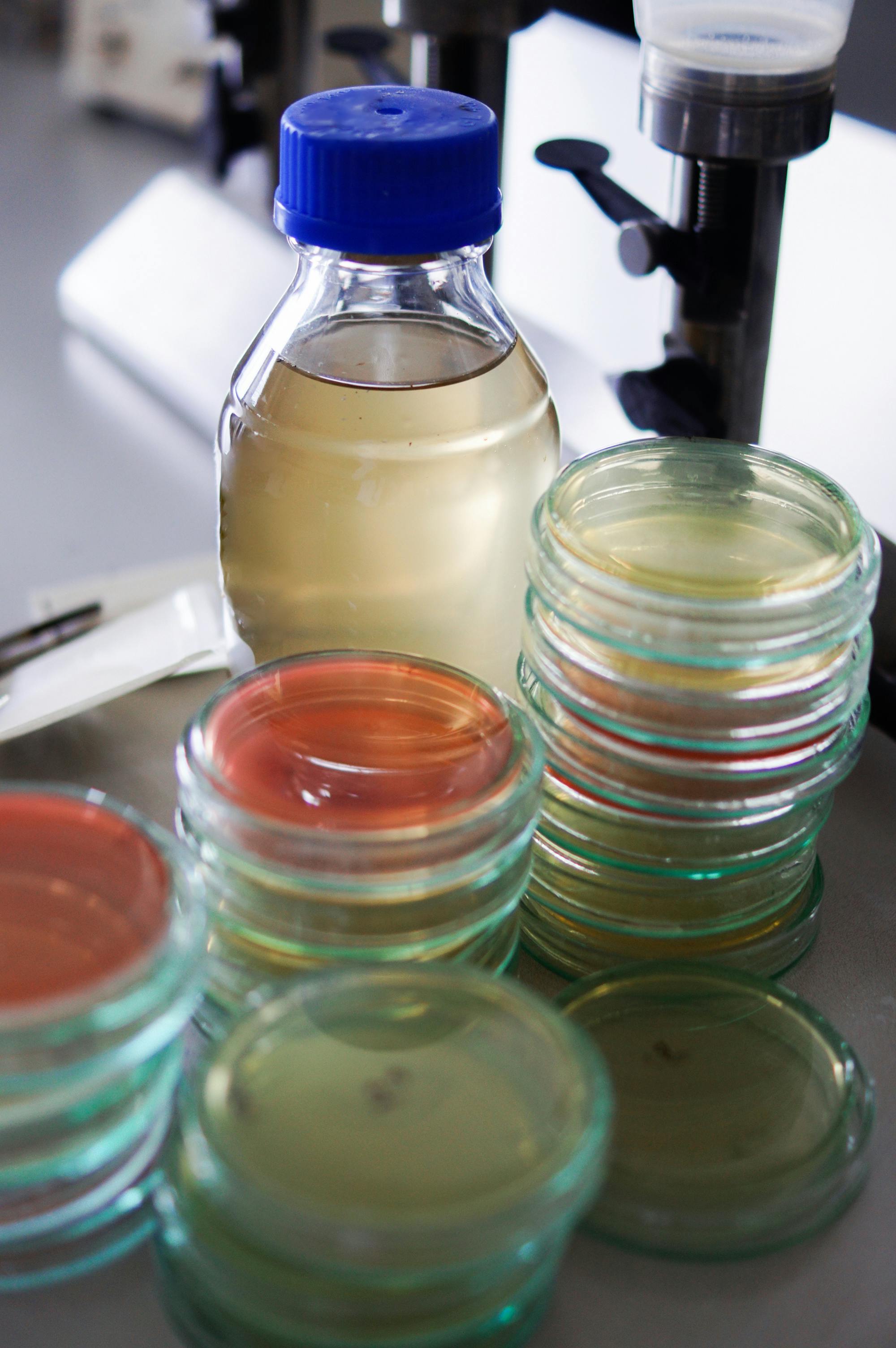
Flask-based systems are standard in microbiology and infection studies. These tools help to study how intracellular pathogens survive within host cells. Host cells are cultured inside T-flasks and vented flasks. These cells are then infected with parasites, bacteria, or other microorganisms.
Researchers observe entry and replication of pathogens and study immune responses of host cells under regulated conditions. At the cellular level, cell-based culture models remain essential for studying host-pathogen interactions.
Ready to Upgrade Your Lab with MBP Cell Culture Flasks?
Whether you're conducting routine assays or making groundbreaking discoveries, the right tools make all the difference. Invest in premium-quality cell culture flasks with MBP Inc. for efficient, accurate, and consistent experiment results.
The search for reliable cell culture flasks is over. Contact the expert team at MBP Inc. and get the perfect match for your lab.
Final Note
From the standard T-flasks to more advanced shake flasks and spinner flasks, flask-based systems remain crucial as a starting point for innovation in therapeutics, vaccines, and advanced biological research. MBP Inc.'s flask collection ensures the flexibility, scalability, and precise experimental control required in modern laboratories.