Protein Purification Reagents and Resins for Recombinant and Native Protein Isolation
Protein Purification covers the reagents, resins, and tag systems used to isolate a protein of interest from a complex cell lysate or mixture, spanning affinity chromatography using purification tags such as His, GST, or MBP, ion exchange chromatography based on charge, and size exclusion chromatography based on molecular size. The optimal purification strategy depends heavily on the expression construct, the presence or absence of an affinity tag, and the purity requirements of the downstream application. Academic and core laboratories purifying recombinant or native proteins can benefit from guidance when selecting purification methods, resin chemistries, and workflow configurations.
Explore available protein purification reagents and resins or request a quotation by contacting customerservice@mbpinc.net. Our team can help identify the appropriate purification strategy, affinity tag system, and chromatography media for your protein purification workflow.
Protein Purification

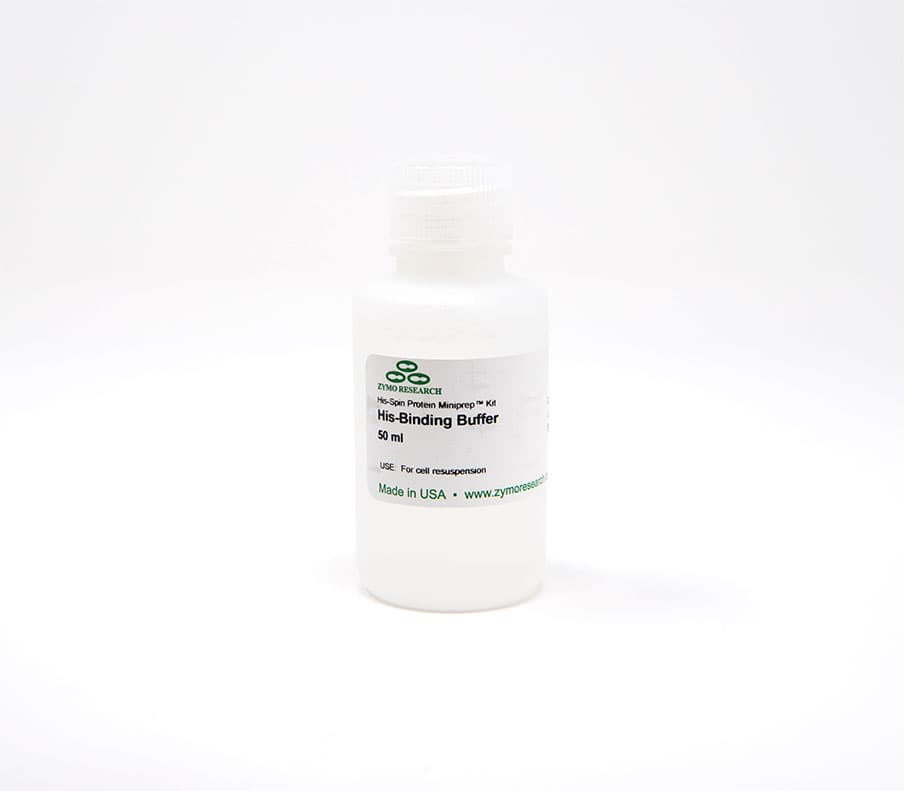
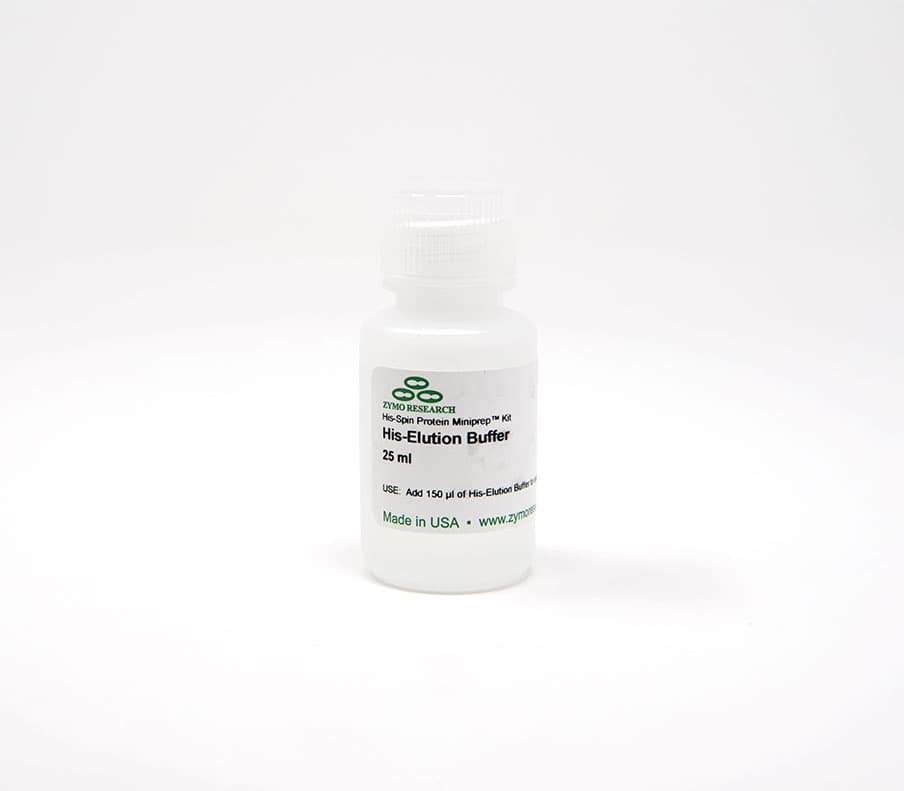
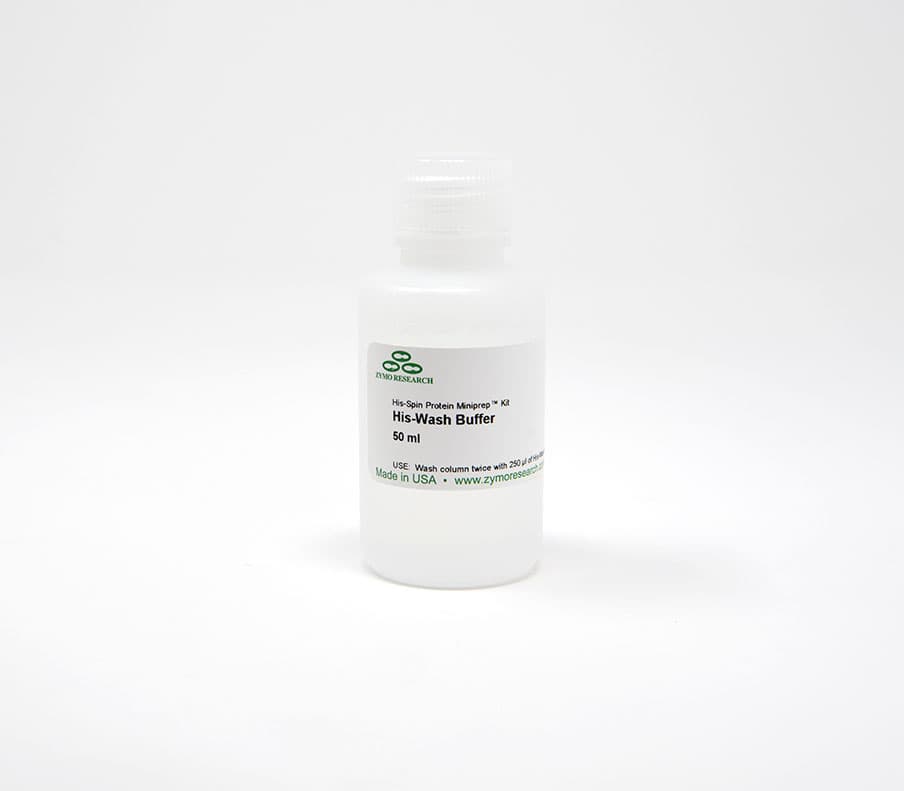
Showing 1 to 5 of 5 results
What is protein purification?
Protein purification is the process of isolating a specific protein of interest from a complex mixture, such as a cell lysate, using one or more separation principles: affinity chromatography, which exploits a specific binding interaction such as a purification tag binding its corresponding resin; ion exchange chromatography, which separates proteins based on net charge; and size exclusion chromatography, which separates based on molecular size as proteins pass through a porous resin. The right combination of methods depends heavily on whether your protein carries a purification tag from expression and how pure the final product needs to be for your downstream application
What you will find:
-
Recombinant Proteins: High-purity, engineered target proteins produced across various expression platforms, utilized as analytical standards, control samples, and crucial functional components in downstream biochemical assays.
How to choose protein purification reagents
Start with affinity chromatography if your protein has a purification tag
A protein expressed with a polyhistidine tag can be purified using a nickel or cobalt-chelating resin in a single affinity step, providing good yield from inexpensive, high-capacity resins, though typically with only moderate purity compared with some alternative tags.
Consider a larger solubility tag if your protein has expression problems
GST and MBP tags are larger, complete protein domains rather than short peptide tags, and beyond aiding purification through their respective glutathione or amylose resin binding, they can also substantially improve the solubility of an otherwise aggregation-prone fusion protein.
Choose a high-purity epitope tag when downstream application sensitivity demands it
Epitope-based tags like FLAG and Strep II can produce higher-purity protein than the His tag across multiple expression systems, though generally using more expensive, lower-capacity resin, making them worth the added cost for applications highly sensitive to contaminating proteins.
Layer ion exchange or size exclusion chromatography for additional purity
After an initial affinity purification step, ion exchange chromatography can further separate your protein from contaminants based on charge, while size exclusion chromatography can separate based on size, both useful when a single affinity step doesn't achieve sufficient purity.
Confirm whether your tag needs to be removed before downstream use
Some larger tags like GST can be cleaved from the fusion protein while still bound to the resin, simplifying tag removal, while other tag and resin combinations may require a separate cleavage step after elution, a distinction worth confirming before finalizing your purification plan.
Specifications context
A comparative study of eight elutable affinity tags purifying the same protein from E. coli, yeast, Drosophila, and HeLa extracts found that the His tag provided good yields from inexpensive, high-capacity resin but only moderate purity, while epitope tags like FLAG and Strep II produced the highest purity across all four extract types, though at higher resin cost. As of 2026, dual-tag systems combining two affinity tags, such as His-MBP or GST-Strep, continue to be used for tandem purification when a single tag doesn't deliver sufficient selectivity for a particularly demanding application.
Contact the helpful team at MBP today to request a quote for your specific research requirements.
FAQ



