One-Step RT-PCR Kits: Combined RT and PCR in One Tube
One-step RT-PCR kits combine a reverse transcriptase enzyme and a thermostable DNA polymerase in a single optimised buffer system, allowing reverse transcription and PCR amplification to proceed in one reaction tube using gene-specific primers. This streamlined format reduces sample handling, lowers contamination risk, and shortens hands-on time compared to two-step workflows.
Academic researchers running routine RNA detection or expression screening across many samples benefit from the simplicity and reproducibility of the one-tube format. Contact customerservice@mbpinc.net to request a quote today!
One-Step RT-PCR Kits
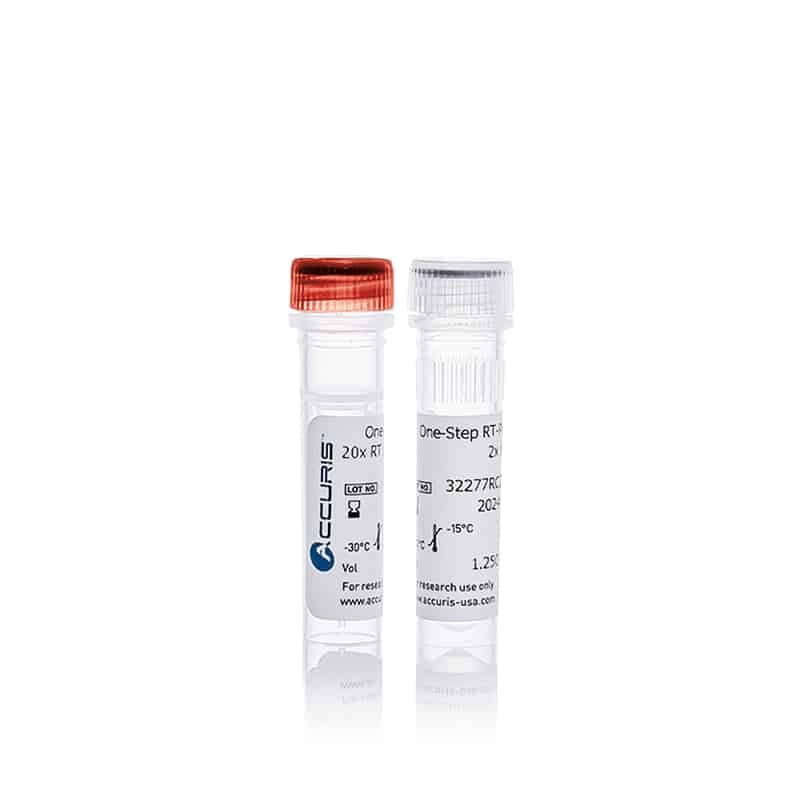
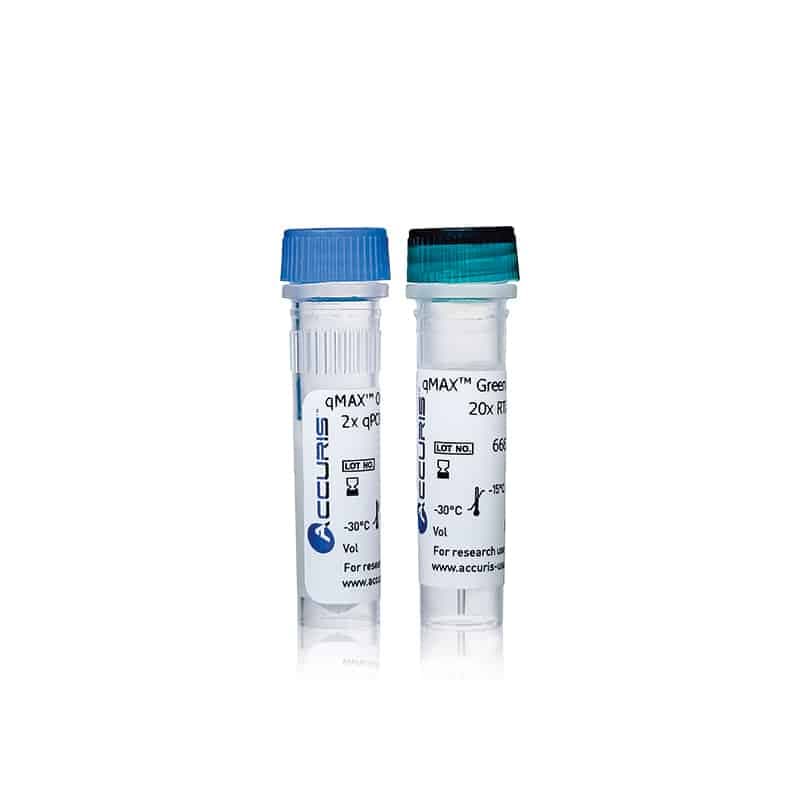

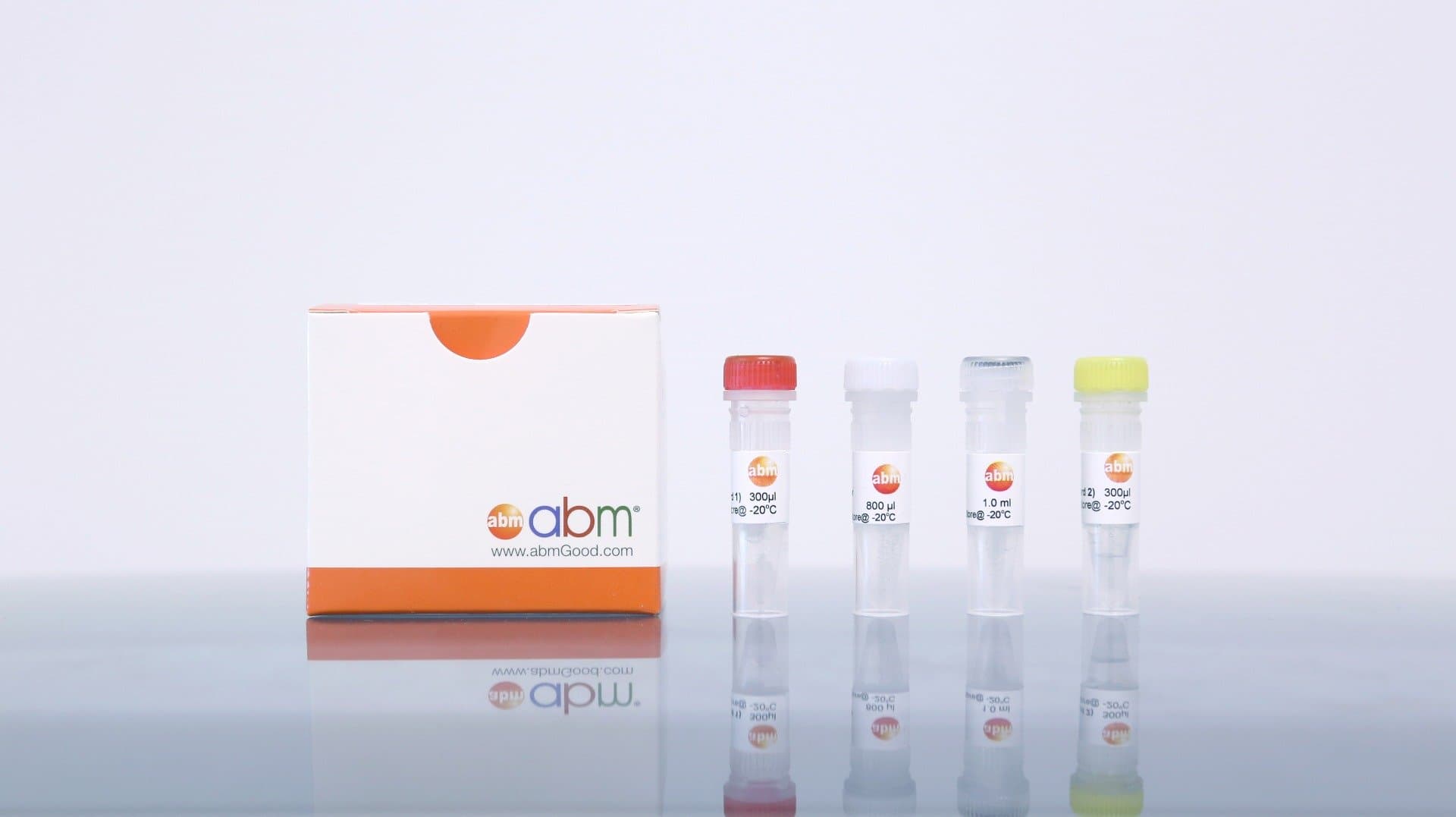
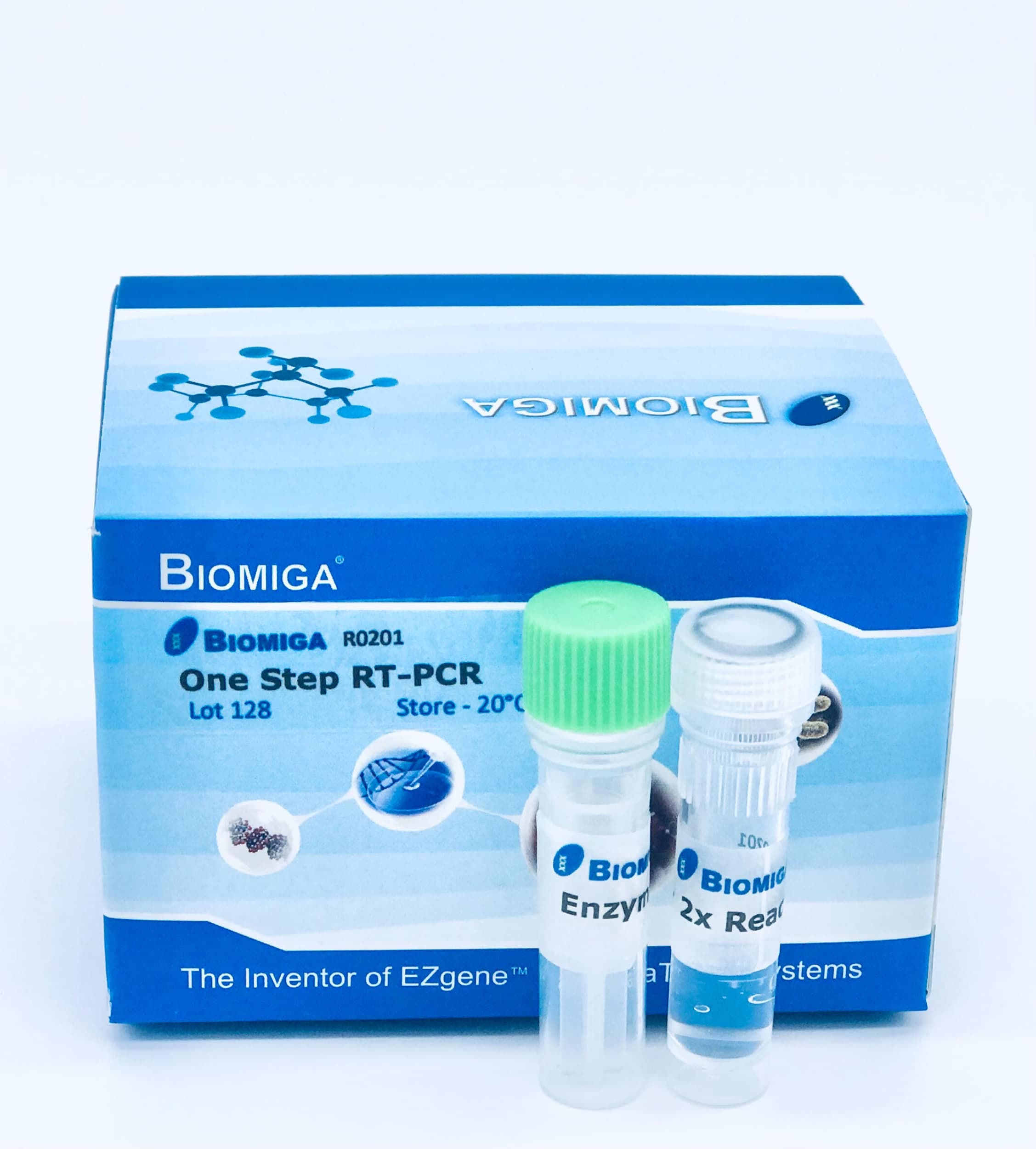
Showing 1 to 5 of 5 results
What Are One-Step RT-PCR Kits?
A one-step RT-PCR kit combines reverse transcription and PCR amplification in a single reaction tube and buffer, using gene-specific primers throughout. The kit's enzyme mix typically pairs a reverse transcriptase -- commonly an M-MuLV-derived enzyme such as ProtoScript II or PrimeScript RT -- with a hot-start Taq DNA polymerase, sometimes including a proofreading component for higher-yield amplification. Choose a one-step kit for routine, single- or few-target RNA detection where simplicity and contamination control matter most; choose a two-step approach instead when one RNA sample needs to be tested against many different gene targets.
What you will find:
- One-step RT-PCR kits combining reverse transcription and PCR amplification in a single reaction workflow, including Azura 1-Step Ultra RT-PCR Kit
- Standard one-step RT-PCR systems for RNA detection and target amplification, including One-Step RT-PCR Kit (RT0201-00) and Accuris One-Step RT-PCR Kit
- Multiplex and probe-based one-step RT-qPCR-compatible systems, including Accuris qMAX Probe One-Step Multiplex RT-qPCR Kit (No ROX)
- High-performance one-step RT-PCR chemistry designed for robust RNA amplification, including the MegaFi One-Step RT-PCR Kit
- Ready-to-use enzyme and buffer systems optimized for streamlined RT-PCR setup and reproducible results across RNA workflows
How to Choose a One-Step RT-PCR Kit
Enzyme Mix Composition
Kits commonly combine an M-MuLV-derived reverse transcriptase with reduced RNase H activity and increased thermostability (e.g., ProtoScript II-type or PrimeScript-type enzymes) with a hot-start Taq polymerase. Some formulations add a proofreading polymerase component for higher-yield, more accurate end-point amplification.
Hot-Start Activation Mechanism
Most one-step kits use an antibody-modified or aptamer-based hot-start Taq that remains inactive at room temperature, dissociating during an initial high-temperature step (commonly around 94-95 °C for several minutes) to simultaneously activate the polymerase and inactivate the reverse transcriptase before PCR cycling begins.
Template Difficulty and Amplicon Length
Reverse transcriptases with reduced RNase H activity and enhanced thermostability are better suited to GC-rich or highly structured RNA templates. Some one-step kits are validated for amplifying long transcripts -- up to approximately 9 kb in certain formulations -- relevant for full-length transcript or large-gene RT-PCR.
Single-Tube Enzyme Compatibility
Combining reverse transcriptase and Taq polymerase in one buffer historically risked mutual inhibition between the two enzyme classes; modern one-step formulations use optimised buffer systems and enzyme ratios specifically designed to avoid this interference, a key differentiator between basic and well-optimised kits.
Detection Format
End-point one-step RT-PCR kits (gel-based detection) suit qualitative presence/absence screening. For quantitative results, a one-step RT-qPCR kit with a fluorescent dye or probe system is the appropriate choice instead.
Specifications Context
The one-step format integrates the three RT-PCR steps -- reverse transcription, polymerase activation, and amplification -- into a single continuous reaction without opening the tube between steps, directly reducing contamination risk relative to workflows that transfer reaction products between vessels. Historically, combining reverse transcriptase and Taq polymerase in a shared buffer was reported to cause mutual enzyme inhibition and reduced sensitivity; current one-step kits address this through optimised buffer chemistry and enzyme selection, such as RNase H-minus reverse transcriptases paired with hot-start Taq formulations. One-step kits are typically stored at −20 °C to −30 °C and protected from light, where fluorescent dyes are pre-included; lot-specific CoAs are available on request.
Contact the expert team at MBP today and get high-precision One-Step RT-PCR Kits for your lab.
FAQ