cDNA Synthesis Kits for First-Strand Reverse Transcription
cDNA synthesis kits provide all components needed for first-strand reverse transcription - reverse transcriptase, buffer, dNTPs, RNase inhibitor, and a choice of oligo(dT), random, or gene-specific primers - to convert an RNA sample into a cDNA pool usable across multiple downstream PCR or qPCR reactions. This two-step approach offers flexibility for studies analysing several gene targets from a single RNA sample.
Academic researchers running gene expression panels benefit from the reusable cDNA pool generated by a complete synthesis kit. Contact customerservice@mbpinc.net to request a quote today!
cDNA Synthesis Kits

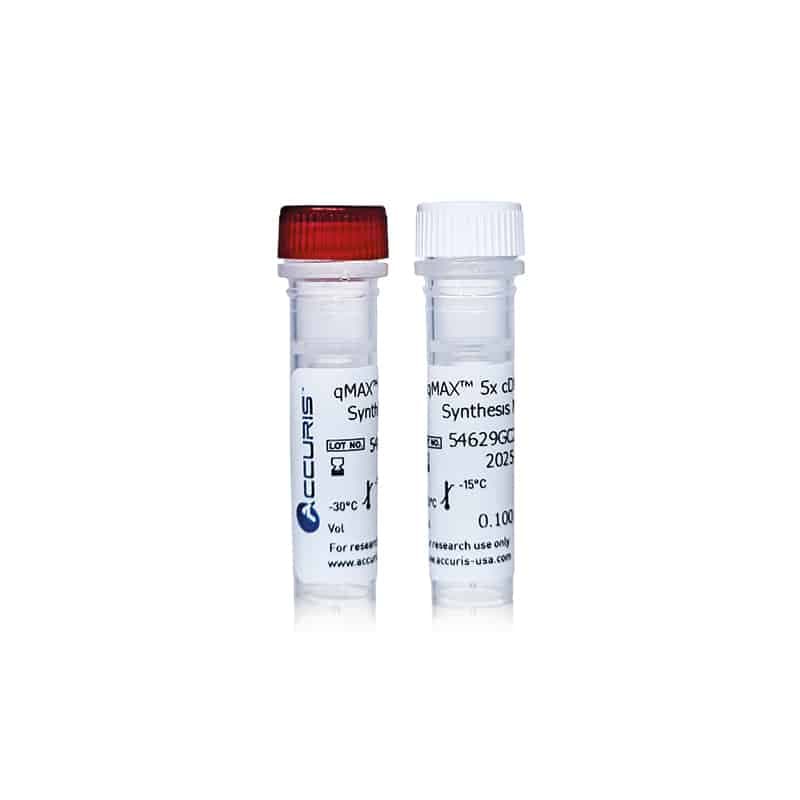
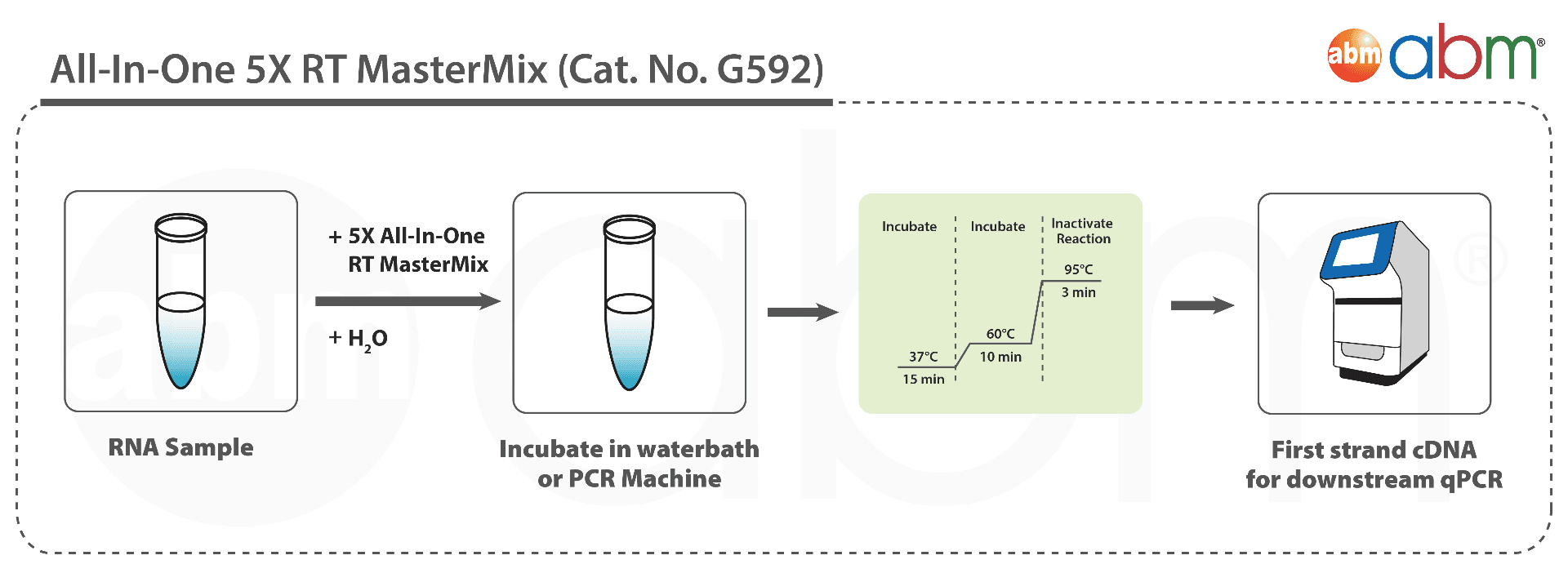

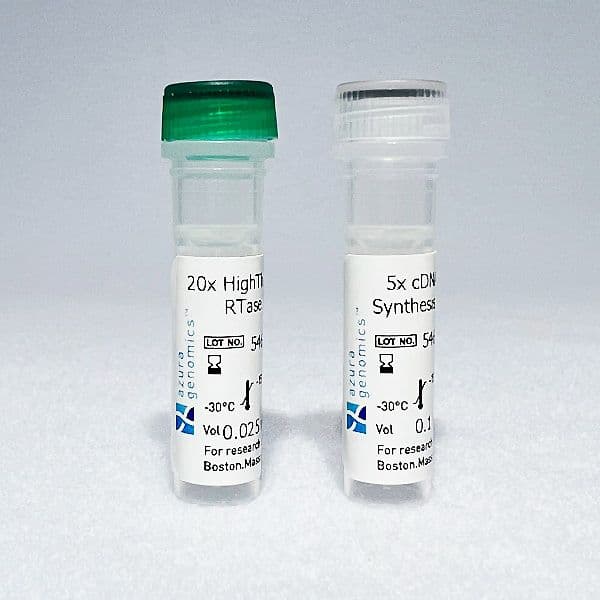
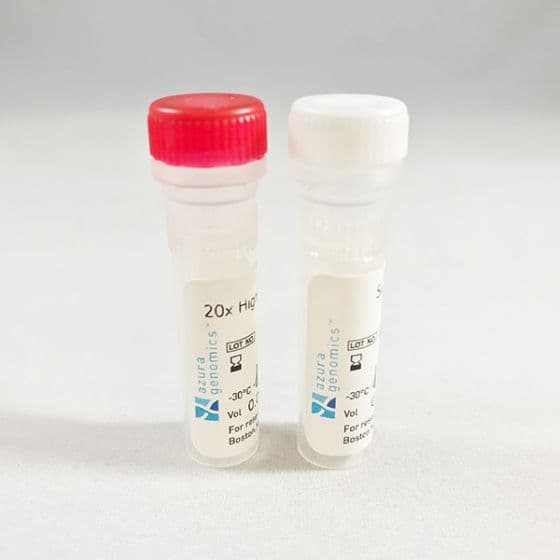
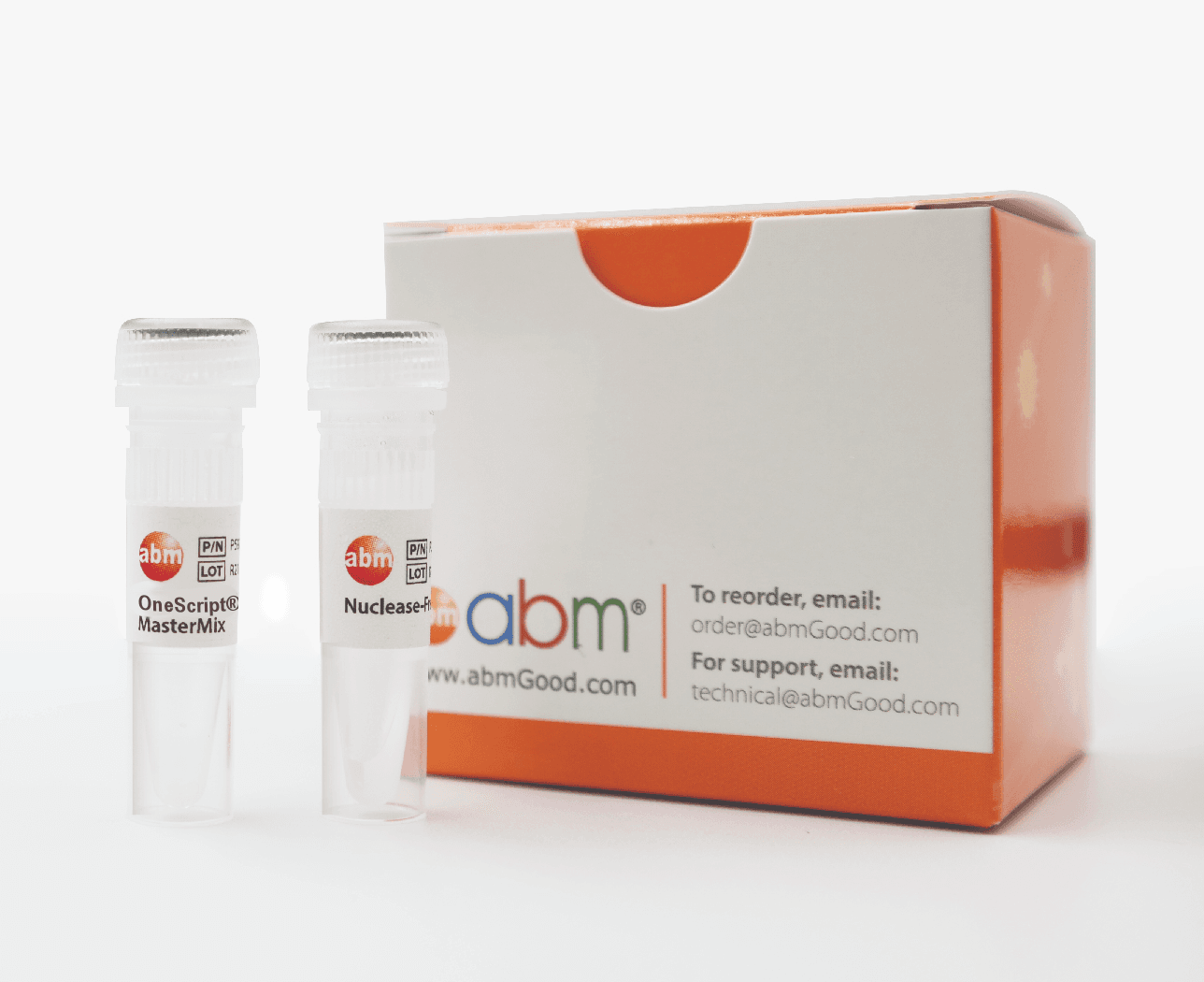
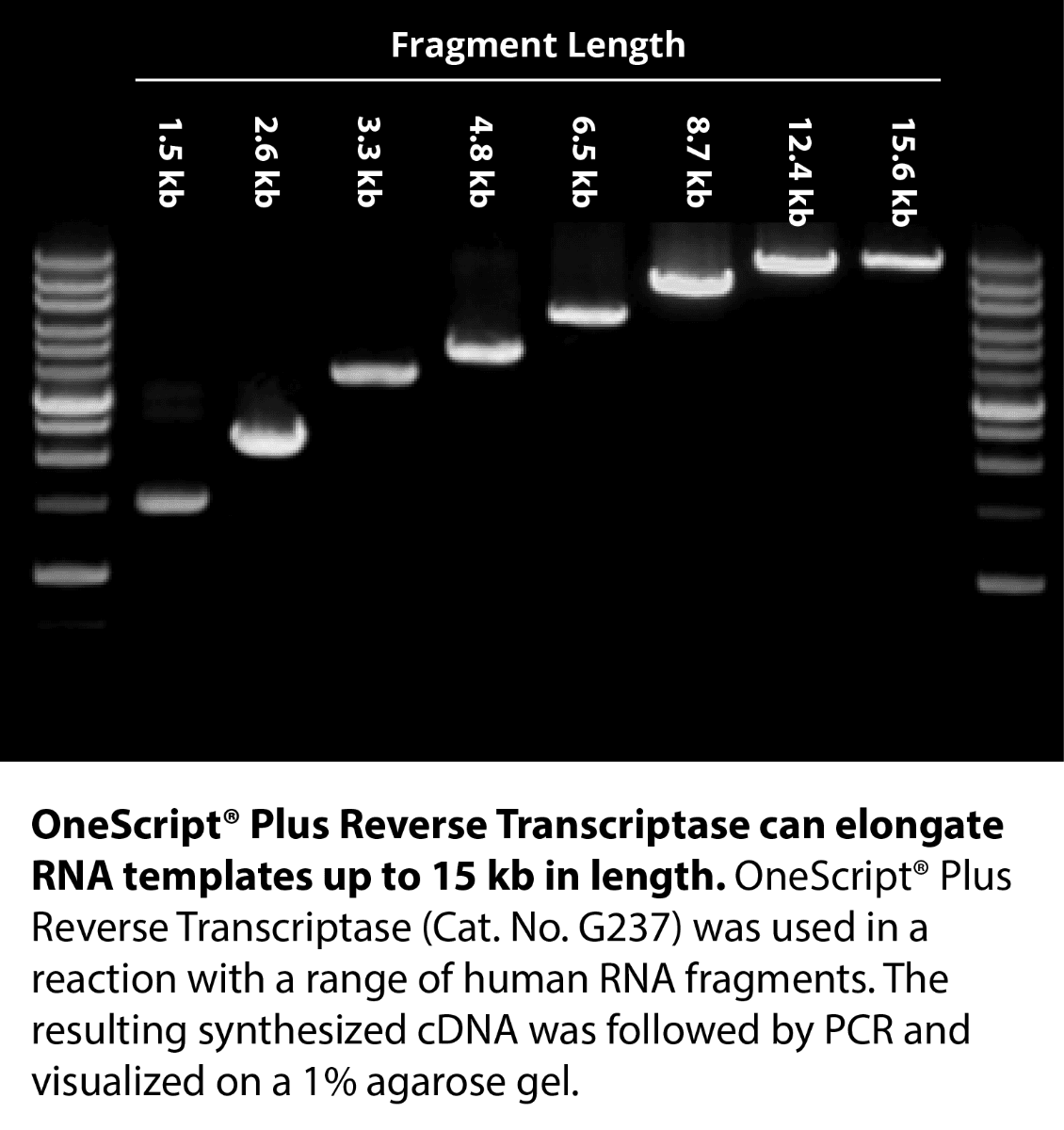
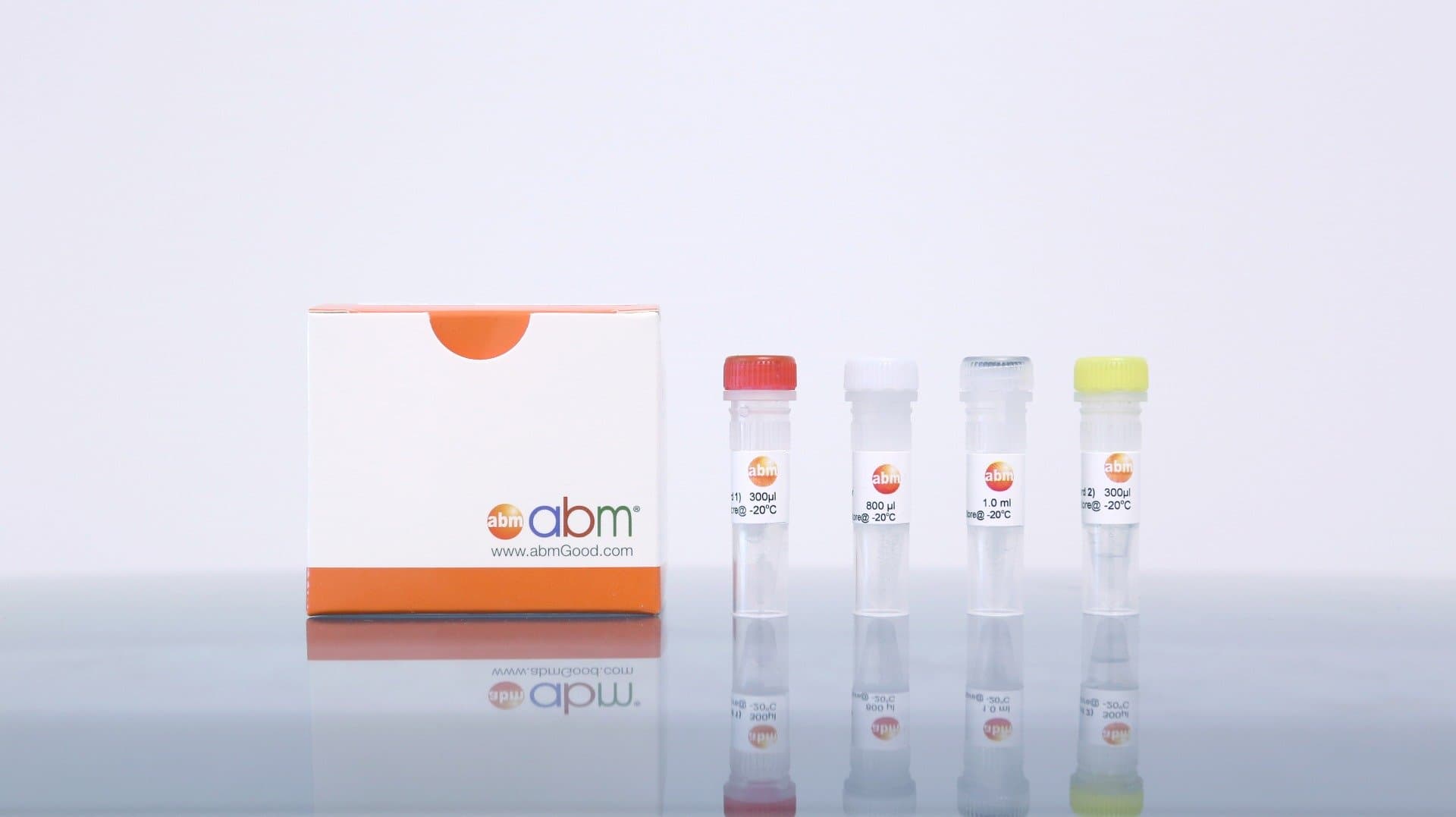
Showing 1 to 11 of 11 results
What is a cDNA Synthesis Kit?
A cDNA synthesis kit provides the complete set of reagents - reverse transcriptase enzyme, reaction buffer, dNTPs, RNase inhibitor, and primers - needed to perform first-strand reverse transcription, converting an RNA sample into a cDNA pool. Unlike one-step RT-PCR kits, which combine RT and PCR in a single reaction with gene-specific primers, a cDNA synthesis kit performs reverse transcription as a standalone step, producing a cDNA template that can be used across multiple subsequent PCR or qPCR reactions targeting different genes. Choose a cDNA synthesis kit when one RNA sample needs to be analysed for multiple gene targets, or when downstream qPCR requires a separately-generated, quality-checked cDNA template.
What you will find:
- First-strand cDNA synthesis kits for RNA-to-cDNA conversion in gene expression workflows, including AzuraQuant™ and AzuraFlex™ cDNA synthesis kits
- Standard cDNA synthesis kits for routine transcriptional analysis and downstream PCR applications, including Accuris qMAX and 1st cDNA Synthesis Kit (FS01-00)
- Flexible and high-efficiency cDNA synthesis systems designed to support a range of RNA inputs and experimental conditions
- miRNA-specific cDNA synthesis solutions for small RNA expression analysis
- One-step and integrated RT-based systems and master mixes supporting streamlined reverse transcription workflows, including OneScript Plus and OneScript Hot RT kits
How to Choose a cDNA Synthesis Kit
Priming Strategy
Oligo(dT) primers target the poly-A tail of mRNA, enriching specifically for mRNA-derived cDNA and reducing genomic DNA or rRNA background. Random primers (commonly hexamers) prime throughout the RNA template regardless of sequence, useful for templates lacking a poly-A tail (such as bacterial RNA) or when full-length cDNA coverage, including 5' regions, is needed. Some kits offer a blend of both primer types for balanced coverage.
Reverse Transcriptase Included
Kits built around M-MLV RNase H-minus reverse transcriptase favour longer, more complete cDNA products, while kits using enhanced-thermostability or inhibitor-resistant reverse transcriptases may better handle GC-rich templates or minimally purified RNA samples.
Genomic DNA Elimination Step
Some cDNA synthesis kits include a separate genomic DNA elimination (gDNA wipeout) step performed before reverse transcription -- important for accurate gene expression quantification, since residual genomic DNA can contribute false signal in downstream qPCR if primers span regions present in both genomic DNA and the cDNA target.
Reaction Volume and Throughput
cDNA synthesis kits are available in formats scaled for individual reactions through to high-throughput 96-well formats, allowing labs to match kit format to typical sample batch sizes without excessive reagent waste.
Downstream Application Compatibility
The resulting cDNA pool should be compatible with the intended downstream application -- standard PCR, qPCR with SYBR Green or probe-based detection, or digital PCR -- confirm that the kit's buffer system does not interfere with the chosen downstream detection chemistry.
Specifications Context
In a two-step workflow, the first step synthesises first-strand cDNA using a reverse transcriptase such as M-MLV-RT with the chosen priming strategy, and the resulting cDNA pool can then be used in multiple separate PCR or qPCR reactions targeting different genes - a key advantage when a single RNA sample needs to be analysed for several targets, since the cDNA synthesis step is performed only once. Genomic DNA elimination steps, where included, are typically performed as a brief pre-treatment with a DNase before the reverse transcription reaction itself begins. cDNA synthesis kit components - enzyme, buffer, dNTPs, and RNase inhibitor - are typically stored at −20 °C; RNase-free water and RNase inhibitor handling throughout the workflow are recommended to prevent RNA template degradation before synthesis.
Contact the expert team at MBP today and get high-precision cDNA synthesis kits for your lab.
FAQ