One-Step RT-qPCR Kits for RNA Quantification in One Tube
One-step RT-qPCR kits combine reverse transcription and real-time PCR quantification in a single reaction tube, using reverse transcriptase and DNA polymerase systems with either SYBR Green or hydrolysis probe-based detection chemistries. Available in ZymoScript and Accuris qMAX formats, these kits help streamline RNA quantification workflows such as gene expression analysis and pathogen detection by reducing sample handling steps.
Academic researchers processing multiple RNA samples benefit from the convenience and workflow efficiency of one-step RT-qPCR systems. Request a quote today by contacting customerservice@mbpinc.net
One-Step RT-qPCR Kits
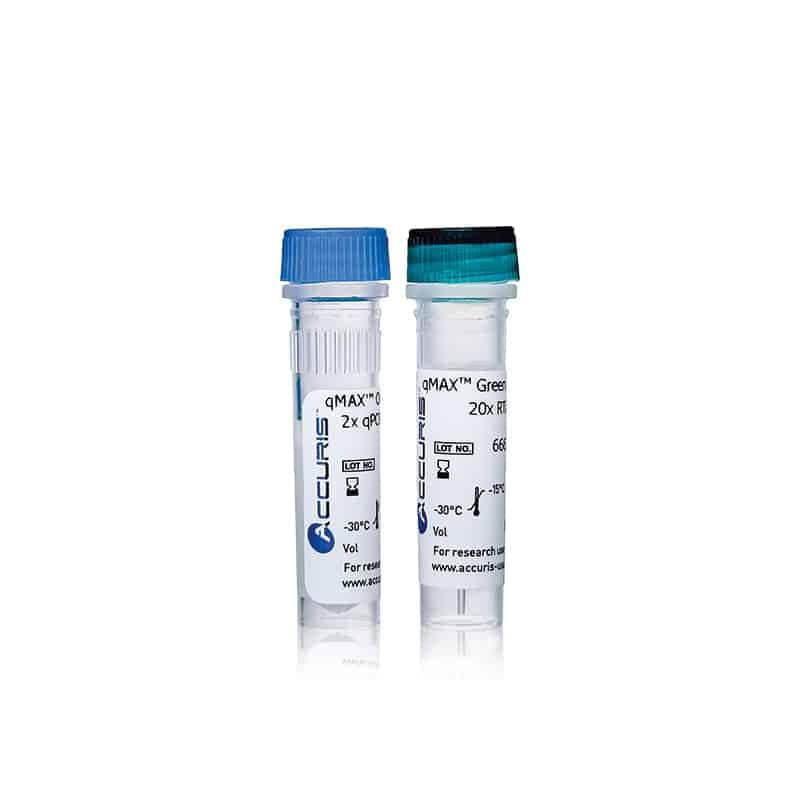
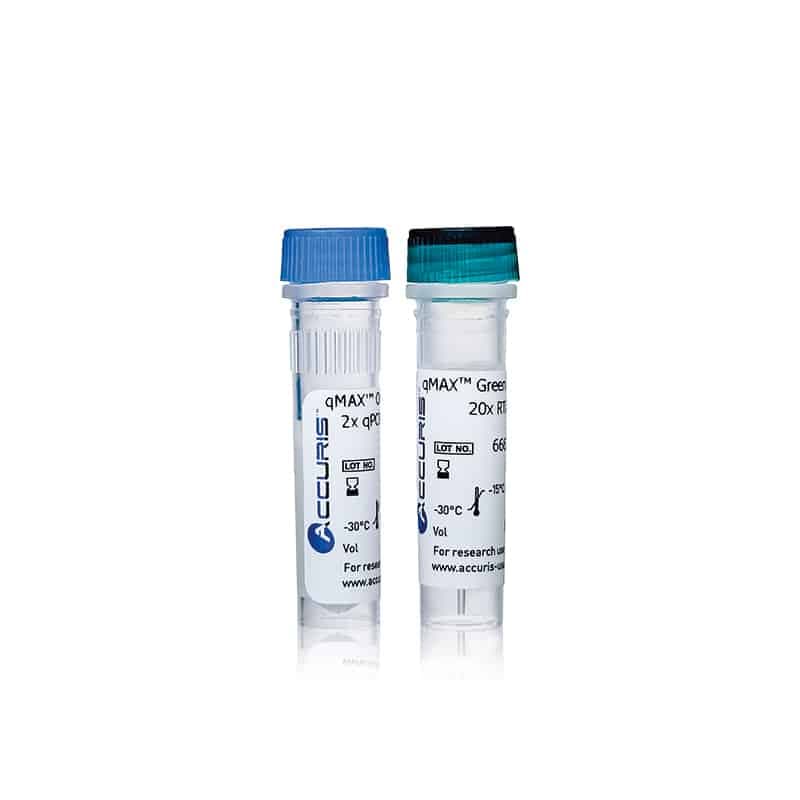

Showing 1 to 3 of 3 results
What Are One-Step RT-qPCR Kits?
A one-step RT-qPCR kit combines reverse transcription and real-time quantitative PCR in a single tube and buffer, using a temperature-activated reverse transcriptase paired with a hot-start Taq polymerase and a fluorescent detection chemistry - either an intercalating dye such as SYBR Green or a hydrolysis probe system such as TaqMan. The combined format allows room-temperature reaction setup, with reverse transcription and qPCR proceeding sequentially within the same thermal cycling protocol. Choose a SYBR Green one-step RT-qPCR kit for flexible, cost-effective RNA quantification across many targets; choose a probe-based one-step kit when higher specificity or multiplexing of several targets in one well is required.
What you will find:
- Single-tube reverse transcription and real-time PCR workflows using one-step RT-qPCR kits from ZymoScript and Accuris qMAX
- SYBR Green and hydrolysis probe-based detection chemistries for RNA quantification and gene expression analysis
- One-step RT-qPCR master mix systems that reduce sample handling and streamline assay setup
- Probe-based RT-qPCR kits suitable for target-specific detection workflows
- Green dye-based RT-qPCR kits for real-time amplification and quantification of RNA targets
How to Choose a One-Step RT-qPCR Kit
Detection Chemistry
SYBR Green-based one-step RT-qPCR kits use an intercalating dye for broad, cost-effective quantification, with specificity driven by primer design. Probe-based one-step kits use TaqMan-style or other sequence-specific probes, offering higher specificity and multiplexing of multiple targets -- including via Scorpions primers or other probe formats -- in a single reaction.
Reverse Transcriptase and Activation Mechanism
Many one-step RT-qPCR kits use a temperature-activated or aptamer-based reverse transcriptase with dual enzyme-activity control, allowing room-temperature reaction setup without premature activity. Upon heating, both the reverse transcriptase and hot-start Taq polymerase reach their working states in a coordinated activation step.
Buffer System Additives
Specialised buffer additives -- such as ion combinations that promote specific primer annealing, or compounds that reduce annealing and extension times -- can improve specificity, sensitivity, and overall reaction speed, particularly useful for difficult templates or time-sensitive workflows.
Internal Control Options
Some one-step RT-qPCR kits offer an optional internal control RNA that can be co-amplified to monitor successful reverse transcription and amplification independently of the target signal, useful for troubleshooting and quality control in diagnostic-style workflows.
Instrument Compatibility
Confirm reference dye requirements (commonly ROX) and detection channel compatibility against your specific real-time PCR instrument before selecting a kit, since some formulations are offered with and without reference dye for compatibility across different instrument platforms.
Specifications Context
The combined one-step RT-qPCR reaction proceeds through reverse transcription at a temperature suited to the included reverse transcriptase (commonly in the 50-55 °C range for engineered, higher-thermostability enzymes), followed by a polymerase activation step (commonly around 95 °C) that simultaneously inactivates the reverse transcriptase and activates the hot-start Taq polymerase before standard qPCR cycling begins. Internal control RNA, when included, is typically detected in a separate fluorescence channel from the target, allowing simultaneous confirmation of reaction success and quantification of the target from the same well. One-step RT-qPCR kits are typically stored at −20 °C to −30 °C and protected from light; lot-specific CoAs documenting performance and quality control are available on request.
Contact the expert team at MBP today and get optimized One-Step RT-PCR kits for your lab.
FAQ