Product Filters

Hot Start PCR Reagents: Enzymes and Master Mixes for Labs


MBP Inc. supplies hot start PCR reagents — antibody-mediated and chemically modified hot-start Taq DNA polymerases, 2x hot-start master mixes, and fast-activation formulations — for researchers requiring improved specificity, reduced primer dimer formation, and higher sensitivity in challenging amplification reactions across research labs in the USA and Canada.

Backed by trusted manufacturers and rigorous quality standards, our hot start PCR solutions support reliable performance across routine, multiplex, and low-copy-number amplification workflows. Request a quote today by contacting customerservice@mbpinc.net to identify the most suitable hot-start chemistry for your application requirements.

Hot Start PCR
Per Page:
Sort By:

What Is Hot Start PCR?


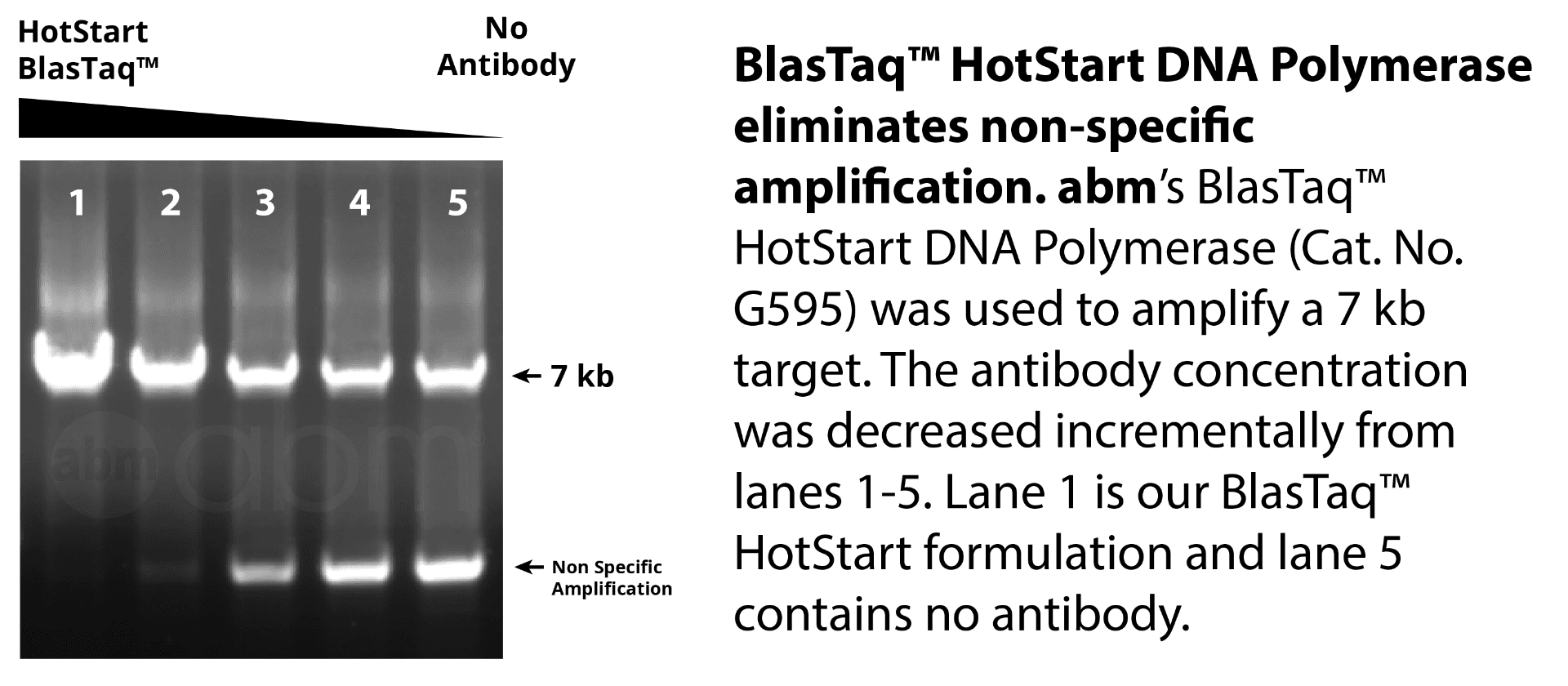
Hot start PCR addresses the primary source of non-specific amplification in standard Taq PCR: the activity of the polymerase at room temperature during reaction setup. As primers and template are mixed at ambient temperature, non-specific primer annealing and extension can occur with standard Taq, generating spurious products and primer dimers that compete with the intended target. Hot start technologies improve specificity and reduce non-specific amplification. Choose a system appropriate for your PCR workflow.


What you will find:


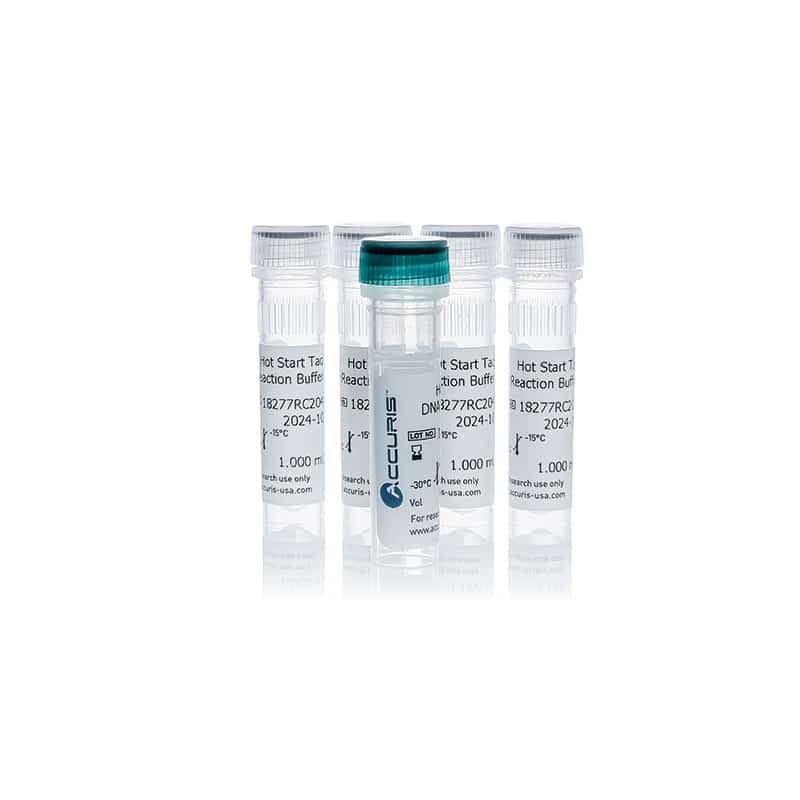
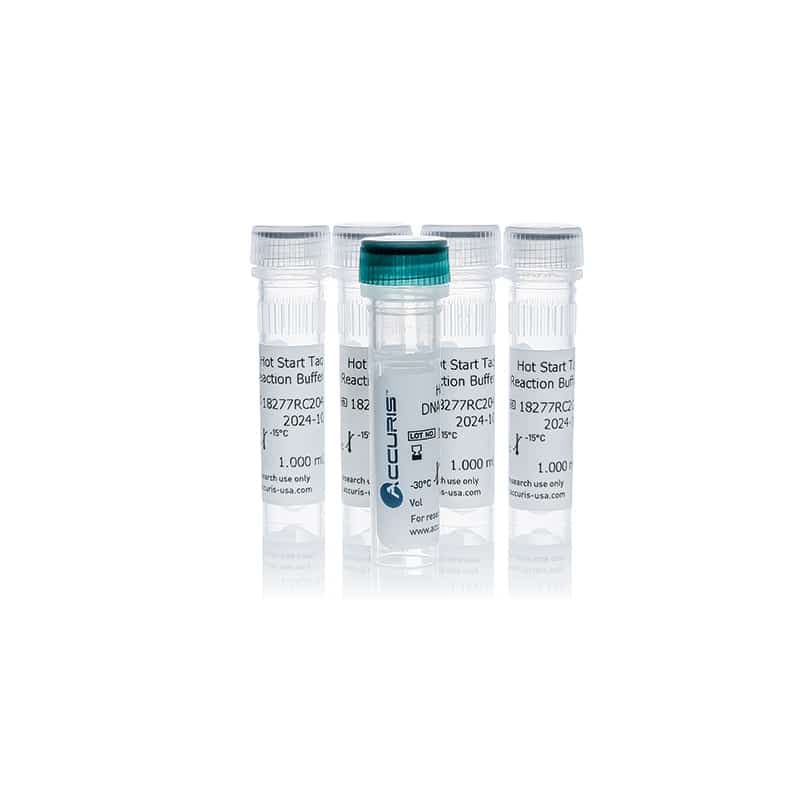
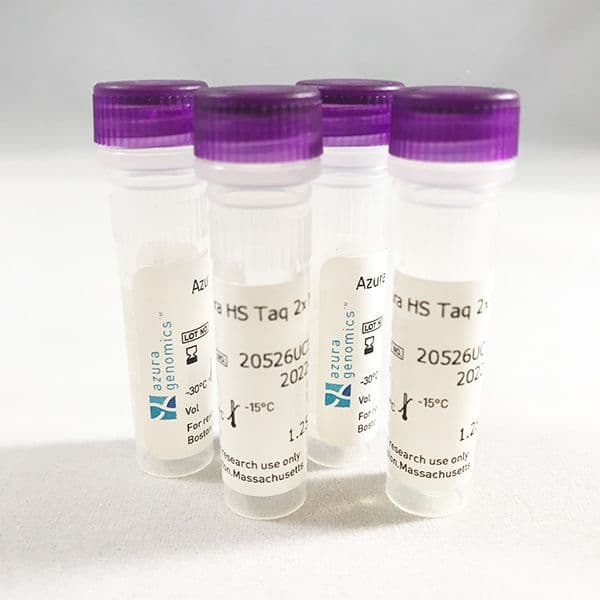
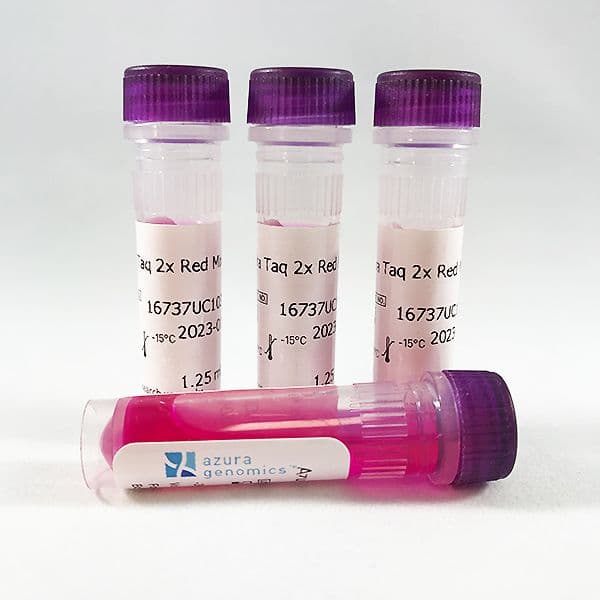
  • Hot Start Taq Master Mix: pre-optimized 2X formulations containing dNTPs, buffer, and magnesium to minimize pipetting errors and streamline high-throughput screening.

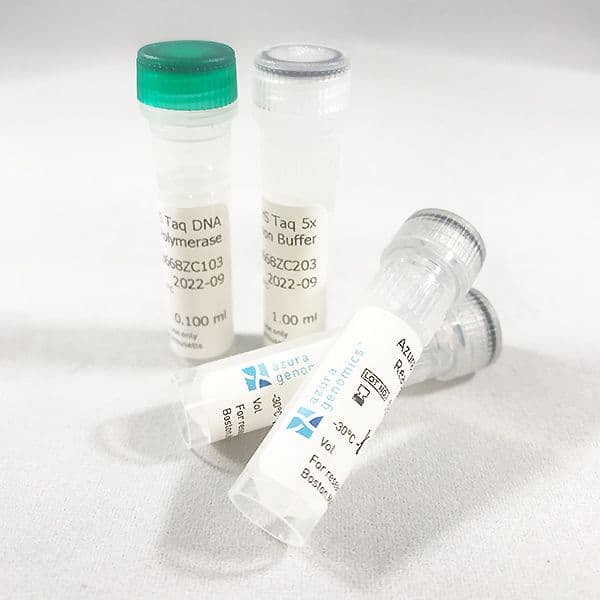
  • Hot Start Taq DNA Polymerase: Individual, high-purity enzyme configurations providing control over reaction components for non-standard or complex templates.


How to Choose Hot Start PCR Reagents


Activation Mechanism
Antibody-mediated hot-start polymerases (JumpStart Taq, Platinum Taq equivalents) use a heat-sensitive antibody that blocks enzyme activity until denatured at high temperature. Chemically modified formats (HotStarTaq, FastStart Taq equivalents) use covalent chemical modifications that are reversed during the initial denaturation step.

Activation Time
Antibody-based systems typically activate within the standard initial denaturation step; chemically modified systems may require a longer initial activation step (sometimes a dedicated activation incubation) — check the specific product's recommended cycling conditions.

Format
Individual hot-start enzyme with optimised 10x PCR buffer suits custom protocols; 2x hot-start master mixes pre-combine all components for streamlined high-throughput workflows requiring improved specificity.

Application Sensitivity
Hot-start formulations are particularly valuable for multiplex PCR (multiple primer pairs in one reaction, where primer-primer interactions are more likely), low-template-abundance reactions, and reactions prone to primer dimer formation.

Fast-Activation Needs
Fast-activation hot-start formulations reduce the time penalty of the activation step, useful for high-throughput pipelines where total cycling time matters.


Specifications Context


By remaining inactive during reaction setup, hot-start Taq polymerases prevent the non-specific primer annealing and extension that can occur with standard Taq, reducing primer dimer formation and non-specific amplification. This increased specificity is particularly valuable for multiplex PCR, low-abundance templates, and applications where downstream cloning, sequencing, or diagnostic analysis could be affected by spurious products. Hot-start reagents are typically stored at −20 °C and tolerate multiple freeze-thaw cycles. When replacing standard Taq in an existing multiplex protocol, minor re-optimisation of annealing temperature or cycle number may be required, as improved specificity can reveal previously masked non-specific amplification that contributed to apparent yield. Product availability reflects MBP's catalogue as of mid-2026.


Contact the expert team at MBP today and get reliable Hot Start PCR reagents for your lab.

FAQ

Hot start PCR prevents non-specific amplification that occurs when standard Taq DNA polymerase is active at room temperature during reaction setup. At ambient temperatures, primers can anneal non-specifically and be extended, generating primer dimers and spurious bands that compete with the target. Hot start technology keeps the polymerase inactive until a high-temperature activation step, eliminating this problem and improving PCR specificity, sensitivity, and yield.
The main hot start methods are: antibody-mediated (anti-Taq antibody blocks the active site, denatured at 94-95 degrees Celsius in 1-2 minutes); chemical modification (heat-labile blocking groups removed at 94-95 degrees Celsius in 5-15 minutes); aptamer-based (RNA aptamer that degrades at high temperature); and physical wax layer (wax barrier between components that melts at 70-75 degrees Celsius). Antibody and chemical modification are the most widely used in research reagents in 2025.
Antibody-mediated hot-start Taq (JumpStart Taq, Platinum Taq) uses a monoclonal antibody that binds the Taq active site at room temperature and is denatured within 1-2 minutes at 94-95 degrees Celsius, releasing fully active enzyme rapidly. Chemically modified hot-start Taq (HotStarTaq, FastStart Taq) has heat-labile blocking groups introduced into the enzyme that require up to 10-15 minutes of initial denaturation to remove fully. Both are equally effective at eliminating primer dimers and non-specific amplification.
Use hot start PCR when: you observe multiple non-specific bands or heavy primer dimer smears with standard Taq; you are performing multiplex PCR with many primer pairs; your template is present at very low copy number; you are amplifying from crude samples (blood, tissue) containing inhibitors; or your lab workflow does not allow for reaction setup on ice. Hot-start master mixes are particularly recommended for high-throughput plate-based genotyping where many reactions are set up simultaneously.
Yes, a hot start step must be added to the beginning of the thermocycling program. For antibody-mediated hot-start Taq, a 1-2 minute initial denaturation at 94-95 degrees Celsius is sufficient to activate the enzyme. For chemically modified hot-start Taq (such as HotStarTaq), a 15-minute initial denaturation at 95 degrees Celsius is recommended. This activation step is typically incorporated before the standard denaturation-annealing-extension cycles begin.
Yes. MBP supplies both individual hot-start Taq DNA polymerase (for use with separately optimised buffers and dNTPs) and ready-to-use 2x hot-start master mixes that include pre-optimised enzyme, buffer, dNTPs, and MgCl2. Master mix formats are preferred for high-throughput applications and routine workflows; individual enzyme is preferred when reaction conditions need customisation.
Yes. Hot-start 2x master mixes are the standard reagent format for high-throughput genotyping laboratories. The room-temperature stability of reactions containing hot-start polymerase allows batches of 96-well or 384-well plates to be set up without immediate access to a thermal cycler. This is a critical practical advantage in high-throughput screening workflows at research institutions and diagnostic laboratories.
The main limitations are: the additional activation step increases total PCR time by 1-15 minutes depending on the method; antibody-mediated formats carry a theoretical risk of mammalian DNA contamination from the antibody production process (though this is rare and not observed in practice with reputable manufacturers); and chemically modified hot-start Taq may show slightly lower efficiency than standard Taq on some easy templates. For clean, high-copy templates, standard Taq is often sufficient and more cost-effective.
We provide the highest quality of products and anytime customer service.
LinkedIn
Featured Categories
online payment
online payment
fast delivery
fast delivery
technical support
technical support
24/7 support
24/7 support
copy right
2026 All Right Reserved