High-Fidelity DNA Polymerases for Accurate PCR Research
MBP Inc. supplies high-fidelity DNA polymerases from Azura, Accuris, and MegaFi featuring 3′→5′ proofreading exonuclease activity for accurate, low-error PCR amplification. Available with matched reaction buffers, these enzymes support cloning, site-directed mutagenesis, sequencing, and other applications where preservation of target sequence integrity is critical for research laboratories across the USA and Canada.
Engineered for consistent, high-reliability performance across demanding molecular biology workflows. Request a quote today by contacting customerservice@mbpinc.net for product selection and pricing.
High-Fidelity DNA Polymerase
Showing 1 to 4 of 4 results
What Are High-Fidelity DNA Polymerases?
The development of high-fidelity thermostable DNA polymerases transformed PCR from a tool for detection and amplification into a precise DNA engineering platform. By combining thermostability with 3' to 5' proofreading exonuclease activity, modern high-fidelity enzymes detect and remove misincorporated bases immediately after insertion during DNA synthesis. Polymerase fidelity can significantly affect downstream results, so choosing an enzyme that meets your accuracy and performance requirements is essential.
What you will find:
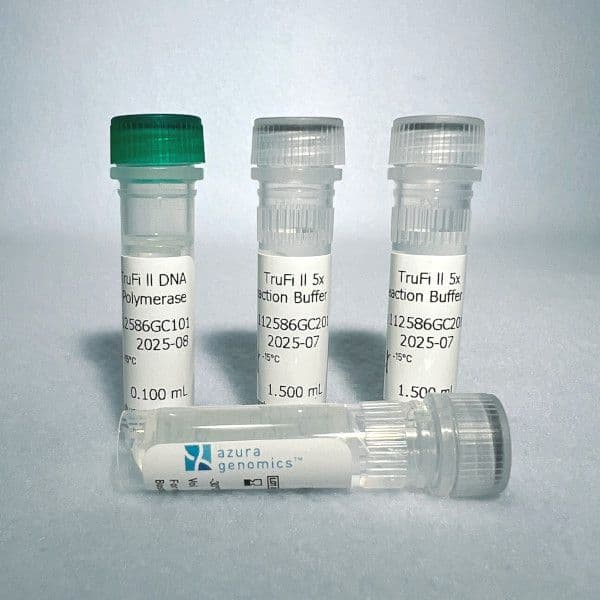
- High-fidelity DNA amplification with proofreading activity using Azura TruFi™ II DNA Polymerase.
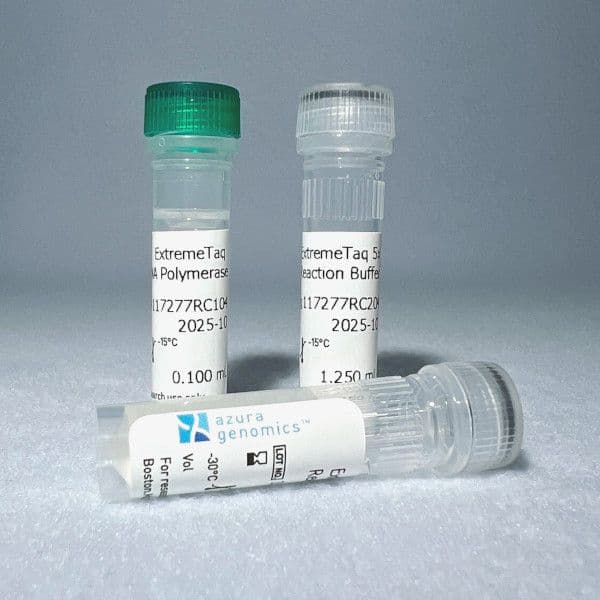
- Proofreading polymerase formulations with matched reaction buffers, including ExtremeTaq™ DNA Polymerase with 5x Reaction Buffer.
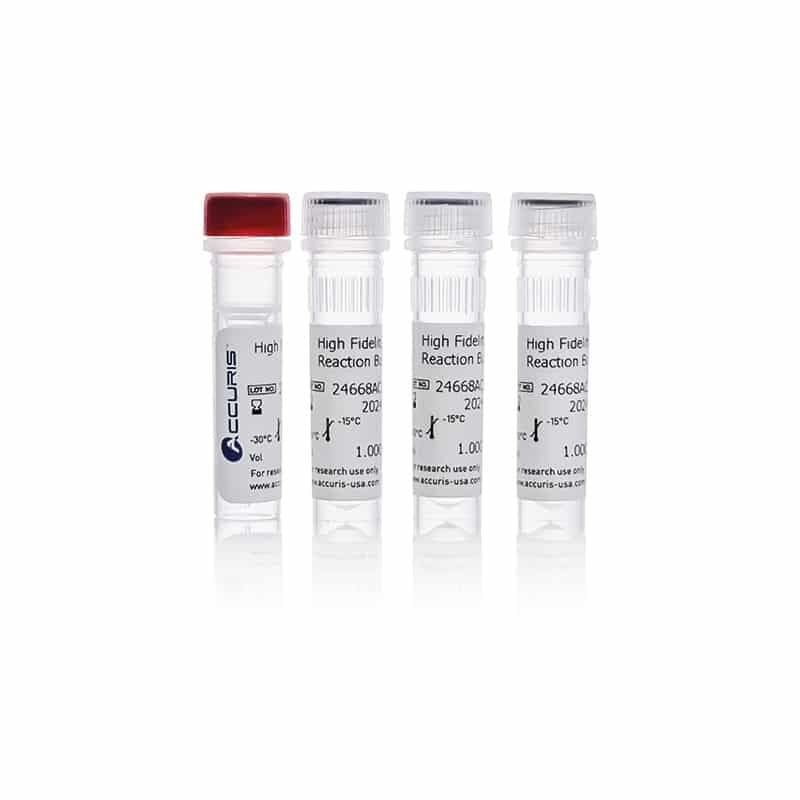
- Accurate PCR amplification with Accuris High Fidelity DNA Polymerase for cloning, sequencing, and mutagenesis workflows.
- High-fidelity enzyme systems featuring proofreading activity, including MegaFi Pro Fidelity DNA Polymerase.
How to Choose a High-Fidelity DNA Polymerase
Enzyme Family Selection
High-fidelity polymerases differ in processivity, extension speed, fidelity, and template compatibility. Selection should consider amplicon length, GC content, template complexity, and downstream application requirements.
Format: Enzyme vs. Master Mix
Individual high-fidelity enzymes with optimized HF buffers suit custom reaction optimization, particularly for difficult templates requiring buffer additive titration. In contrast, 2x master mixes streamline routine high-fidelity amplification for cloning and mutagenesis workflows.
Error Rate Requirements
For applications where amplicons will be cloned and sequence-verified downstream, the approximately 50- to 100-fold lower error rate of high-fidelity enzymes compared with standard Taq polymerase substantially reduces the frequency of sequence-confirmed clones carrying PCR-introduced mutations.
Extension Speed and Cycling Time
High-fidelity polymerases often extend faster than standard Taq per kilobase, which can shorten overall cycling time for long amplicons. However, optimal cycling parameters are enzyme-specific and should follow the manufacturer's recommendations.
Cloning Method Compatibility
Some high-fidelity polymerases generate blunt-ended PCR products suited to Gibson Assembly or blunt-end cloning strategies, while others may require additional steps for TA cloning. Confirm compatibility with your intended downstream cloning method before selection.
Specifications Context
The development of high-fidelity thermostable DNA polymerases—combining thermostability with 3' to 5' proofreading exonuclease activity—transformed PCR from a detection and amplification tool into a precise DNA engineering platform, enabling reliable cloning, site-directed mutagenesis, and sequencing-grade amplification. The proofreading mechanism corrects misincorporated bases immediately after insertion, reducing error rates to approximately 10−6 per nucleotide. Selection between high-fidelity polymerases often depends on template characteristics such as GC content, amplicon length, secondary structure, and downstream cloning requirements. High-fidelity enzymes are typically stored at −20 °C with matched HF buffer systems, and lot-specific Certificates of Analysis (CoAs) are available upon request. For sequencing-bound amplicons, confirm that the selected polymerase's documented error rate meets the level of sequence accuracy required, as even a 50- to 100-fold improvement over standard Taq may not be sufficient for applications demanding extremely low mutation rates across very long amplicons. Product availability reflects MBP's catalogue as of mid-2026.
Contact the expert team at MBP today to find high-fidelity DNA polymerase solutions for streamlining your laboratory workflows.
FAQ