Spin-Column Viral DNA Extraction Kits for PCR, qPCR, and Sequencing
Spin-column viral DNA extraction kits use a single silica-membrane column to bind, wash, and elute viral DNA from cell-free liquid samples such as plasma, serum, and cell culture supernatant, typically processing up to 400 µL per preparation on a standard benchtop microcentrifuge. Elution options include DNA elution buffer or water, with yields suitable for PCR, restriction digestion, qPCR, and sequencing applications.
For academic researchers running low-to-moderate sample numbers per workflow, the spin-column format avoids the additional equipment requirements and costs associated with 96-well plate systems. Request a quote today for spin-column viral DNA extraction kits by contacting customerservice@mbpinc.net.
Spin-Column
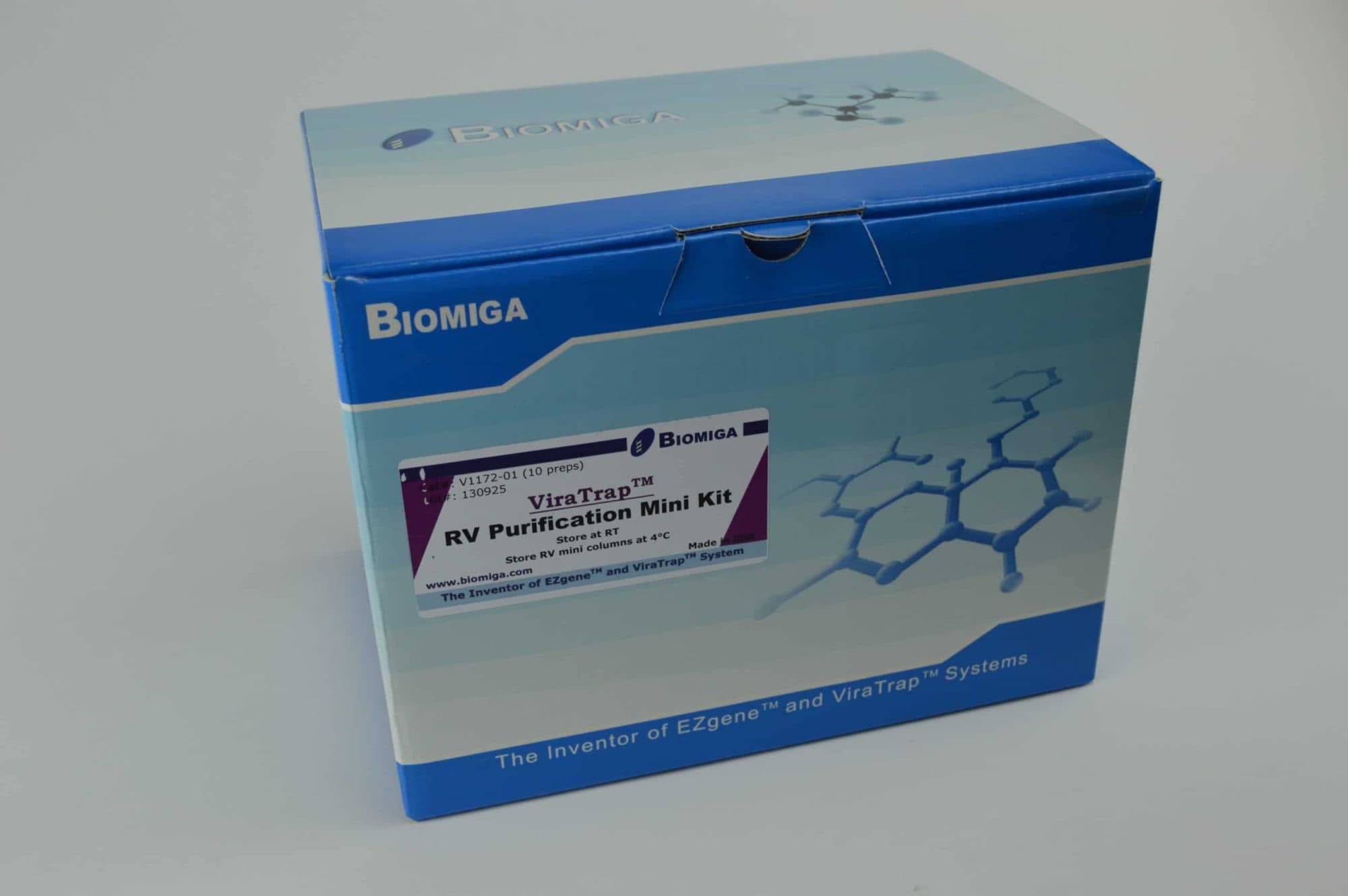
Showing 13 to 13 of 13 results
What Are Spin-Column Viral DNA Extraction Kits?
Spin-column viral DNA extraction kits combine a chaotropic lysis and binding buffer with a silica-membrane spin column housed in a collection tube, allowing viral DNA to be purified using a standard laboratory microcentrifuge. Following lysis, viral nucleic acids bind to the membrane while contaminants are removed during wash steps before purified DNA is eluted for downstream analysis. Choose a spin-column viral DNA extraction kit when processing low-to-moderate sample volumes and when a standard benchtop microcentrifuge provides a more practical solution than a 96-well plate workflow.
What You Will Find
- Obtain high-quality viral nucleic acids using spin-column-based purification for PCR, qPCR, sequencing, and molecular diagnostic applications.
- Mini and maxi purification formats for efficient concentration and isolation of adenovirus, lentivirus, retrovirus, and adeno-associated virus (AAV).
- Optimized workflows that minimize inhibitors and maximize downstream compatibility for fast, reproducible recovery of viral nucleic acids.
- Scalable purification options supporting both low-throughput and high-throughput virology, infectious disease, and molecular biology research.
How to Choose a Spin-Column Viral DNA Extraction Kit
Input Sample Volume and Processing Capacity
Most spin-column viral DNA extraction kits accept up to 400 µL of liquid sample per column, with some protocols allowing the same column to be reloaded to process larger total sample volumes. Confirm that your sample type and volume fall within the manufacturer's recommended specifications.
Centrifuge Compatibility
Spin-column purification workflows generally require centrifugation speeds of approximately 10,000 × g or greater. Most standard benchtop microcentrifuges used with 1.5–2 mL tubes can accommodate these requirements, but equipment compatibility should always be verified before implementation.
Elution Buffer Versus Water
Many kits provide the option of eluting DNA with either a storage buffer or DNase/RNase-free water. Elution buffer may be preferable for longer-term storage, while water can be advantageous for downstream applications sensitive to EDTA or other buffer components.
Sample Type Considerations
Spin-column viral DNA extraction kits are optimized primarily for cell-free liquid samples. Protein-rich or solid biological samples may require additional pretreatment steps or may be better served by dedicated genomic DNA extraction kits designed for blood or tissue specimens.
Specifications Context
The most important performance specifications for spin-column viral DNA extraction kits are sample input capacity and minimum elution volume, as these directly influence DNA concentration and recovery efficiency. A workflow processing several hundred microliters of sample and eluting into a smaller final volume can significantly improve target concentration for downstream qPCR analysis. Many laboratories maintain both spin-column and 96-well plate extraction formats to accommodate varying weekly sample volumes. Spin-column systems offer flexibility and simplicity for smaller studies, while maintaining the DNA quality required for PCR, qPCR, sequencing, and molecular diagnostic applications.
Contact the MBP team today to discuss your viral DNA extraction workflow and receive expert guidance on selecting the most suitable spin-column kit for your PCR, qPCR, sequencing, or molecular diagnostics application.
FAQ