Gel Extraction Kits for DNA Recovery from Agarose Gels
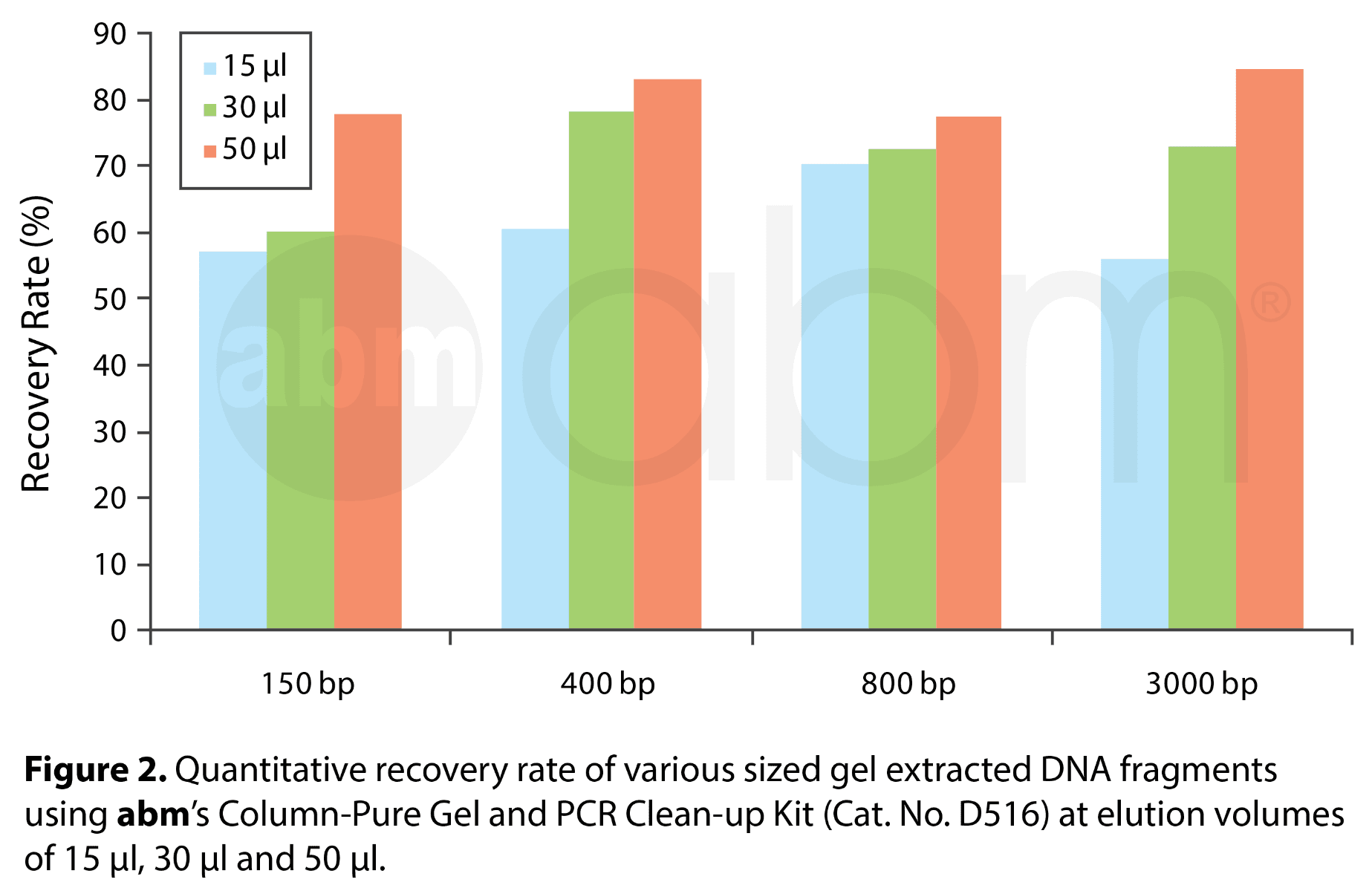
Gel extraction kits isolate specific DNA fragments from agarose gels by dissolving the excised gel band in a chaotropic buffer and purifying DNA on a silica-membrane spin column—removing agarose, EtBr, SYBR Safe, salts, and proteins in under 20 minutes. Fragments from 25 bp to 20 kb are recovered at up to 80–90% efficiency in 10–50 µl, ready for ligation, cloning, sequencing, and NGS library preparation.
MBP supplies Zymo Zymoclean kits to registered vendors at Howard Hughes Medical Institute, Vanderbilt University, and MD Anderson Cancer Center. Request a quote by contacting customerservice@mbpinc.net.
Gel Extraction Kits

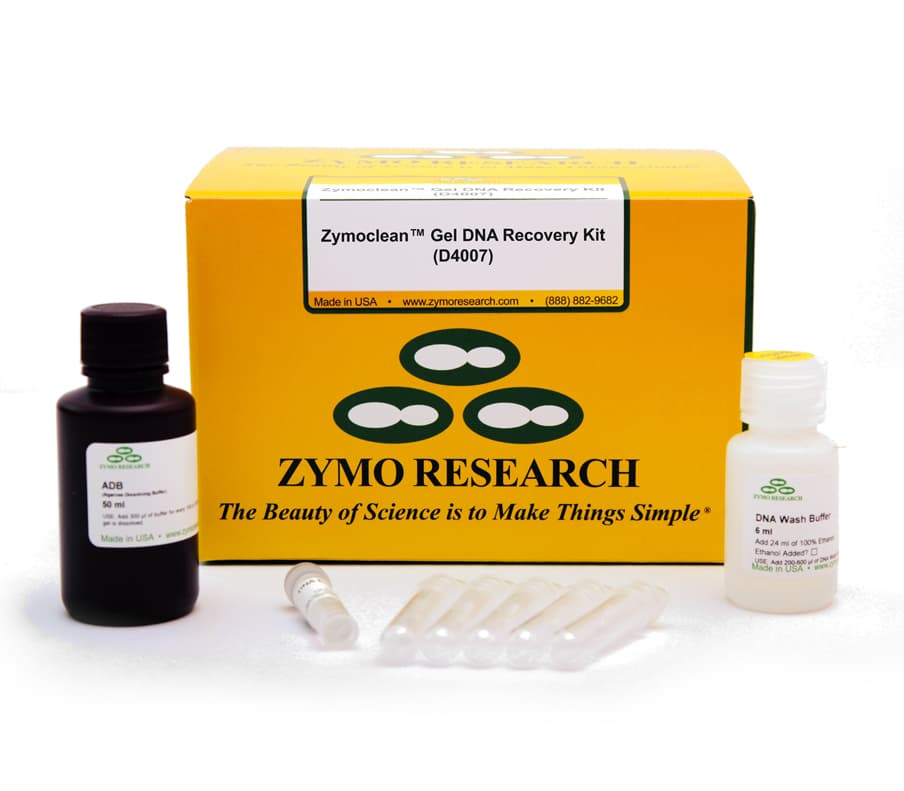
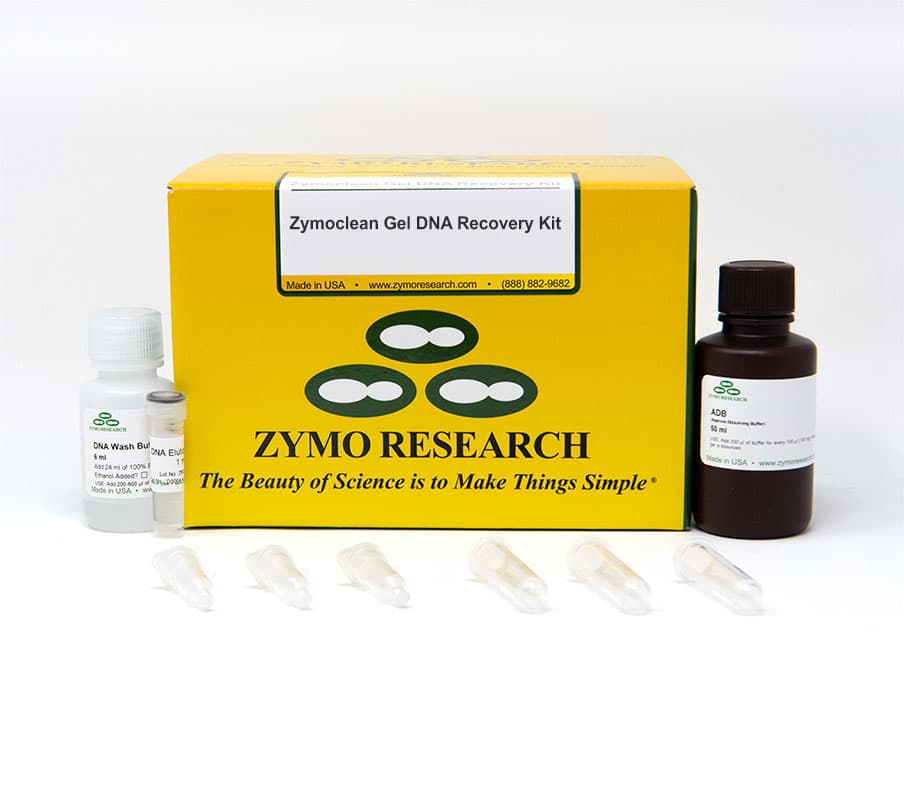
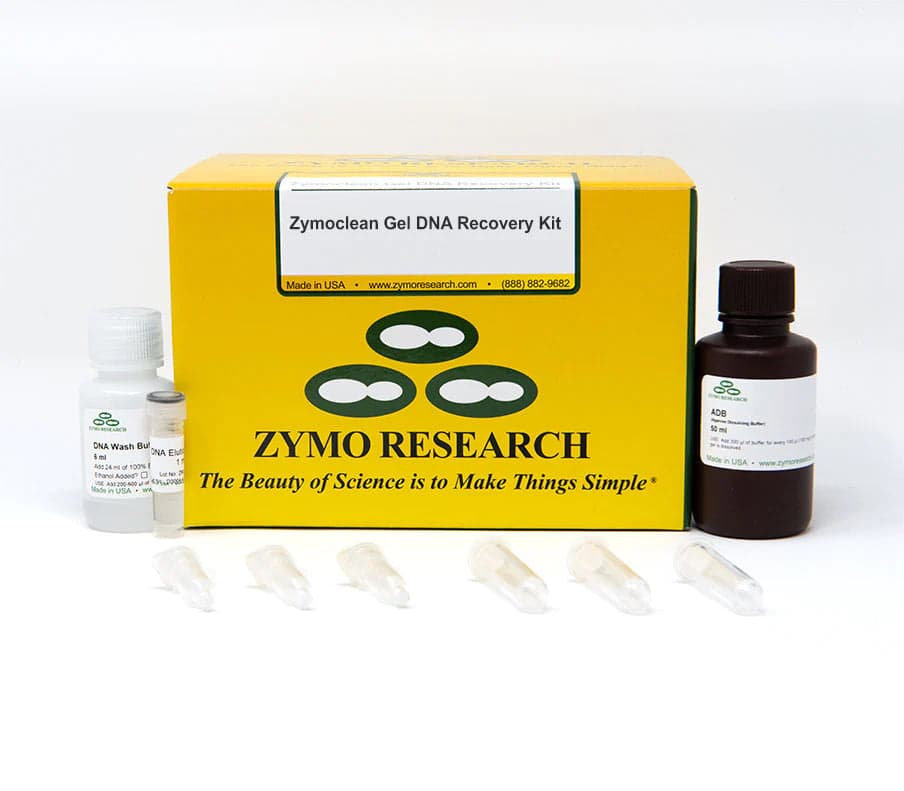
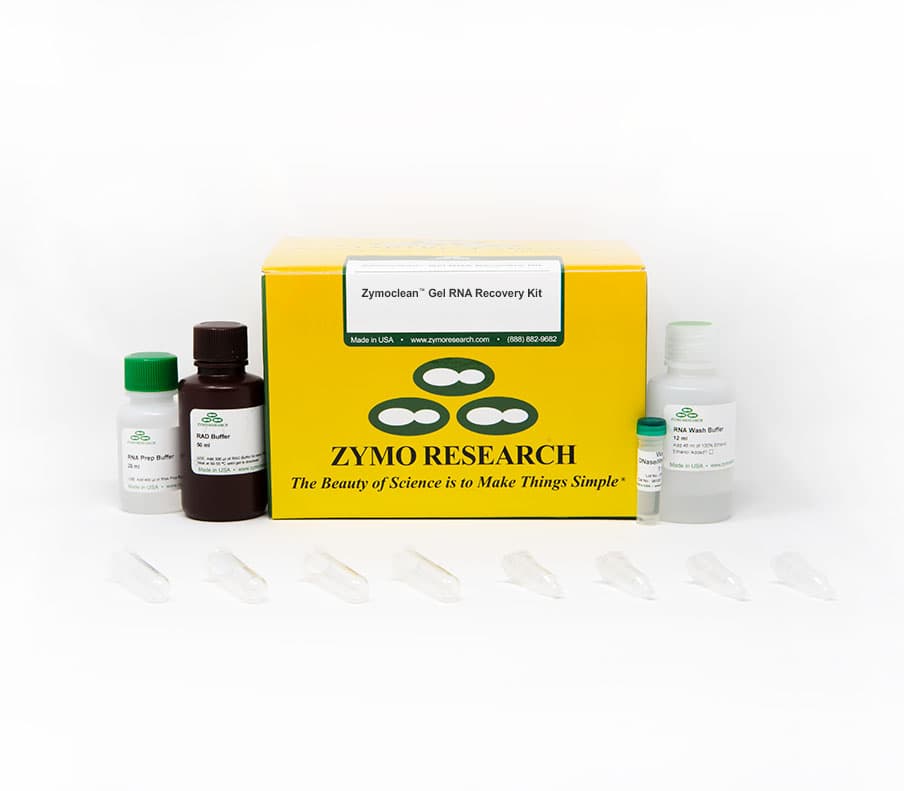
Showing 1 to 10 of 10 results
What are Gel Extraction Kits?
Gel extraction kits (gel purification or gel DNA recovery kits) isolate specific DNA fragments from standard and low-melting agarose gels after electrophoresis by dissolving the excised gel band in a chaotropic buffer that melts agarose and conditions DNA to bind a Zymo-Spin followed by washing to remove agarose, gel stains (EtBr, SYBR Safe, GelRed), salts, and proteins, and elution in 30-50 ul. Gel extraction is the primary method for isolating specific DNA fragments from multi-band reactions - PCR amplifications producing non-specific products, restriction digests generating multiple fragments, and vector preparations requiring removal of small insert-incompatible fragments. Use gel extraction instead of direct PCR cleanup whenever the reaction produces more than one visible band and only a specific size is needed downstream; for single-band reactions, PCR cleanup recovers 10-20% more DNA in the same protocol time.
What you will find:
-
Zymoclean™ Gel DNA & RNA Recovery: Innovative spin-column systems created for quick extraction of nucleic acids without any salt or agarose contamination.
-
ZR small-RNA™ PAGE Recovery: A dedicated method for the accurate isolation of microRNA and small RNA types from polyacrylamide gels, preserving isoform uniqueness.
-
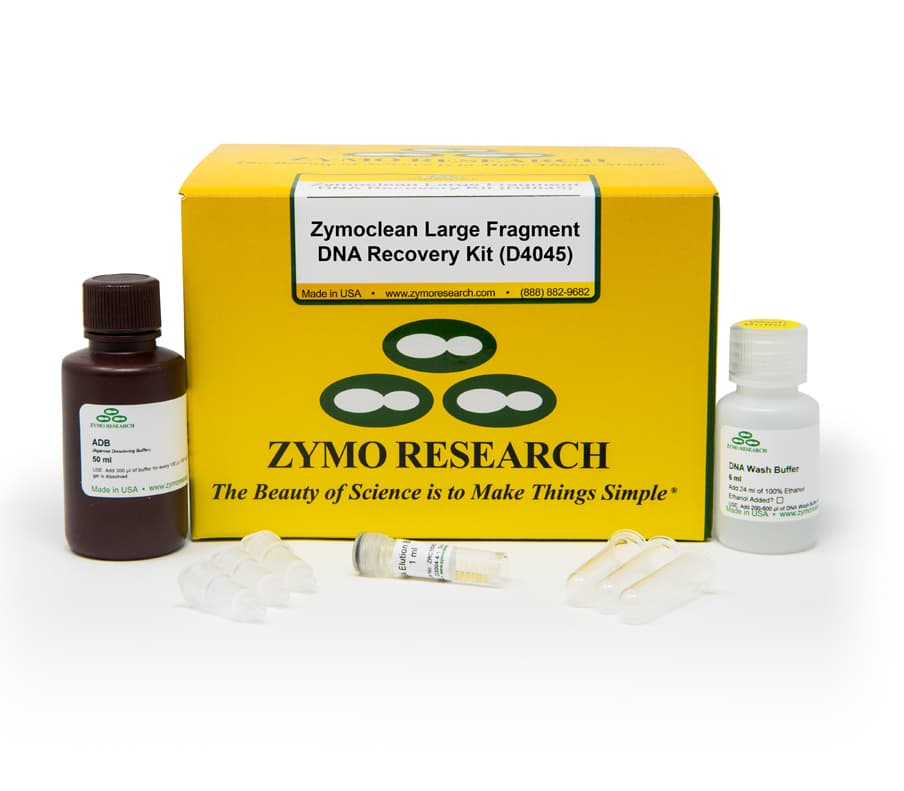
Large Fragment DNA Recovery: Designed methods for the careful elution of high-molecular-weight DNA, avoiding mechanical shearing for extended-read sequencing.
-
High-Throughput & Universal Kits: Adaptable ZR-96 formats and flexible Column-Pure systems designed for standard laboratory cleanup and automated processes.
How to Choose a Gel Extraction Kit
Fragment Size Range
Standard silica-column gel extraction kits ( Zymo Zymoclean, Thermo Fisher GeneJET) purify 70 bp to 10 kb with >80% recovery for 200 bp-5 kb. For fragments larger than 10 kb requiring size-selective gel purification, use electroelution, agarase digestion of low-melting agarose, or pulse-field gel extraction followed by alcohol precipitation.
Agarose Percentage and Dissolution Protocol
For standard 0.8-2% agarose gels: use 3 volumes of dissolution buffer per 1 volume (weight:volume) of gel slice at 50-60 degrees C for 5-10 minutes. For high-percentage gels (>2%): use 6 volumes of dissolution buffer and extend incubation to 10-15 minutes, or add isopropanol to help dissolve the denser agarose matrix. Incomplete dissolution is the most common cause of low yield and must be verified visually - no visible agarose particles should remain in the dissolved solution before loading the column.
Elution Volume
For cloning applications where insert concentration matters, use the minimum elution volume (30-35 ul) to maximize insert concentration for ligation. For sequencing of gel-purified products, elute in 30-50 ul and measure concentration by Qubit or NanoDrop before use.
UV Exposure Minimization
UV transilluminator exposure damages DNA via pyrimidine dimer formation, reducing downstream PCR amplification and sequencing efficiency. Limit UV exposure to <30 seconds when excising bands; use a long-wavelength (365 nm) UV source instead of short-wavelength (254 nm) to minimize damage. Alternatively, use a blue-light transilluminator (Safe-Imager, Clare Chemical DarkReader) with SYBR Safe or GelRed stain, which causes no photodamage to DNA during band excision.
Column vs. Magnetic Bead Gel Extraction
Standard gel extraction uses spin columns. For 96-well high-throughput gel extraction applications, vacuum-manifold compatible 96-well plate formats (Norgen DNA Gel Extraction Kit 96-well) process multiple samples simultaneously. AMPure XP magnetic beads can perform gel-alternative size selection from solution without the gel step, which avoids UV damage entirely and is preferred in NGS library preparation workflows where fragment size distribution rather than specific band isolation is the goal.
Specifications Context
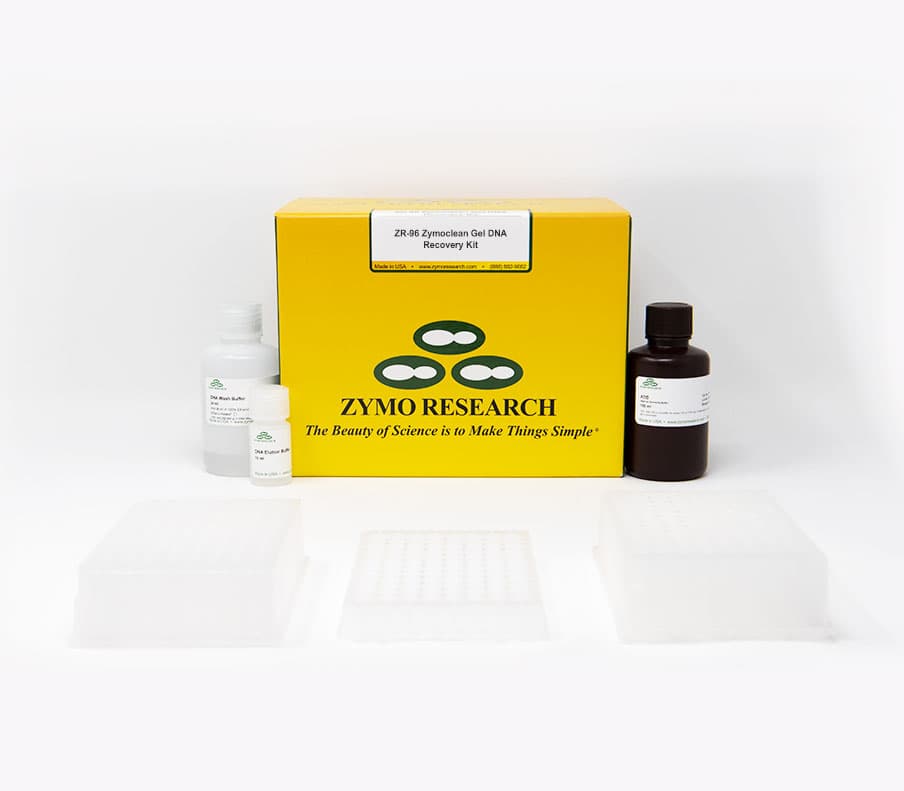
Key benchmarks for gel extraction kits: >=70% recovery for 200 bp-5 kb fragments from 1% TAE agarose gels, A260/A280 >= 1.7 in eluate, no detectable agarose (confirmed by no viscosity increase in eluate), and complete removal of gel stain and EtBr (confirmed by absence of stain fluorescence in eluate). The Zymo Zymoclean Gel DNA Recovery Kit purifies DNA from TAE or TBE gels using Zymo-Spin technology, eluting in as little as 6 ul for highly concentrated DNA in minutes. Gel extraction remains an essential cloning technique at academic molecular biology labs, with blue-light transilluminator-based band excision increasingly replacing UV-based methods to protect DNA integrity during size selection.
Unleash the genetic capabilities of your samples—reach out to MBP Inc. now to obtain a quote for our gel recovery services.
FAQ