Gene Editing Reagents and Kits for Research Laboratories
MBP Inc. offers a curated range of gene editing reagents — CRISPR/Cas9 components, guide RNAs, viral delivery systems, and mutation detection kits — for researchers performing gene knockout, knock-in, and base-editing experiments.
Each product is selected for proven performance in mammalian and non-mammalian cell models. Sourced from verified manufacturers and shipped with documented quality controls to research institutions across the USA and Canada. For purchasing assistance or quotations, reach out to customerservice@mbpinc.net
Gene Editing


Showing 37 to 48 of 112 results
What Are Gene Editing Reagents?
Gene editing reagents are the components used to make targeted, precise changes to genomic DNA — primarily through the CRISPR/Cas9 system. MBP's catalogue covers the full editing workflow: guide RNA design and synthesis, Cas9 protein delivery in plasmid, RNP, or viral formats, homology-directed repair (HDR) donors, and post-edit mutation detection assays such as T7E1. Researchers moving between these stages often source reagents from a single supplier to maintain consistent lot quality and simplify institutional purchasing approvals across a multi-step project. This is particularly relevant for multi-year projects where reagent lot-to-lot consistency can materially affect the reproducibility of published results.
What you will discover:
-
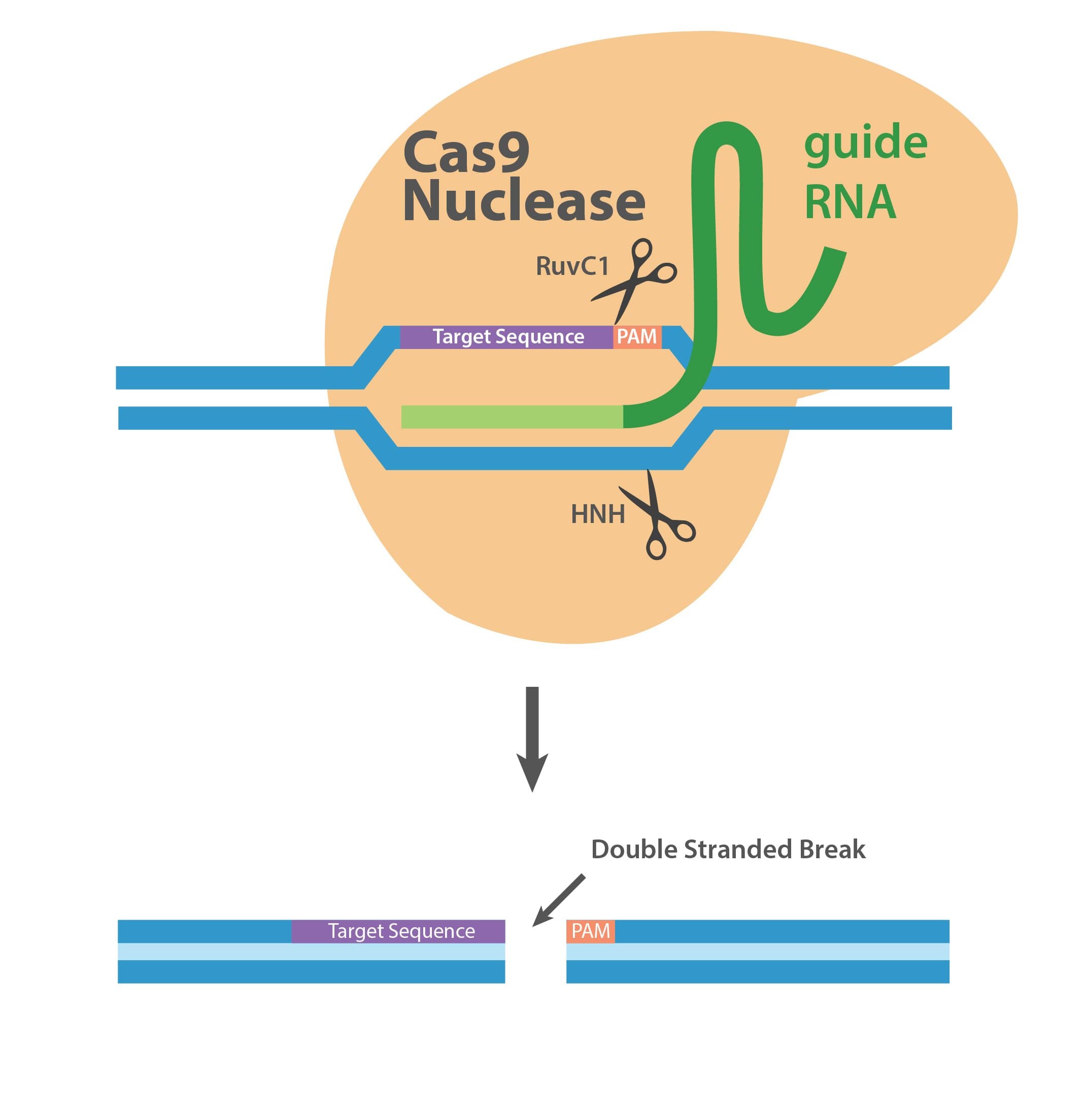
Recombinant Cas9 nucleases: Concentrated, NLS-tagged proteins for effective nuclear localization and double-strand break formation.
-
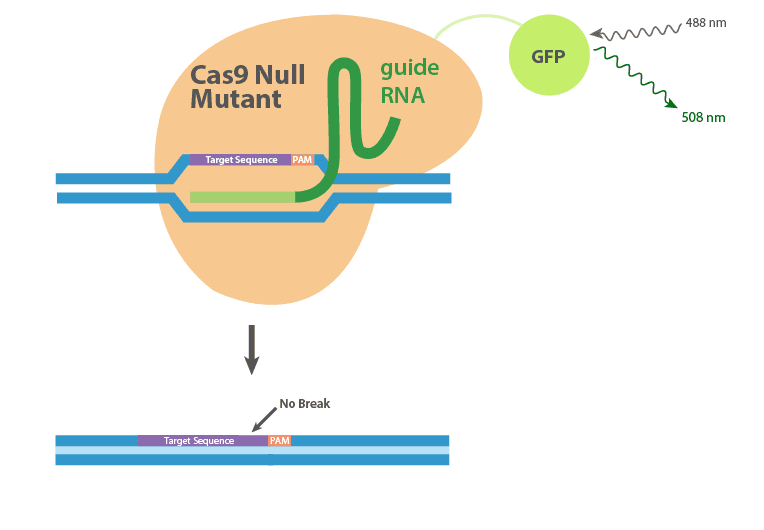
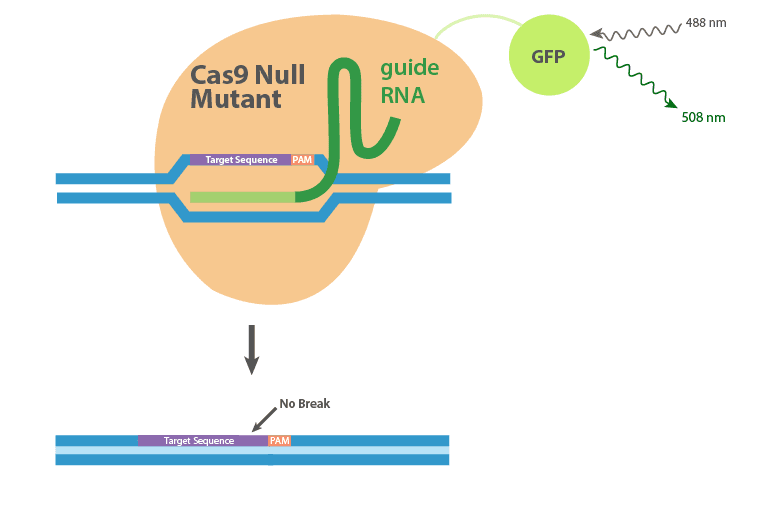
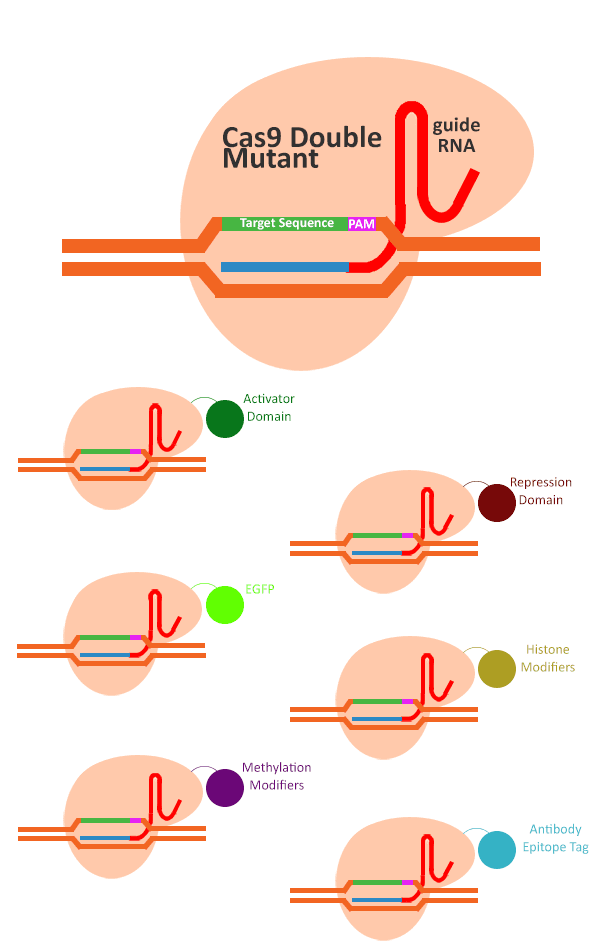
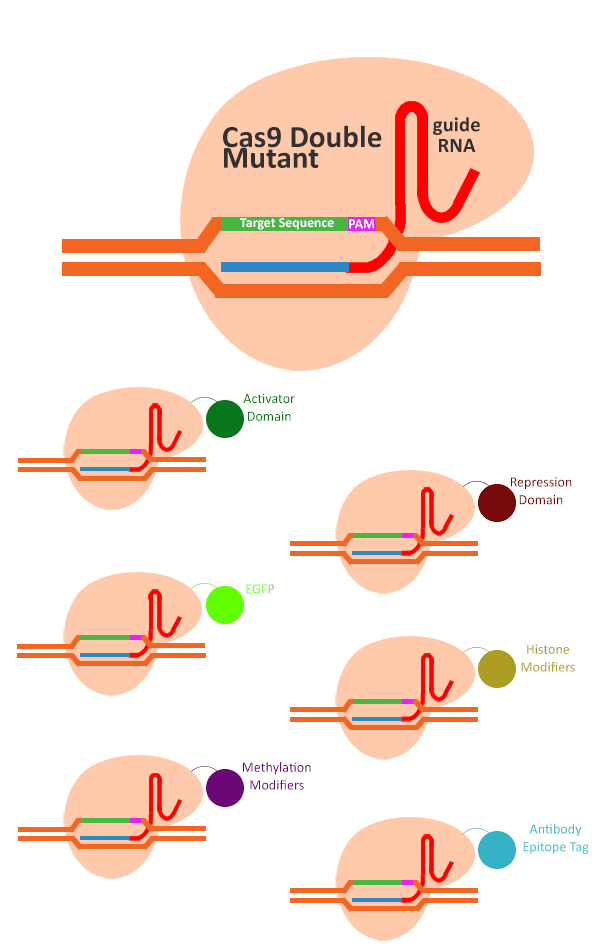
Cas9 Nickase and Null mutants: Specialized enzymes designed to minimize off-target effects and facilitate accurate single-strand nicks or binding examinations.
-
Lyophilized nuclease proteins: High-purity Cas9 and saCas9 formulations that are stabilized for versatile reconstitution and extended storage.
-
CRISPR cleavage detection kits: Dependable tests to measure genomic editing effectiveness and confirm successful locus alteration.
-
Lentiviral expression vectors: Enhanced platforms for reliable dCas9 transmission and sophisticated epigenetic control.
-
Cpf1 (Cas12a) nucleases: Different CRISPR systems for enhanced targeting abilities in T-rich genomic areas.
-
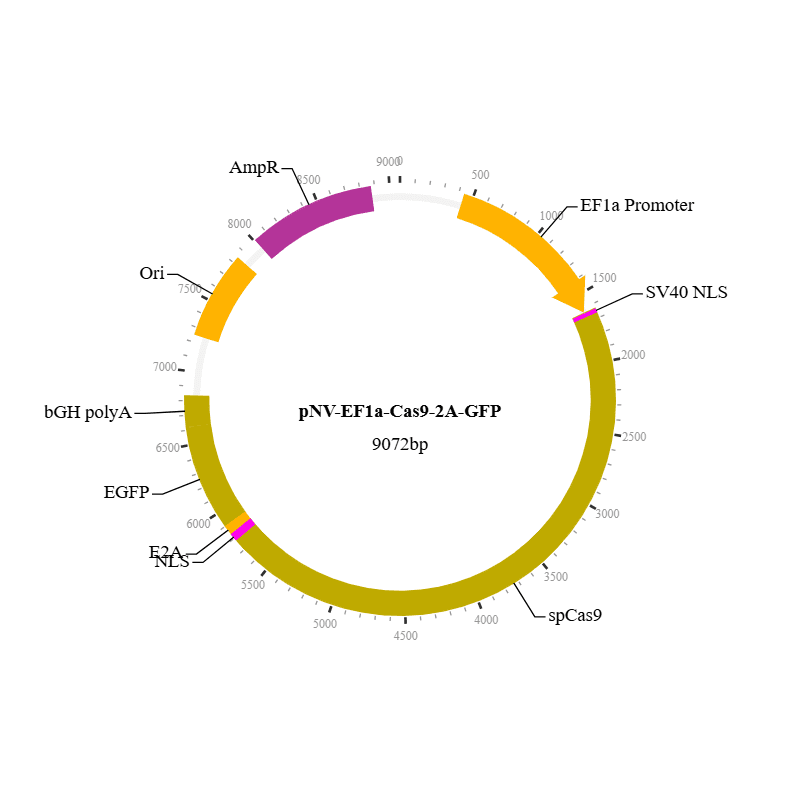
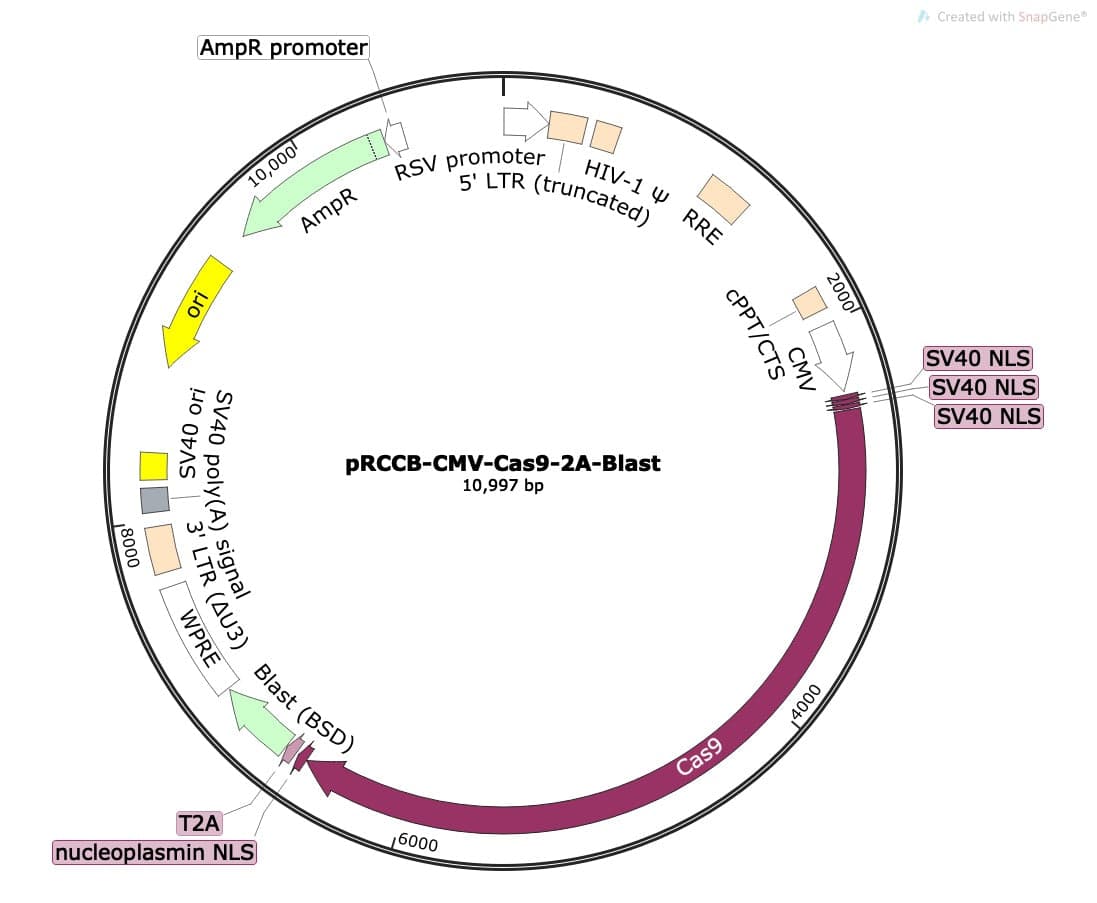
Cloning and dCas9 vectors: Flexible genetic frameworks for creating tailored guide RNA constructs and transcriptional modulators
How to Choose Gene Editing Reagents
Cas9 Variant
Wild-type SpCas9 suits standard knockout and knock-in work. High-fidelity variants reduce off-target editing for sensitive applications. Nickase (Cas9n) supports paired-nick HDR strategies, while catalytically inactive dCas9 enables gene regulation (CRISPRa/CRISPRi) without cutting DNA.
Delivery Format
Plasmid delivery favours stable cell line generation at low cost. RNP (Cas9 protein + sgRNA) electroporation provides the fastest transient editing with reduced off-target risk. AAV and adenoviral vectors extend CRISPR access to hard-to-transfect primary cells and in vivo models.
Guide RNA Format
Synthetic single guide RNAs (sgRNAs) offer convenience for most workflows, while separate crRNA/tracrRNA components suit researchers who prefer modular assembly or on-demand guide preparation.
Cell Type and Application
Plasmid and lentiviral systems suit dividing cell lines and stable screens; RNP and viral delivery suit primary cells, stem cells, and in vivo models where transfection efficiency is limited.
Post-Edit Validation
Confirming editing success requires mutation detection — T7 endonuclease I (T7E1) and Surveyor nuclease assays provide rapid screening, while NGS-based methods (TIDE, targeted amplicon sequencing) offer higher-resolution quantification.
Specifications Context
Gene editing reagents are available in multiple formats, including recombinant CRISPR nucleases (Cas9, saCas9, and Cas12a/Cpf1), catalytically inactive dCas9 variants, nickases, viral delivery systems, non-viral vectors, and genome editing validation kits. Product specifications vary by delivery method, nuclease format, expression system, and intended application. Available options include purified proteins for direct delivery, lentiviral and adenoviral systems for stable expression, AAV-based formats for targeted delivery workflows, and detection kits for evaluating genome editing outcomes. Researchers should review individual product documentation for information regarding vector design, serotype selection, expression characteristics, storage requirements, and recommended applications. All products are intended for research use only unless otherwise specified.
Reach out to the expert team at MBP Inc. now to get a quote for your gene-editing experiments.
FAQ



