Enzymes & Inhibitors for Epigenetic Regulation and Chromatin Biology
Enzymes & Inhibitors covers the enzymatic writers, erasers, and readers of epigenetic marks, along with small-molecule inhibitors that block their activity: DNA methyltransferases (DNMTs) and TET enzymes for writing and oxidizing the 5-mC mark; histone acetyltransferases (HATs) and deacetylases (HDACs) for adding and removing histone acetylation; and histone methyltransferases (HMTs) along with inhibitors targeting EZH2, DOT1L, and BET bromodomains for studying or modulating histone methylation-based gene silencing. Academic and core laboratories studying epigenetic enzyme activity or using inhibitors as research tools can benefit from guidance when selecting target-specific enzymes and inhibitors for experimental design and pathway modulation.
Explore available epigenetic enzymes and inhibitors or request a quotation by contacting customerservice@mbpinc.net. Our team can help identify the appropriate DNMT, TET, HDAC, HAT, HMT, or small-molecule inhibitor tools for your chromatin and epigenetic research workflows.
Enzymes & Inhibitors



Showing 1 to 11 of 11 results
What are epigenetics enzymes and inhibitors?
Epigenetics enzymes and inhibitors are the molecular tools for directly studying or modulating the enzymatic machinery that writes, erases, or reads epigenetic marks. The major classes include: DNA methyltransferases (DNMT1, DNMT3A, DNMT3B), which catalyze the addition of a methyl group to cytosine; TET family enzymes (TET1, TET2, TET3), which oxidize 5-methylcytosine to 5-hydroxymethylcytosine; histone acetyltransferases (HATs) and histone deacetylases (HDACs), which add and remove acetyl groups from histone lysine residues; and histone methyltransferases (HMTs) including EZH2, DOT1L, and G9a. Small-molecule inhibitors of HDAC and DNMT enzymes are the most clinically and experimentally advanced of these tools.
What you will find:
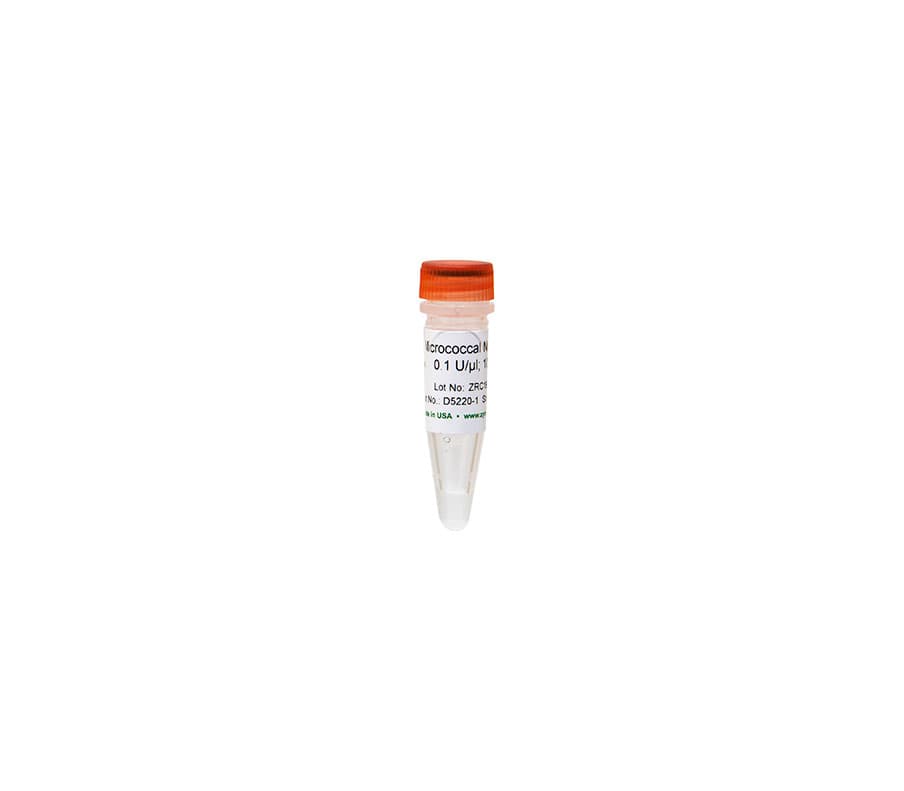
- Micrococcal nuclease for nucleosome mapping and controlled chromatin digestion applications
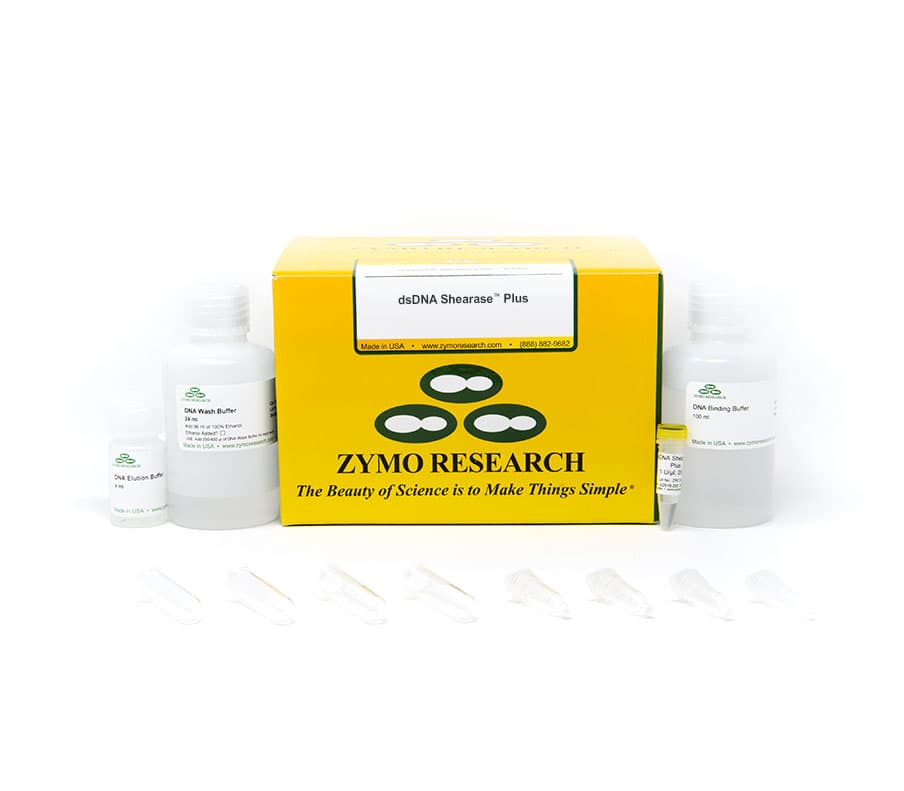
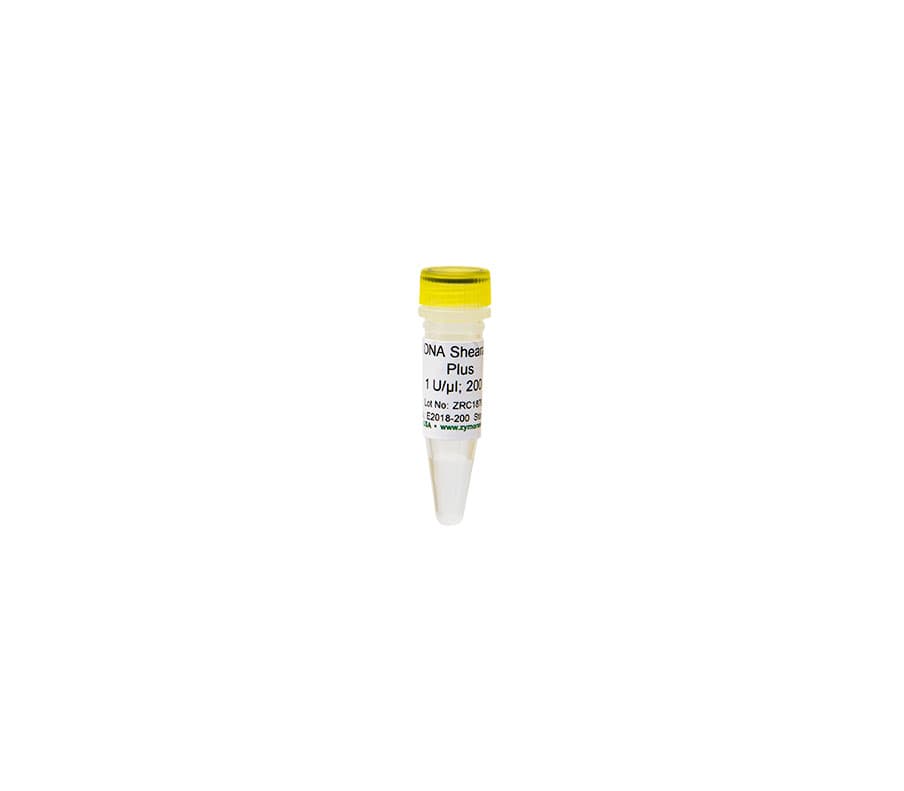
- DNA shearing enzymes for consistent fragmentation of DNA in sequencing and epigenetic workflows
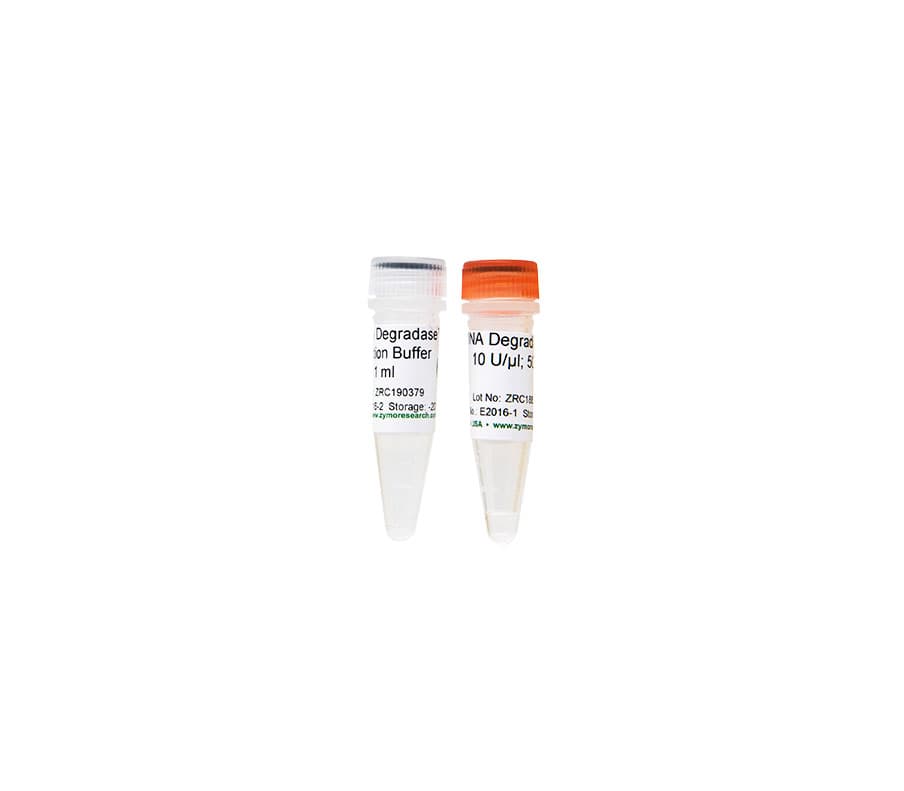
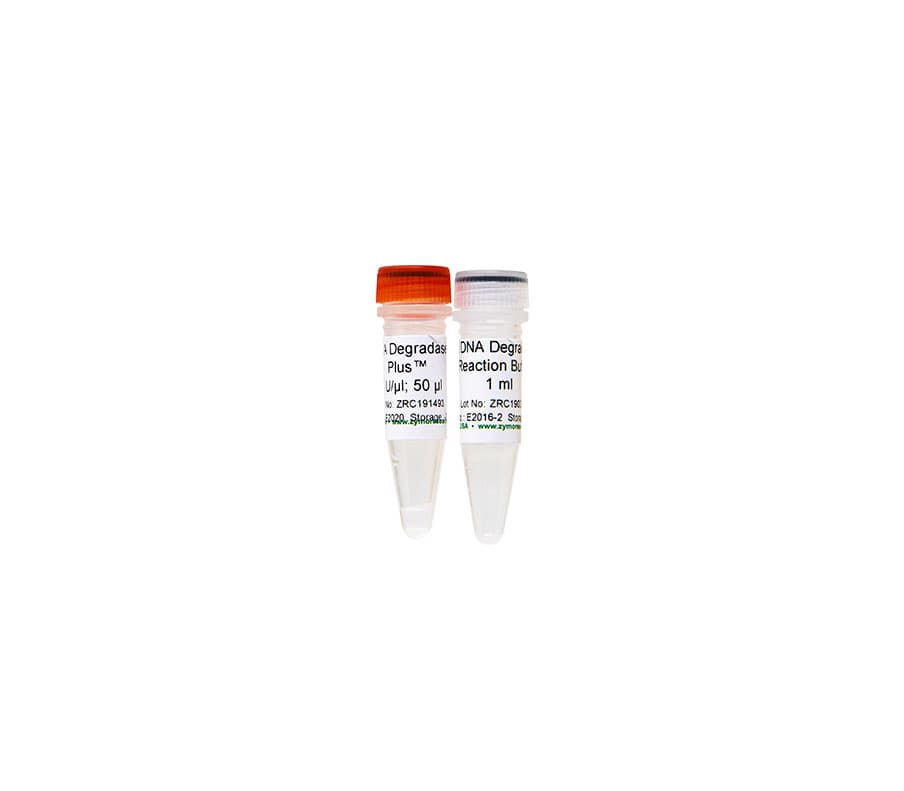
- DNA degradation enzymes for controlled breakdown and analysis of nucleic acids
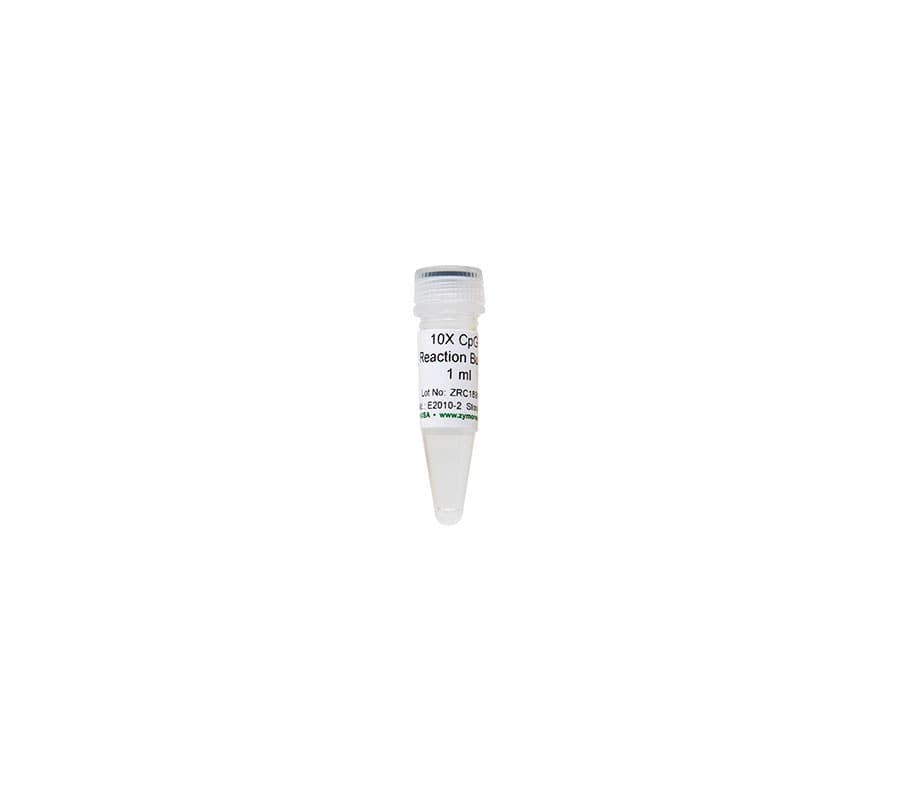
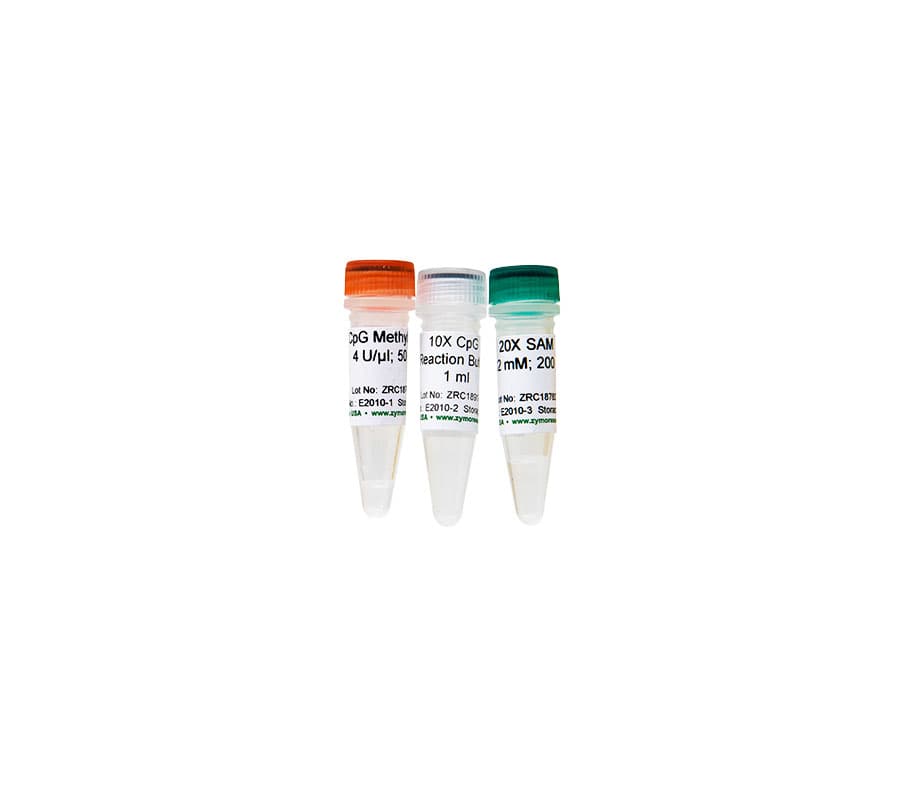
- CpG methylase enzymes for targeted DNA methylation (CpG-specific ) in epigenetic modification studies
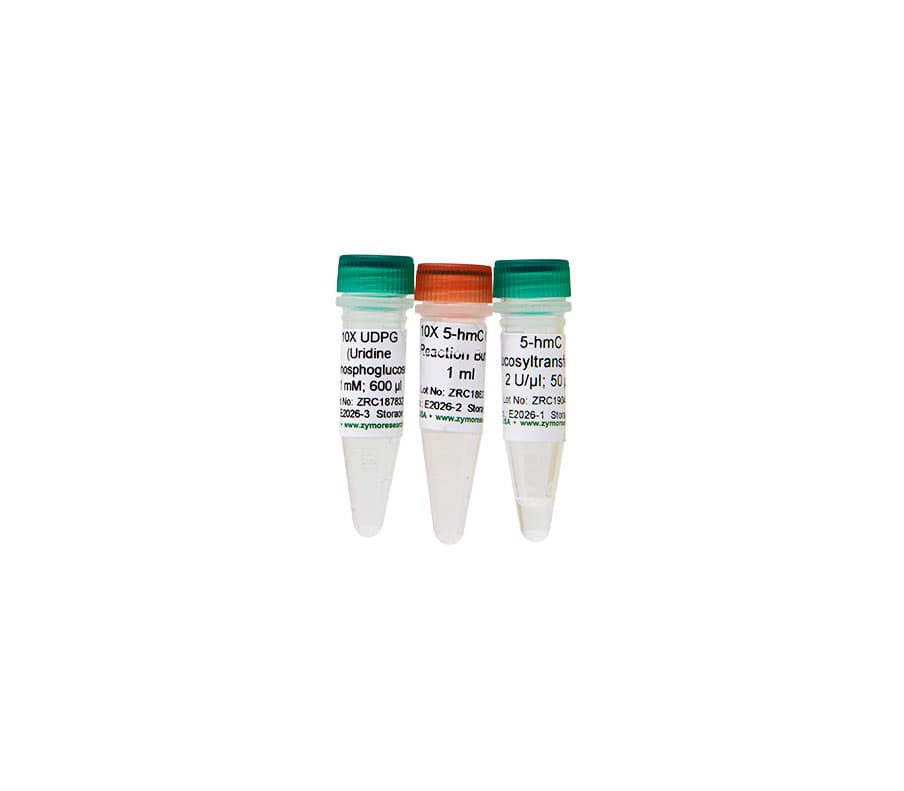
- 5-hmC glucosyltransferase for detection and labeling of hydroxymethylcytosine in DNA
- SAM (S-adenosylmethionine) cofactors for supporting enzyme activity and methylation reactions
- DNA digestion enzymes for genomic DNA processing workflows
- dsDNA nuclease systems for controlled cleavage and analysis of double-stranded DNA
How to choose epigenetics enzymes and inhibitors
Choose DNMT inhibitors to globally reduce or deplete DNA methylation in cells
Nucleoside analog DNMT inhibitors like 5-azacytidine and decitabine incorporate into DNA and trap DNMT1, preventing maintenance methylation and causing passive demethylation through DNA replication, while newer non-nucleoside DNMT inhibitors are in development for more selective, non-genotoxic methylation reduction.
Choose HDAC inhibitors to globally increase histone acetylation
HDAC inhibitors including pan-HDAC hydroxamates like vorinostat (SAHA) or class-selective compounds reduce histone deacetylase activity and cause hyperacetylation of histone lysine residues, broadly promoting gene expression at silenced loci. HDAC inhibitors are the most clinically advanced class of epigenetic therapeutics, with multiple FDA-approved compounds.
Use TET enzyme preparations for in vitro 5-hmC oxidation studies
Purified TET1, TET2, or TET3 enzyme preparations allow controlled in vitro oxidation of 5-methylcytosine to 5-hydroxymethylcytosine and further oxidation products, useful for generating defined 5-hmC-containing substrate DNA or studying TET enzyme activity and selectivity.
Choose EZH2 or other HMT inhibitors for studying PRC2-dependent gene silencing
EZH2, the catalytic subunit of polycomb repressive complex 2 (PRC2), catalyzes H3K27 trimethylation (H3K27me3), a histone modification associated with repression of tumor suppressor genes, and EZH2 inhibitors like tazemetostat are used in research to probe the role of this silencing mark.
Combine inhibitors to study epistatic relationships between epigenetic marks
Because DNA methylation, histone acetylation, and histone methylation are mechanistically linked, combining HDAC inhibitors with DNMT inhibitors can produce synergistic effects on gene expression exceeding either alone, and these combination approaches are both experimental tools and the basis for combination epigenetic therapy research.
Specifications context
HDAC and DNMT inhibitors are the most clinically advanced classes of epigenetic therapeutics, with multiple HDAC inhibitors including vorinostat and romidepsin approved for hematological malignancies, EZH2 inhibitors including tazemetostat having received accelerated approval, and multiple BET inhibitors in clinical trials. As of 2026, CRISPR/dCas9 systems fused with DNMTs, TETs, and HDACs enable locus-specific epigenome editing, extending classic enzyme and inhibitor approaches toward targeted epigenetic modulation.
Contact the expert team at MBP and find the suitable enzymes and inhibitory reagents for your lab.
FAQ