Bisulfite Conversion Reagents & Buffers for DNA Methylation Analysis
Bisulfite Conversion Reagents & Buffers covers the sodium bisulfite solutions, conversion buffers, and complete conversion kits used to chemically deaminate unmethylated cytosines in a DNA sample while leaving 5-methylcytosine intact, before downstream applications such as methylation-specific PCR, pyrosequencing, or whole-genome bisulfite sequencing. Bisulfite conversion remains the most widely established method for single-base-resolution cytosine methylation detection, although it can introduce DNA damage and requires careful optimization to balance conversion efficiency with DNA recovery. Academic and core laboratories establishing or troubleshooting methylation analysis workflows can benefit from guidance when selecting conversion reagents and optimizing experimental conditions.
Explore available bisulfite conversion reagents and buffers or request a quotation by contacting customerservice@mbpinc.net. Our team can help identify the appropriate conversion chemistry and workflow for your DNA methylation analysis applications.
Bisulfite Conversion Reagents & Buffers
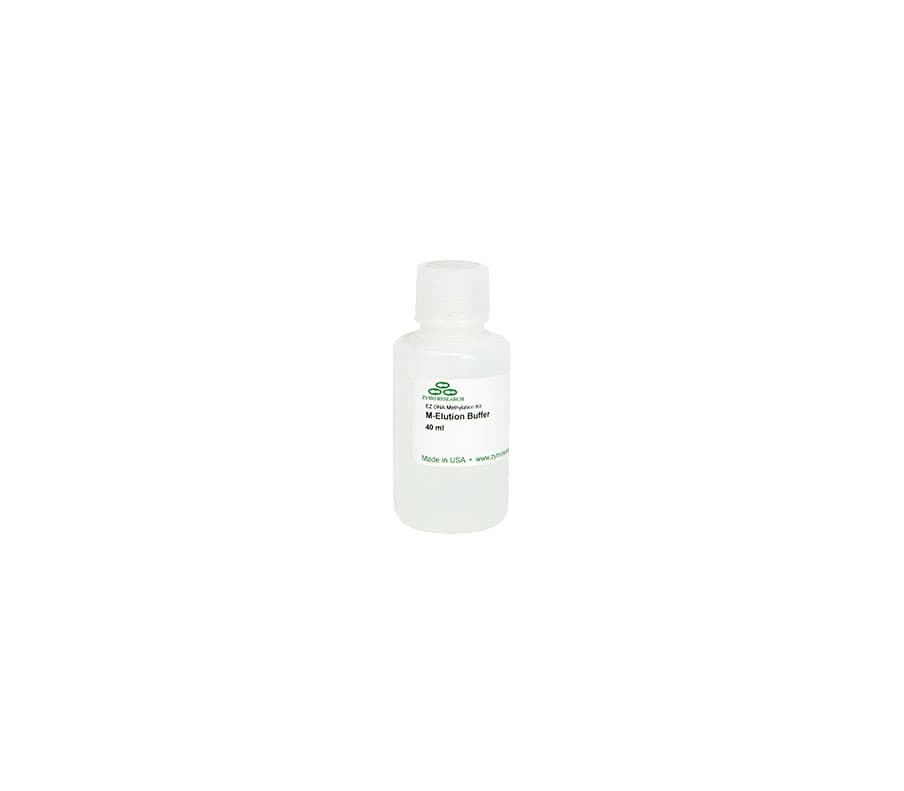
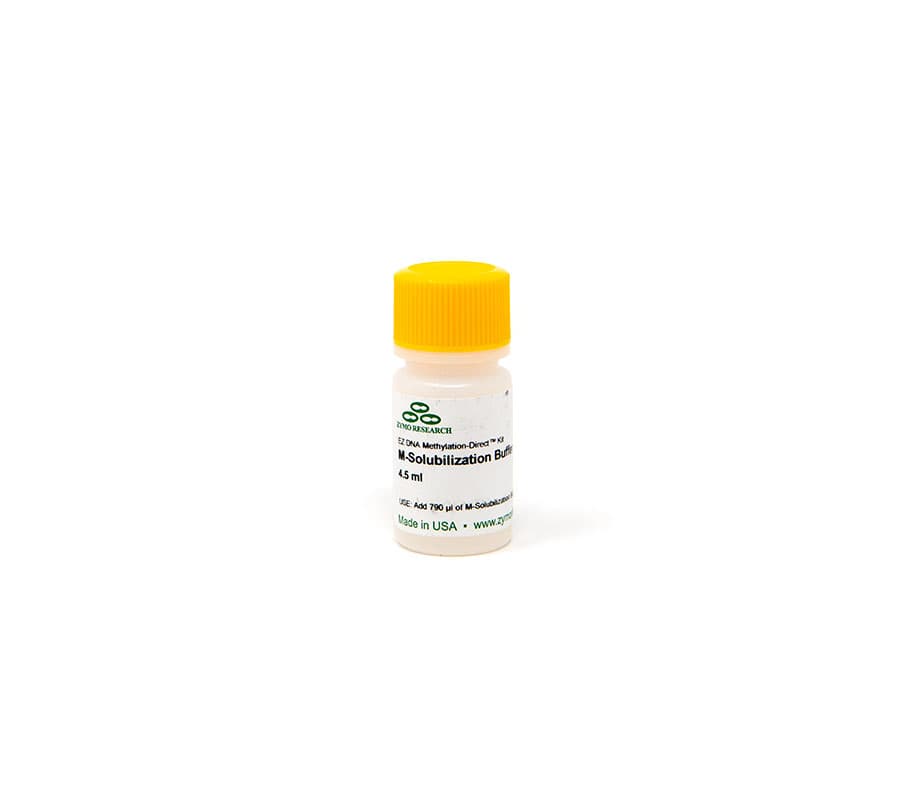
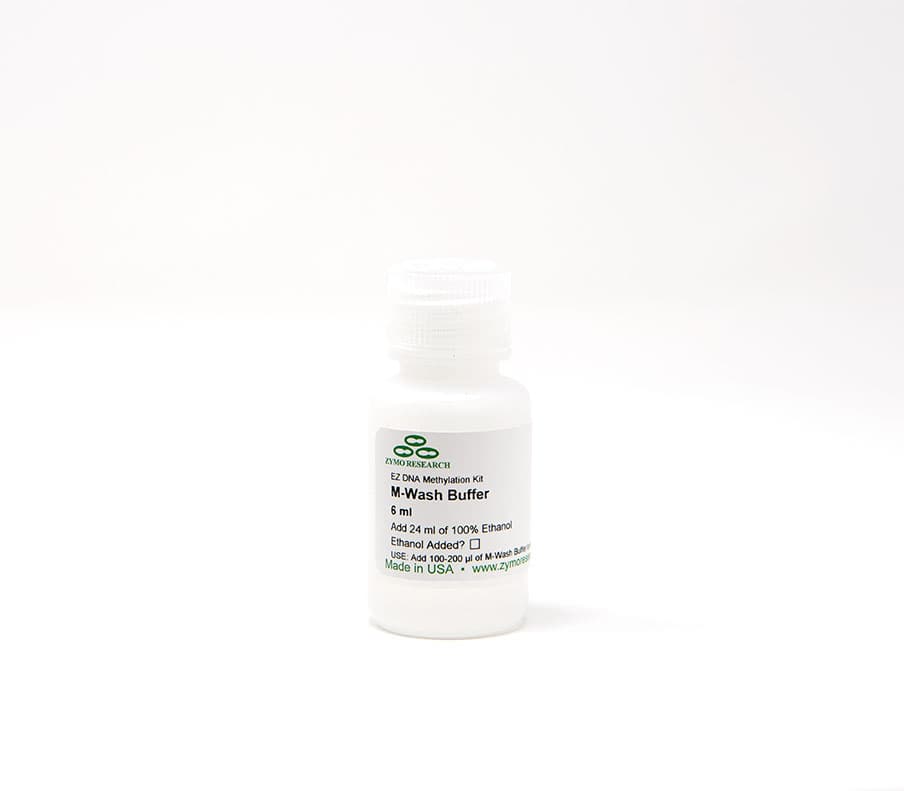
Showing 13 to 19 of 19 results
What are bisulfite conversion reagents and buffers?
Bisulfite conversion reagents include sodium bisulfite solution, denaturation and conversion buffers, and complete kits that bundle all components needed for the three-step chemical reaction: sulfonation of cytosine to a cytosine-bisulfite derivative, hydrolytic deamination to a uracil-bisulfite derivative, and alkali desulfonation to yield uracil. This process converts unmethylated cytosines to uracil while leaving 5-methylcytosine intact and unconverted, because 5-methylcytosine resists bisulfite-mediated deamination under standard conditions.
What you will find:
- RNA and DNA conversion reagents for enhanced modification of cytosine in methylation workflows
- Desulphonation buffers for stabilization of nucleic acids and post-conversion cleanup
- Binding buffers used during purification for efficient capture of converted RNA and DNA
- Wash buffers for the removal of inhibitors and improved purity of samples
- Elution buffers for high-quality recovery of converted nucleic acids
- DNA denaturing and digestion buffers for controlled workflow and optimized conversion efficiency
- Dilution and reaction buffers for maintaining stable assay conditions
- Solubilization and dissolution buffers for sample processing and preparation
- Lightning conversion reagents for efficient and rapid methylation analysis workflows
How to use bisulfite conversion reagents
Ensure complete DNA denaturation before conversion to avoid incomplete conversion
Bisulfite only acts on cytosines in single-stranded DNA, so complete denaturation of the input DNA is the most critical first step, since failure to fully denature can leave double-stranded regions in which cytosines are shielded from the bisulfite reagent and remain unconverted.
Understand that incomplete conversion produces false-positive methylation results
If the conversion is incomplete, unconverted unmethylated cytosines will read as cytosine after sequencing, which will be incorrectly interpreted as methylated cytosine, artificially inflating the apparent methylation level of the sample in a false-positive direction.
Optimize conversion conditions to balance completeness against DNA degradation
The harsh conditions needed for complete bisulfite conversion, including high bisulfite concentration, elevated temperature, and long incubation, also fragment and degrade DNA, and optimizing conditions that achieve high conversion while minimizing degradation is a key technical challenge in bisulfite workflows.
Include an unmethylated conversion control to estimate residual incomplete conversion
Including an unmethylated control DNA, such as lambda phage DNA, in the same conversion reaction provides a readout of how completely unmethylated cytosines were converted, helping quantify residual incomplete conversion rates and account for them in downstream analysis.
Be aware of specific challenges for FFPE and degraded DNA samples
Formalin-fixed, paraffin-embedded tissue DNA is already fragmented before bisulfite treatment, and the additional fragmentation during conversion can result in poor library yields; specific modified protocols and carrier reagents can help reduce further degradation during the conversion step.
Specifications context
Bisulfite sequencing is widely regarded as the gold standard for DNA methylation analysis due to its high resolution and accuracy at single-base level, but it also introduces specific DNA quality challenges for downstream library preparation and sequencing, particularly for samples already of poor quality like FFPE tissue. As of 2026, enzymatic conversion is increasingly recommended as the preferred alternative to bisulfite conversion specifically because it achieves comparable discrimination between methylated and unmethylated cytosines while minimizing the DNA damage and library complexity loss that harsh bisulfite chemistry introduces.
This category sits within DNA/RNA Methylation under Epigenetics, and for a synthetic, fully methylated positive control to run through the conversion workflow, see dNTPs (Deoxynucleotide Triphosphates). See the full reagents catalog and use Quick Order for recurring orders.
Contact the expert team at MBP and request a quote today to get high-quality bisulfite conversion reagents for your lab.
FAQ