ELISA Kits & Reagents for DNA Hydroxymethylation (5-hmC Quantification)
ELISA Kits & Reagents under DNA Hydroxymethylation covers antibody-based plate assays specifically designed to quantify 5-hydroxymethylcytosine in genomic DNA samples, distinct from the 5-methylcytosine and m6A ELISA kits under DNA/RNA Methylation and from the protein-target immunoassay ELISA Kits under Cell Biology. These kits provide a rapid, sequencing-free readout of global 5-hmC levels, particularly useful in tissues such as brain where 5-hmC is abundant enough for reliable antibody-based quantification. Academic and core laboratories measuring 5-hmC levels across multiple samples can benefit from guidance when selecting assay formats and detection strategies for hydroxymethylation analysis.
Explore available 5-hmC ELISA kits and reagents or request a quotation by contacting customerservice@mbpinc.net. Our team can help identify the appropriate assay format for global DNA hydroxymethylation quantification workflows.
ELISA Kits & Reagents
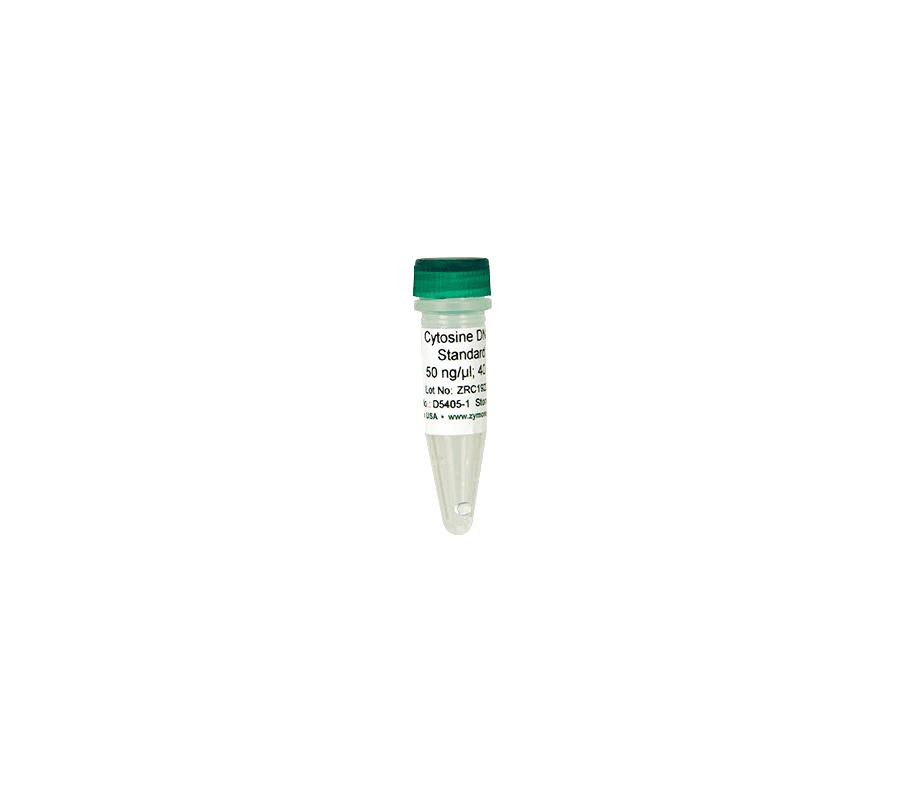
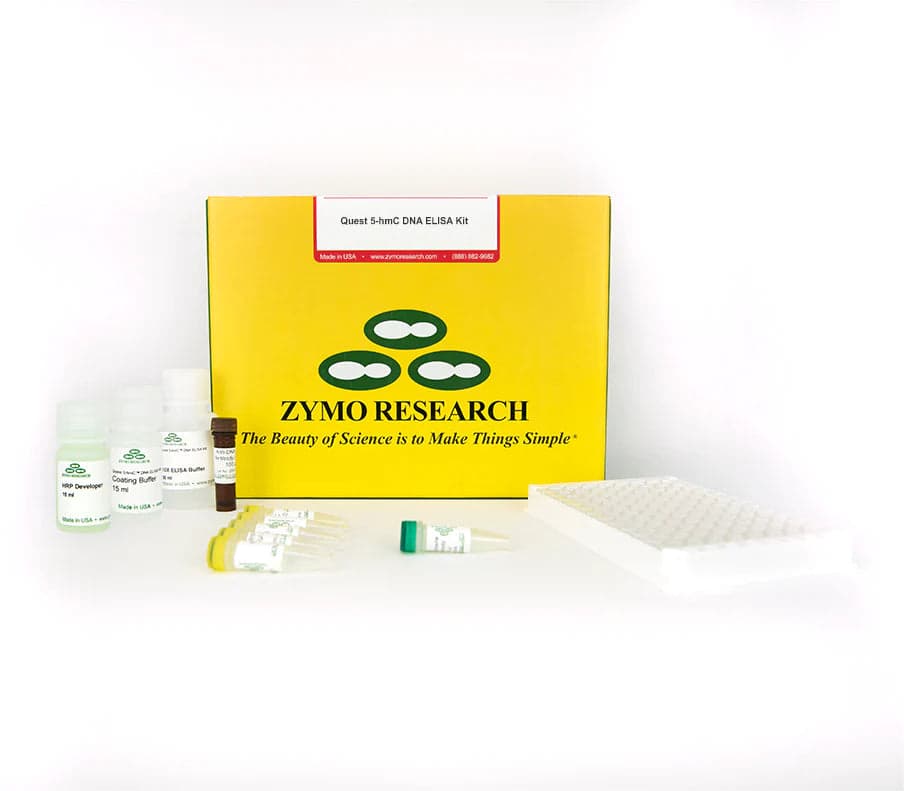
Showing 13 to 15 of 15 results
What are 5-hmC ELISA kits?
5-hmC ELISA kits are antibody-based assays formulated specifically to quantify 5-hydroxymethylcytosine, the oxidized derivative of 5-methylcytosine produced by TET family enzymes, in a genomic DNA sample. The assay typically uses denatured single-stranded DNA coated on a plate well, recognized by an anti-5-hmC primary antibody and developed with an HRP-conjugated secondary antibody for a colorimetric readout proportional to the global level of 5-hmC in the sample.
What you will find:
- DNA hydroxymethylation ELISA assay kits for 5-hmC levels quantification
- DNA methylation ELISA kits for comparative gene regulation analysis and measurement of 5-mC
- DNA standards for accurate methylation and hydroxymethylation quantification
- Control DNA sets and assay controls for experimental accuracy, validation, and reproducibility
- HRP-based antibodies for the specific detection in ELISA workflows
- ELISA coating and reaction buffers for enhanced assay performance and setup
- Signal development reagents for quantitative readout and chemiluminescent or colorimetric detection
How to use 5-hmC ELISA kits
Confirm 5-hmC is detectable at relevant levels in your cell type or tissue
5-hmC is most abundant in neurons and embryonic stem cells, where it can constitute up to 20% of total modified cytosines in neuronal DNA, while most cultured cell lines have much lower 5-hmC levels that may fall below a plate-based antibody assay's reliable detection limit. Checking published 5-hmC abundance for your specific cell type helps confirm whether ELISA-level detection is appropriate before committing samples to the assay.
Use a set of mixed methylation standards to build a calibration curve
Running defined mixtures of 5-hmC-containing and unmethylated DNA at known ratios generates a standard curve that lets you convert the raw absorbance signal to an actual global hydroxymethylation percentage, since the assay signal alone cannot be interpreted as an absolute level without this calibration.
Confirm your antibody's specificity for 5-hmC versus 5-mC
Anti-5-hmC antibodies used in these kits are selected for specificity to 5-hydroxymethylcytosine rather than 5-methylcytosine, but published cross-reactivity data for the specific antibody in your kit is worth checking, particularly when studying sample types where both marks are present at similar levels.
Plan your experimental design to include appropriate negative and positive controls
Including a negative control (unmethylated DNA, expected to give background-level signal) and a positive control (5-hmC-containing DNA of known level) in every plate confirms the assay is performing as expected and catches plate-to-plate variability before it affects result interpretation.
Understand ELISA gives global level, not locus-specific 5-hmC information
A 5-hmC ELISA measures the average hydroxymethylation level across all DNA in the sample; it does not reveal which specific CpG sites carry 5-hmC, which requires hMeDIP-seq or TAB-seq for regional or base-level resolution respectively.
Specifications context
Anti-5-hmC antibodies used in ELISA formats are validated specifically for 5-hydroxymethylcytosine and selected for minimal cross-reactivity with 5-methylcytosine, since distinguishing these two modifications is the primary purpose of a dedicated 5-hmC assay rather than a general methylation assay. As of 2026, 5-hmC ELISA kits remain a standard first-pass tool in studies where many samples need to be screened for differences in global hydroxymethylation level before committing a smaller subset to high-resolution sequencing methods.
Contact the expert team at Molecular Biology Products Inc. (MBP) and find reliable ELISA kits and reagents for your lab.
FAQ