DNA Hydroxymethylation Reagents for 5-hmC Detection and Epigenetic Analysis
DNA Hydroxymethylation covers the reagents used to detect, map, and quantify 5-hydroxymethylcytosine (5-hmC), the oxidized derivative of 5-methylcytosine produced by TET family dioxygenase enzymes, which carries distinct biological roles from 5-mC and is especially abundant in neurons and embryonic stem cells. This is a dedicated sibling subcategory to DNA/RNA Methylation rather than being nested within it, reflecting the growing recognition that 5-hmC is an independent epigenetic mark, not merely a demethylation intermediate. Academic and core laboratories studying 5-hmC biology can benefit from guidance when selecting detection methods and assay strategies for hydroxymethylation analysis.
Explore available DNA hydroxymethylation reagents or request a quotation by contacting customerservice@mbpinc.net. Our team can help identify the appropriate 5-hmC detection, enrichment, and quantification tools for your epigenetics research workflows.
DNA Hydroxymethylation







Showing 1 to 12 of 15 results
What is DNA hydroxymethylation?
5-Hydroxymethylcytosine is an oxidized derivative of 5-methylcytosine, produced when TET family enzymes (TET1, TET2, or TET3) oxidize the methyl group on 5-mC to a hydroxymethyl group. 5-hmC has distinct genomic distribution patterns and biological roles from 5-mC, is particularly abundant in neurons and embryonic stem cells where it can constitute up to 20% of total modified cytosines, and is implicated in active DNA demethylation pathways, gene regulation, and neurodegeneration.
What you will find:
-
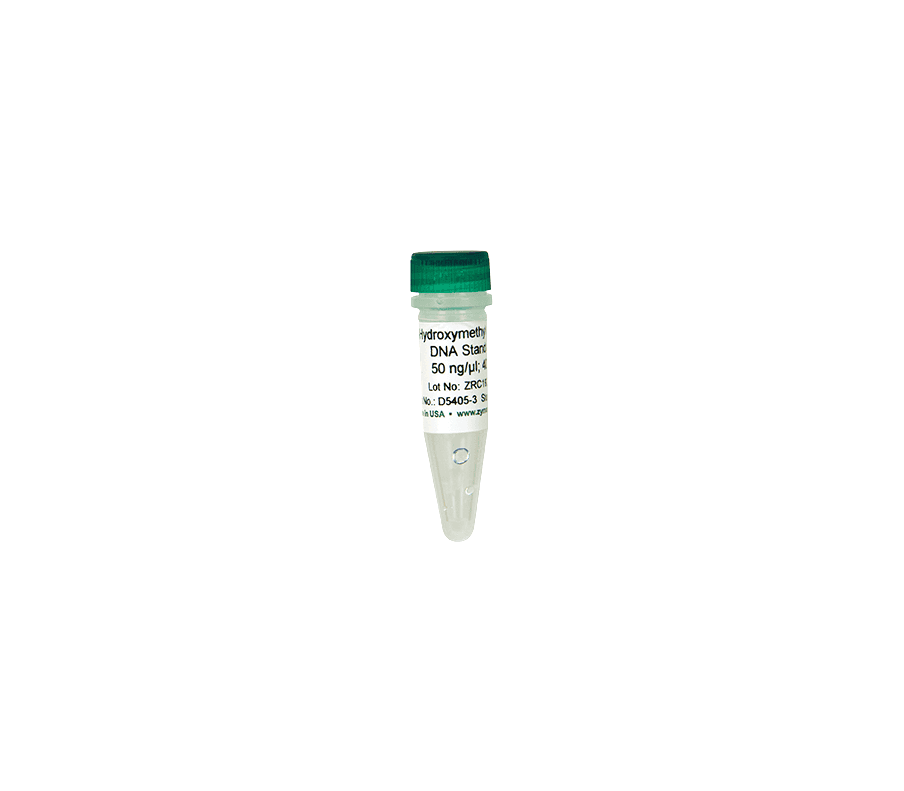
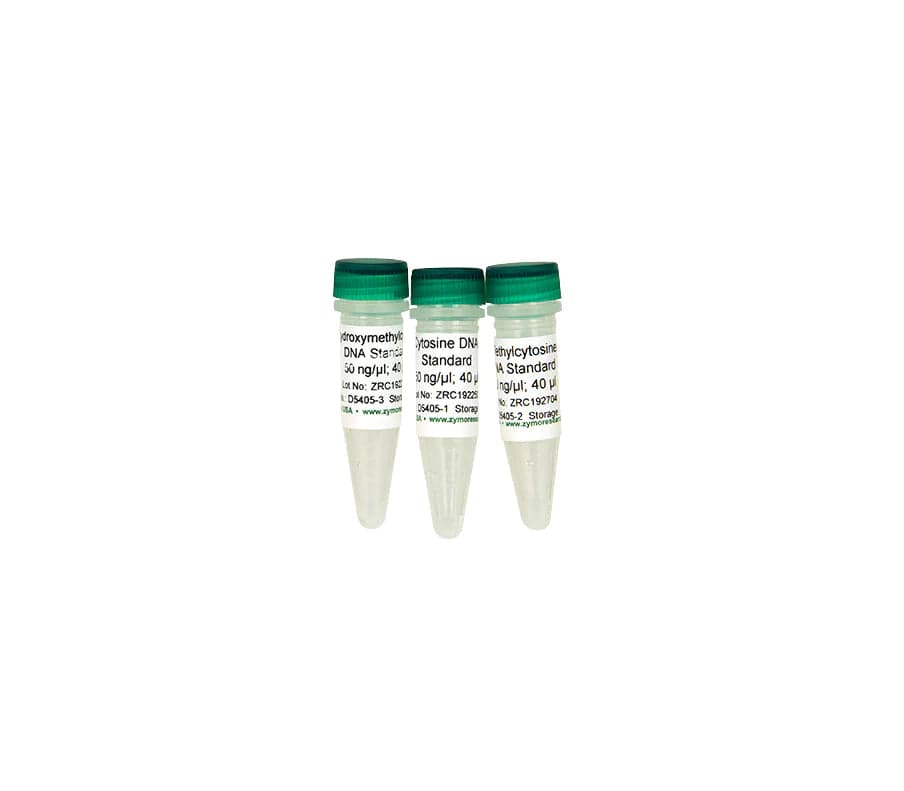
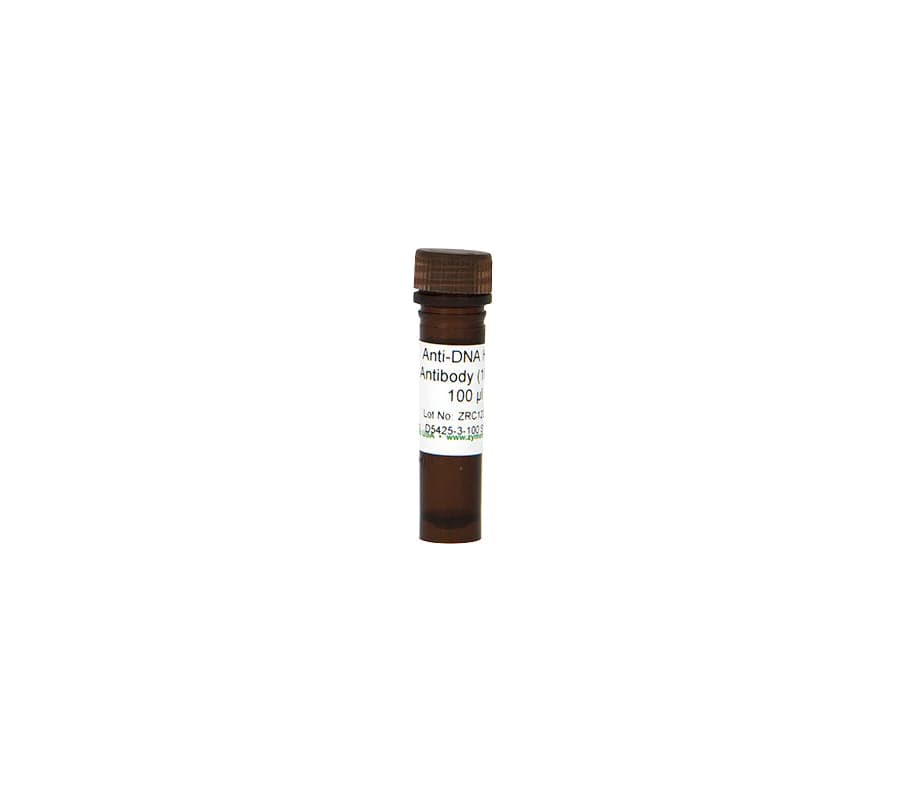
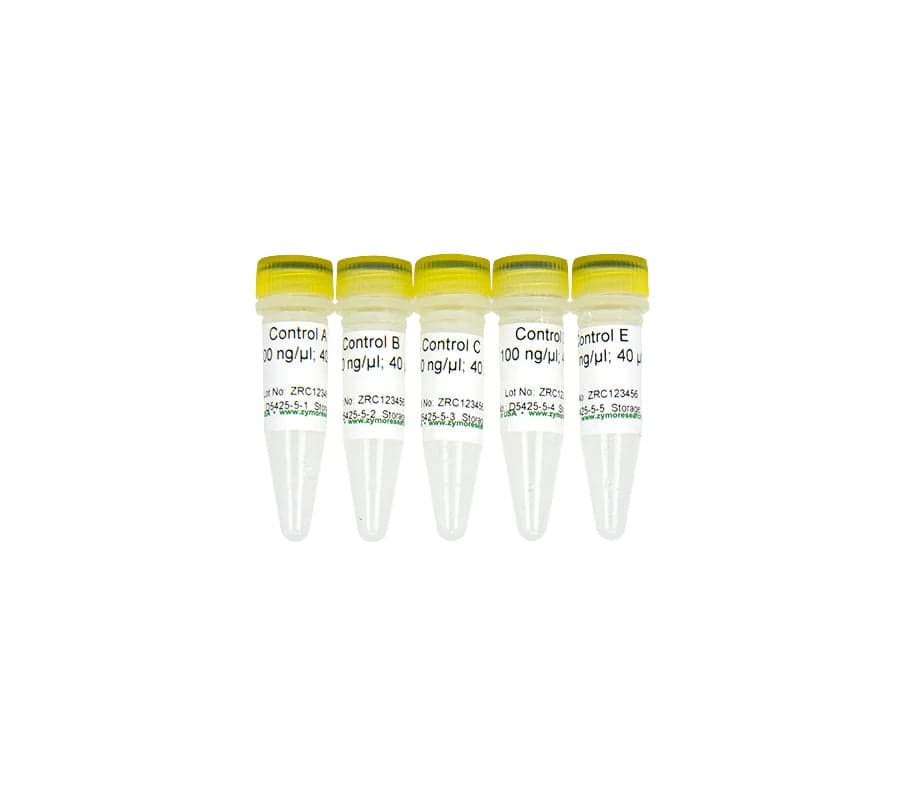
ELISA Kits & Reagents: for analysis of DNA hydroxymethylation, including Quest ELISA Kit for detection of sensitive 5-hydroxymethylcytosine and epigenetic quantification analysis. Components of kits ensure optimised performance, accurate calibration, and antibody detection for signal generation.
How to approach 5-hmC detection and analysis
Choose hMeDIP for genome-wide 5-hmC enrichment at regional resolution
Hydroxymethylated DNA immunoprecipitation uses an antibody specific to 5-hmC to enrich hydroxymethylated DNA fragments, analogous to MeDIP for 5-mC, providing genome-wide regional enrichment data that correlates well with single-base-resolution methods in tissues where 5-hmC is abundant.
Use TAB-seq or enzymatic E5hmC-seq for single-base-resolution 5-hmC mapping
TET-assisted bisulfite sequencing (TAB-seq) protects 5-hmC with β-glucosyltransferase before oxidizing the remaining 5-mC with TET enzyme and bisulfite converting both, leaving only 5-hmC readable as cytosine; enzymatic approaches like NEBNext E5hmC-seq achieve the same discrimination without bisulfite's DNA damage.
Understand that standard bisulfite conversion cannot distinguish 5-hmC from 5-mC
Both 5-mC and 5-hmC resist standard bisulfite-mediated deamination and read as cytosine after standard bisulfite sequencing, making standard WGBS data a sum of both marks without any way to separate them at individual CpG positions without additional specific steps.
Use a 5-hmC ELISA for rapid global hydroxymethylation quantification
An anti-5-hmC antibody-based ELISA provides a rapid, plate-based measure of global 5-hmC levels across many samples without requiring sequencing, particularly useful in tissues like brain where 5-hmC levels are high enough to be reliably detected by ELISA.
Confirm the 5-hmC abundance in your specific cell type before choosing a detection method
5-hmC is low in most cultured cell lines and some somatic tissues but relatively high in neurons and stem cells, and a detection method's sensitivity requirements differ accordingly; methods adequate for brain tissue DNA may not be sensitive enough for cell line DNA with low 5-hmC abundance.
Specifications context
5-hmC constitutes up to 20% of total modified cytosines in neuronal DNA and has been implicated in aging and neurodegeneration, while in most cultured somatic cell lines 5-hmC levels are much lower, making cell-type context critical for selecting an appropriately sensitive detection method. As of 2026, enzymatic 5-hmC sequencing methods that avoid bisulfite damage continue to improve, enabling reliable single-base-resolution 5-hmC mapping from limited and high-value samples, and the recognition of 5-hmC as an independent epigenetic mark rather than simply an intermediate in 5-mC demethylation continues to drive dedicated reagent development.
This category sits within Epigenetics as a sibling to DNA/RNA Methylation, and the enzymatic and antibody tools used here overlap with Non-Bisulfite Kits & Reagents and ELISA Kits & Reagents. See the full reagents catalog and use Quick Order for recurring orders.
Contact the expert team at Molecular Biology Products Inc. (MBP), and find high-performance DNA Hydroxymethylation kits for your lab today.
FAQ