Buffers under ChIP Kits for Chromatin Immunoprecipitation Workflow Optimization
Buffers under ChIP Kits covers individual ChIP-specific buffer systems available as standalone products for labs that need to replenish, customize, or optimize specific steps in their chromatin immunoprecipitation workflow: cell lysis buffers, nuclear lysis buffers, sonication buffers, ChIP dilution buffers, sequential wash buffers, and elution buffers. These complement the complete ChIP Kits above for labs replacing consumed buffer components, troubleshooting a specific workflow step, or scaling a validated ChIP protocol. Academic and core laboratories optimizing individual ChIP steps can benefit from guidance when selecting buffer compositions for improved chromatin recovery, specificity, and reproducibility.
Explore available ChIP buffers or request a quotation by contacting customerservice@mbpinc.net. Our team can help identify the appropriate buffer system and formulation for your chromatin immunoprecipitation workflow.
Buffers





Showing 1 to 11 of 11 results
What are ChIP buffers?
ChIP buffers are the aqueous formulations used at each stage of a chromatin immunoprecipitation protocol: cell lysis buffer disrupts the plasma membrane and releases nuclear content, nuclear lysis buffer solubilizes chromatin under conditions compatible with subsequent immunoprecipitation, sonication buffer maintains chromatin stability during shearing, ChIP dilution buffer reduces SDS concentration from the lysis buffer to allow antibody-antigen binding, sequential wash buffers with increasing ionic strength and detergent remove non-specifically bound chromatin while preserving the specific antibody-antigen-DNA complex, and elution buffer releases the captured complex from the antibody-bead resin before de-crosslinking.
What you will find:
- MN Digestion Buffer used in MNase-based workflows for enzymatic fragmentation of chromatin
- Chromatin Shearing Buffer using sonification for chromatin disruption and preparation
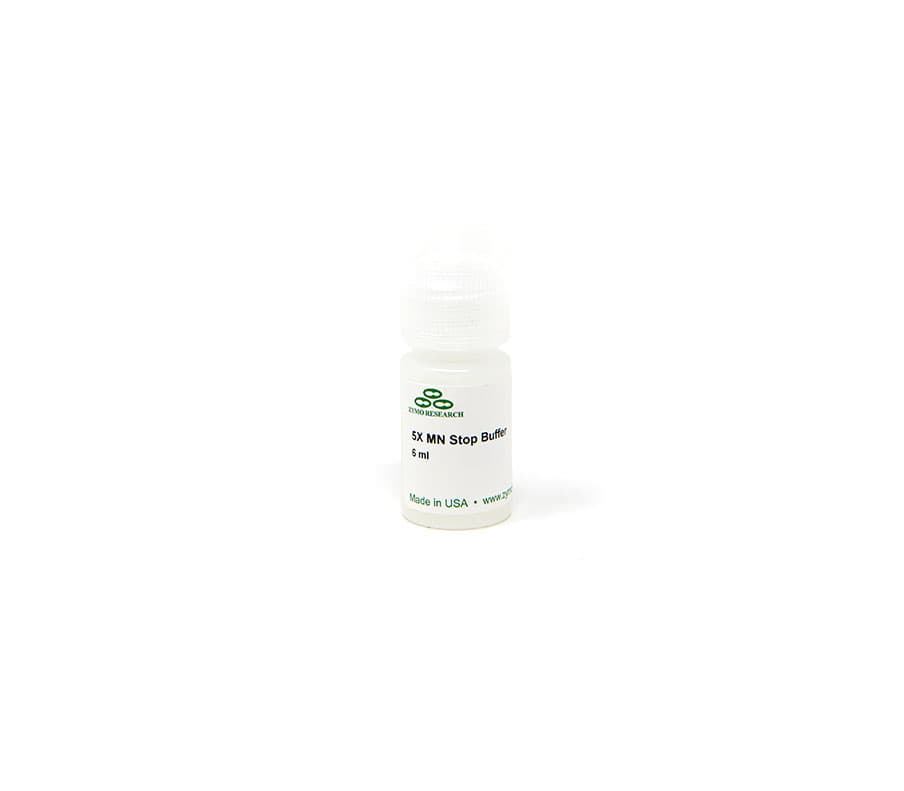
- 5X MN Stop Buffer for the termination of enzymatic digestion reactions
- Chromatin Dilution Buffer used in ChIP assays to provide optimized conditions for antibody binding
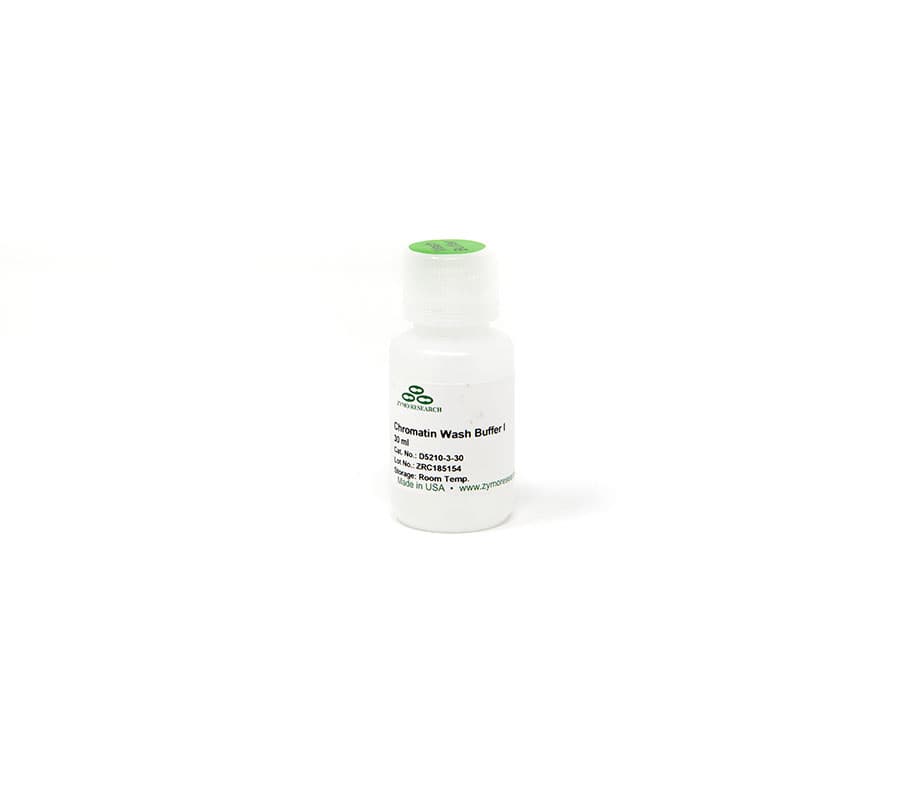
- Chromatin Wash Buffer I, II, and III for background reduction and step-by-step non-specific binding removal
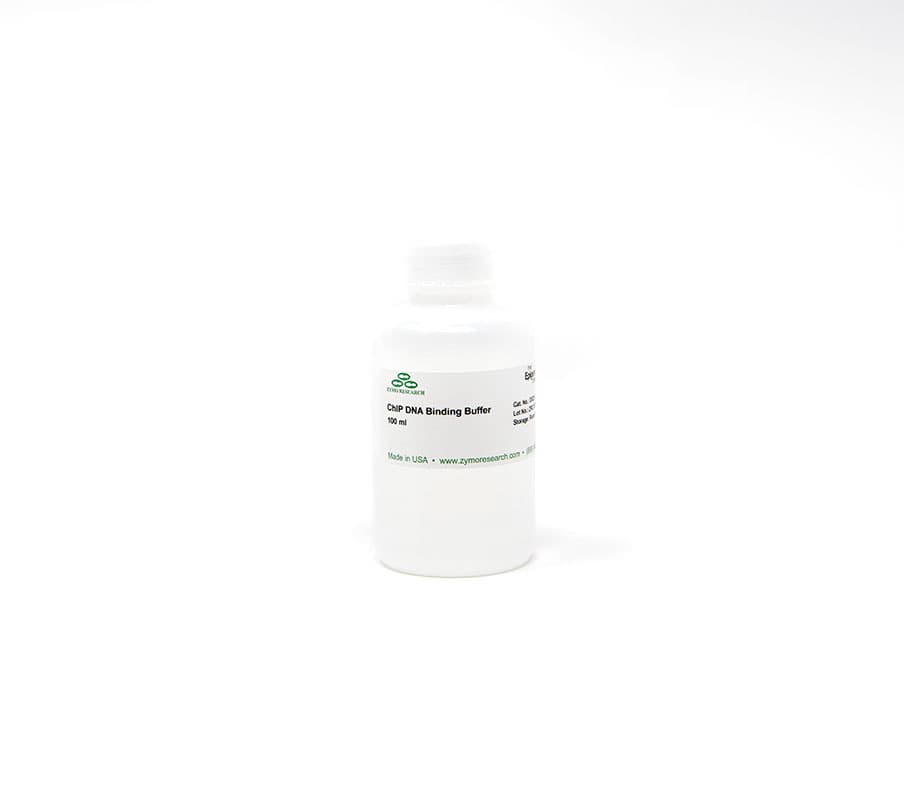
- ChIP DNA Binding Buffer for purification and capture of immunoprecipitated DNA
- 5X Chromatin Elution Buffer for protein–DNA complexes recovery
- 5M NaCl for enhancing elution and chromatin stabilization
- Nuclei Prep Buffer used before chromatin extraction for superior nuclear isolation
How to use ChIP buffers
Always add protease inhibitors to lysis and wash buffers immediately before use
Protease inhibitors must be added fresh to cell lysis and nuclear lysis buffers immediately before use, since most inhibitors are unstable in aqueous solution and lose activity quickly, and without them, nuclear proteases released during lysis will degrade histone tails and reduce ChIP enrichment of histone modifications.
Confirm SDS concentration is diluted before immunoprecipitation
High SDS in the nuclear lysis buffer is necessary for chromatin solubilization and sonication, but must be diluted approximately 10-fold using ChIP dilution buffer before antibody addition, since high SDS disrupts antibody-antigen binding and reduces immunoprecipitation efficiency.
Keep all buffers and chromatin on ice throughout the workflow after lysis
Chromatin prepared for ChIP is sensitive to non-specific interactions and protease activity after cell lysis, and maintaining samples at 4°C throughout all lysis, sonication, immunoprecipitation, and wash steps minimizes these effects and preserves specificity of the enrichment.
Optimize wash buffer stringency to balance specificity against yield
ChIP wash buffers are applied sequentially at increasing ionic strength and detergent concentration to remove non-specifically bound chromatin; conditions too stringent can also strip the specific antibody-antigen-DNA complex from the beads, reducing yield, so optimization of wash conditions for each antibody-target combination improves performance.
Confirm elution buffer composition fits your downstream application
Standard ChIP elution buffers containing SDS and sodium bicarbonate release the protein-DNA complex and reverse crosslinks, but high SDS in the eluate can inhibit some NGS library preparation enzymes, making a DNA cleanup step after elution important before proceeding to library prep.
Specifications context
Protease inhibitor cocktails, added fresh to lysis buffers immediately before ChIP, are a standard component across kit formats and in-house protocols, since even brief protease activity can compromise histone modification detection by degrading the histone tails that ChIP antibodies recognize. As of 2026, ChIP buffer formulations compatible with low-input chromatin and NGS library preparation continue to be optimized for primary cell and tissue ChIP workflows.
Contact the expert team at MBP and request a quote today to get high-quality ChIP buffers for your lab.
FAQ