Plant Tissue Culture Supplements and Additives for Media Customization
Supplements and additives are the individual components labs combine to build or customize a plant tissue culture medium, covering plant growth regulators (auxins and cytokinins), gelling agents, vitamins and amino acids, activated charcoal, and antimicrobial agents. Buying these separately lets a lab adjust one variable, such as auxin concentration or gelling agent, without reformulating an entire basal medium from scratch. Academic labs conducting media optimization studies can use these components to fine-tune formulations for specific species, explants, and developmental stages.
Explore available plant tissue culture supplements and additives or request a quotation by contacting customerservice@mbpinc.net. Our team can help identify the appropriate growth regulators, gelling agents, and media components for your tissue culture and propagation research.
Supplements & Additives
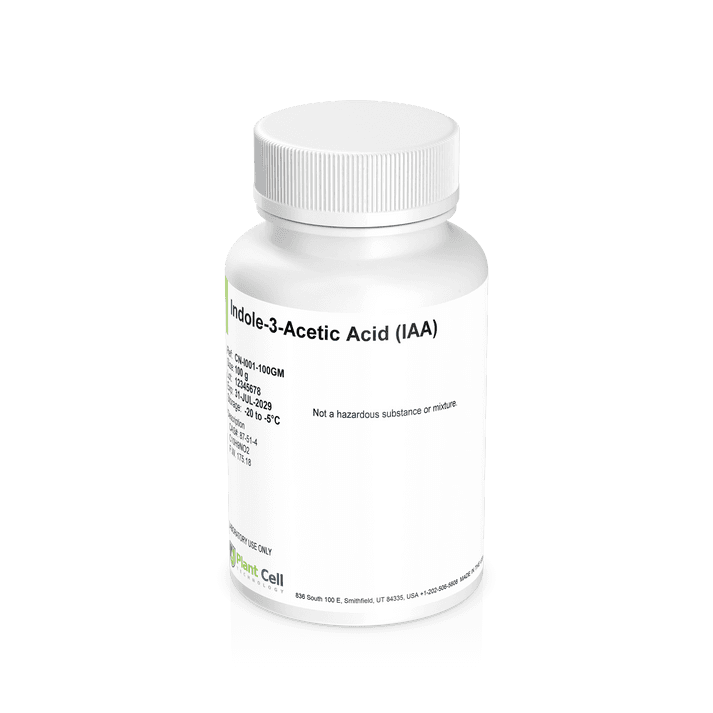
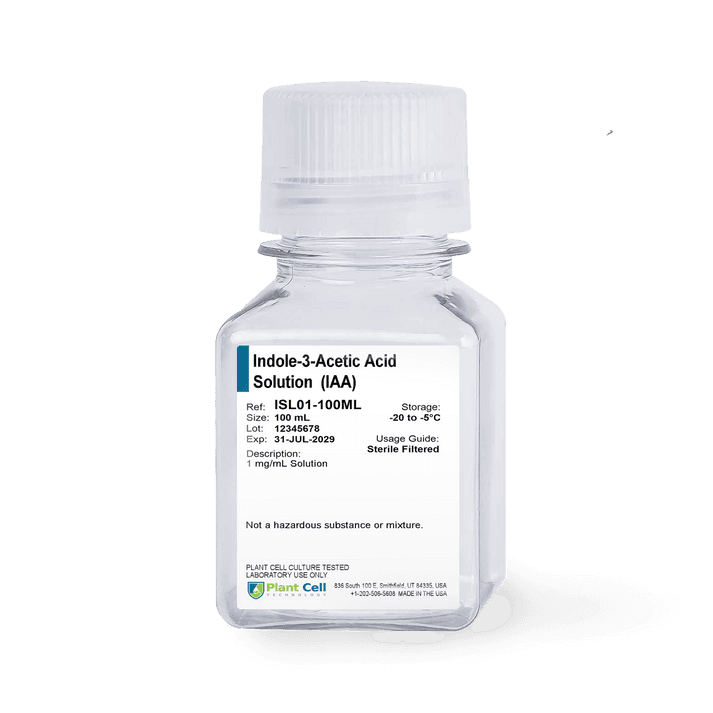
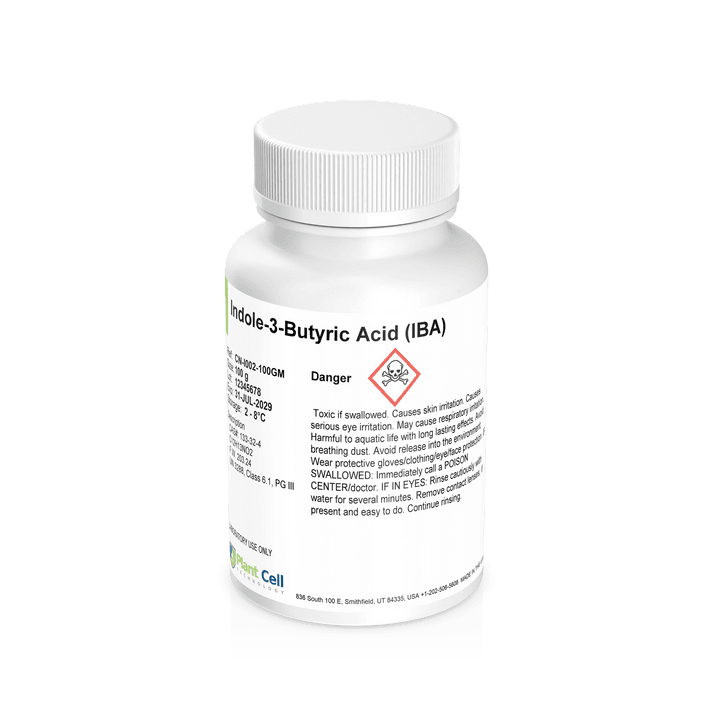
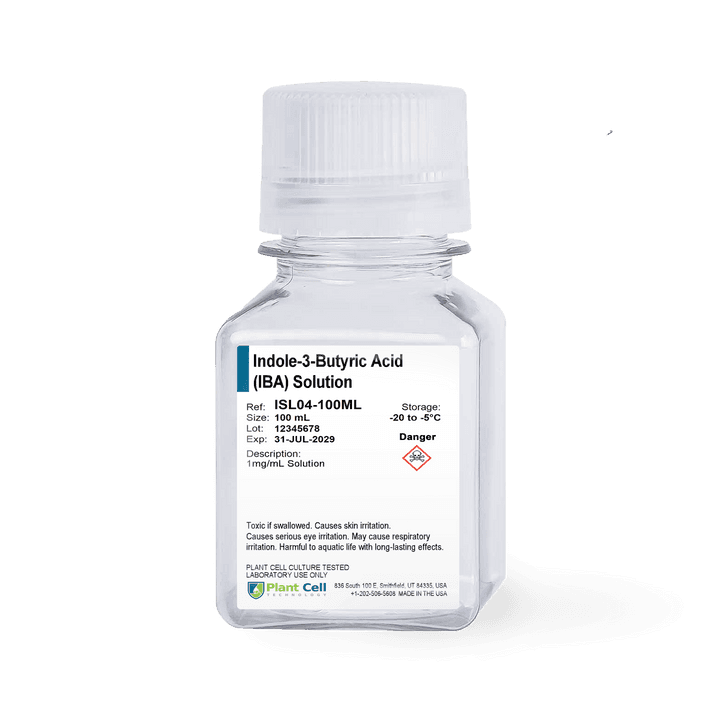
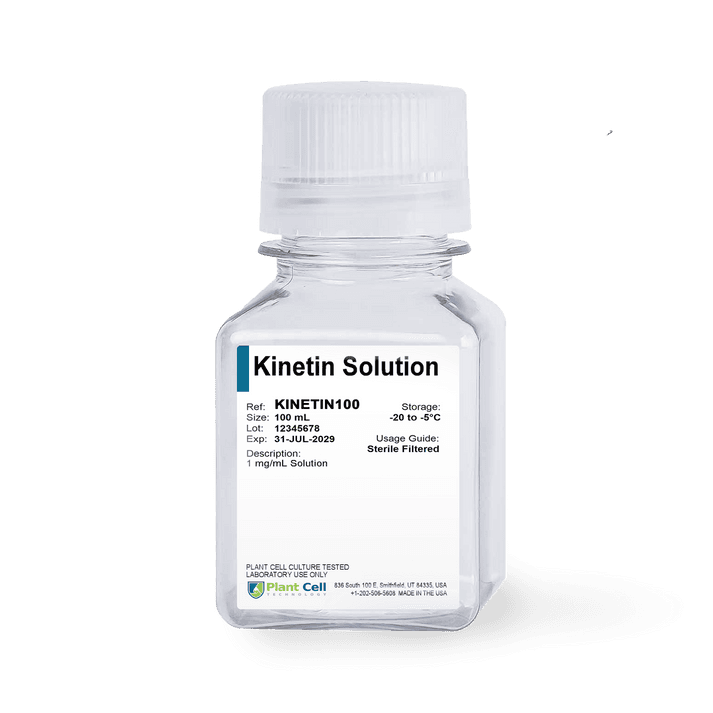
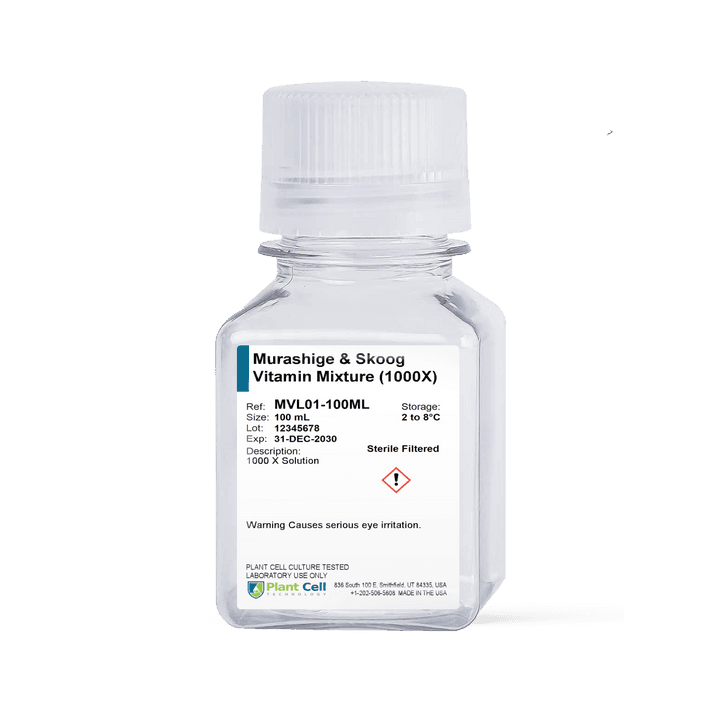
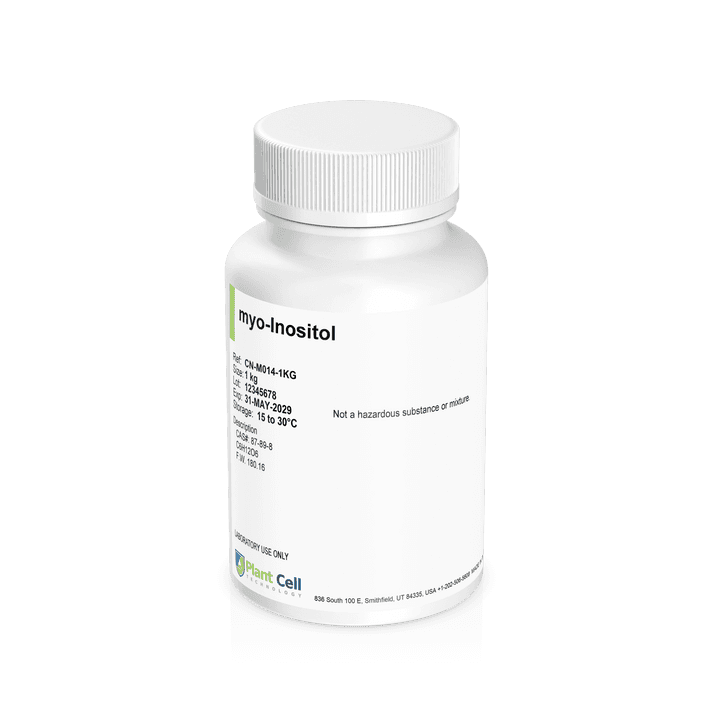
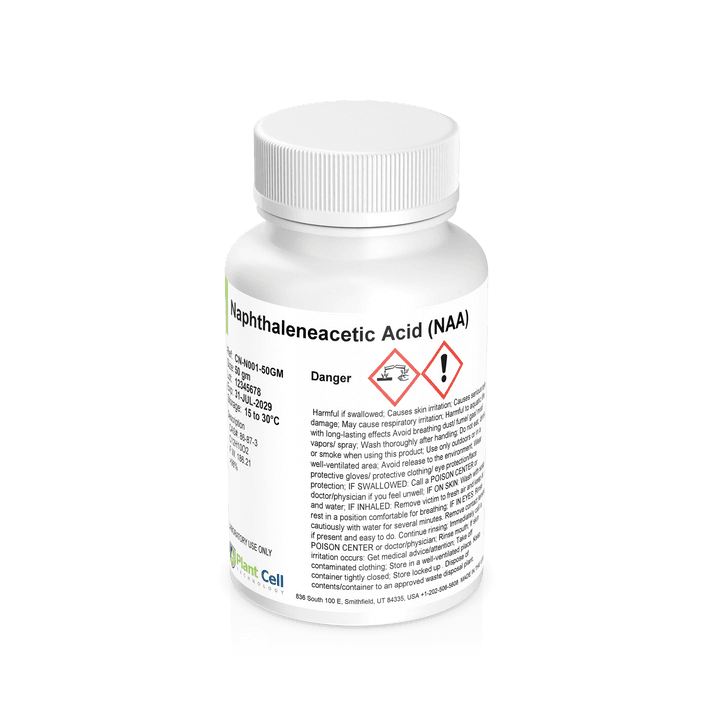
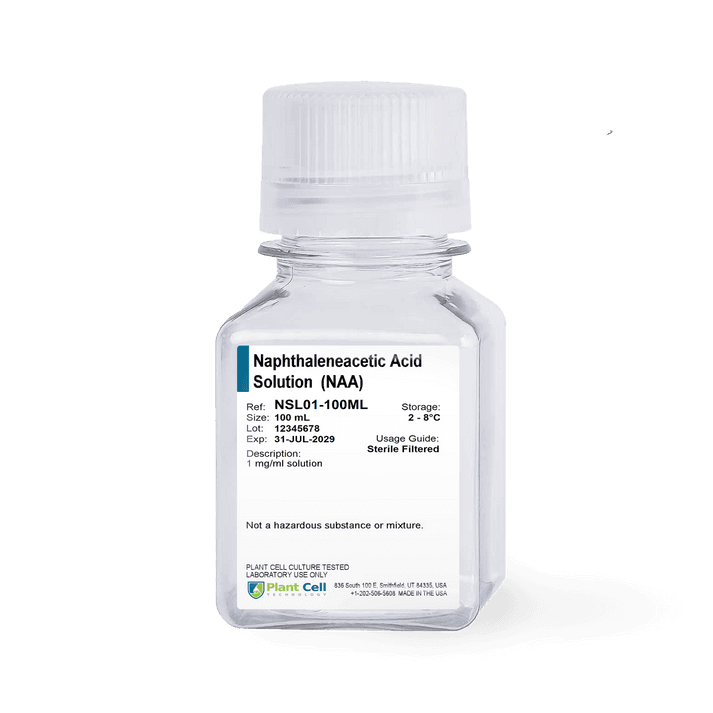
Showing 13 to 24 of 37 results
What Are Plant Tissue Culture Supplements and Additives?
Plant tissue culture supplements and additives are the individual components added to a basal medium to create or modify a plant tissue culture formulation. Unlike pre-mixed culture media, these products allow researchers to adjust specific variables such as hormone concentration, gel strength, nutrient composition, or contamination control without changing the entire medium formulation.
What you can expect to find:
-
Hormonal Regulators: Potent chemical signals designed to direct specific structural growth, from disordered cell mass creation to swift shoot extension and root development.
-
Metabolic Boosters: Concentrated vitamin combinations and amino acid compounds designed to aid core cellular metabolism, enhance enzymatic processes, and increase resilience during periods of stress.
-
Solidifying Agents: Clear gelling substances designed to provide reliable structural reinforcement, promoting consistent nutrient distribution while preventing the release of harmful contaminants into your cultures.
-
Protective Antimicrobials: Specialized agents designed to identify and eradicate hidden biological contaminants while maintaining the health and integrity of vulnerable target tissues.
How to Choose Supplements and Additives
Identify the Functional Group Required
Begin by determining what is missing from your current formulation. For example, if a multiplication protocol requires increased shoot proliferation, adding a cytokinin may be sufficient without replacing the entire medium.
Match Growth Regulator Ratios to the Desired Response
The balance between auxins and cytokinins strongly influences plant development.
- Higher auxin-to-cytokinin ratios generally promote root formation and callus induction.
- Higher cytokinin-to-auxin ratios generally promote shoot proliferation.
The ratio between hormones is often more important than the concentration of either hormone alone.
Choose a Gelling Agent Based on Clarity and Gel Strength
Agar remains the most widely used and cost-effective gelling agent for routine tissue culture applications.
Gellan gum products such as Gelrite® and GelZan® produce clearer and firmer gels at lower concentrations, making contamination, root growth, and callus development easier to monitor.
Handle Vitamins and Amino Acids Correctly
Many vitamins, including thiamine, are sensitive to high temperatures and can degrade during autoclaving. For this reason, vitamin solutions are often filter-sterilized and added to the medium after sterilization rather than being included during autoclaving.
Determine Whether Activated Charcoal Is Appropriate
Activated charcoal can improve culture performance by adsorbing phenolic compounds released from stressed or browning explants. However, it can also bind plant growth regulators and certain vitamins, which may require adjustments elsewhere in the formulation.
Specifications Context
Activated charcoal is commonly used at concentrations between 0.5 and 3 g/L. Because it adsorbs both phenolic compounds and plant growth regulators, protocols containing activated charcoal often require higher hormone concentrations than comparable formulations without charcoal.
Reach out to the MBP distribution center today to obtain the exact chemical additives needed for your current culture protocols.
FAQ



