ELISA Kits for Quantitative Protein, Cytokine, and Biomarker Detection
ELISA kits are complete sets of capture and detection antibodies, standards, substrate, and buffers for quantifying a specific protein, cytokine, or small molecule in a research sample, ready to run with minimal additional setup. Sandwich format kits, using a matched antibody pair against different epitopes, are the standard choice for most proteins, while competitive format kits serve small molecules like hormones. Academic and core laboratories performing routine quantification of established targets can benefit from ready-to-use kit formats that reduce assay development time compared with assembling individual components.
Explore available ELISA kits or request a quotation by contacting customerservice@mbpinc.net. Our team can help identify the appropriate assay format and kit configuration for your protein, cytokine, or biomarker quantification workflow.
ELISA Kits
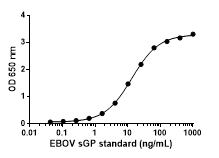
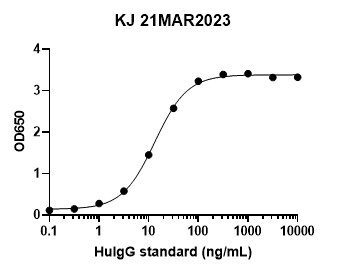
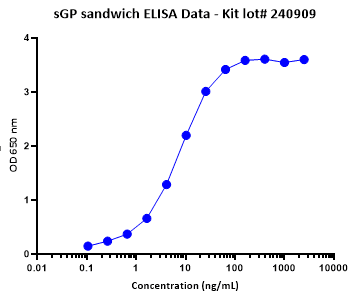
Showing 1 to 3 of 3 results
What are ELISA kits?
ELISA kits are complete, ready-to-run sets of reagents, typically a matched capture and detection antibody pair, antigen standards for a calibration curve, substrate, and buffers, built around a specific target protein, cytokine, or small molecule. The two dominant formats are sandwich ELISA, where a capture antibody bound to the plate pulls the target out of solution and a second detection antibody completes the signal-generating sandwich, and competitive ELISA, where a labeled reference competes with the sample analyte for limited antibody binding sites.
What you will find:
-
Pre-Coated Capture Assemblies: Solid-phase microplates pre-treated with highly selective antibodies to secure maximum target retention and clean plate washing.
-
Matched Reference Standards: High-purity calibration targets prepared to generate highly accurate, repeatable standard curves for absolute sample quantification.
-
Complete Ready-to-Use Reagents: Pre-formulated wash buffers, enzyme-linked conjugates, and sensitive stop solutions to streamline the entire testing workflow.
How to choose an ELISA kit
Confirm a validated antibody pair exists for your target
A complete kit relies on antibodies pre-validated to work together as a matched pair, so checking that a kit exists for your specific target, species, and sample type is the first step before committing to the kit-based approach over custom development.
Decide between coated, uncoated, and instant kit formats
A coated kit arrives with the capture antibody already bound to the plate, an uncoated kit includes reagents to coat your own plate for more flexibility, and an instant kit combines capture antibody and lyophilized detection antibody together for the fastest setup.
Check the kit's reported sensitivity against your expected sample concentration
Kit datasheets typically report a minimum detectable concentration and a working range, and confirming your samples are expected to fall within that range before running the assay avoids results that fall outside the standard curve.
Confirm sample type compatibility
Some kits are validated only for serum or plasma, while others are validated for cell culture supernatant or tissue lysate, and using a kit outside its validated sample types can produce unreliable results even with correct technique.
Plan for appropriate standards and controls
Running the provided standard curve and any included positive/negative controls alongside your samples in every assay run is standard practice for confirming the kit performed as expected on that specific day.
Specifications context
ELISA kits primarily exist in a 96-well format, with the vendor providing all reagents necessary to detect and quantify the target within that single plate run, and most kit datasheets report a specific protocol alongside the required reagents rather than requiring the user to source components separately. As of 2026, sandwich ELISA remains the most common kit format ordered for protein and cytokine quantification, given its established sensitivity and specificity profile relative to other formats.
Request a specialized bulk quote from the MBP sales desk today to support your specific biomarker screening targets.
FAQ



