Retroviral Cloning Vectors & Transfer Plasmid Backbones
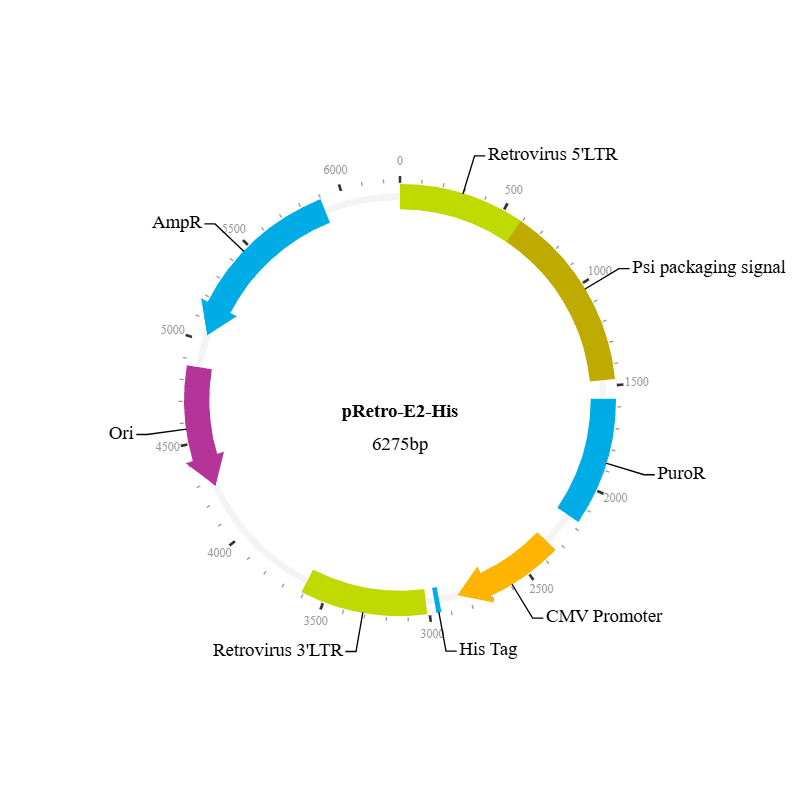
MBP Inc. supplies ABM Retro-Easy–based retroviral vector systems, including pRetro-E1 and pRetro-E2 backbone variants with HA- or His-tagged configurations, as well as supporting packaging components such as Pack-Easy Cells. These systems are designed for cloning of custom transgenes and reporter constructs for gamma-retroviral gene delivery workflows in mammalian cells.
Available in multiple backbone and tag configurations, the Retro-Easy platform supports flexible retrovirus production for research applications in molecular and cellular biology. Contact customerservice@mbpinc.net to request a quote now!
Cloning Vectors
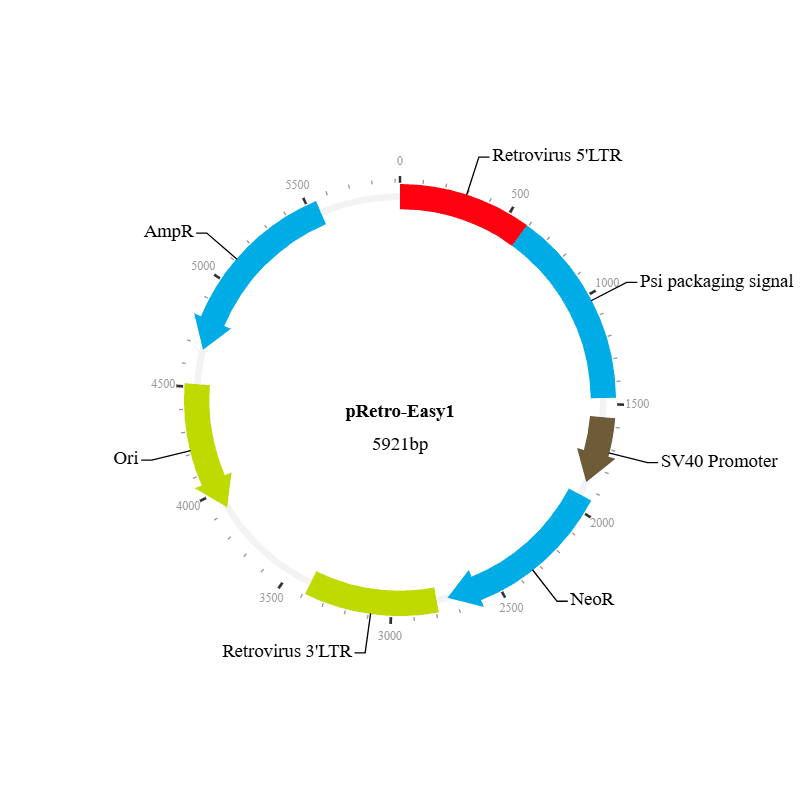
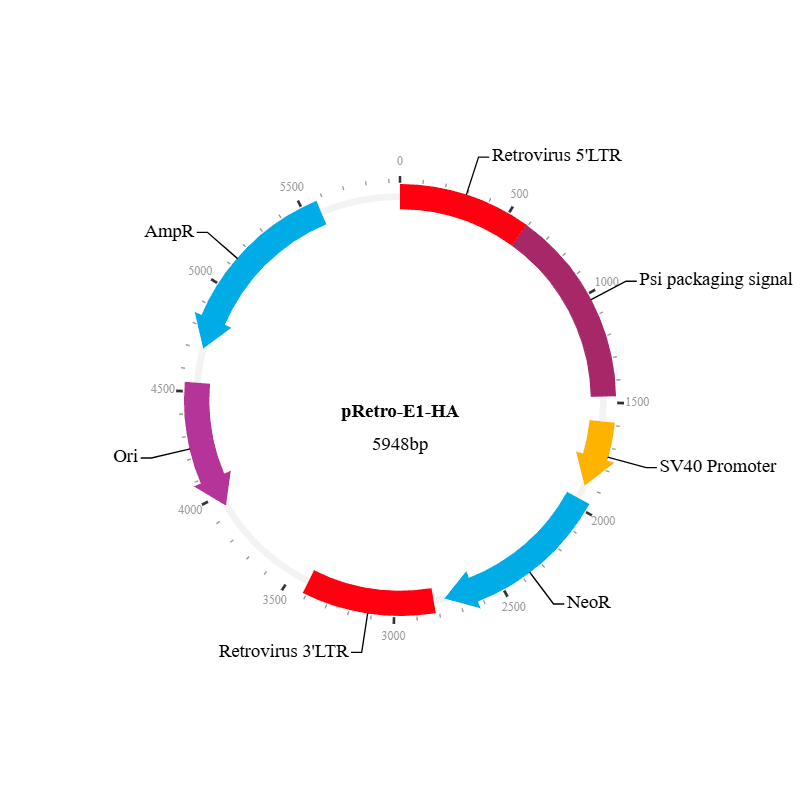
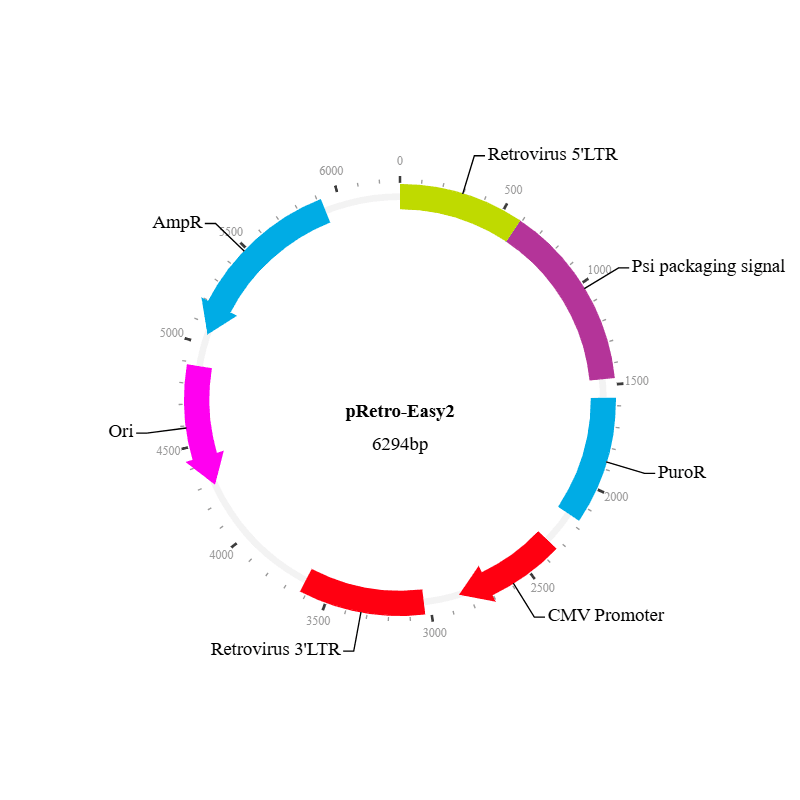

Showing 1 to 10 of 10 results
What Are Retroviral Cloning Vectors?
The transfer plasmid defines the cargo, promoter, and selection strategy of a retroviral vector system. Selecting the right cloning vector backbone determines transgene expression level, integration stability across cell types, and compatibility with available packaging cell lines. Efficient vector development starts with the right cloning backbone. Choose a retroviral vector that supports your research needs.
What you will find:
- Retro-Combo Mix vectors for streamlined retroviral construct assembly and expression workflows
- pRetro-E1 and pRetro-E2 plasmid backbones for retroviral vector construction and gene expression
- pRetro-E1-HA and pRetro-E2-His tagged vectors for protein detection and downstream characterization
- Retro-Easy1, Retro-Easy2, Retro-Easy-HA, and Retro-Easy-His systems for flexible construct design and expression optimization
- Pack-Easy Cells for efficient retroviral packaging and vector production workflows
How to Choose a Retroviral Cloning Vector
Backbone and Expression Architecture
Retroviral cloning vectors in the Retro-Easy and pRetro-E systems utilize CMV-driven expression cassettes for transgene expression following genomic integration. Backbone configuration influences expression consistency, cloning flexibility, and compatibility with downstream packaging workflows.
Promoter Configuration
CMV-based internal promoters provide strong, constitutive expression across a wide range of mammalian cell types. Expression levels may vary depending on the integration site and chromatin environment following retroviral integration.
Packaging Workflow Compatibility
Retroviral cloning vectors are designed for use in standard replication-incompetent packaging systems, where transfer plasmids are supplied alongside packaging components to generate infectious retroviral particles for transduction of dividing cells.
Selection and Tag Options
Vector variants include antibiotic selection markers and epitope-tagged formats (HA, His) to support downstream detection, purification, or functional validation of expressed proteins.
Insert Size Considerations
Gamma-retroviral transfer vectors generally support moderate-sized inserts suitable for most cDNA and reporter constructs, with efficiency influenced by insert length and sequence composition.
Specifications Context
Retro-Easy and pRetro-E vector systems are based on CMV-driven retroviral transfer backbones designed for stable gene delivery in actively dividing mammalian cells. Following packaging, replication-incompetent retroviral particles mediate genomic integration of the transgene, enabling stable expression across cell divisions. Available formats include untagged, HA-tagged, and His-tagged expression vectors, as well as modular backbone variants for flexible construct design. Pack-Easy Cells provide a dedicated packaging platform for efficient retroviral particle production and consistent vector output. These systems support applications in gene expression analysis, functional studies, and stable cell line generation.
Contact the expert team at MBP and find the right Retrovirus Cloning Vectors for your lab.
FAQ



