Lentiviral Purification and Packaging Kits for Research
MBP Inc. supplies lentiviral purification and packaging products, including 2nd- and 3rd-generation packaging system mixes, purification kits, transfection reagents, titer kits, and integrated workflow bundles. These solutions support the production, purification, quantification, and application of research-grade lentiviral vectors for molecular biology and gene delivery research.
From packaging systems and transfection reagents to purification and titer analysis tools, MBP provides solutions to support every stage of the lentiviral workflow. Request a quote today by contacting customerservice@mbpinc.net
Purification & Packaging Kits
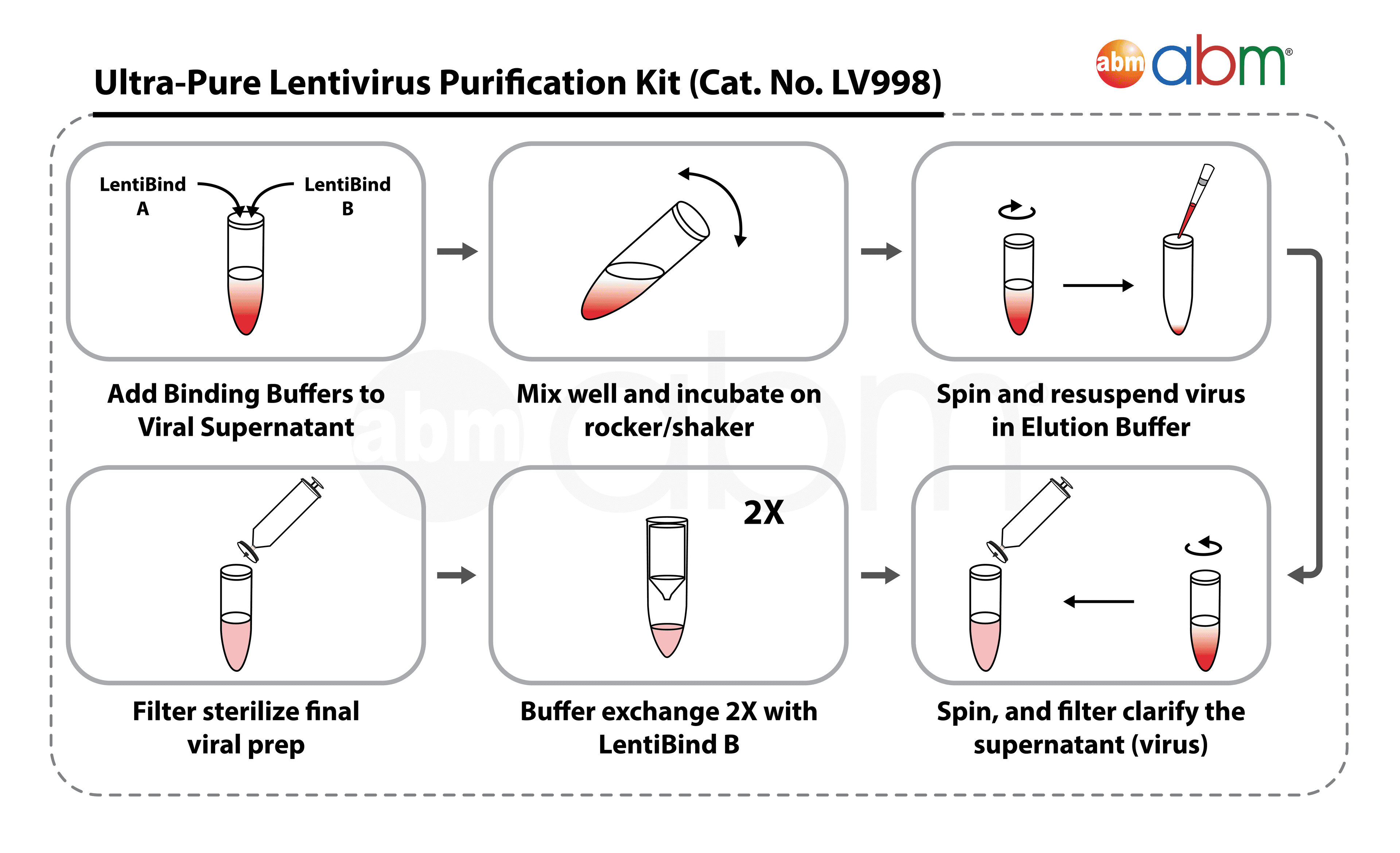
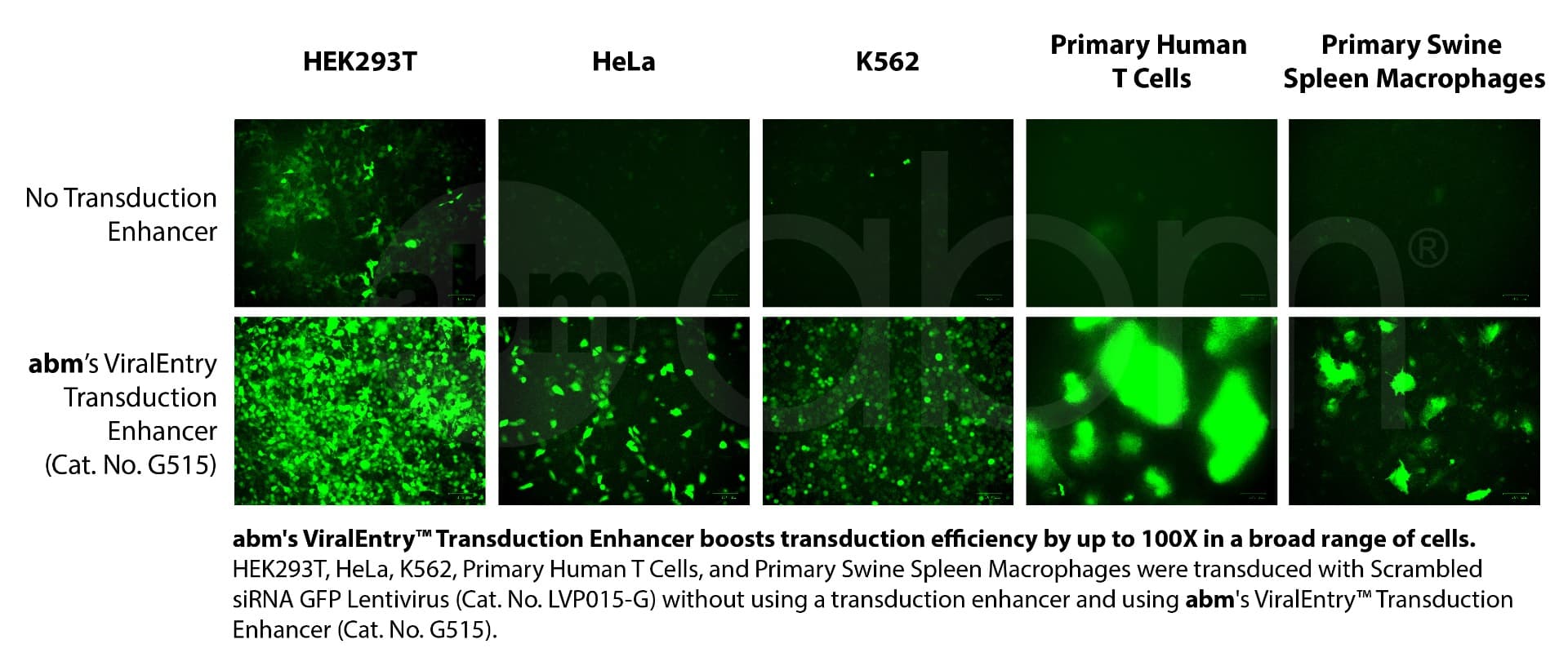
Showing 13 to 18 of 18 results
What Are Lentiviral Purification & Packaging Kits?
Producing high-quality lentiviral stocks is a prerequisite for reproducible transduction experiments. Low-titer or impure virus preparations reduce transduction efficiency, introduce toxicity from residual cell debris, and compromise experimental reproducibility. Purification and packaging kits address every step from plasmid transfection through virus harvest and concentration. Vector production quality depends on efficient purification and packaging workflows. Choose the kit designed for your system.
What you will find:
-
2nd and 3rd Generation Lentivirus Bundles combining transduction enhancers, transfection reagents, packaging mix, titer kits for complete workflows
-
2nd and 3rd Generation Packaging System Mix for standardized viral production workflows
-
DNAfectin™ Plus and Packaging Mix systems for enhanced transfection workflows
-
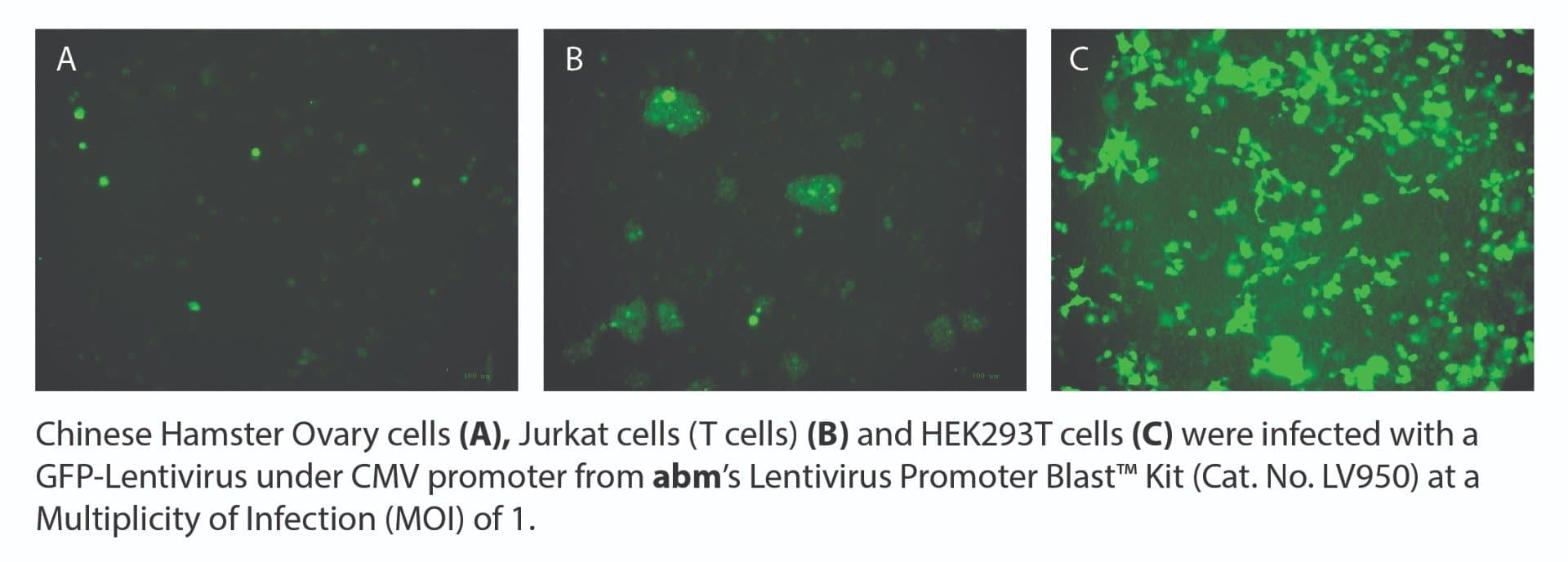
Lentivirus Promoter Blast™ Kit for lentiviral expression studies driven by promoters
-
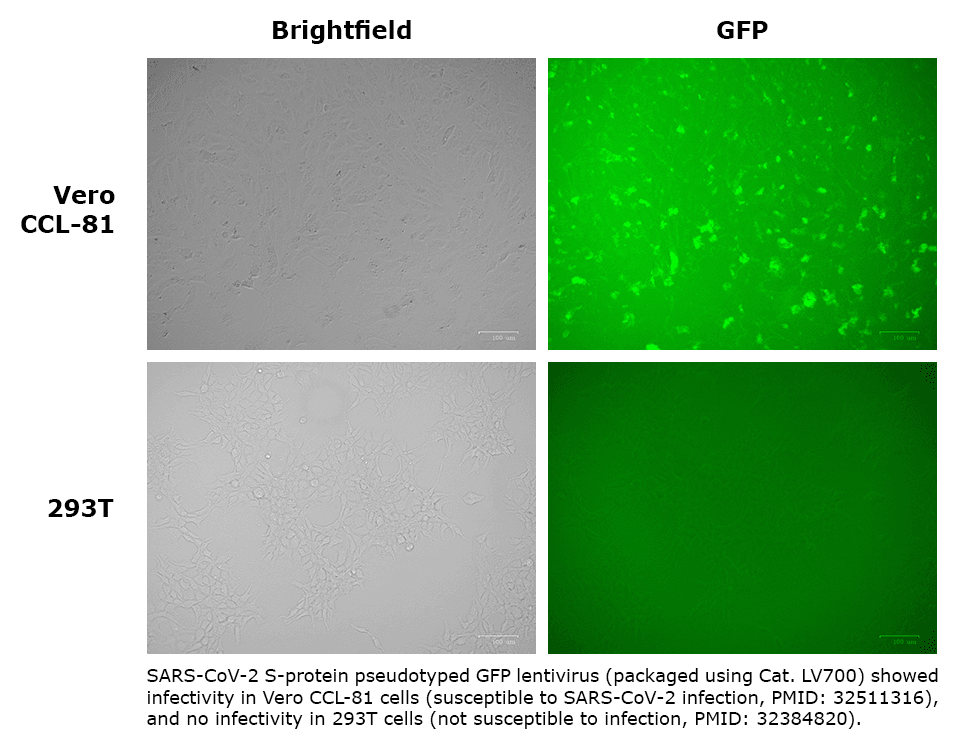
SARS-CoV-2 S Protein Pseudotype Lentiviral Packaging Mix for pseudovirus-based research applications
-
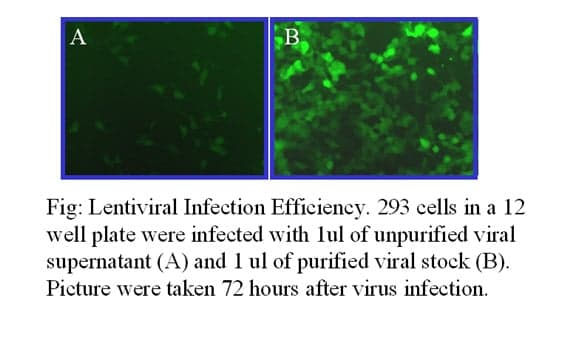
Ultra-Pure Lentivirus Purification Kit for viral cleanup and concentration
-
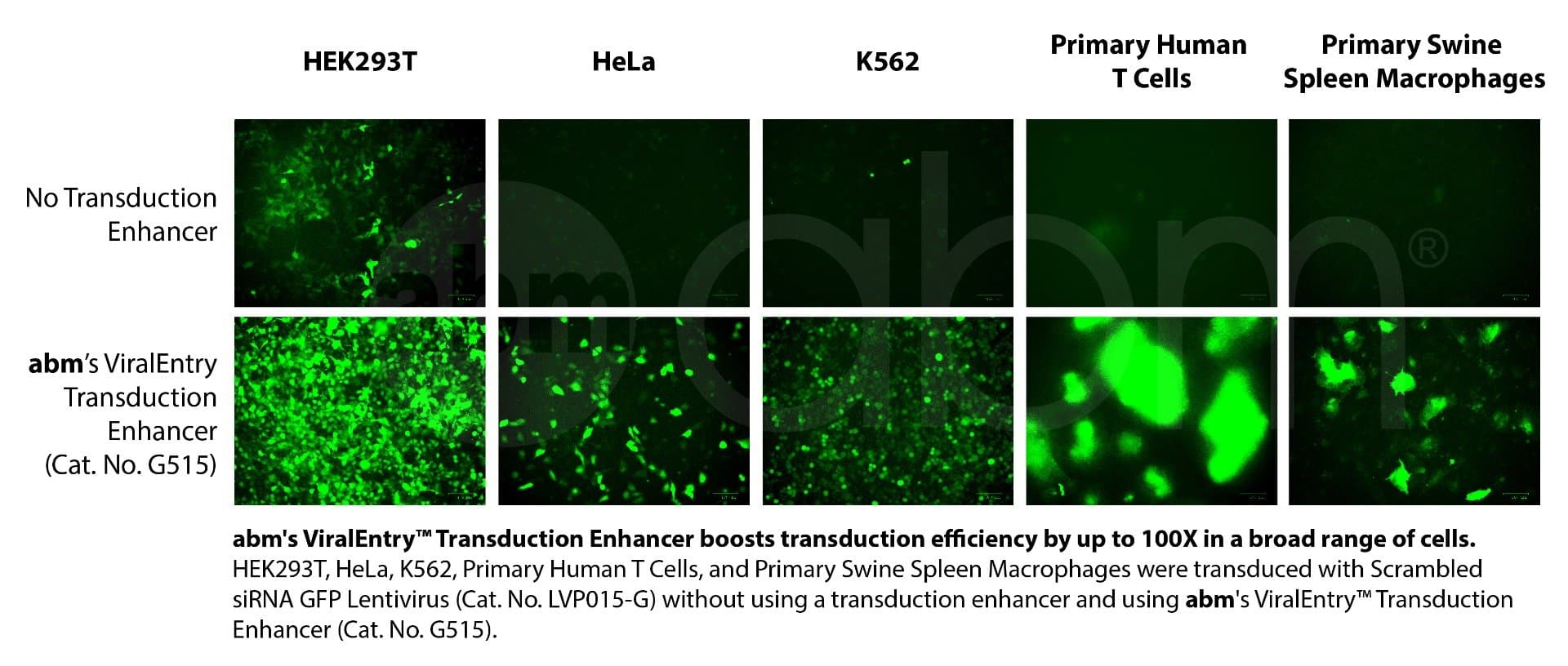
ViralEntry™ Transduction Enhancer for improved transduction
-
qPCR Lentivirus Titer Kit & ViralEntry™ Bundle for optimized transduction workflows and viral quantification
How to Choose a Purification & Packaging Kit
Concentration Method Available
PEG precipitation kits work with a standard benchtop centrifuge, producing 10–100-fold concentration — the most accessible method for labs without ultracentrifuges. Ultrafiltration (100 kDa cutoff) offers high recovery (>80%) while removing small molecules and unincorporated VSV-G. Ultracentrifugation provides the highest concentration (up to 1000×) but requires specialised equipment.
Packaging Plasmid Generation
3rd generation systems (pMDLg/pRRE + pRSV-Rev + pVSV-G) split packaging elements across three plasmids and eliminate Tat for biosafety. 2nd generation systems use a single packaging plasmid + pVSV-G; some transfer vectors with RSV promoters produce lower titers with 3rd generation packaging unless using CMV-promoter variants (pLKO.1C).
Starting Volume Scale
Ultrafiltration units are compatible with both small-scale (≤20 mL) and large-scale (up to 1 L) starting volumes using appropriately sized membranes.
Plasmid Transfection Ratio
For 3rd generation packaging, a 4:2:1:1 ratio of transfer vector:pMDLg/pRRE:pVSV-G:pRSV-Rev has been validated to maximise titer, with 20 µg transfer vector per 15 cm dish as a standard starting point.
Titer Assessment Method
p24 ELISA measures total viral particle content; functional transduction assays (GFP or antibiotic selection) measure infectious titer; qPCR-based RNA titration measures packaged RNA copies. Functional titer is most relevant for transduction experiments.
Specifications Context
Lentiviral concentration workflows commonly combine PEG precipitation, ultrafiltration, or density-gradient methods to increase viral titer without requiring ultracentrifugation. Ultrafiltration systems using 100 kDa membranes efficiently retain lentiviral particles (approximately 80–120 nm) while removing smaller contaminants and free proteins. Following concentration, viral stocks are typically aliquoted into single-use volumes and stored at −80 °C because infectivity decreases with repeated freeze–thaw cycles and prolonged storage above freezing temperatures. Modern 2nd- and 3rd-generation packaging systems separate essential viral functions across multiple plasmids, including a dedicated VSV-G envelope plasmid, to support safer lentiviral production workflows. Product availability reflects MBP's catalogue as of mid-2026.
Contact the expert team at MBP Inc. and get reliable lentiviral purification and packaging kits for your lab today.
FAQ



