AAV CRISPR/Cas9 Negative Control Constructs for Research
MBP Inc. supplies AAV CRISPR/Cas9 negative control constructs — including scrambled sgRNA vectors designed for both SpCas9 and SaCas9 systems, with separate formats for sgRNA-only AAV vectors and all-in-one AAV constructs containing Cas9. These controls are used to establish baseline effects in AAV-delivered genome editing experiments by accounting for vector delivery, serotype-dependent transduction, and non-specific CRISPR system activation.
Products are available across multiple AAV serotypes and delivery formats for use in gene editing research workflows across the USA and Canada, with sourcing and validation support provided through ABM, a key manufacturing partner. Request a quote today by contacting customerservice@mbpinc.net
CRISPR/Cas9 Controls
Showing 25 to 36 of 38 results
What Are AAV CRISPR/Cas9 Negative Controls?
AAV-delivered CRISPR/Cas9 is the dominant platform for in vivo gene editing in pre-clinical research. Matched negative controls are mandatory for valid interpretation of in vivo editing experiments because AAV transduction, Cas9 expression, and sgRNA processing each independently affect transduced cells regardless of target specificity. The right CRISPR/Cas9 control is essential for distinguishing editing effects from delivery and background responses. Select a control system appropriate for your genome editing workflow.
What you will find:
- SpCas9 sgRNA AAV viruses control (serotypes 1–11) for Streptococcus pyogenes Cas9 experiments.
- SaCas9 Scrambled sgRNA viruses control for the smaller Staphylococcus aureus Cas9 nuclease.
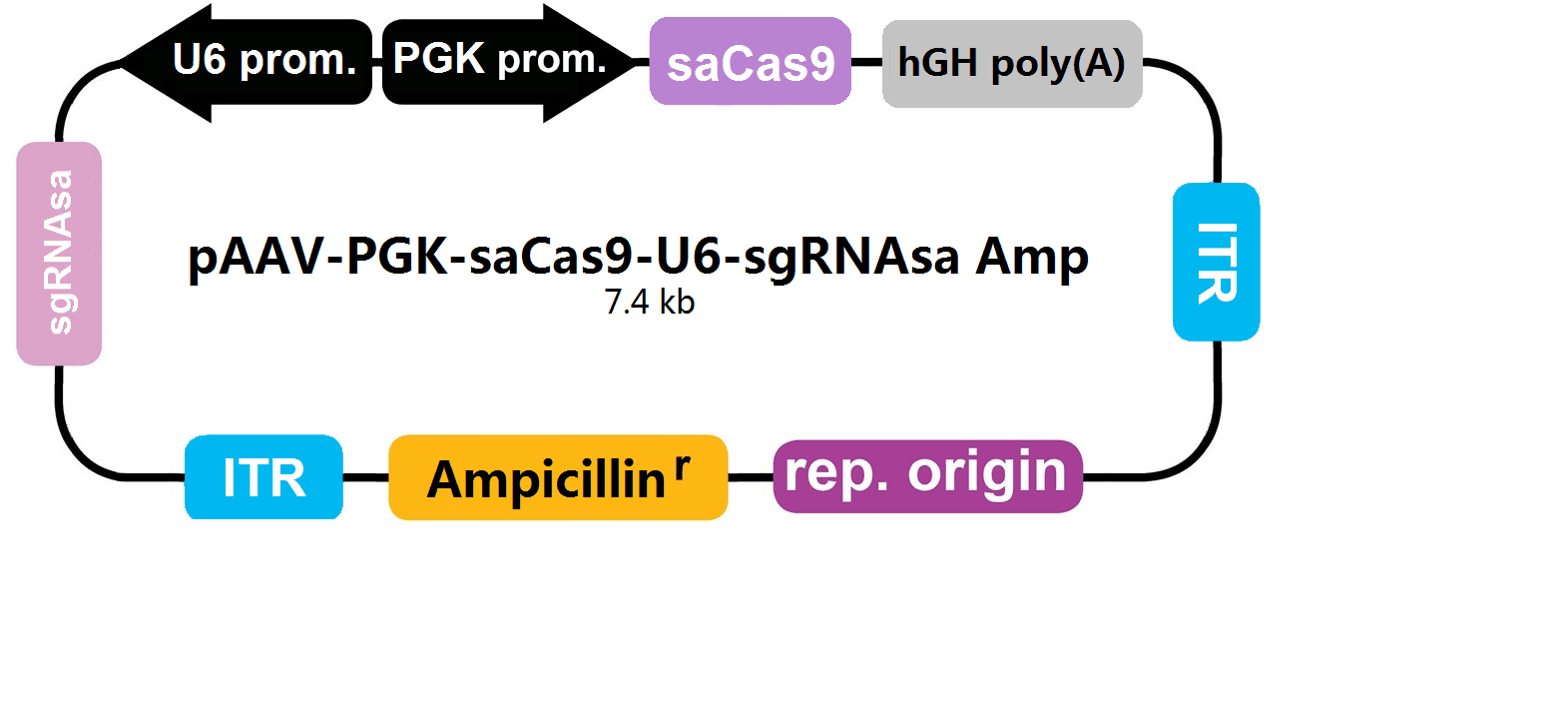
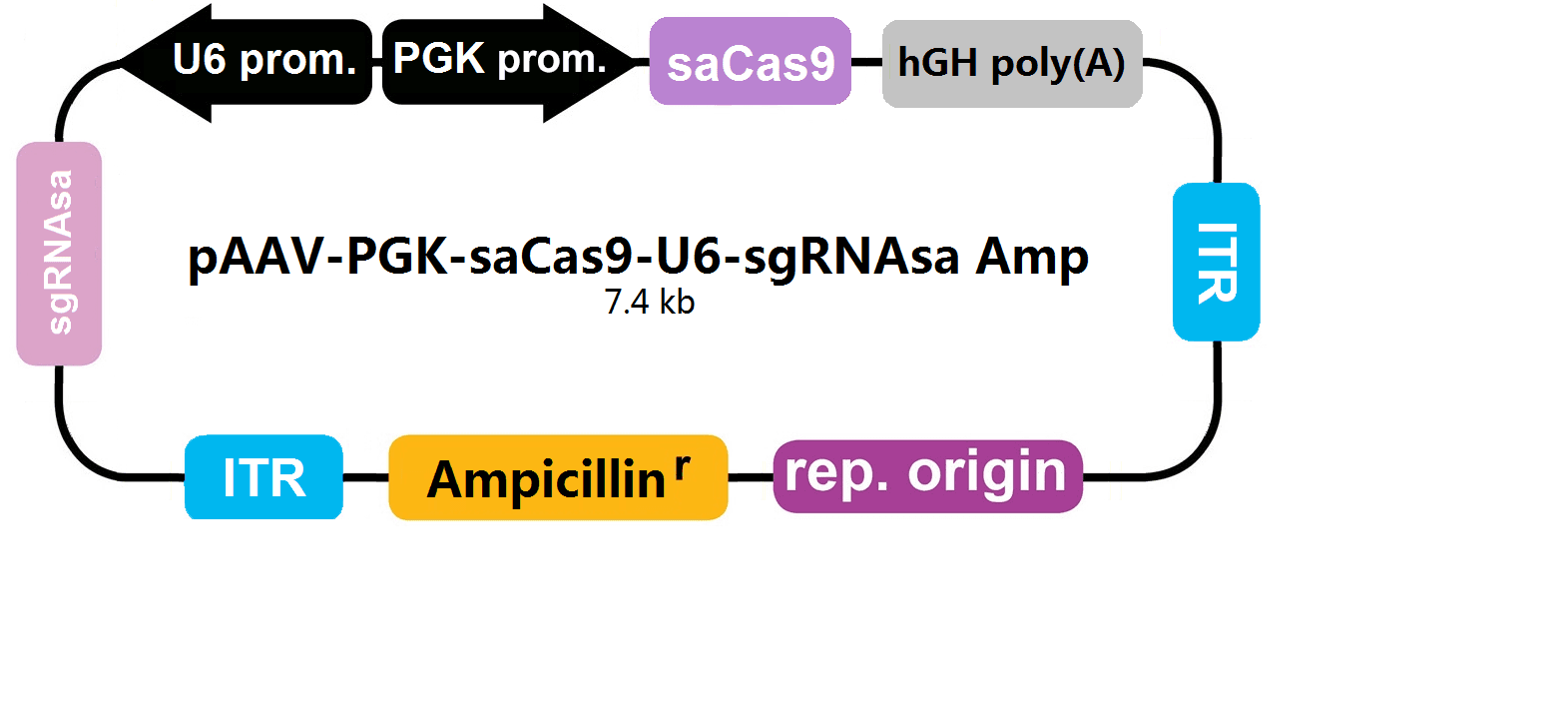
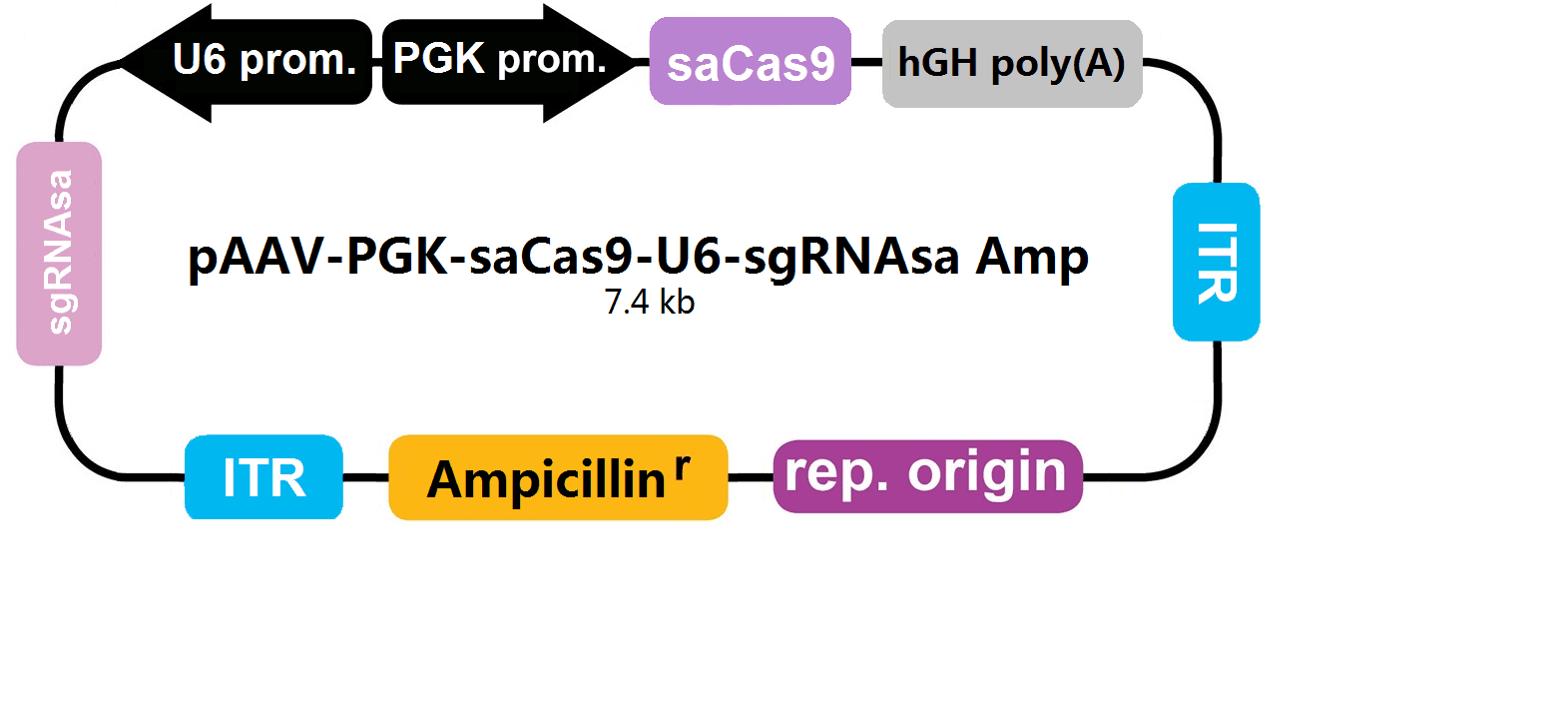
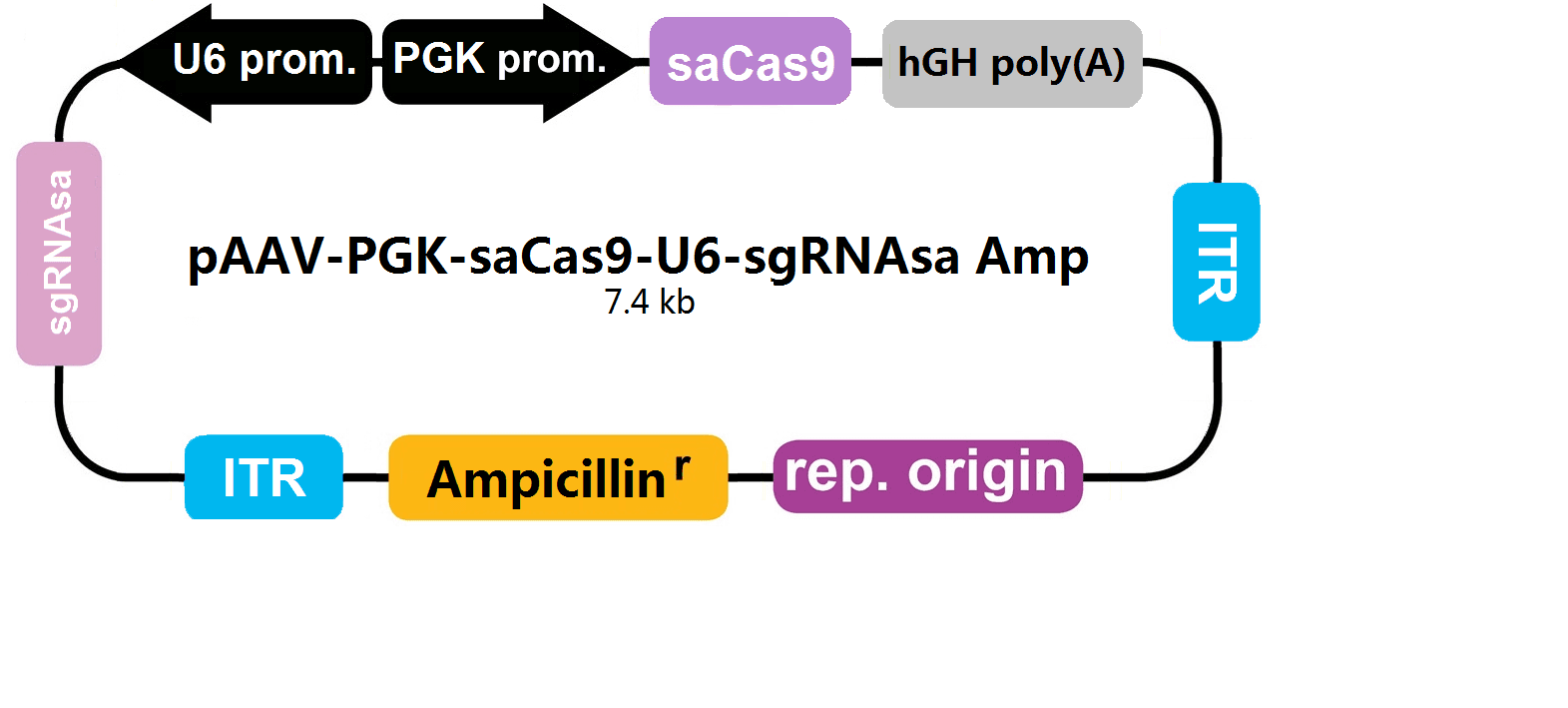
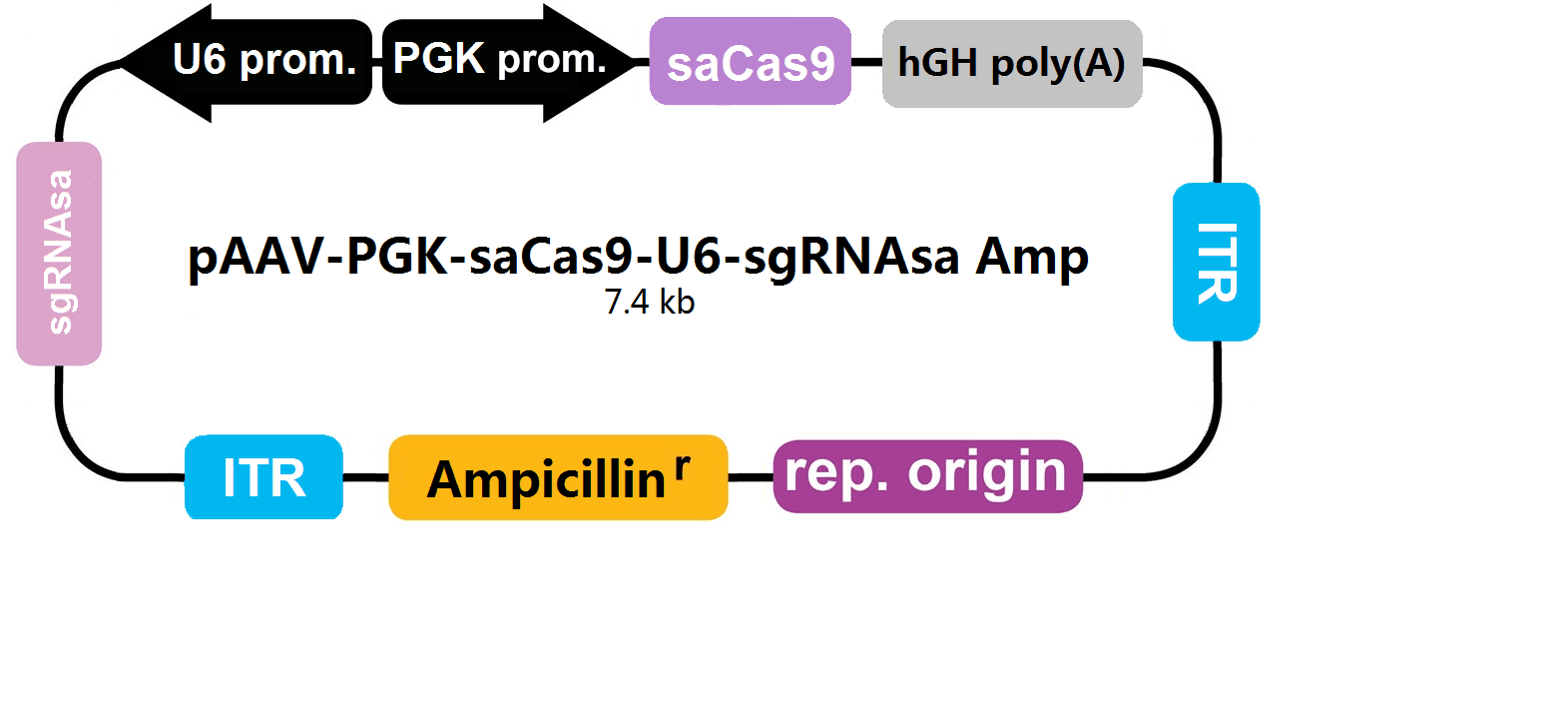
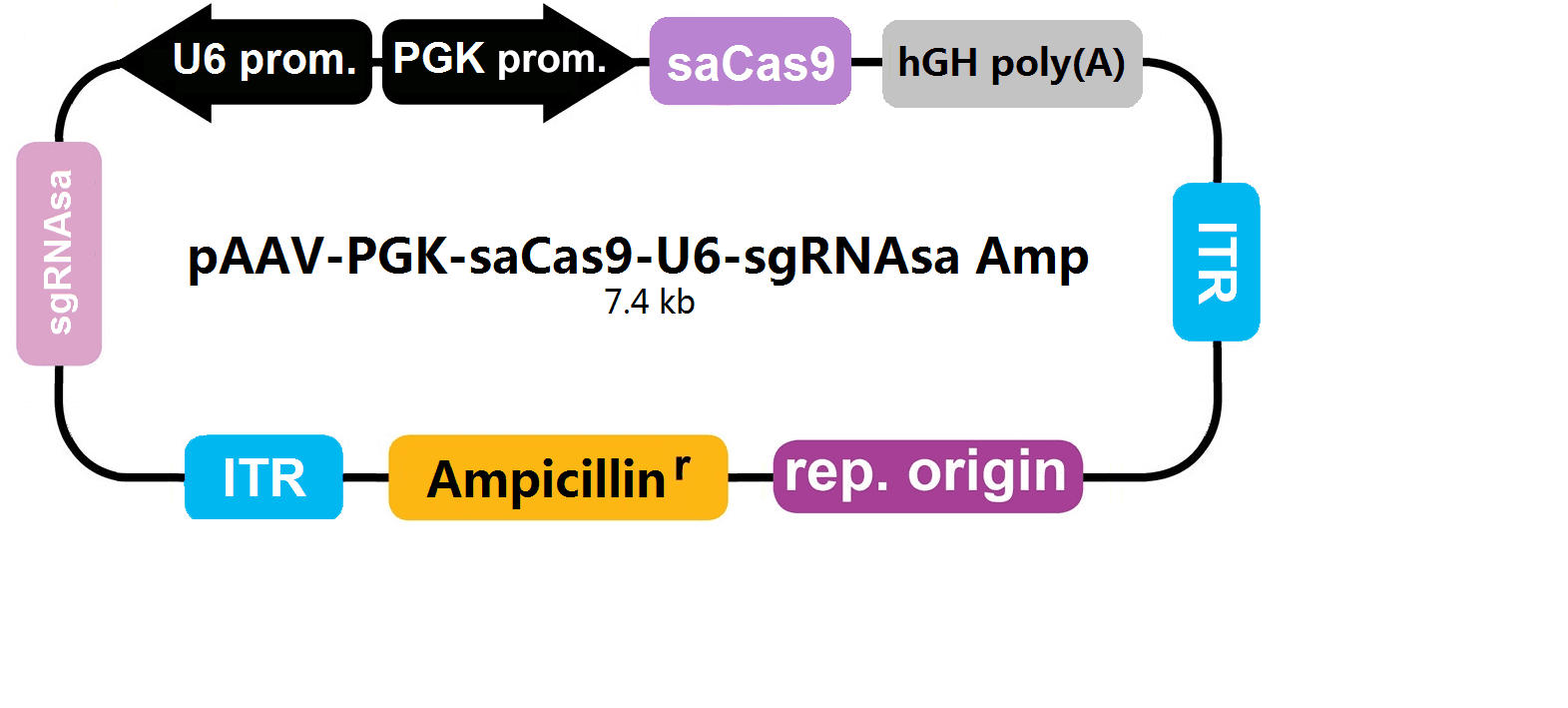
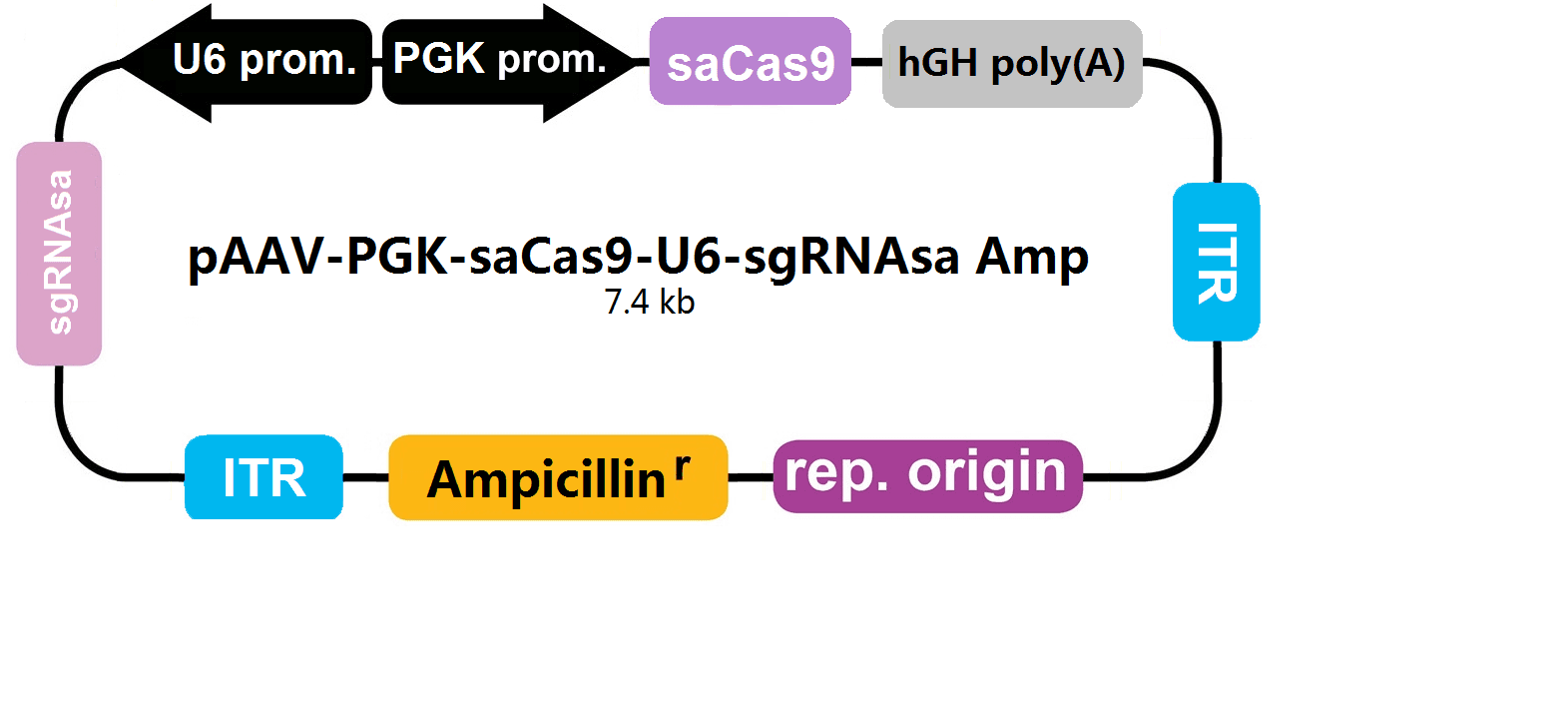
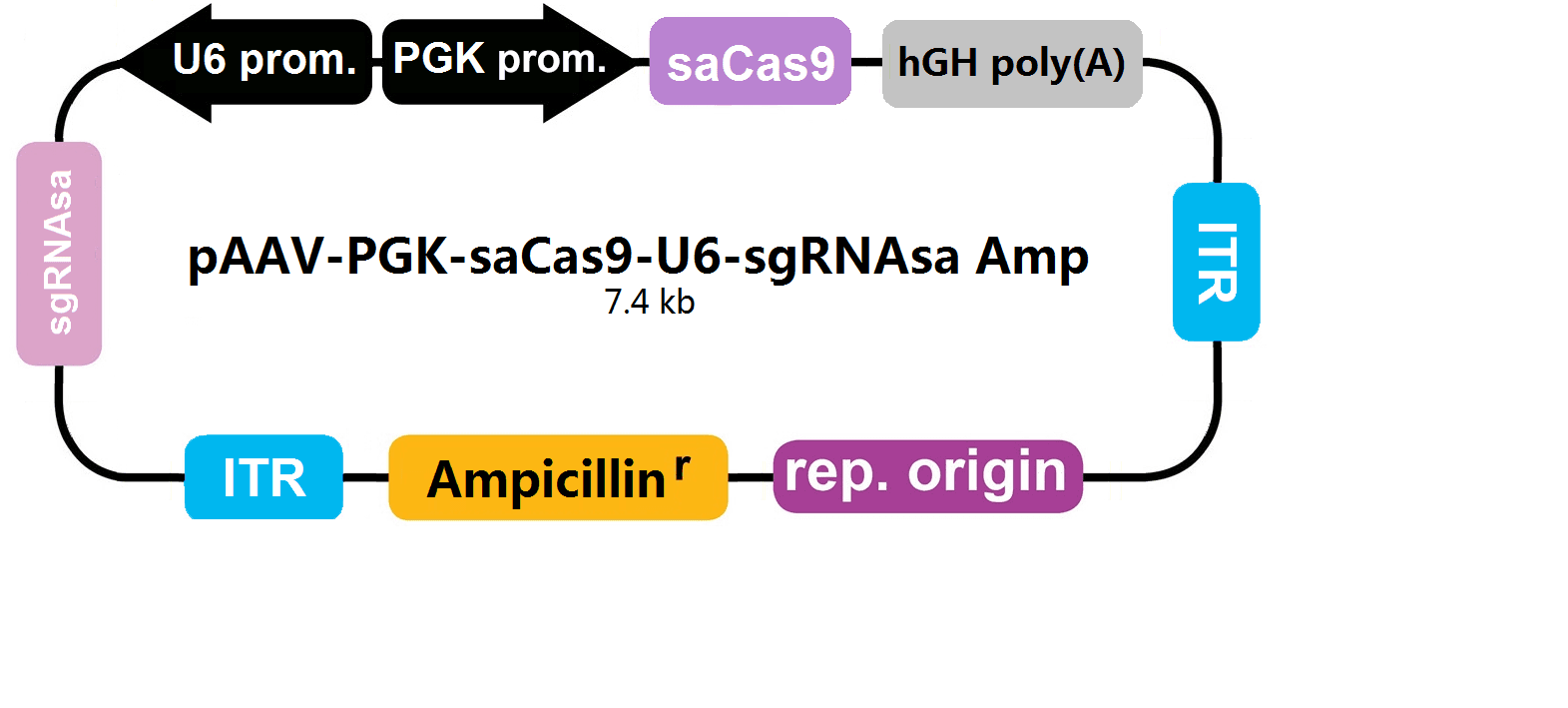
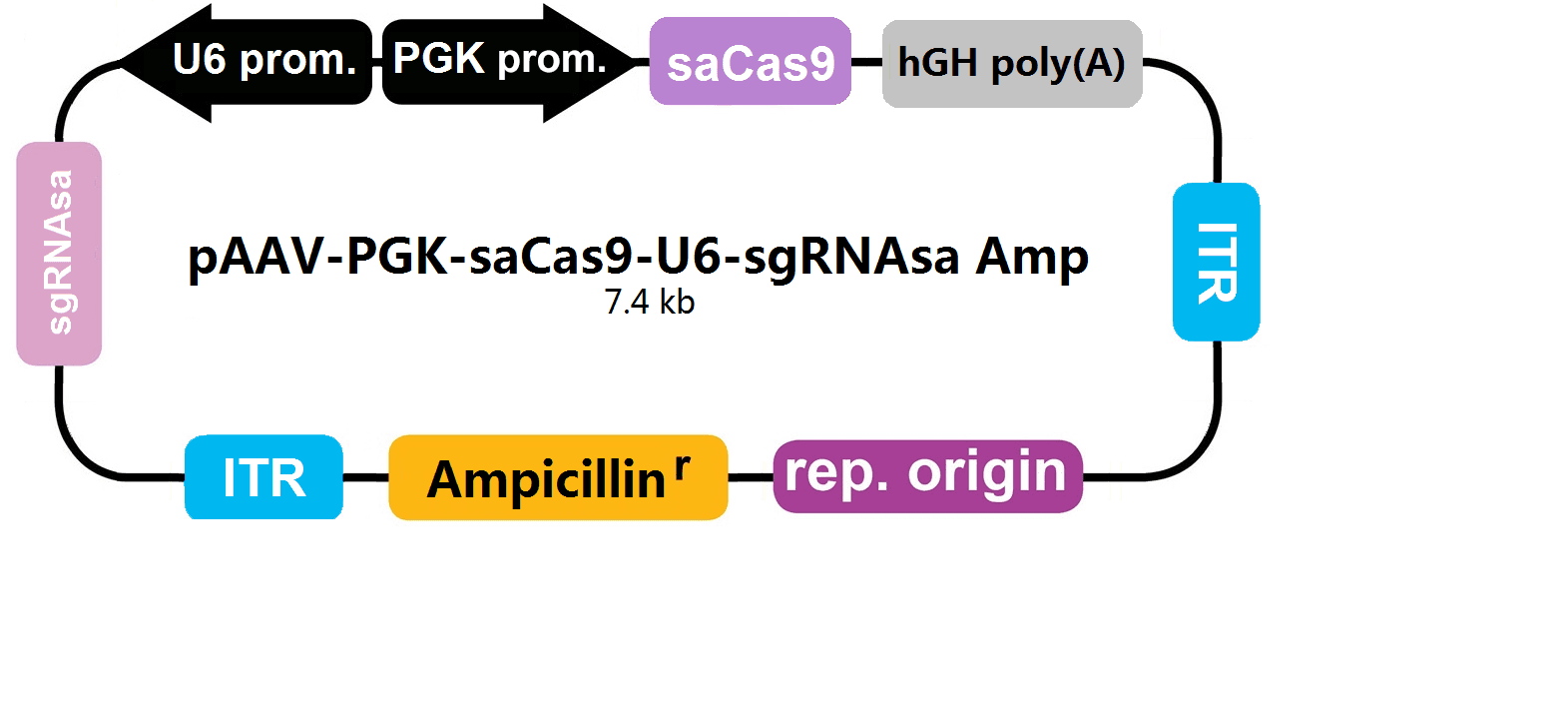
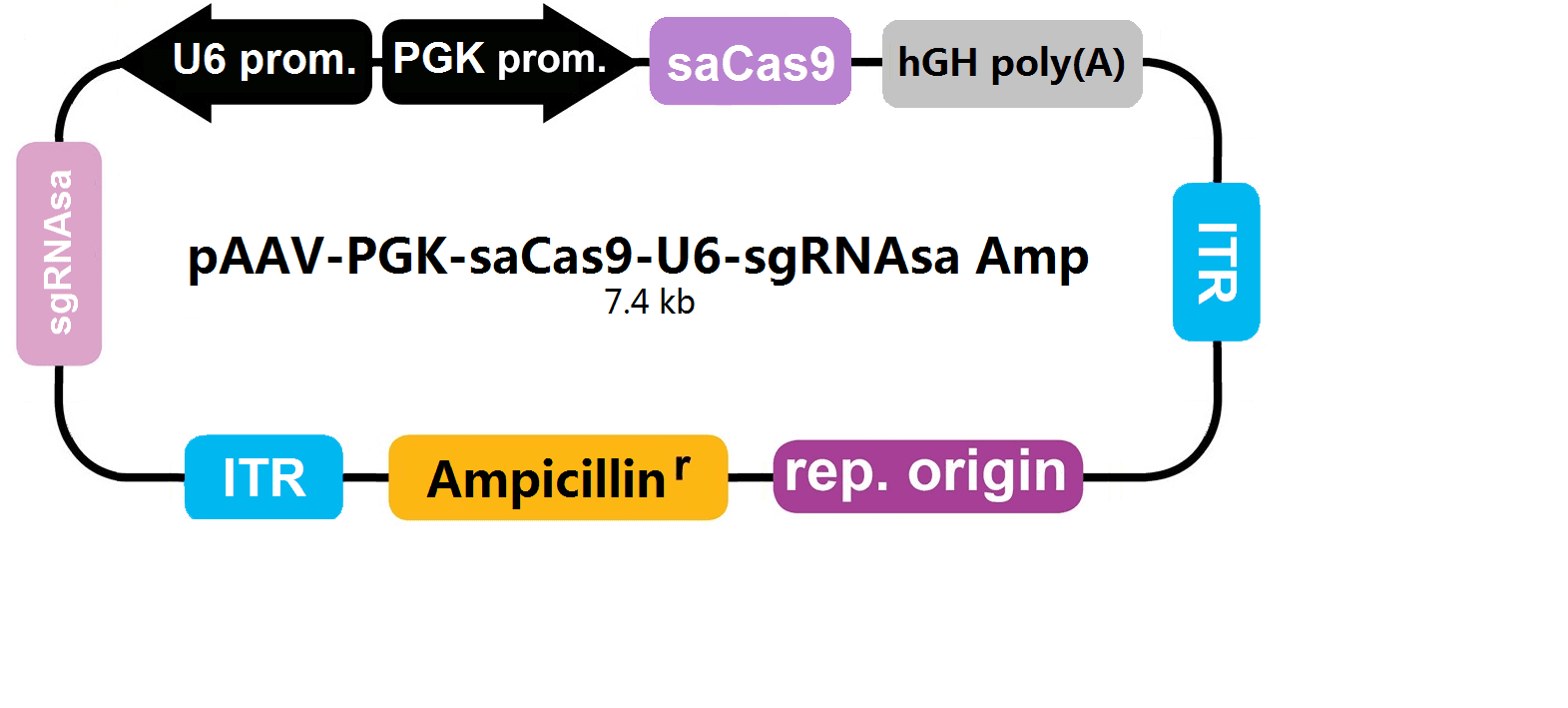
- All-in-One AAV Control Vectors contain both a non-targeting scrambled sgRNA and saCas9
- Non-Viral CRISPR Control Plasmids used in transient transfection studies for scrambled sgRNA expression
- Ampicillin-Resistant AAV Backbones for stable cloning and propagation.
- Serotype-Specific All-in-One Virions as a negative control for tissue-specific assessment
How to Choose an AAV CRISPR/Cas9 Control
Cas9 Orthologue Matching
Controls should match the Cas9 orthologue used experimentally — SpCas9 or the more compact SaCas9 (relevant for single-AAV delivery within the ~4.7 kb packaging limit).
Non-Targeting sgRNA Validation
As with other CRISPR delivery formats, non-targeting (not scrambled) sgRNAs bioinformatically verified against PAM-adjacent genomic sites are required to avoid unintended editing in the control group.
Cas9-Inclusive vs. sgRNA-Only Format
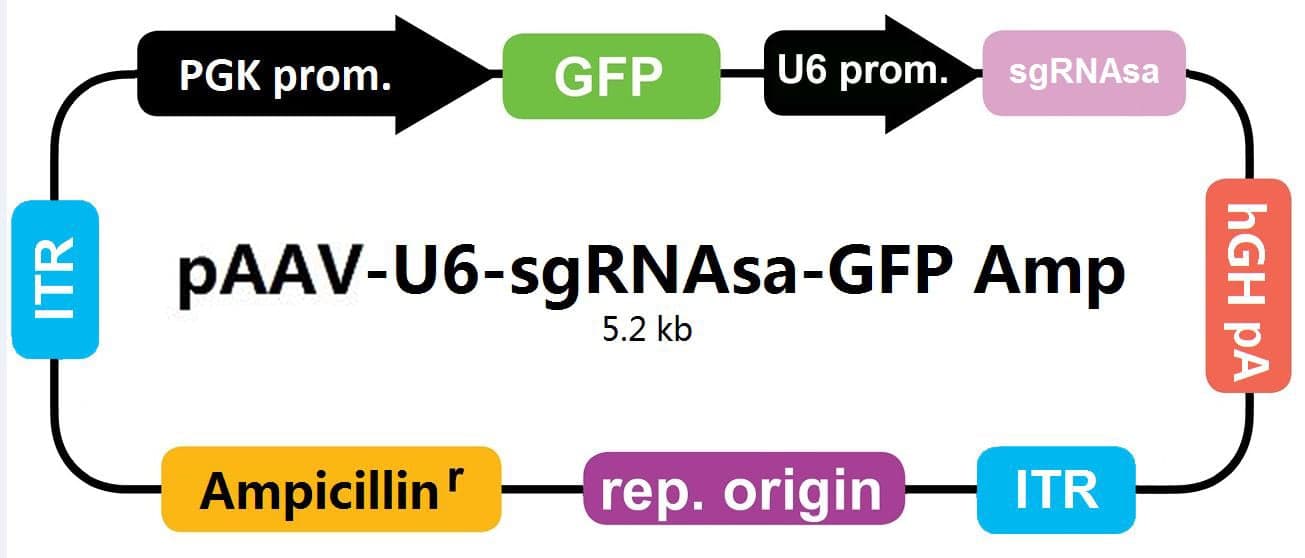
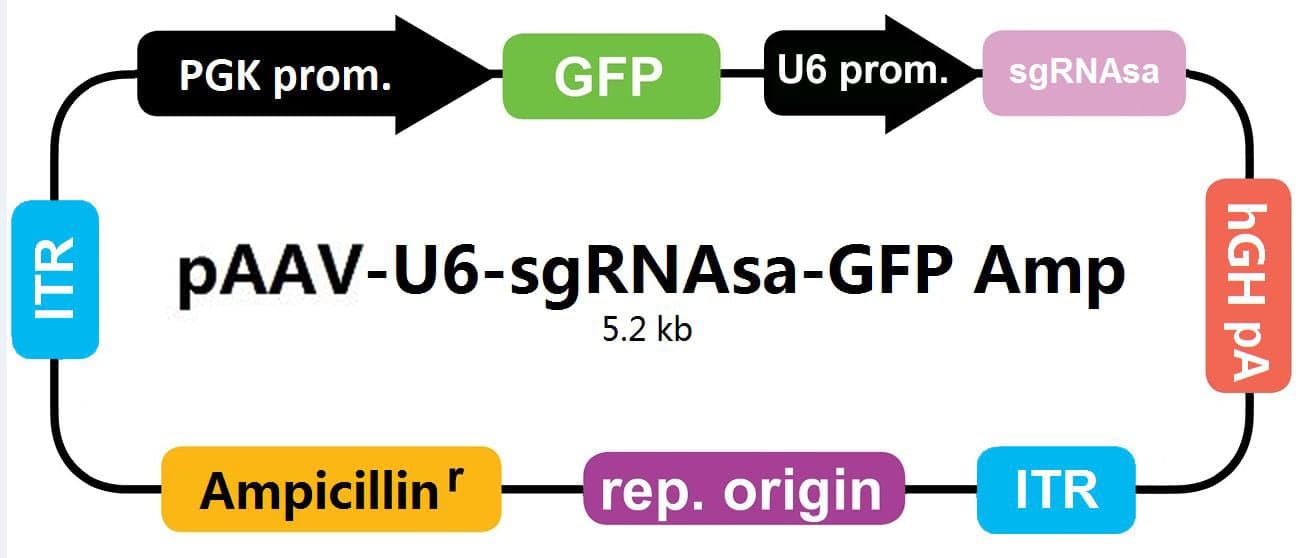
A non-targeting sgRNA + Cas9 AAV construct controls for the full system; an sgRNA-only (no Cas9) AAV construct isolates the contribution of guide RNA delivery alone.
Serotype Matching for In Vivo Work
The control AAV should match the serotype of the experimental construct to ensure equivalent tissue tropism and transduction efficiency in vivo.
Split-Vector System Considerations
For split-vector AAV-CRISPR systems (Cas9 and sgRNA on separate AAV particles), the control should replicate the same two-vector delivery approach.
Specifications Context
AAV delivery can activate innate immune pathways, while Cas9 expression may induce cellular stress and DNA damage responses. sgRNA is expressed in all transduced cells regardless of targeting sequence, making matched controls essential to distinguish on-target editing effects from vector- and CRISPR-related background activity. SaCas9 (~3.2 kb) is smaller than SpCas9 (~4.2 kb) and is often used for single-AAV delivery; controls should match the Cas9 orthologue used. Non-targeting sgRNA AAV controls — with and without Cas9 — are available from ABM (Applied Biological Materials) for both SpCas9 and SaCas9 systems. As with other AAV systems, matched production batches help reduce titer-related variability, and serotype-dependent transduction should be confirmed before in vivo studies due to differences in tissue tropism.
Contact the expert team at MBP to get high-quality CRISPR control for your next successful experiment.
FAQ



