Product Filters

Primary Cell Culture Medium Kits for Endothelial, Hepatic, Neuronal, and Other Primary Cells


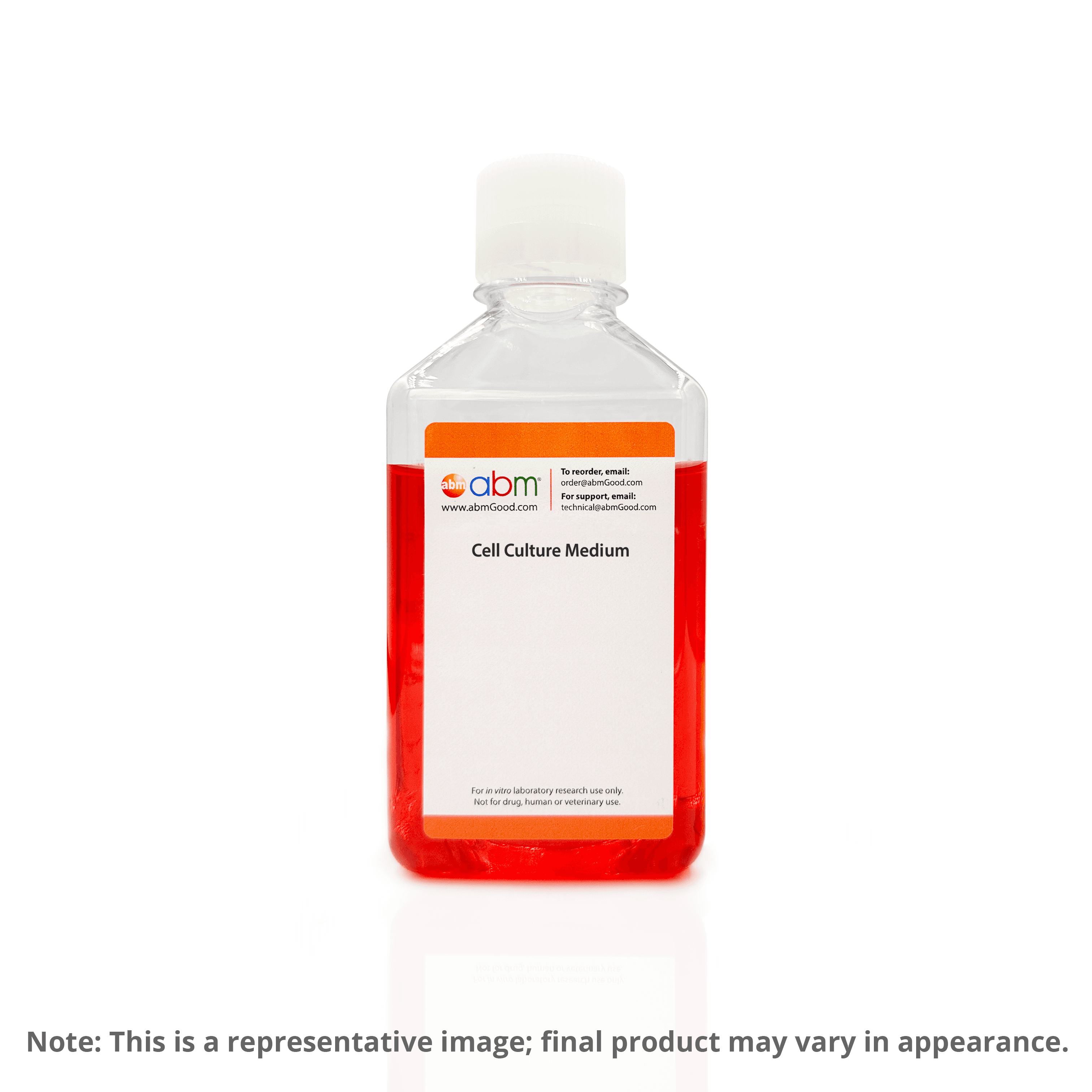
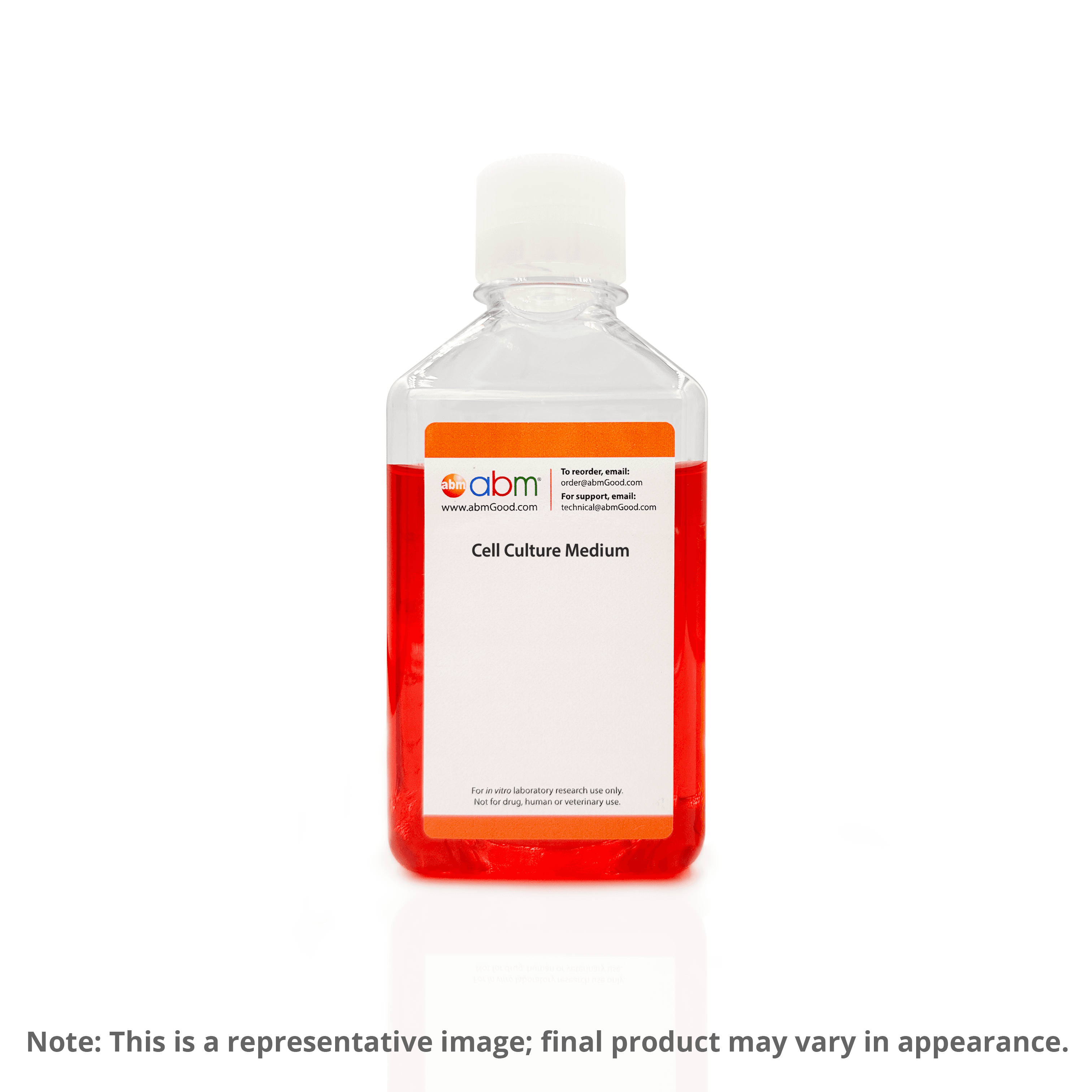
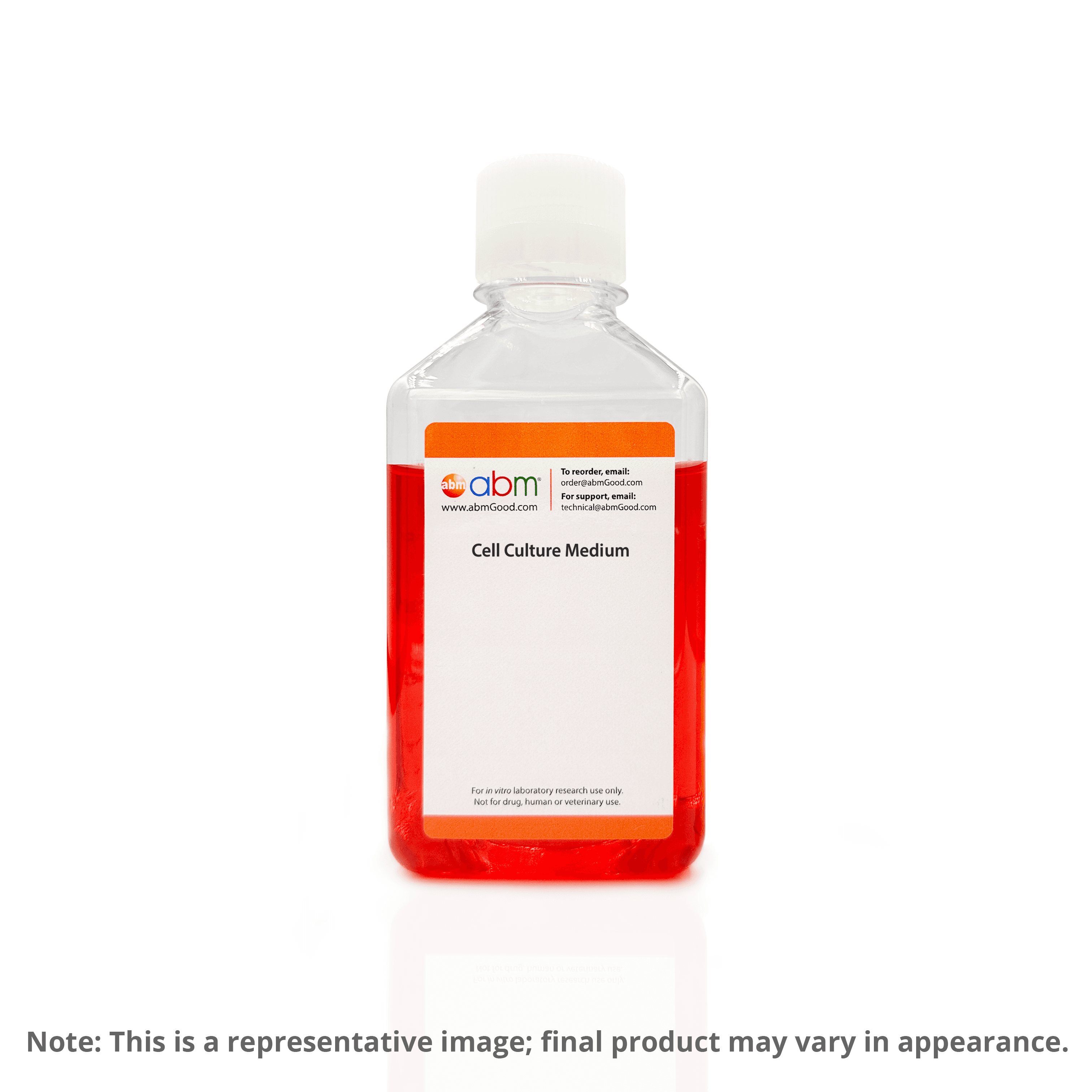
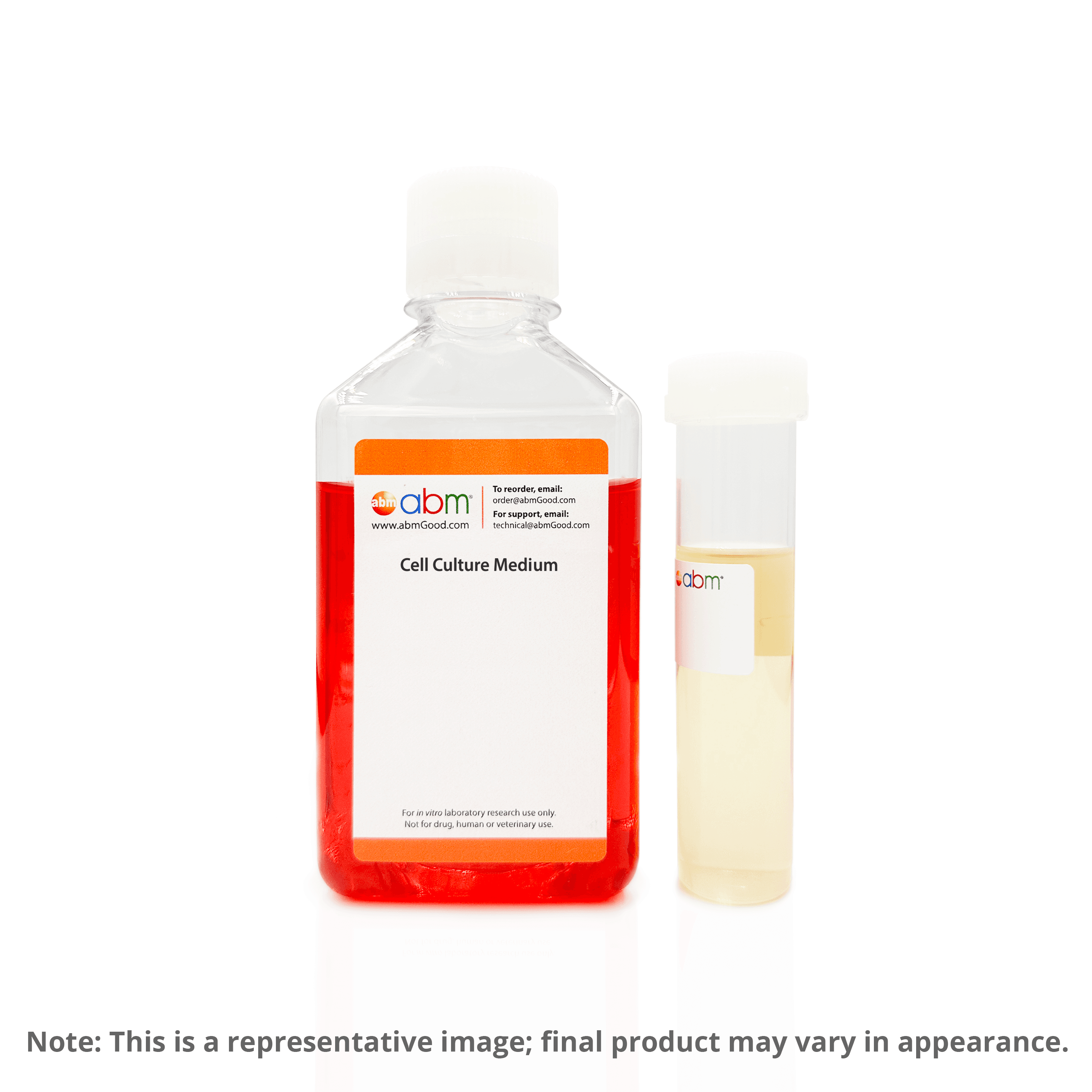
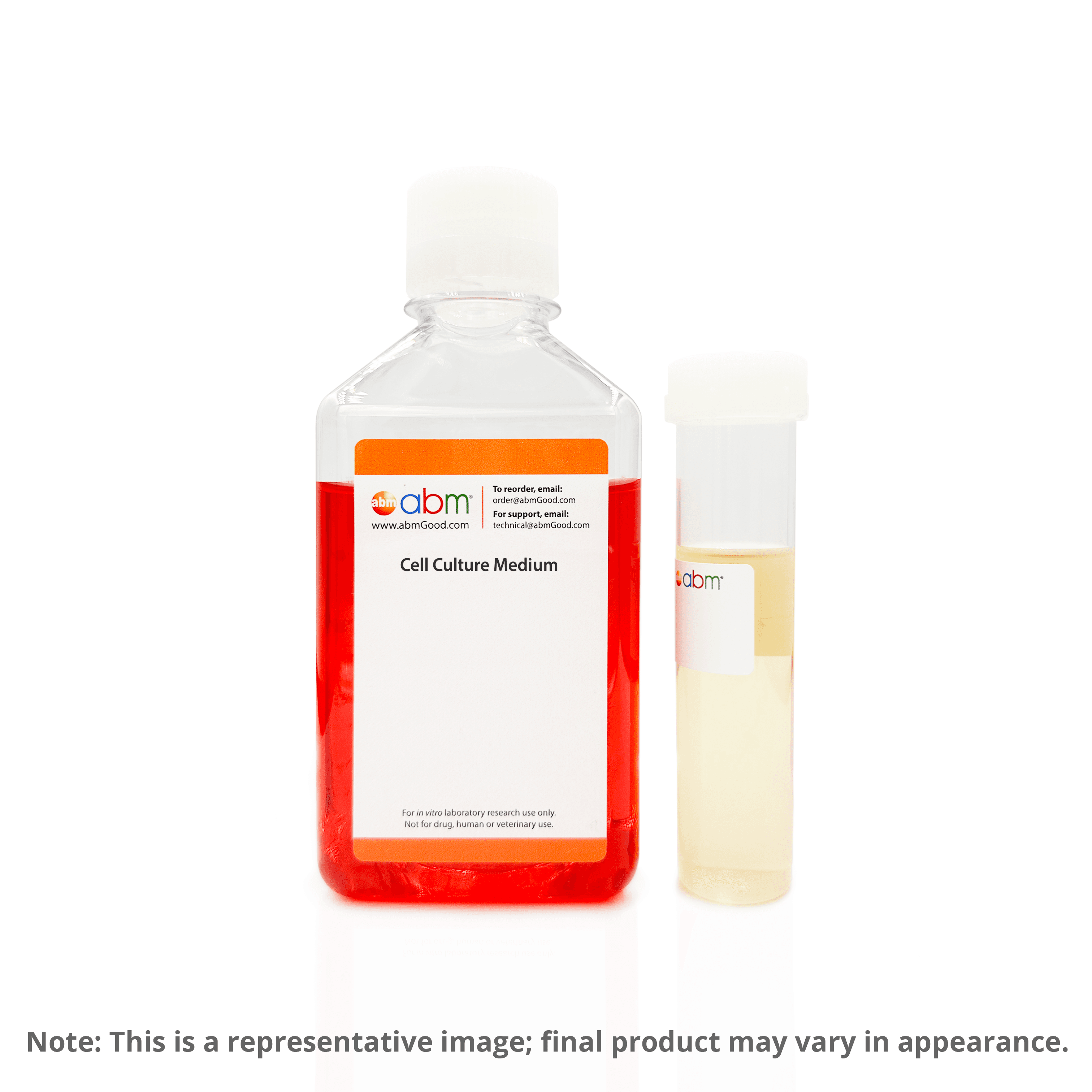
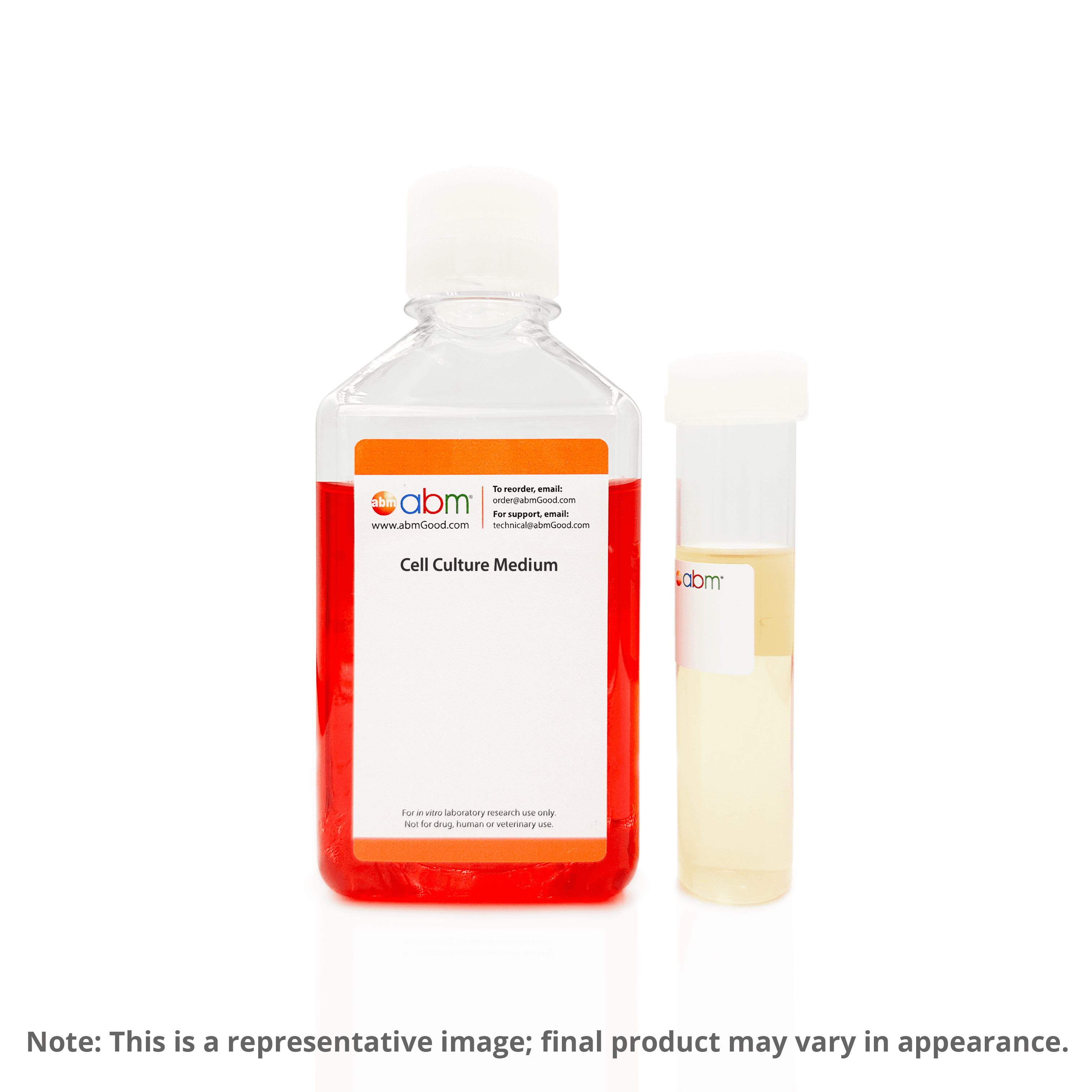
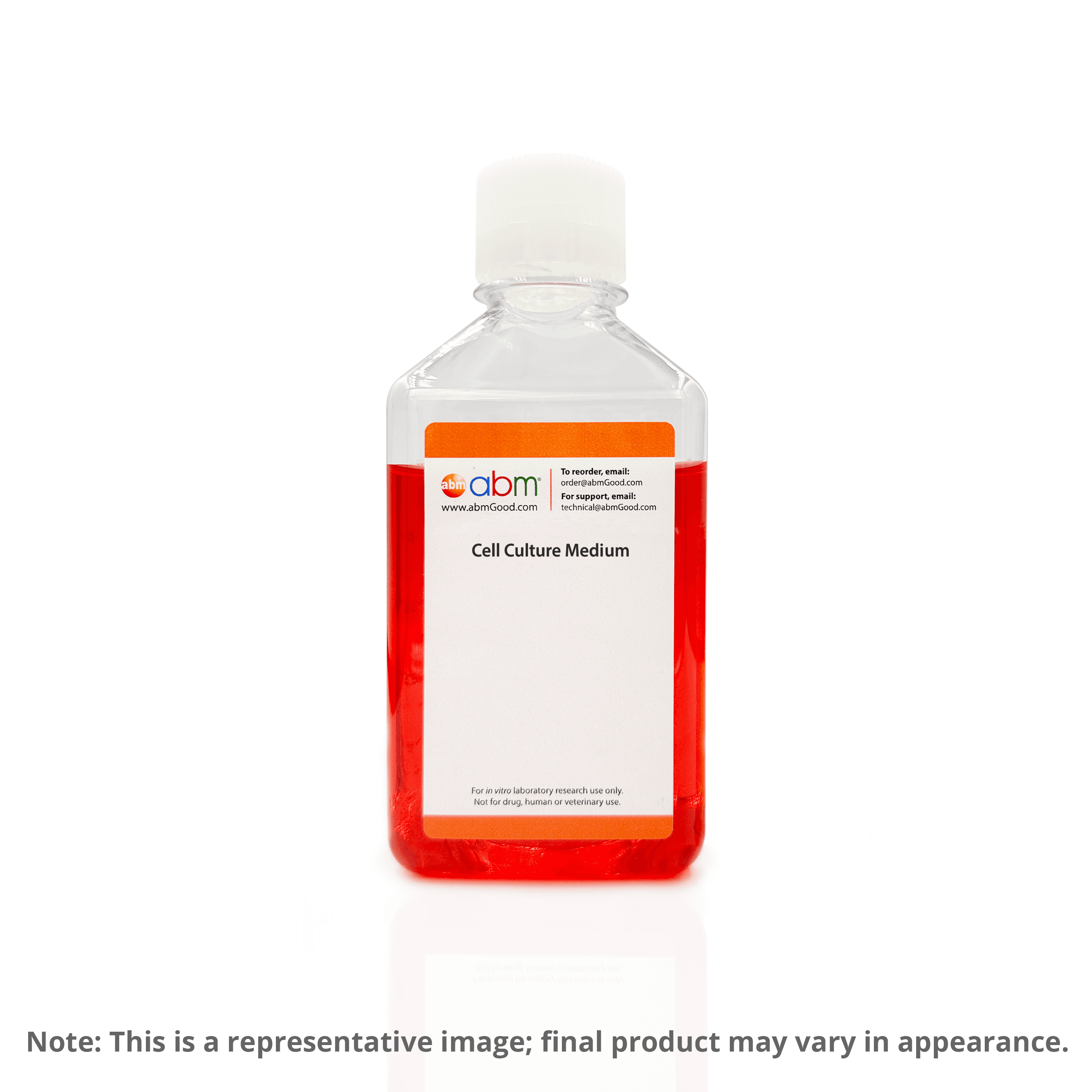
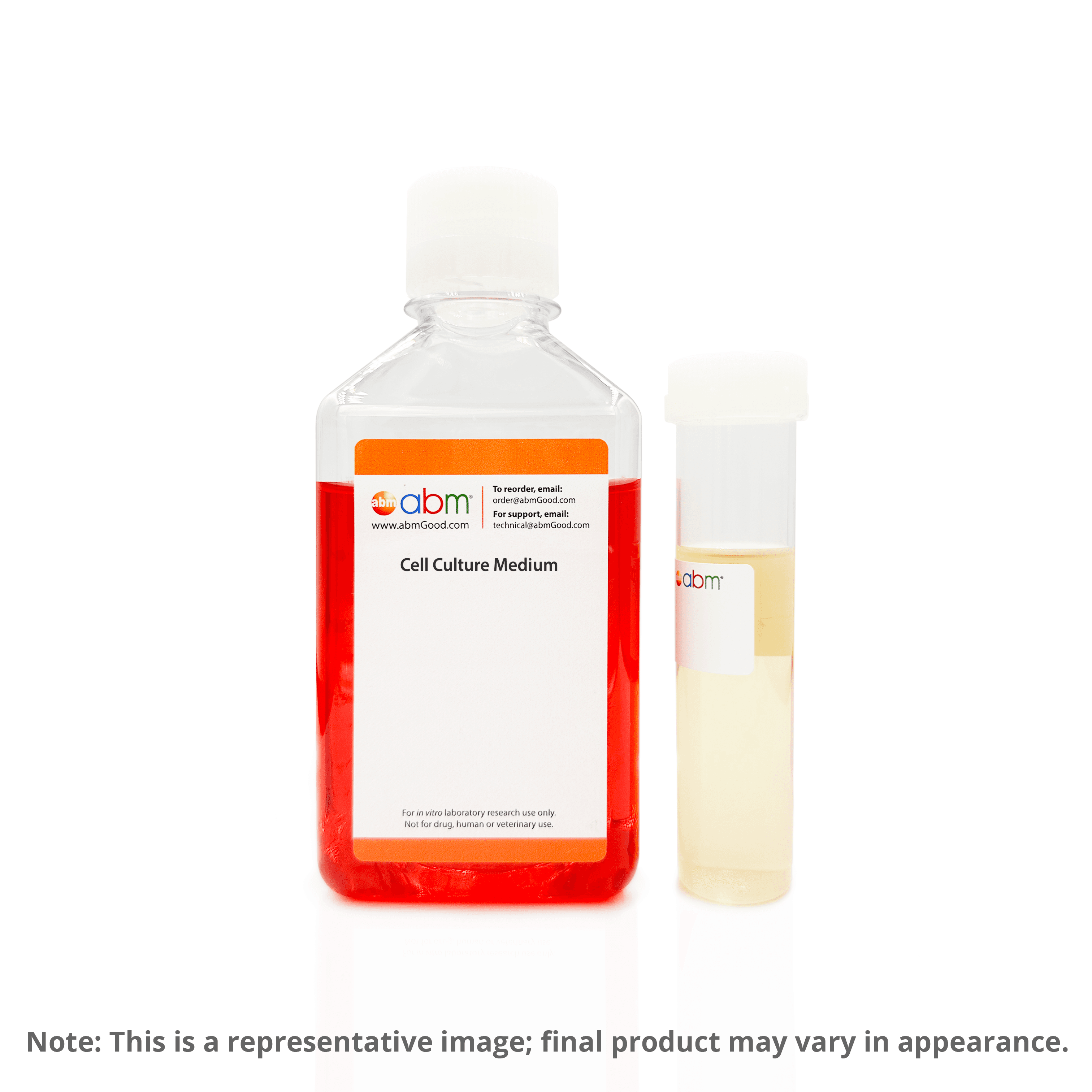
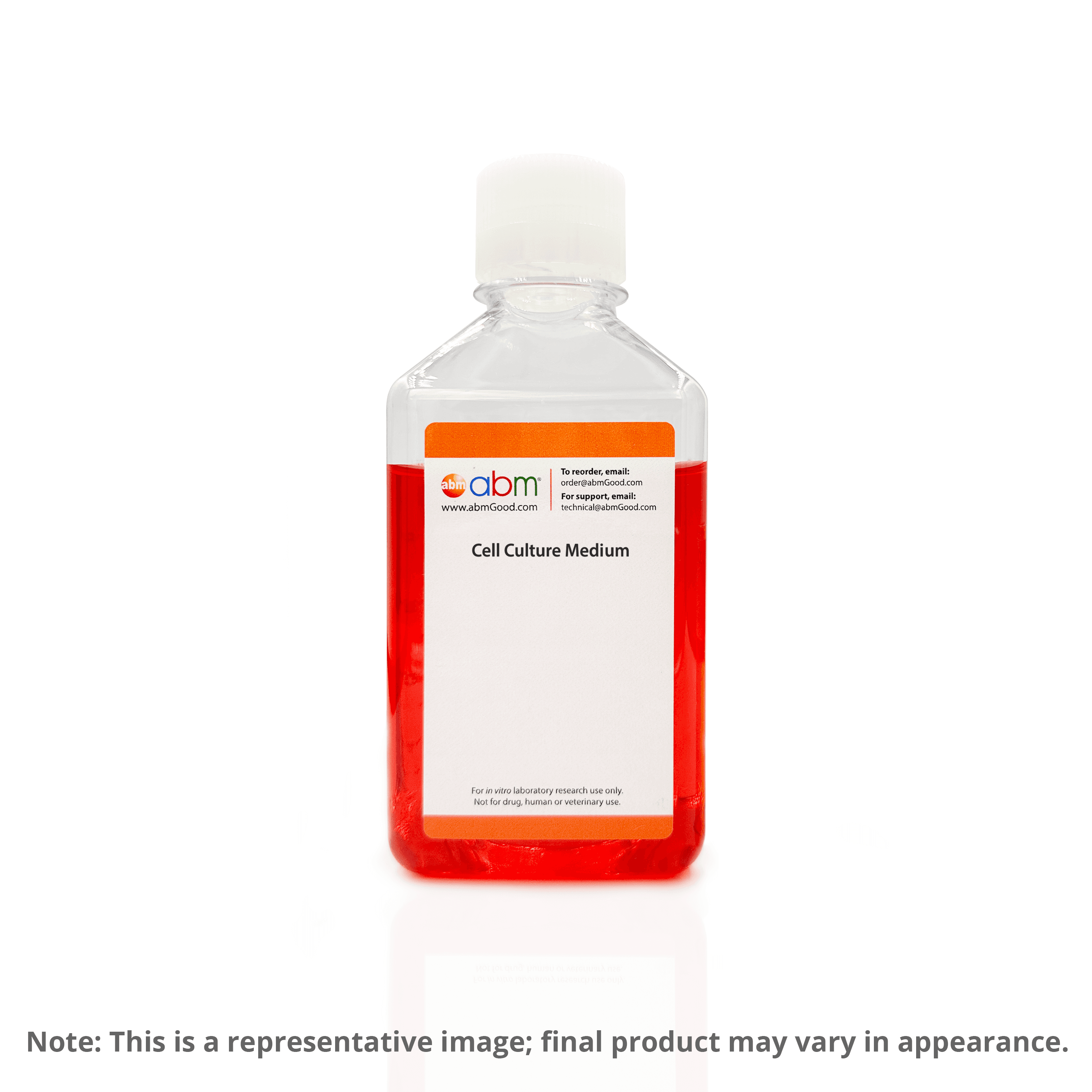
Primary cell culture medium kits bundle a cell-type-specific basal medium with a matched growth supplement, antibiotic, and FBS (where required) into a single tested, ready-to-prepare system — typically a 500 mL basal medium bottle plus proportionally sized supplement and serum components. Available for endothelial, mammary, hepatic, neuronal (e.g., astrocyte), and other primary cell types, in standard and serum-free/xeno-free formats. MBP ships to labs across the United States, Canada, and internationally with PO and Quick Order at mbpinc.net.

Explore available primary cell culture medium kits or request a quotation by contacting customerservice@mbpinc.net. Our team can help identify the optimal kit for your cell type, culture conditions, and research objectives.

Primary Cell Culture Medium kits
Per Page:
Sort By:
Serum-Free 293 Media
List Price:
USD79.16
Online Price:
USD56.54
Your Price:
Serum-Free CHO Media
List Price:
USD79.16
Online Price:
USD56.54
Your Price:
Serum-Free Stem Cell Medium
List Price:
USD284.70
Online Price:
USD203.36
Your Price:
Sinusoidal Endothelial Cell Growth Medium
List Price:
USD541.63
Online Price:
USD386.88
Your Price:
Skeletal Muscle Medium Kit
List Price:
USD856.89
Online Price:
USD612.06
Your Price:
Small Airway Epithelial Medium Kit
List Price:
USD1,312.42
Online Price:
USD937.44
Your Price:
Smooth Muscle Medium Kit
List Price:
USD777.73
Online Price:
USD555.52
Your Price:
Stellate Growth Medium
List Price:
USD708.29
Online Price:
USD505.92
Your Price:
Undifferentiated Multi-Lineage Progenitor Cell Media Kit
List Price:
USD579.13
Online Price:
USD413.66
Your Price:

Showing 37 to 45 of 45 results

What are primary cell culture medium kits?


Primary cell culture medium kits are complete, ready-to-prepare culture systems that combine a cell-type-specific basal medium with the supplements required for optimal growth and maintenance of primary cells. Unlike purchasing media, serum, growth factors, and antibiotics separately, these kits provide all components in validated proportions, ensuring that the medium performs as intended for a specific primary cell type.

A typical kit includes a basal medium, a cell-specific growth supplement, an antibiotic component where appropriate, and fetal bovine serum (FBS) or an equivalent supplement when required. The components are designed to be combined directly according to the manufacturer's instructions, reducing preparation errors and improving consistency between experiments.


What you will find:


  • Tissue-specific primary cell culture medium kits

  • Specialized growth media for endothelial and epithelial cells

  • Workflow systems for thawing, plating, and maintenance of hepatocytes 

  • Differentiation media for progenitor and stem cells 

  • Serum-free bioprocessing and cryopreservation reagents

  • Targeted fibroblast, smooth muscle, and myocyte growth kits


How to choose a primary cell culture medium kit


Match the kit to the cell type

Primary cells have highly specialized nutritional and signaling requirements. Kits are available for endothelial cells, hepatocytes, astrocytes, epithelial cells, fibroblasts, stem cells, and many other cell types. Selecting a kit specifically designed for the target cell type is essential for maintaining normal cellular function and morphology.

Serum-containing vs. serum-free formulations

Traditional kits often include FBS as a source of growth factors and nutrients. Serum-free and xeno-free kits replace animal-derived components with defined supplements, reducing variability and supporting applications that require animal-component-free culture conditions.

Complete kit convenience

Most kits provide all major components needed to prepare complete culture medium. This eliminates the need to source multiple reagents individually and helps ensure that supplements are used at the correct concentrations.

Antibiotic inclusion

Many primary cell culture kits include antibiotics to reduce contamination risk during routine culture. However, some specialized formulations, particularly those designed for immune cells and mononuclear cells, are intentionally supplied without antibiotics because these additives can influence cellular responses and experimental outcomes.

Storage and preparation

Kit components are typically stored separately until needed. Basal media and supplements are usually refrigerated, while serum components may require frozen storage before use. Once mixed into complete medium, shelf life is generally shorter than that of the individual components, making it advisable to prepare only the amount needed for near-term use.

Specialized differentiation systems

Some kits are designed not only for maintenance but also for cellular differentiation. These systems may include multiple supplements added sequentially throughout a protocol to guide stem cells or progenitor cells through defined developmental stages.


Specifications context


Primary cell culture medium kits are commonly supplied in a format consisting of a basal medium bottle accompanied by concentrated supplements and serum components that are added directly before use. This approach simplifies preparation while ensuring that all components have been optimized and tested together.

Contact the expert team at MBP today and get optimized primary cell culture medium kits for your lab.

FAQ

A primary cell culture medium kit is a bundled, pre-formulated set of components — typically a cell-type-specific basal medium, a matched growth supplement, an antibiotic solution, and fetal bovine serum (FBS) where the application requires it — packaged and tested together for a specific primary cell type. For example, an astrocyte medium kit might consist of 500 mL basal medium, 10 mL FBS, and 5 mL astrocyte growth supplement, formulated and validated as a complete system rather than requiring the researcher to source and combine individual reagents.
Complete medium kits are formulated and tested together to ensure optimal nutrition and growth for the specific primary cell type — the basal medium, growth supplement, antibiotic, and serum components are validated as a system rather than as independently sourced items that the researcher must combine correctly. This reduces formulation error risk, simplifies ordering and inventory (one catalog number vs. several), and provides batch-to-batch consistency testing across the complete formulation.
Dedicated medium kits are available for a wide range of primary cell types including endothelial cells, mammary epithelial cells, pancreatic cells, hepatocytes, muscle cells, astrocytes and other neuronal cell types, and mesenchymal cells, among others. Each kit's growth supplement is specifically paired to the target cell type — an astrocyte growth supplement (AGS) for astrocyte medium, for example — reflecting the distinct growth factor and hormone requirements of each primary cell type.
Yes — many primary cell culture medium kits are available in serum-free, xeno-free, and animal origin-free formats in addition to standard FBS-containing formulations. The complete kit concept applies across all these formats: a serum-free kit still bundles the basal medium with its matched growth supplement and antibiotic, simply omitting (or replacing) the FBS component with defined alternatives.
Complete primary cell culture medium kits commonly include a 500 mL basal medium component as the base volume, with growth supplement and FBS supplied in proportionally smaller volumes (e.g., 5–10 mL) designed to be added directly to the basal medium bottle at the documented ratio. This bottle-plus-additive format simplifies preparation — researchers add the included supplement and serum components directly to the basal medium bottle rather than calculating and measuring separate stock dilutions.
Preparation typically involves adding the included growth supplement and (if applicable) FBS directly to the basal medium bottle at the proportions specified in the kit documentation — for example, adding 10 mL FBS and 5 mL growth supplement to a 500 mL basal medium bottle. Once combined, the complete medium should be used according to the manufacturer's stated stability window (typically several weeks at 2–8°C) and prepared in small enough batches to avoid waste from expiration before use.
Individual kit components (basal medium, growth supplement, FBS) have manufacturer-stated shelf lives typically measured in months when stored separately at the recommended temperatures (2-8°C for liquid media and supplements; -20°C for FBS until thawed). Once combined into complete medium, shelf life is significantly shorter — typically a few weeks at 2-8°C — reflecting the reduced stability of the complete formulation, particularly any growth factors in the supplement component.
MBP supports purchase order and Quick Order procurement for primary cell culture medium kits — covering endothelial, mammary, hepatic, neuronal, and other cell-type-specific formulations — for labs in the United States, Canada, and internationally. MBP is a registered vendor for Howard Hughes Medical Institute, Vanderbilt University, MD Anderson Cancer Center, and Eurofins. For sourcing a specific cell-type kit or serum-free formats, contact MBP at mbpinc.net.
We provide the highest quality of products and anytime customer service.
Featured Categories
    online payment
    online payment
    fast delivery
    fast delivery
    technical support
    technical support
    24/7 support
    24/7 support
    copy right
    2026 All Right Reserved