Plate Sealer Accessories: Sealing Films, Foils, and Adapter Kits
Plate sealer accessories are the consumable sealing materials used with heat plate sealers to protect microplate samples from evaporation, contamination, and sample loss during PCR, qPCR, NGS library preparation, and storage. They include optically clear sealing films for PCR and qPCR, aluminum foil seals for secure storage and solvent resistance, and peelable, pierceable, or strong-bond film options for different laboratory workflows. Select a sealing film or foil that is compatible with your plate format, sealing instrument, and downstream application, such as optical detection, cold storage, or DMSO resistance.
MBP provides purchase order procurement for plate sealer accessories for US and Canadian research laboratories. Request a quote by contacting customerservice@mbpinc.net.
Plate Sealer Accessories
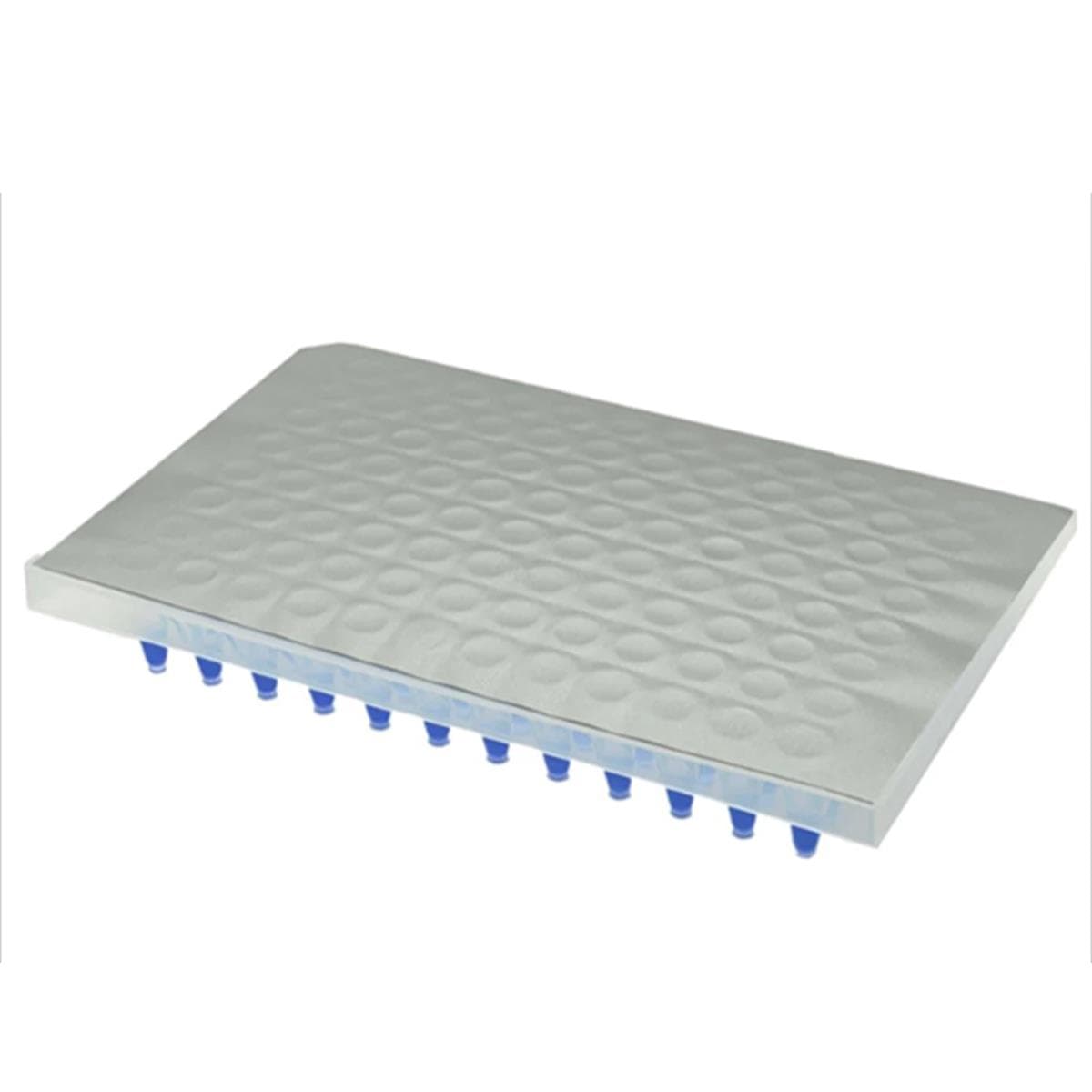
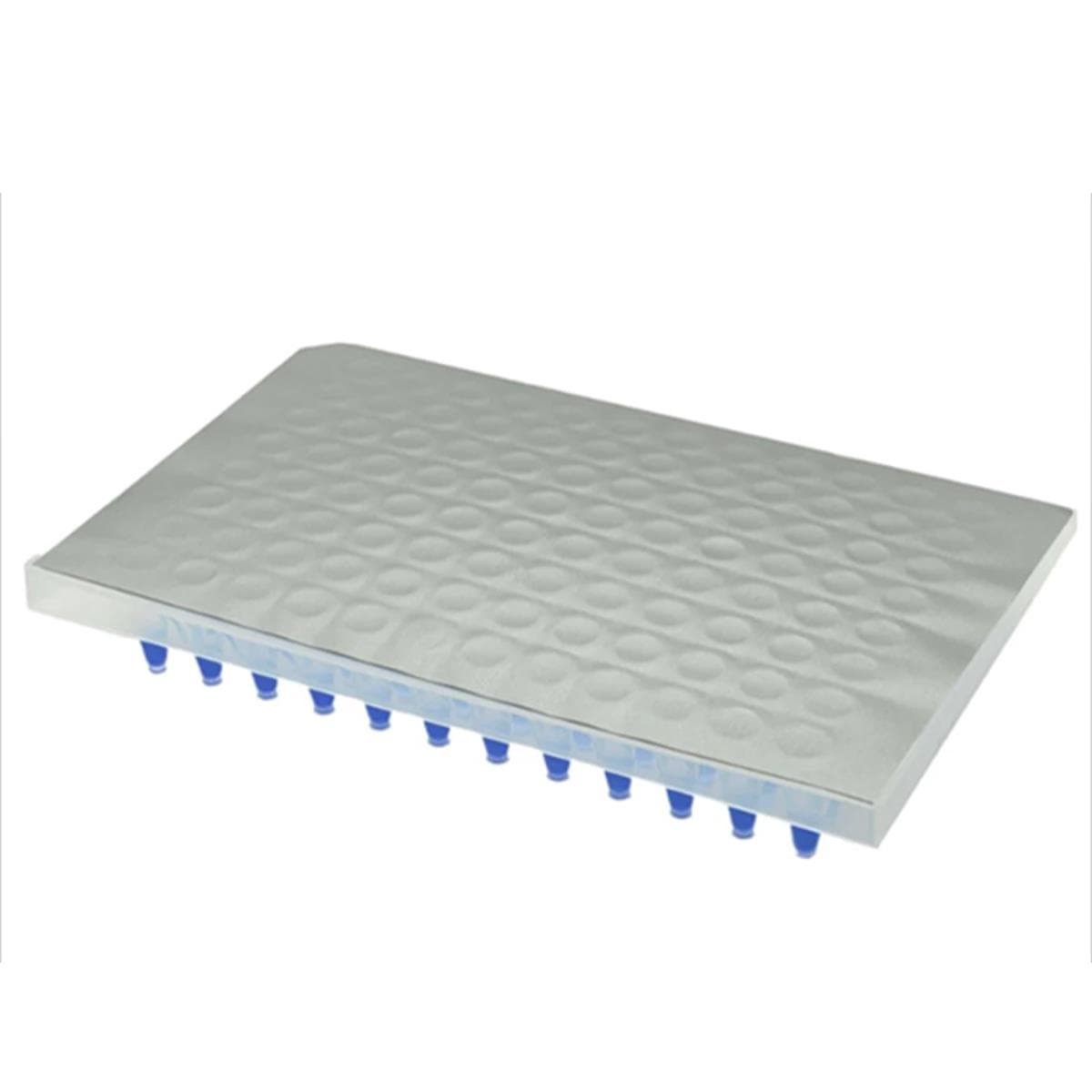
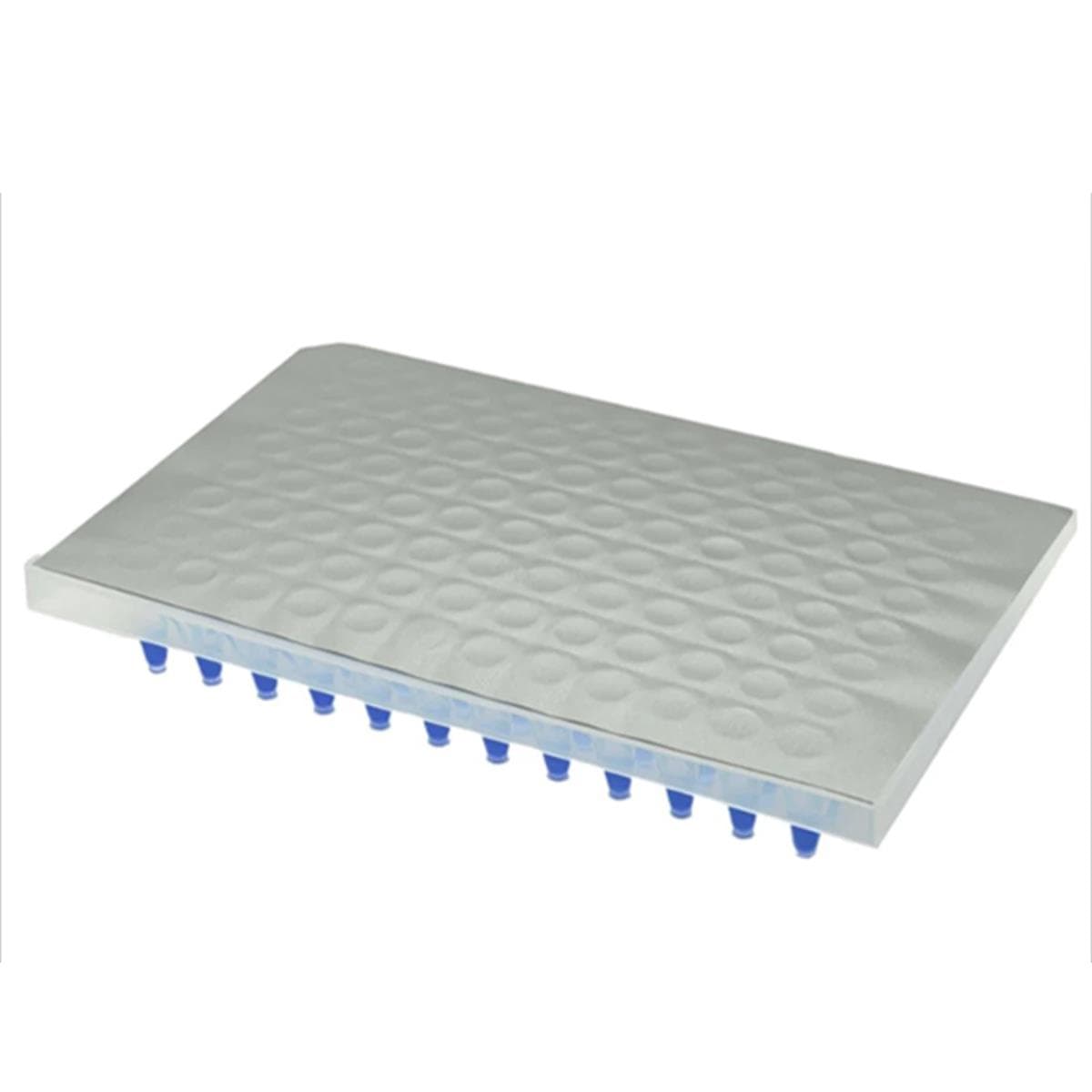
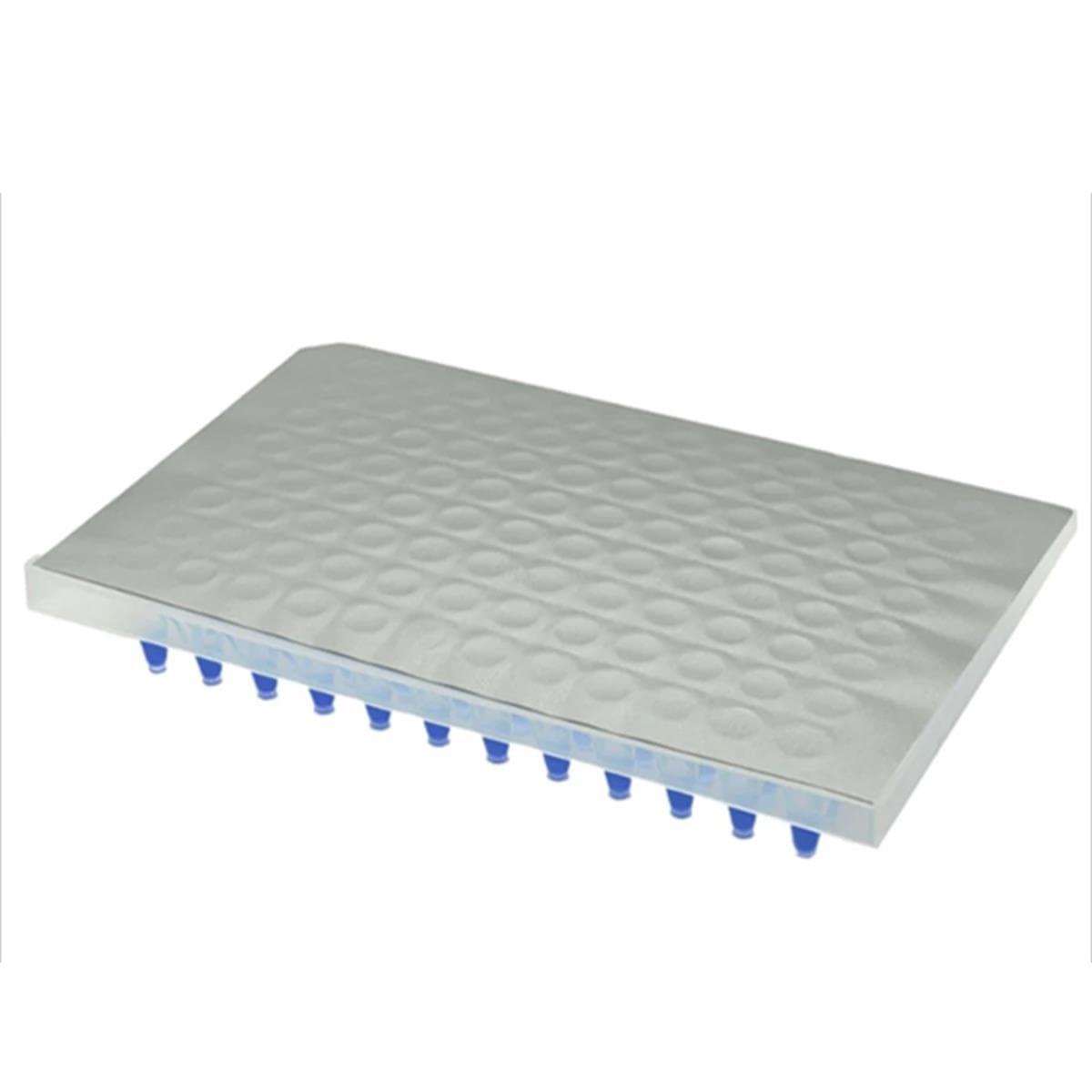
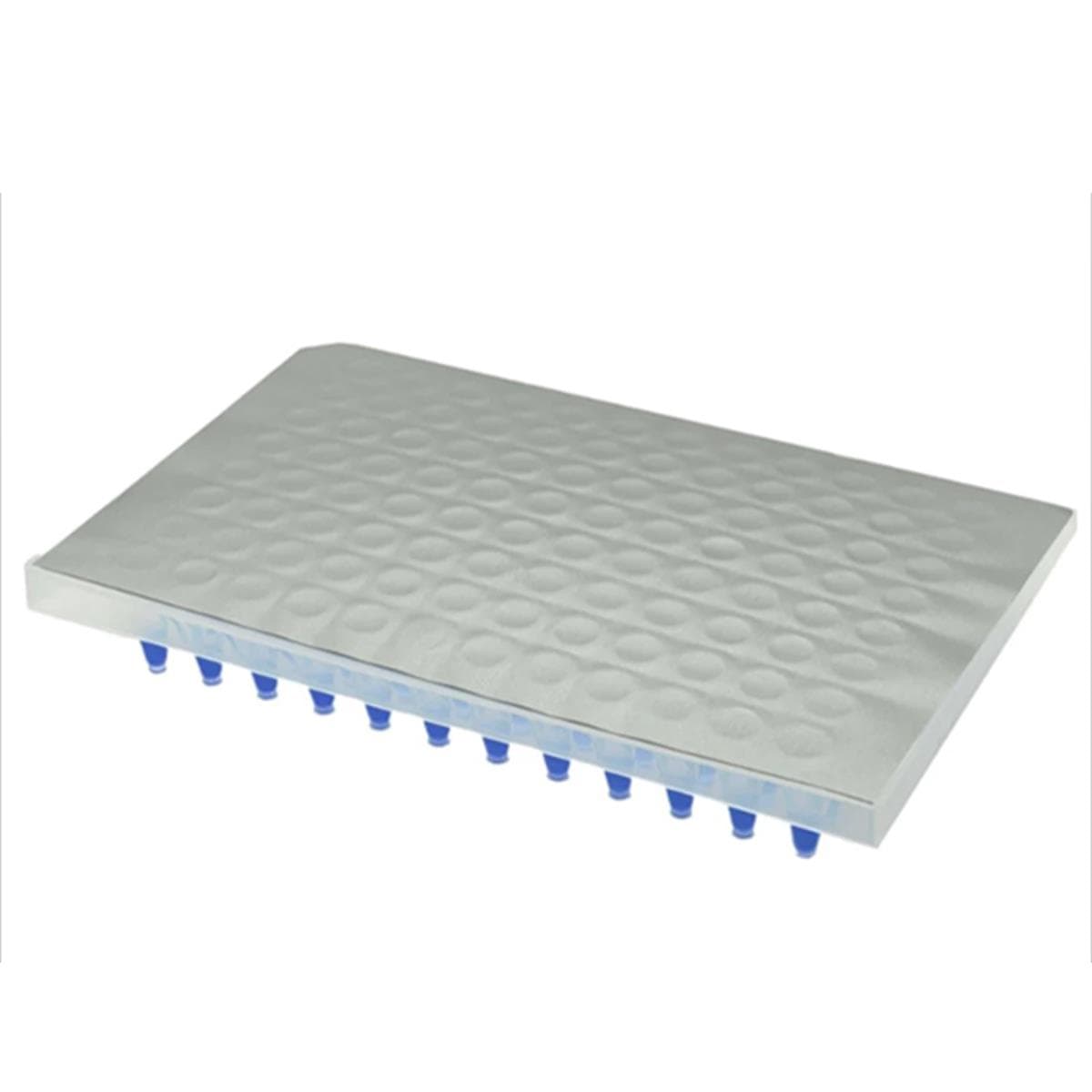
Showing 1 to 5 of 5 results
What Are Plate Sealer Accessories?
Plate sealer accessories include consumable sealing materials and instrument hardware used with heat plate sealers. Consumable sealing materials, such as sealing films and foil seals, are the most frequently replaced accessories, with one seal used per plate. Films and foils vary in optical properties, adhesion, temperature resistance, and pierceability, making it important to select the appropriate type for PCR, qPCR, sample storage, or automated liquid handling. Instrument hardware accessories, such as sealing frames, adapter inserts, and replacement components, are model-specific and designed to maintain proper sealer performance. Before ordering, confirm whether your application requires an optically clear film, a pierceable foil, or a cryogenic-rated foil.
What You Will Find
- Optically clear qPCR sealing films with peelable, pierceable, and strong-bond options.
- Peelable sealing films compatible with most microplate types for PCR and qPCR workflows.
- Strong-bond sealing films for polypropylene (PP) plates requiring secure sample containment.
- Foil plate seals with peelable or strong-bond options for PP plates.
- Foil seals suitable for DMSO applications and cold storage from -200°C to 110°C.
How to Choose Plate Sealer Accessories
Seal material: film vs. foil
Polymer films are optically transparent and required for qPCR, fluorescence assays, and plate readers that detect through the seal. They are suitable for thermal cycling and short-term storage. Aluminum foil seals provide superior evaporation protection and are preferred for long-term storage, solvent resistance, and applications that do not require optical read-through.
Optical properties for qPCR
Use optically clear, low-autofluorescence sealing films for real-time qPCR to maximize fluorescence detection sensitivity. Confirm compatibility with your PCR instrument and fluorescence detection wavelengths.
Cryogenic performance
For storage at -80°C or below, select sealing materials designed to maintain adhesion and barrier integrity through repeated freeze-thaw cycles. Cryogenic-rated foil seals provide the most reliable long-term performance.
Pierceable vs. non-pierceable seals
Pierceable foil seals allow robotic or manual pipette access without removing the seal, making them suitable for automated workflows. Non-pierceable seals provide the highest barrier protection for storage but must be removed before accessing samples.
Format adapters and sealing frames
Sealing frames and adapter inserts help align sealing materials and non-standard microplate formats during heat sealing. Verify compatibility with both your plate sealer model and microplate format before ordering.
Specifications Context
Film thickness influences evaporation protection, optical clarity, and piercing performance. Polymer films are typically 60 to 100 micrometers thick, while aluminum foils are generally 50 to 70 micrometers thick. Also confirm whether your plate sealer uses pre-cut sealing sheets or roll-format sealing material, as these formats are not interchangeable.
To discuss product availability or get selection guidance, contact the MBP team.
FAQ