Precision Balances for Routine Weighing and Sample Preparation
Precision balances are laboratory weighing instruments with readability ranging from 1 mg (0.001 g) to 1 g, offering capacities from a few hundred grams to tens of kilograms, depending on the model. They are used for routine reagent and media preparation, sample weighing before analytical processing, batch formulation, and quality control applications where high weighing accuracy is required without the ultra-fine resolution of an analytical balance.
MBP provides purchase order procurement for precision balances for research institutions across the USA and Canada. Request a quote for precision balances for routine laboratory weighing, sample preparation, and quality control applications by contacting customerservice@mbpinc.net.
Precision Balances
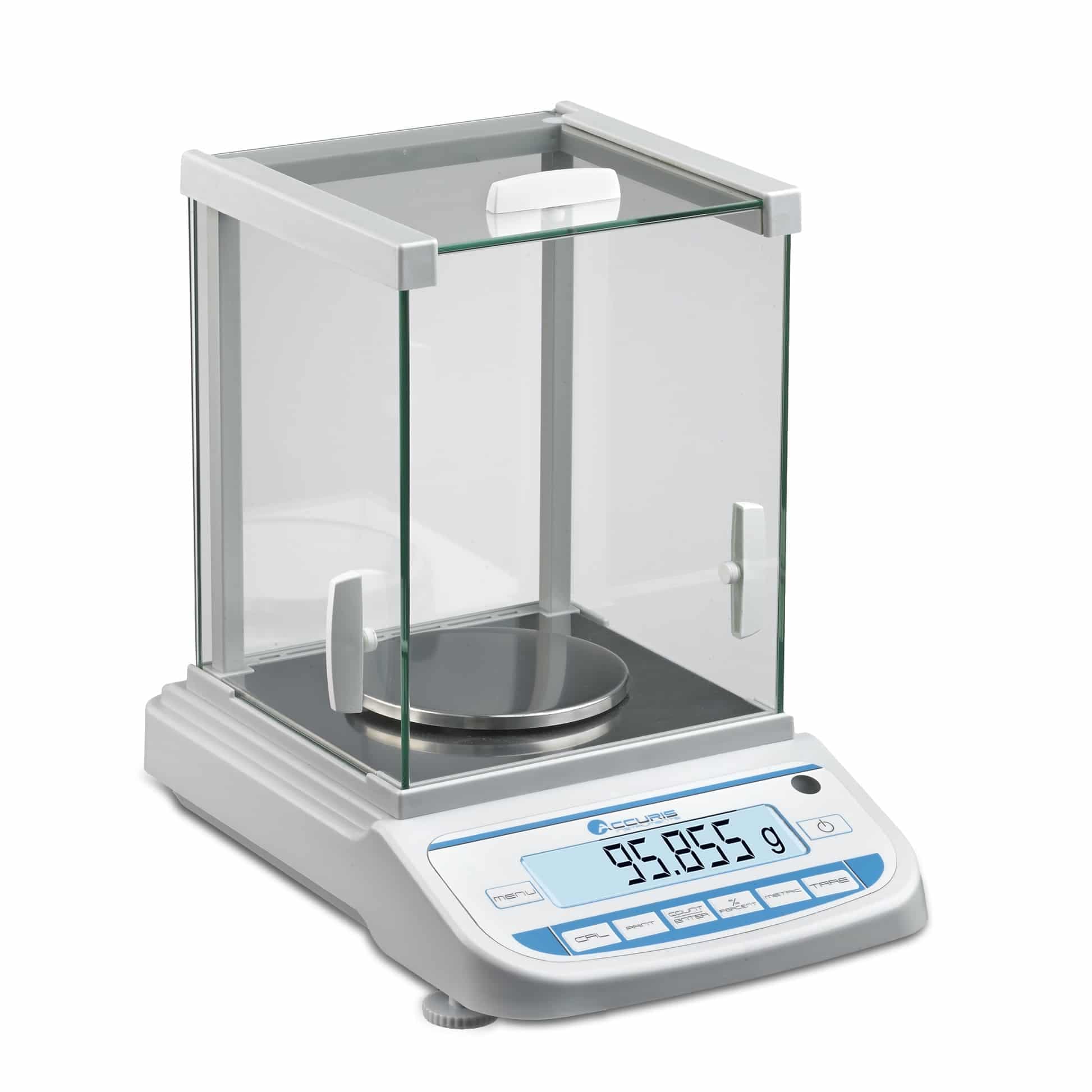
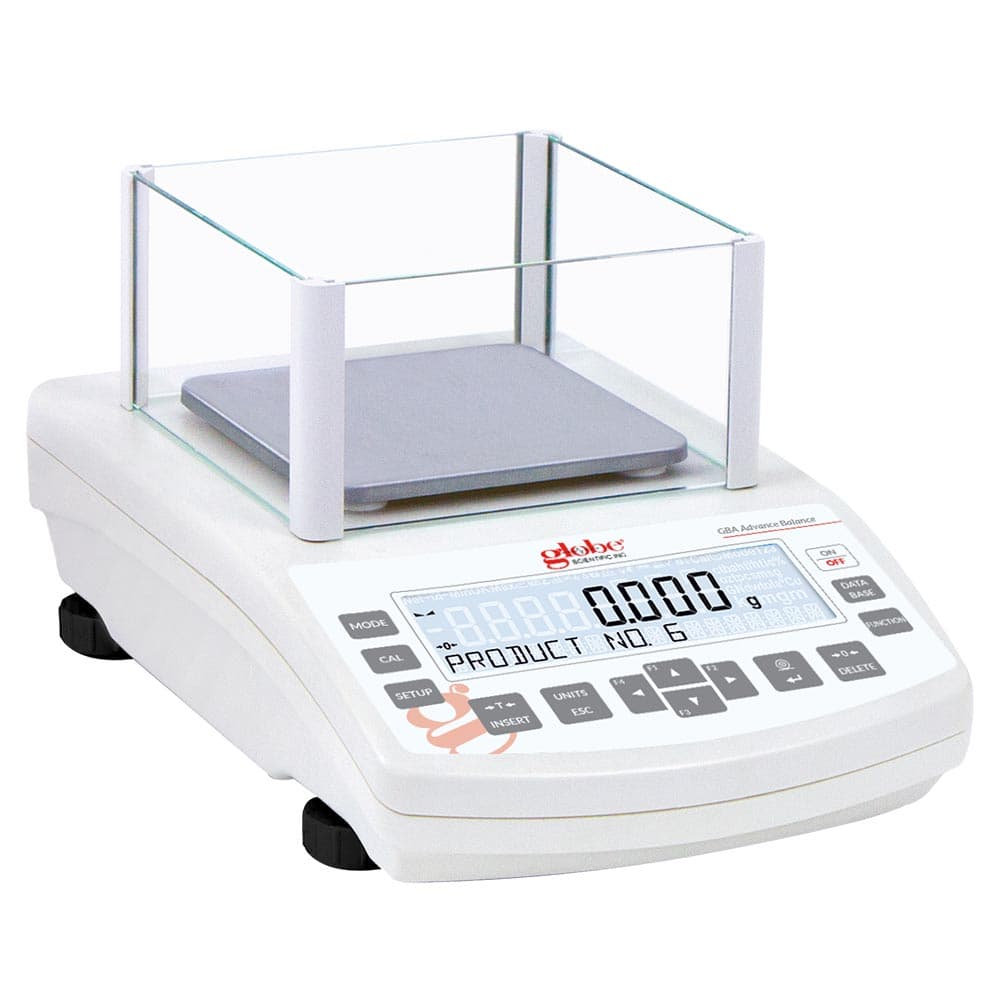
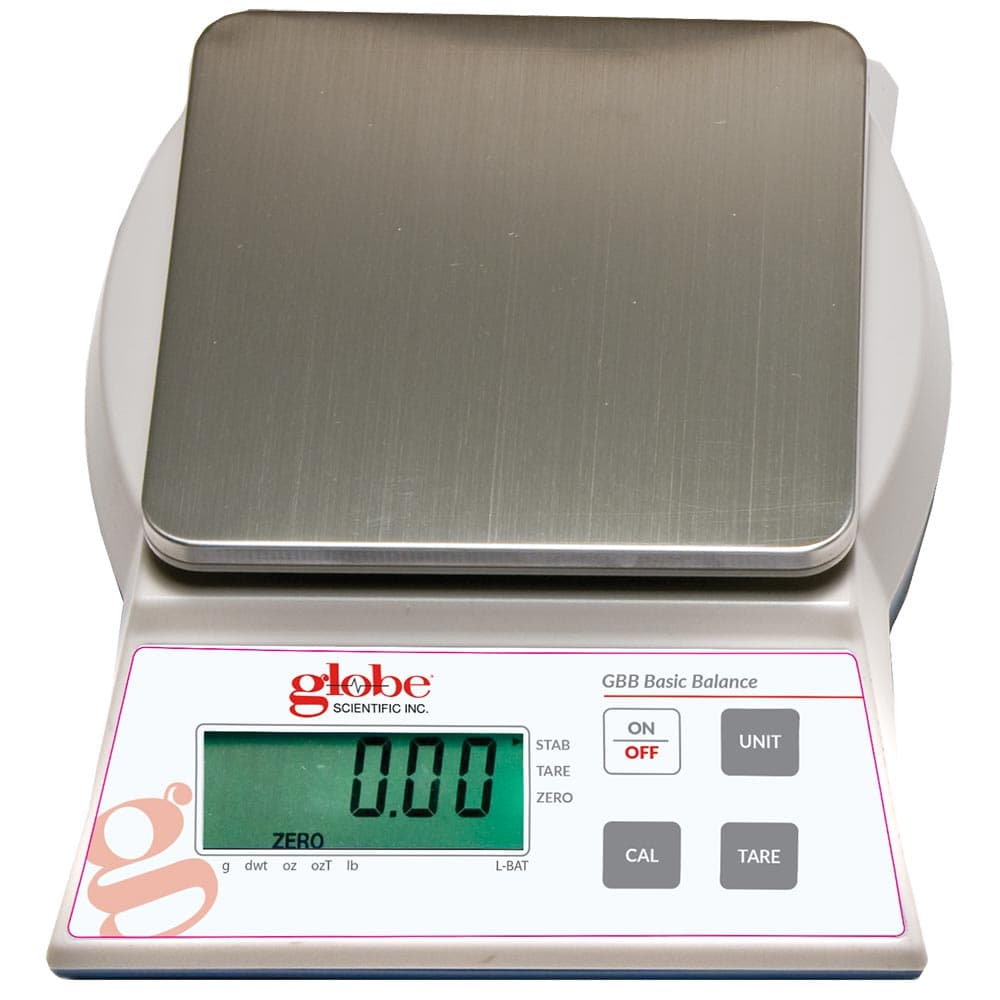
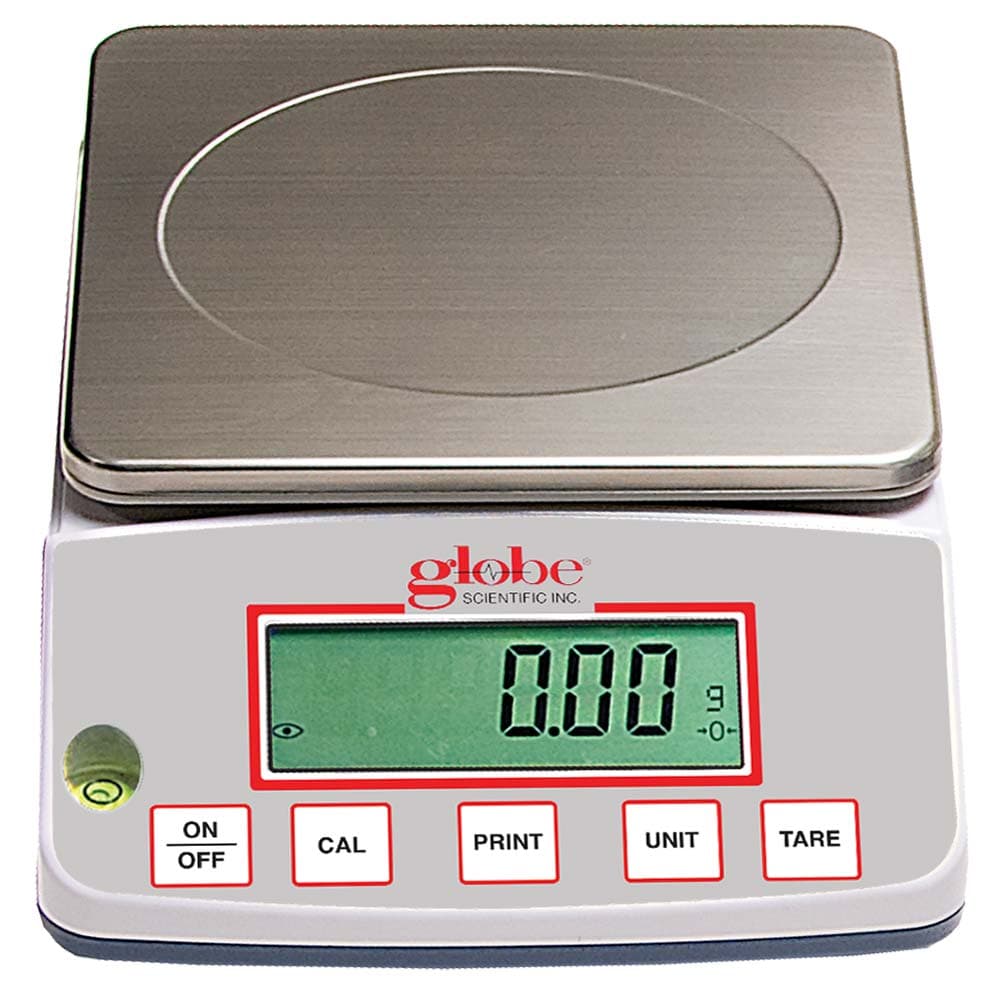
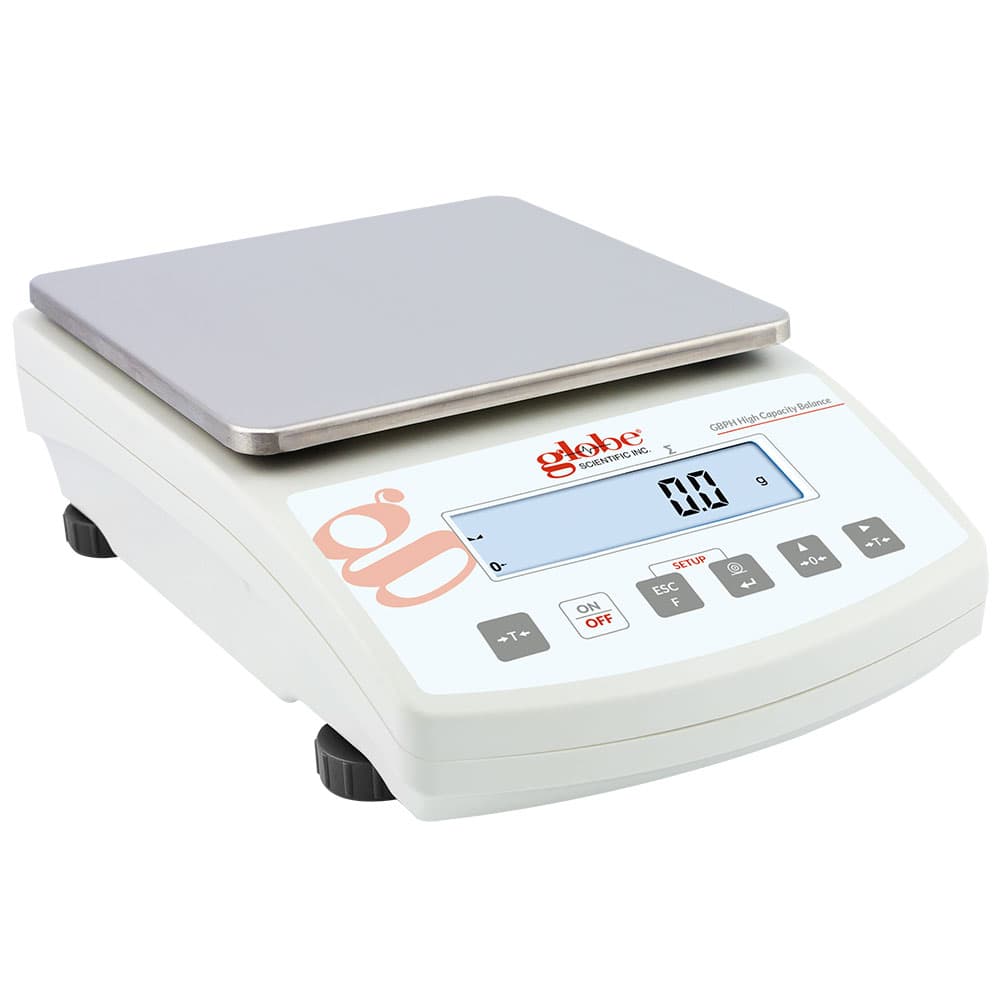
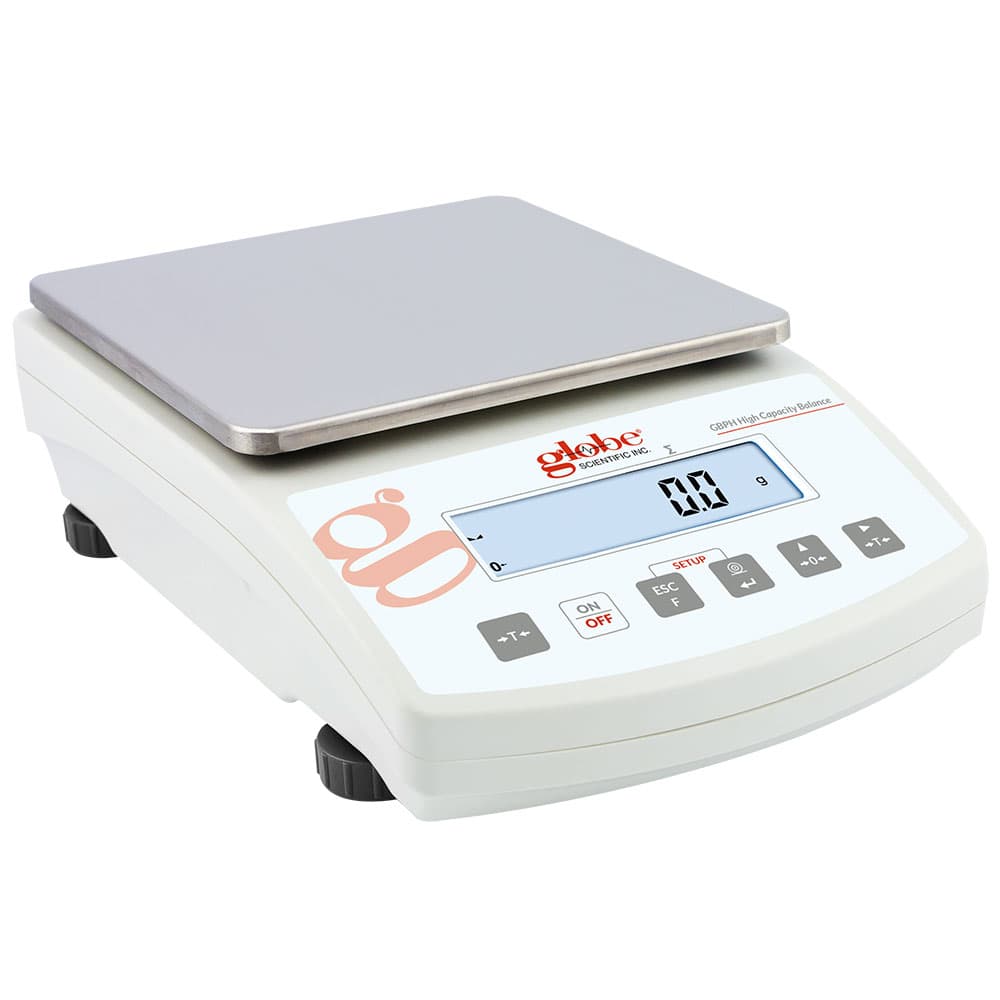
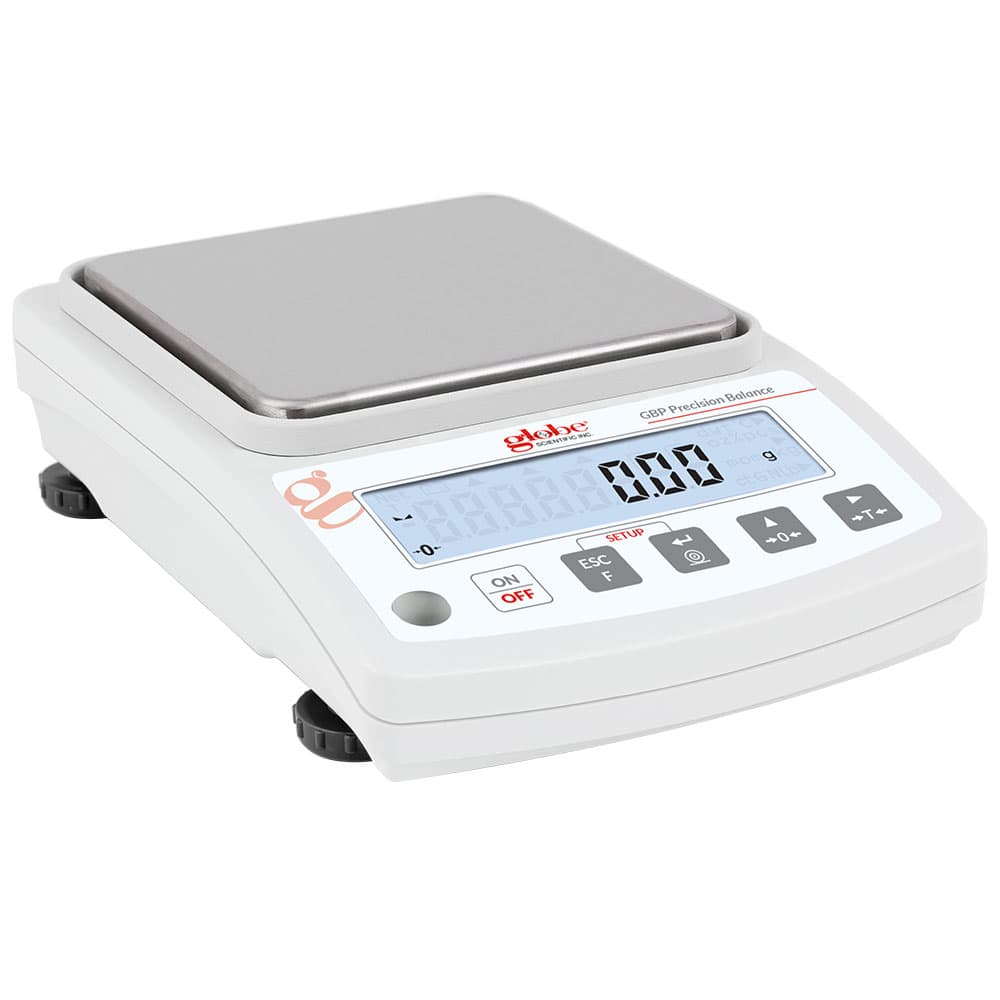
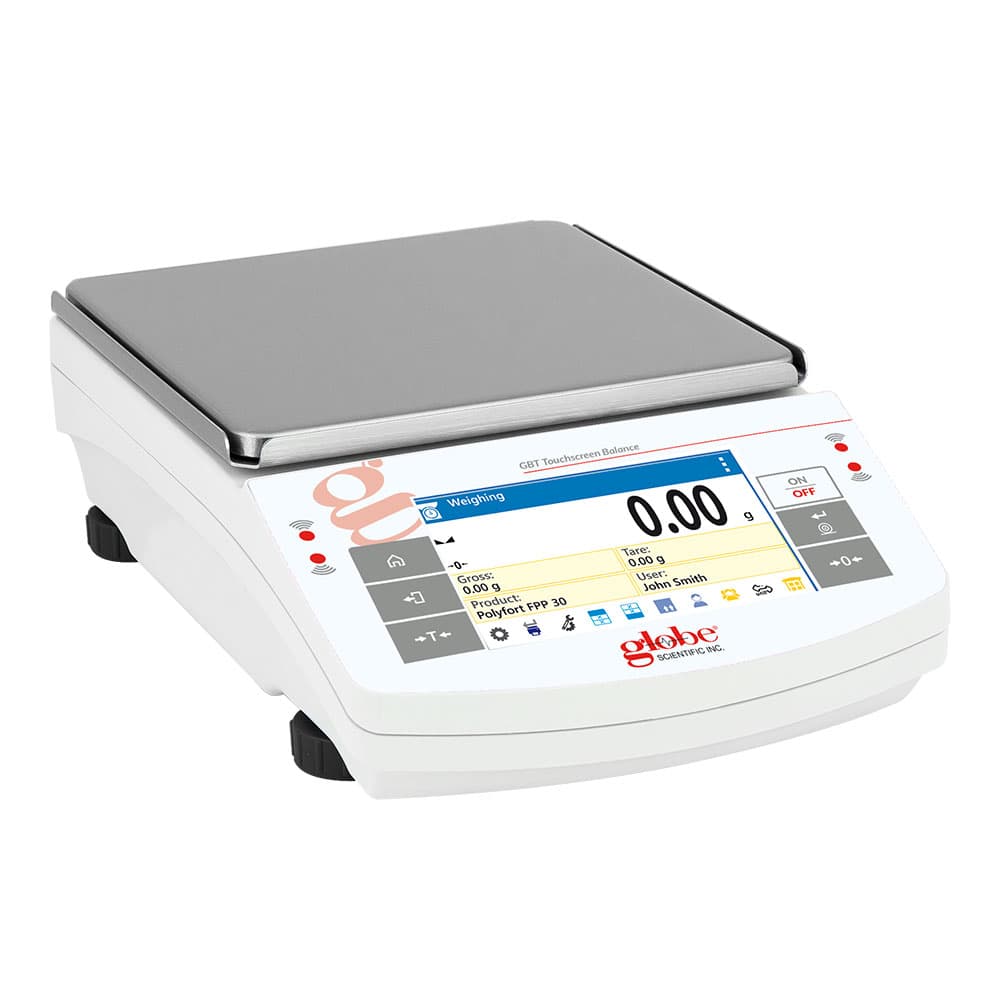


Showing 1 to 12 of 13 results
What Are Precision Balances?
A precision balance (also called a top-loading balance or semi-analytical balance at the finer end of the range) is an electronic weighing instrument that provides mass readability of 1 mg (0.001 g) to 0.1 g, with maximum capacities ranging from 120 g to 6 kg. They use either electromagnetic force restoration (EMFR) at the finer-readability end (1 mg to 0.1 mg) or strain-gauge load cells at the coarser end (0.01 g to 0.1 g), and most feature an open top-loading design without a full draft shield, distinguishing them from analytical balances. At 1 mg readability, some precision balance models include a partial windscreen (a three-sided partial enclosure) or removable draft shield panels; models at 0.01 g to 0.1 g readability typically operate in open-air conditions. Precision balances cover the widest range of routine laboratory weighing tasks: preparation of culture media batches in 2 to 5 L vessels (requiring 0.01 g accuracy), formulation of buffer concentrates, routine quality control check-weighing of capsules and tablets, dispensing of stock reagent aliquots, and any application where the protocol requires mass to two or three decimal places in grams without demanding the fourth decimal place (0.1 mg) of an analytical balance. A precision balance fills the gap between the 520 g capacity ceiling of a standard analytical balance and the coarse 0.1 g to 1 g readability of high-capacity bench scales; specify it when you need 1 mg to 10 mg resolution for samples up to 2 kg.
What you can find:
- Portable precision balances for routine laboratory and field weighing applications.
- High-capacity precision balances for weighing larger samples and bulk materials.
- Precision balances with internal or external calibration options for reliable measurement accuracy.
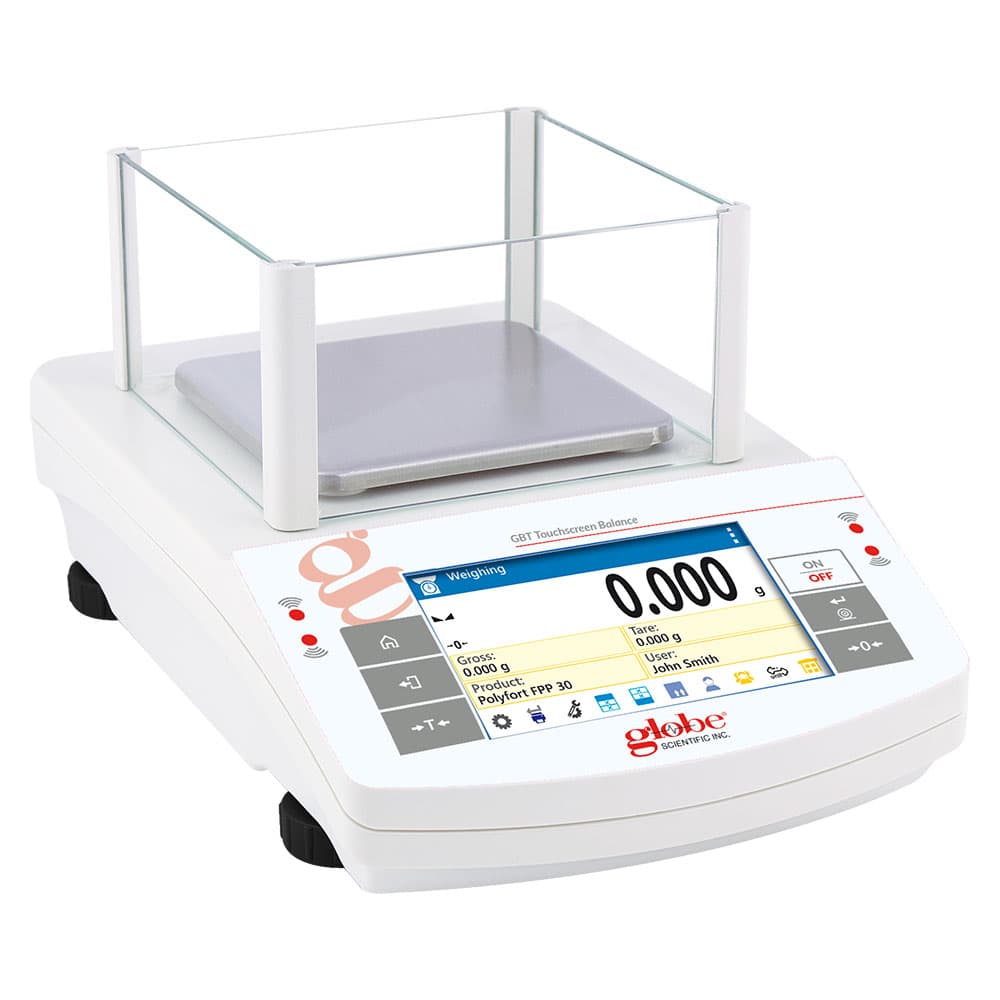
- Touchscreen precision balances with advanced weighing functions and data connectivity.
- Precision balance series from leading manufacturers, including Accuris and Radwag, for research, education, and quality control laboratories.
How to Choose a Precision Balance
Readability and capacity: matching both parameters
Precision balance selection requires matching both readability and capacity to the application. For weighing 0.5 to 5 g samples into vials for dissolution testing (where 1 mg accuracy is needed but a 520 g capacity is insufficient for the tare container), a 600 g x 0.01 g balance is the correct choice. For preparing 500 mL to 2 L media batches where 0.01 g accuracy is adequate, a 2 kg x 0.1 g balance covers the full range. For piece counting or check-weighing of bulk tablet batches, a 3 to 6 kg x 0.1 g precision balance handles the total weight of a tray or container of units.
Draft shield options
Precision balances at 1 mg (0.001 g) readability are affected by air currents and require either a full draft shield (as found on analytical balances) or, at a minimum, a three-sided windscreen to stabilize readings. Most 1 mg readability models in the 120 g to 620 g range include a removable glass draft shield. At 0.01 g readability, most models are used open-air on the bench, as air currents introduce errors of approximately 0.01 g, within the resolution tier of the instrument. Confirm the precision balance's recommended environmental conditions (maximum air velocity for stable readings) for the intended installation location.
Internal vs. external calibration
Precision balances with built-in internal calibration (a motorized weight that deploys automatically on temperature change or user command) maintain calibration between periodic external verification intervals without operator intervention. This is important in high-use labs where temperature fluctuates by 2 to 3 degrees C during the day. External calibration balances are lower cost and suitable when calibration is performed on a defined schedule (daily or weekly before use) using a certified reference weight. Most precision balance models at 0.01 g readability and above are available in both internal and external calibration configurations.
Advanced weighing functions
Research-grade precision balances include built-in weighing functions beyond standard mass measurement: piece counting (estimating the number of identical parts from a known sample weight); percentage deviation weighing (displaying the difference from a target mass as a percentage); formulation mode (guided dispensing of multiple ingredients to target masses with running total); and density determination (Archimedes method via an under-pan hook and optional kit). Confirm which functions are required and built in (not requiring a separate software purchase) for the intended application.
GLP features and connectivity
Precision balances for pharmaceutical QC, food testing, and accredited analytical labs require GLP documentation features: automatic printing of date, time, balance ID, operator ID, calibration status, and weighing result. RS-232 or USB output to a LIMS, balance printer, or PC is standard. For regulated environments, 21 CFR Part 11 software with an electronic audit trail and access control is available on premium models.
Specifications Context
Precision balance repeatability is specified as the standard deviation of 10 consecutive weighings of the same load at mid-range, typically 0.5 to 1 mg for models with 1 mg readability, and 0.01 to 0.05 g for models with 0.1 g readability. Environmental sensitivity is lower than for analytical balances: a 0.001 g precision balance in a vibration-affected environment may show repeatability of 1 to 5 mg in practice versus 0.5 mg in a stable environment. For the most demanding 1 mg-readability precision balance applications, place the balance on an anti-vibration mat and away from air vents. Pan size selection: precision balances at 1 mg to 0.01 g readability typically have pans of 130 to 200 mm; at 0.1 g readability, pans of 200 to 300 mm accommodate larger vessels.
Require assistance in selecting the appropriate model? Contact the MBP team for a tailored quote and professional guidance.
FAQ