Product Filters

Laboratory Balance Accessories for All Balance Types


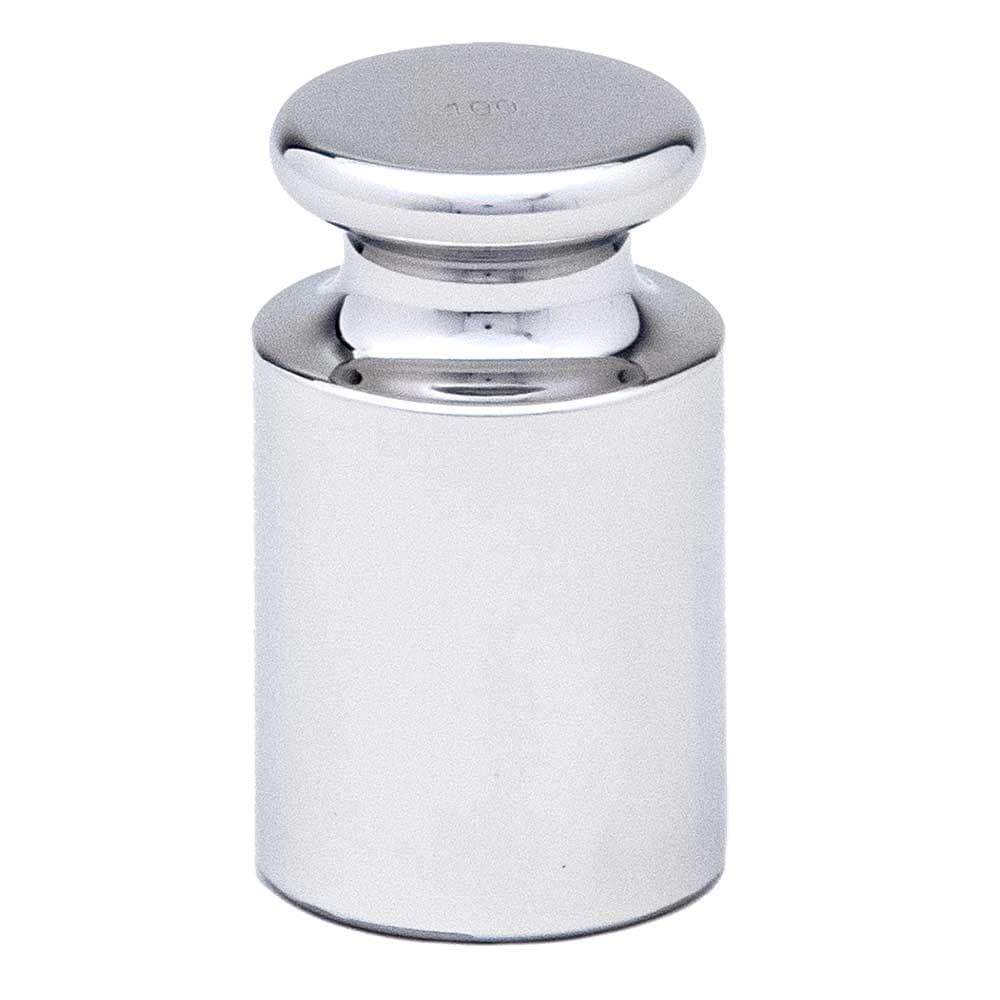
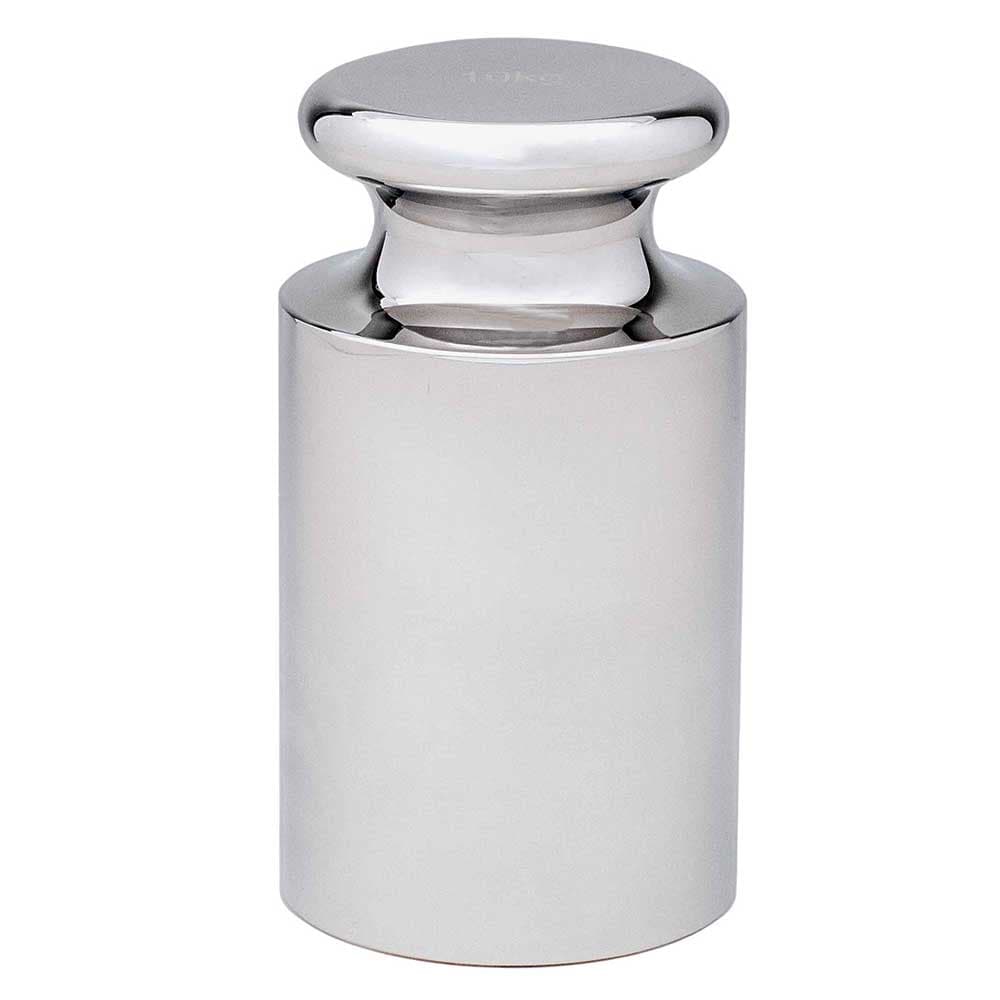
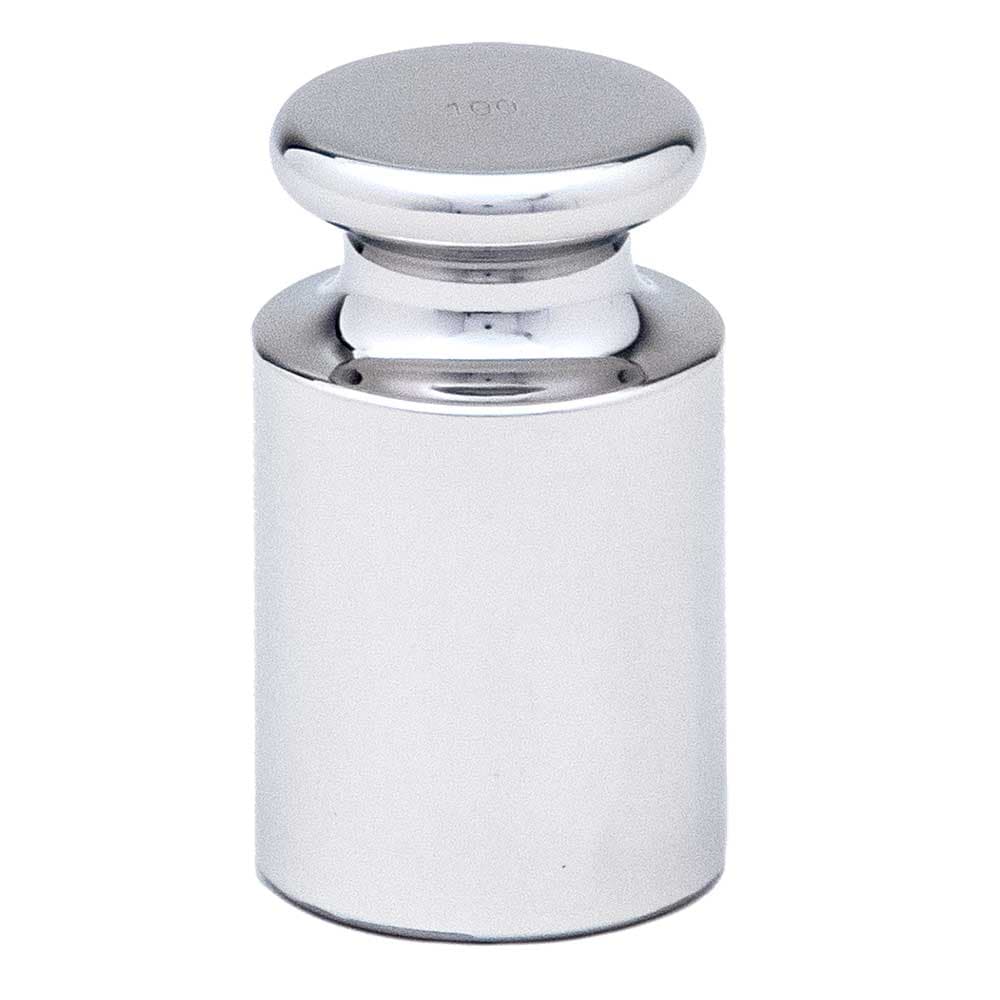
Laboratory balance accessories include precision calibration weights used to verify and calibrate laboratory balances for accurate and reliable weighing. Available products include Globe Scientific Class E2, F1, and F2 calibration weights for routine balance verification, calibration, and quality control applications across analytical balances, precision balances, high-capacity balances, and other laboratory weighing instruments.

MBP provides purchase order procurement for laboratory balance accessories for research institutions across the USA and Canada. Contact customerservice@mbpinc.net to request a quote today!

Laboratory Balance Accessories
Per Page:
Sort By:
Globe Scientific Class E2 Calibration Weights
List Price:
USD190.59 - USD463.64
Online Price:
USD136.14 - USD331.17
Your Price:
Globe Scientific Class F1 Calibration Weights
List Price:
USD177.29 - USD1,588.95
Online Price:
USD126.64 - USD1,134.97
Your Price:
Globe Scientific Class F2 Calibration Weights
List Price:
USD218.65 - USD3,589.80
Online Price:
USD156.18 - USD2,564.15
Your Price:

Showing 1 to 3 of 3 results

What Are Laboratory Balance Accessories?


Laboratory balance accessories support accurate and traceable weighing by enabling routine balance calibration and performance verification. This category includes precision calibration weights for analytical balances, precision balances, high-capacity laboratory balances, and other laboratory weighing instruments. Available accessories include Globe Scientific Class E2, F1, and F2 calibration weights for calibration, verification, and quality control applications.


What you will find:


  • Class E2 calibration weights for high-precision balance calibration and verification.
  • Class F1 calibration weights for routine calibration and quality control applications.
  • Class F2 calibration weights for general laboratory balance testing and verification.
  • Calibration weights suitable for analytical, precision, and high-capacity laboratory balances.
  • Laboratory balance accessories designed to support accurate, reliable, and traceable weighing performance.


How to Choose Laboratory Balance Accessories


Calibration weight class selection

Select the calibration weight class recommended for your balance and laboratory quality requirements. Globe Scientific Class E2, F1, and F2 calibration weights are available for routine balance verification and calibration across a variety of laboratory weighing applications. Always verify the weight class specified by the balance manufacturer or your laboratory's quality management procedures.

Weight capacity

Choose calibration weights with nominal values appropriate for your balance's weighing range and calibration procedure. Laboratories commonly maintain multiple weight values to support routine verification across different balance capacities.

Calibration and quality systems

When balances are used in regulated or quality-controlled laboratories, calibration weights should be selected to support documented calibration and verification procedures. Follow your laboratory's quality requirements for calibration intervals and handling practices.

Handling and storage

Calibration weights should be handled carefully to preserve their accuracy. Store weights in their protective cases when not in use, avoid direct contact with bare hands whenever possible, and keep them clean and free from contamination to help maintain reliable weighing performance.


Specifications Context


Calibration weights are manufactured to defined accuracy classes that support routine balance calibration and performance verification. Selecting the appropriate weight class and nominal weight values helps maintain measurement accuracy and traceability throughout the life of a laboratory balance. When comparing calibration weights, consider the applicable accuracy class, available weight values, material quality, protective storage case, and compatibility with your laboratory's calibration procedures. Proper handling, storage, and periodic recalibration help preserve long-term measurement reliability and support consistent weighing performance in research, analytical, quality control, and testing laboratories.


To discuss product availability or get selection guidance, contact the MBP team.

FAQ

Laboratory balance accessories include OIML- and ASTM-traceable calibration weight sets (E2, F1, and F2 classes, covering 1 mg to 20 kg) for external calibration and periodic performance verification; anti-vibration tables and isolation mats to minimize floor vibration effects on weighing; anti-static ionizers (blower bars or hand-held guns) to neutralize static charge on powder samples; draft shield replacement panels; density determination kits for Archimedes-principle density measurement; weighing papers, boats, and dishes; balance printers and RS-232 or USB interface cables for GLP data output.
Match the calibration weight class to the balance readability: E1 and E2 weights for microbalances (0.001 mg readability); F1 weights (ASTM Class 1 equivalent) for analytical balances at 0.1 mg readability; F1 or F2 weights for semi-micro and precision balances at 0.01 mg to 1 mg readability; F2 or M1 weights for high capacity balances at 0.01 g to 1 g readability. Using a lower-accuracy weight class than the balance readability requires means that calibration weight uncertainty limits the balance's effective accuracy. In the USA, specify ASTM Class 1 for analytical balance calibration weights.
An anti-vibration table is the preferred choice for analytical and semi-micro balances at 0.1 mg readability or finer, particularly in buildings with identifiable floor or bench vibration from HVAC systems, elevators, or nearby equipment. Full pneumatic or spring anti-vibration tables provide frequency attenuation from 2 to 100 Hz, covering most laboratory vibration sources. Anti-vibration mats (viscoelastic pads) provide meaningful attenuation for frequencies above 8 to 10 Hz and are cost-effective for lower-vibration environments. If the balance reading is visibly unstable before placing a sample, prioritize a full anti-vibration table.
Weighing papers (90 to 150 mm square, chemically resistant lint-free sheets) protect the balance pan and provide a hygienic, disposable surface for powder samples. Use polystyrene or disposable aluminum foil boats for powders that would spill off flat weighing paper. PTFE weighing boats resist concentrated acids, bases, and halogenated solvents. Aluminum foil boats minimize contact time with volatile samples. Match the weighing boat volume to the sample size -- overfilling causes spillage; using an oversized boat increases the tare weight and can reduce the effective capacity available for the sample.
Handle calibration weights only with clean stainless steel tweezers, wooden-handled grips, or clean lint-free gloves -- fingerprint oils and skin salts contaminate the surface and shift the mass above tolerance. Store in the original padded, labeled case at controlled temperature (within 5 degrees C of the temperature during calibration). Never place weights directly on a lab bench or in contact with corrosive chemicals. Inspect before each use for visible contamination, corrosion, or mechanical damage. Recertify annually in GLP environments, or immediately after a weight is dropped or damaged.
A density determination kit attaches to a balance's under-pan hook (a weighing hook below the balance pan used for below-balance weighing) and enables measurement of the density of solids and liquids by the Archimedes hydrostatic principle. The sample is weighed in air, then suspended in water of known density at measured temperature; the balance measures the buoyancy-reduced apparent mass in the liquid. From these two readings, sample density is calculated. Density kits are used for pharmaceutical tablet density, polymer bead density, rubber compound QC, and gem identification. Confirm the balance has an under-pan hook before ordering a kit.
Most modern laboratory balances provide RS-232 serial output (the standard for balance data output since the 1980s) and USB ports for direct connection to a computer running balance software or a LIMS. RS-232 to USB adapters are available for legacy balances without USB. Ethernet connectivity is available on high-end models for network LIMS integration. Balance printers (compact thermal or dot-matrix strip printers) print weighing results on paper tape for GLP record keeping. Confirm that the data output format (simple ASCII string vs. structured SBI/SI format) is compatible with the target software.
Yes. MBP provides purchase order procurement for laboratory balance accessories including calibration weight sets, anti-vibration tables, ionizers, weighing consumables, and density determination kits for research institutions across the USA and Canada. MBP is a registered vendor for Howard Hughes Medical Institute, Vanderbilt University, and MD Anderson Cancer Center. Contact MBP via the contact page or Quick Order portal with your balance type, required accessory, and any OIML class or calibration certificate requirements for a prompt quote.
We provide the highest quality of products and anytime customer service.
Featured Categories
    online payment
    online payment
    fast delivery
    fast delivery
    technical support
    technical support
    24/7 support
    24/7 support
    copy right
    2026 All Right Reserved